New Jersey's Atlantic coastline experiences both hurricane-driven storm surge, which is episodic but severe, and the more frequent, cumulative erosion from nor'easter storms, together producing the state's leading risk category.

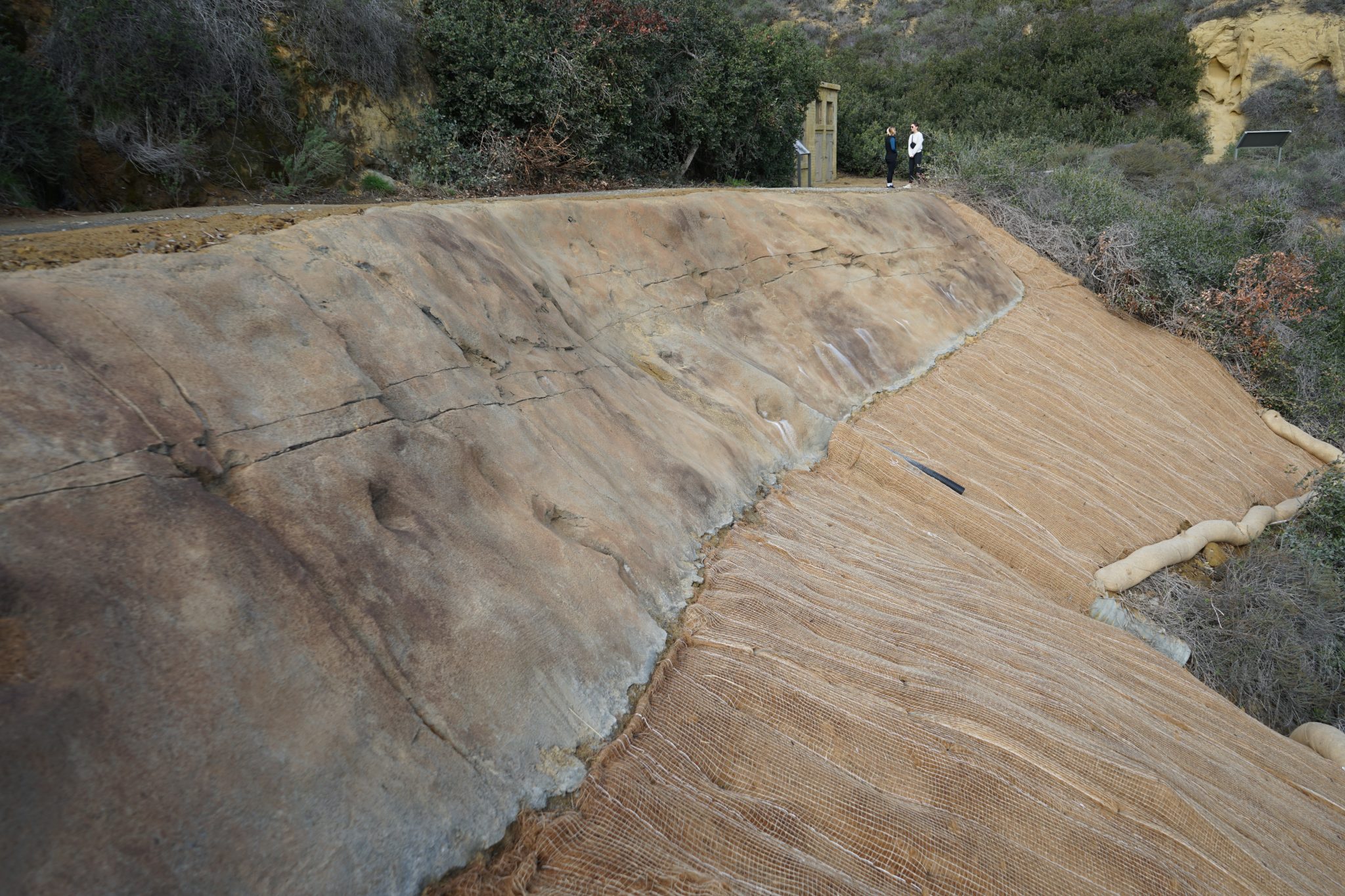
New Jersey's Atlantic coastline faces erosion from both hurricane-driven storm surge and the more frequent, cumulative damage of nor'easter storms, a combined coastal pressure distinct from the state's northern rock outcrop terrain. The Palisades and Highlands region in the north presents fractured rock requiring retaining structures, while slope instability on glacial and residual soils rounds out the state's third priority.
It's a recurring Seepage and Internal Erosion Problems issue that NJDOT and infrastructure owners track statewide.
erosion control, retaining systems, slope instability define New Jersey's geohazard exposure, and GSI's response to each reflects the state's real conditions.
Driven by combined hurricane storm surge and nor'easter coastal erosion, this shows up across New Jersey. GSI's response is coastal and bluff stabilization.
New Jersey sees this where fractured gneiss and diabase in the Palisades and Highlands. GSI resolves it with tiebacks.
New Jersey infrastructure owners see this from glacial and residual soils in the Highlands and Piedmont, resolved by GSI using compaction grouting.
New Jersey's Atlantic coastline experiences both hurricane-driven storm surge, which is episodic but severe, and the more frequent, cumulative erosion from nor'easter storms, together producing the state's leading risk category.
The Palisades and Highlands region exposes fractured gneiss and diabase rock, requiring retaining structures distinct from the state's coastal erosion concerns.
Yes, generally tied to glacial and residual soils in the Highlands and Piedmont regions, ranking as the state's third priority behind erosion and retaining systems.
GSI maintains emergency response for New Jersey's hurricane and nor'easter events, pairing rapid stabilization with permanent coastal protection.
The Garden State Parkway's coastal corridor and dense shoreline development face the state's primary erosion risk, while I-80 through the Palisades faces retaining wall challenges.
GSI adapts its approach to New Jersey's distinct zones, Atlantic coastline, Palisades and Highlands rock, and Piedmont slopes, within one of the nation's most densely developed states.
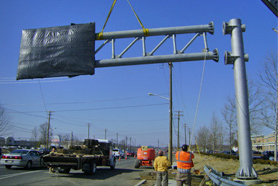
Corridors prone to washouts and scour often need updated warning signage alongside the structural repair. RoadGuard installs highway signage and sign structures built to the same standards as the roadway itself.
From erosion control to slope instability, GSI's engineers are ready to assess your New Jersey site.