Decades of groundwater pumping from the Phoenix basin's alluvial aquifer have compacted the sediment layers above, causing the ground surface to settle and, in some areas, split into earth fissures that can extend for miles.

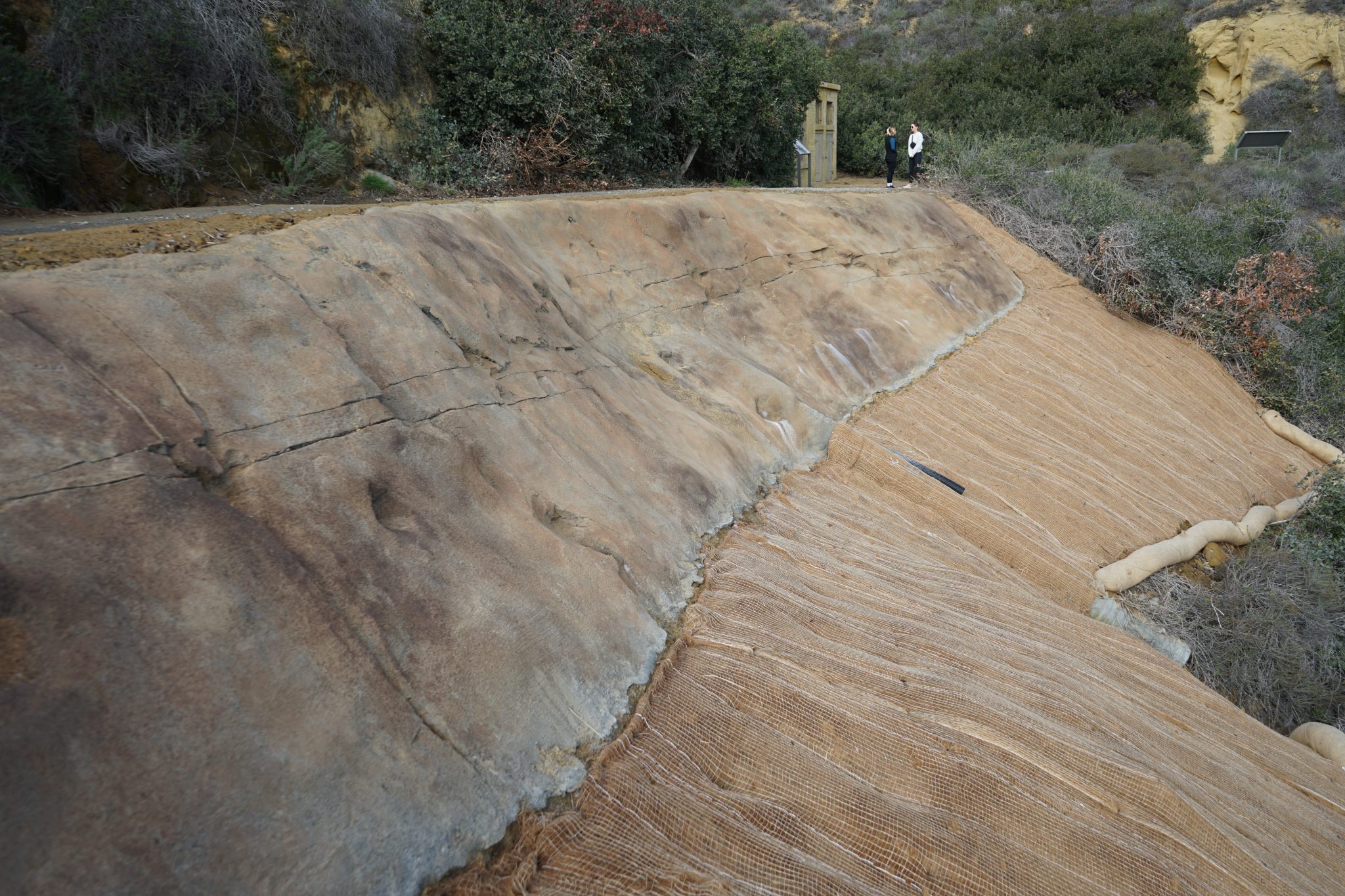
Arizona's Phoenix and Tucson basins overlie thick alluvial sediments that compact as groundwater is pumped out faster than it recharges, producing land subsidence and earth fissures documented across the Salt River Valley for decades. During monsoon season, the same desert terrain that seems permanently dry turns violent: intense, localized rainfall triggers flash floods that scour washes and roadways within minutes, a risk that intensifies for years after wildfire strips the watershed above a canyon corridor.
GSI treats this as one of several Subsurface Void and Sinkhole Problems issues infrastructure owners here regularly face.
Arizona faces risk across ground settlement, erosion control, rockfall risk. GSI's response to each is ranked by actual fit to the state's conditions.
Driven by groundwater-pumping land subsidence and earth fissures in the Phoenix basin, this shows up across Arizona. GSI's response is underpinning and foundation support.
Arizona sees this where monsoon flash flooding across desert washes and canyon roads. GSI resolves it with coastal and bluff stabilization.
Arizona infrastructure owners see this from canyon corridor rockfall along SR-89A and mountain highways, resolved by GSI using rockfall barriers.
Across Arizona, subsidence-related stress on buried utility corridors causes this. GSI treats it with slurry grouting.
Decades of groundwater pumping from the Phoenix basin's alluvial aquifer have compacted the sediment layers above, causing the ground surface to settle and, in some areas, split into earth fissures that can extend for miles.
Arizona's monsoon season delivers intense, short duration rainfall onto desert terrain with minimal vegetation to slow runoff, producing flash floods strong enough to scour washes and roadways. {EROSION_LINK} work addresses this seasonal risk directly.
Wildfire strips the vegetation that normally slows runoff on a watershed, which dramatically increases both the volume and speed of flash flooding for three to five years after a burn, a window when post-fire debris flow risk is highest.
Arizona's canyon corridors, including Oak Creek Canyon on SR-89A, expose sandstone and volcanic rock that spalls during the state's extreme daily temperature swings. {ROCKFALL_LINK} solutions address this thermal fatigue driven rockfall.
Yes. GSI maintains {POSTFIRE_LINK} for Arizona watersheds, deploying debris flow barriers ahead of the first post-fire monsoon season when risk is highest.
GSI's {DESIGNBUILD_LINK} model keeps engineering and construction under one ADOT compliant contract, which matters on Arizona's compressed monsoon season timeline.
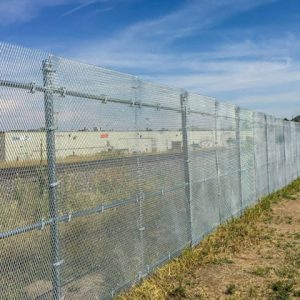
Sites affected by settlement or sinkhole repair often need temporary or permanent fencing during and after the work. RoadGuard's commercial fencing division handles both from the same sister company network as GSI.
From ground settlement to rockfall risk, GSI's engineers are ready to assess your Arizona site.