Geotechnical construction at mining sites operates under conditions that eliminate most civil specialty subs: blast vibration-sensitive anchor installation, highwall access on steep faces, portal stability work in active mining zones, and 24-hour response requirements for slope events threatening production access. When your mining contractor needs a geotechnical specialty sub, the qualification bar is higher than the civil market.
GeoStabilization International has deployed on open pit, hard rock, and coal mining projects across North America — installing highwall slope reinforcement, portal liners, drain programs, and grouting systems on active mining sites with 24-hour production schedules. Our safety program meets MSHA requirements and our crew certifications match what mining operations demand.
GeoStabilization International serves as the specialty geotechnical subcontractor on mining projects where highwall stability, portal reinforcement, grouting, and drainage fall outside the mining contractor's core competency.
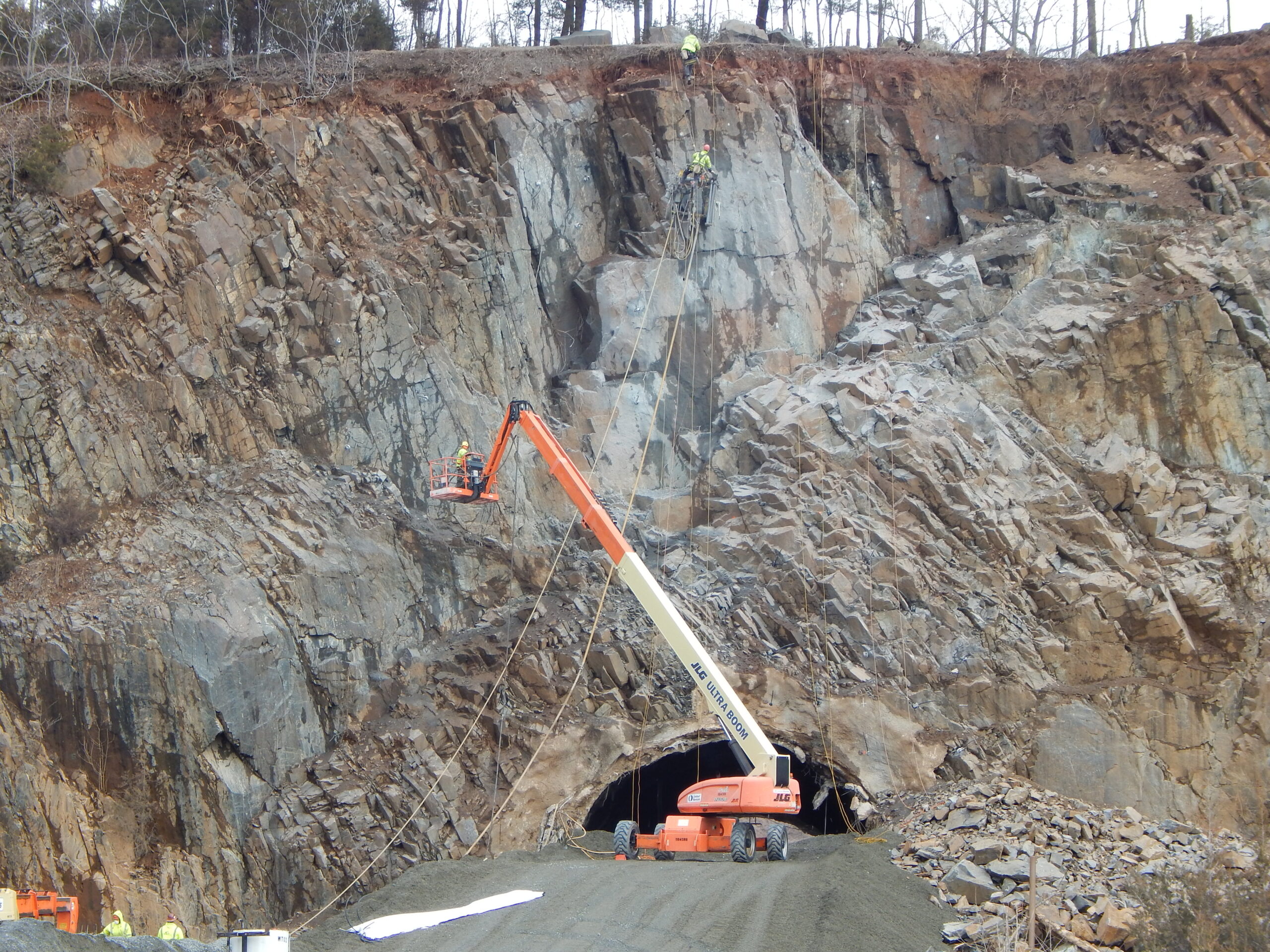
Open pit highwall slope stabilization through rock bolt installation, shotcrete facing, and catch fence systems is performed by GSI crews on active pit faces with production blast vibration controls and restricted access protocols.
Underground mine portal faces and portal crowns are reinforced through systematic rock bolt and shotcrete programs that GSI installs during planned production outages — minimizing impact on mine access schedules.
Abandoned mine voids beneath mining infrastructure are stabilized through engineered grouting programs that fill target voids without contaminating adjacent ore zones or production areas.
Horizontal drain systems in pit slope faces relieve pore pressure that drives instability in wet-season operating periods. GeoStabilization International integrates drain installation into pit operations schedules without disrupting active mining equipment.
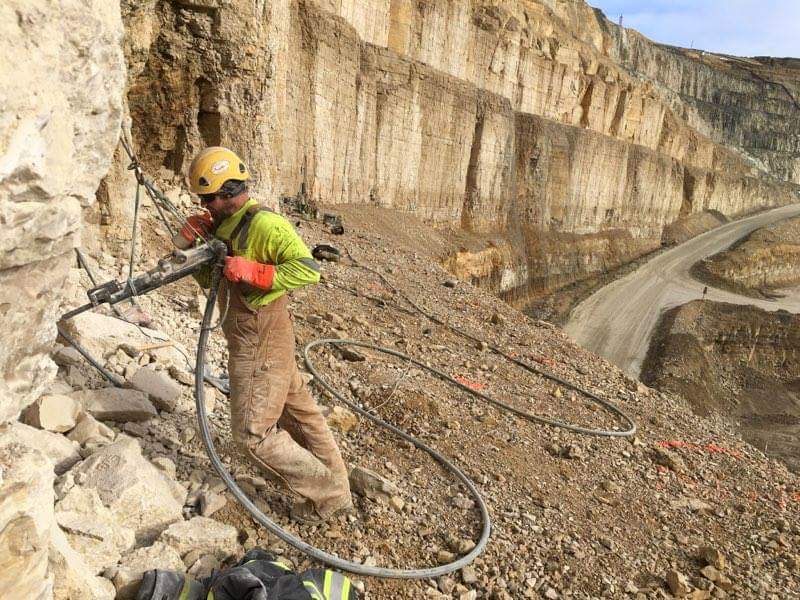
Deploying a civil geotechnical sub on a mining site who hasn't completed MSHA training creates a compliance problem, a safety risk, and a production delay — all before the first hole is drilled. GeoStabilization International's field supervisors maintain current MSHA Part 46 or Part 48 training as applicable to each site type, and our safety program is regularly reviewed against MSHA inspector protocols.
Beyond the compliance baseline, our field crews have operational experience on active mining sites — they understand blast exclusion procedures, high-voltage proximity rules, and mobile equipment traffic patterns in pit environments.
GeoStabilization International responds to subcontract scope inquiries within one business day. Call or complete the form below.