
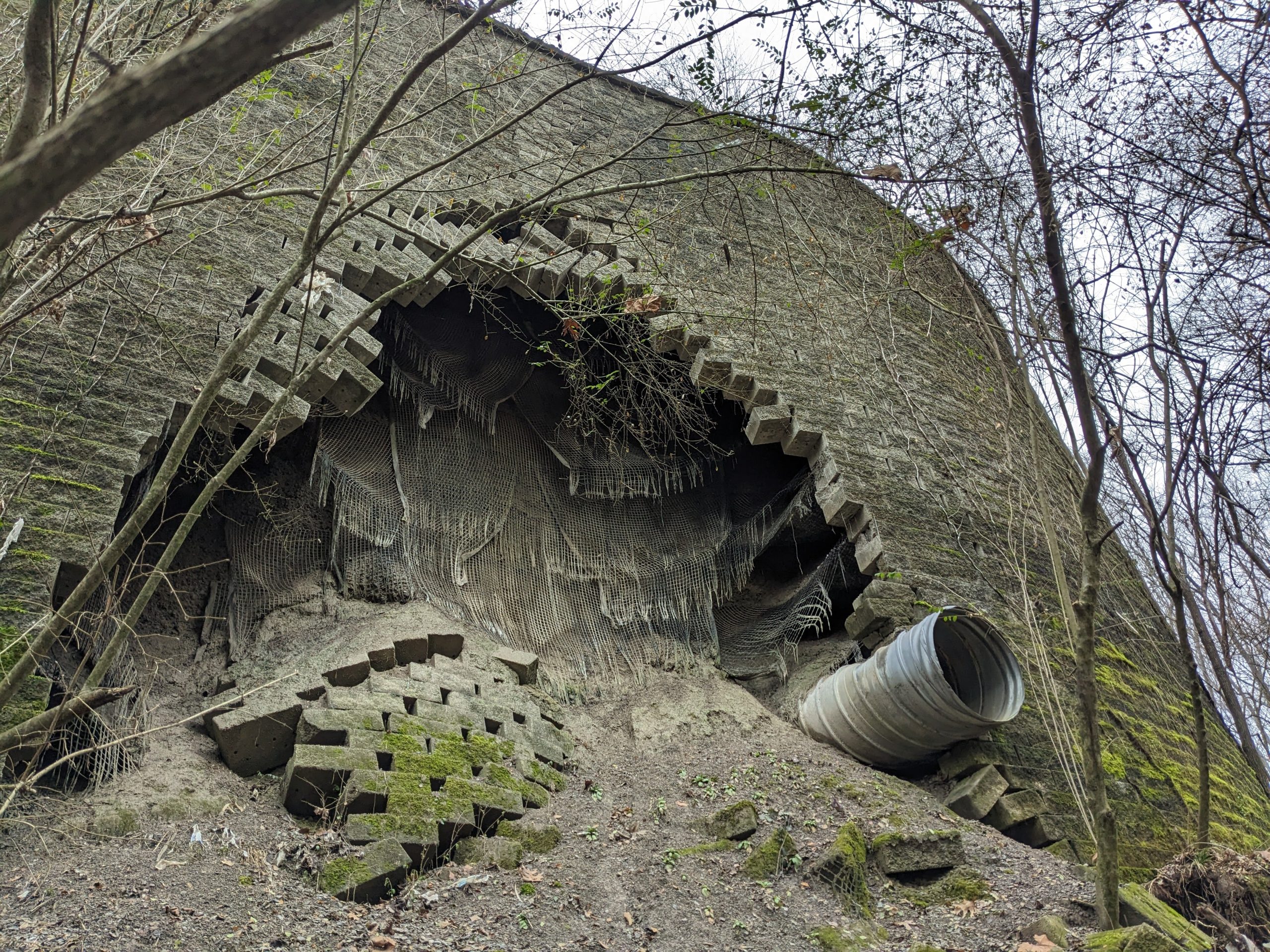
Utah's retaining walls concentrate along the Wasatch Front, where the Wasatch Fault — a zone stretching more than 240 miles, capable of producing a magnitude 7.0 to 7.5 earthquake — runs directly beneath the state's most populous urban corridor. The Utah Geological Survey puts the probability of a magnitude 6.75 or greater earthquake somewhere along the Wasatch Front at roughly 43 percent over the next 50 years. UDOT walls along I-15 carry both the routine lateral earth pressure every retaining wall manages and this elevated seismic exposure.
Away from the fault itself, the Utah Geological Survey has also mapped statewide susceptibility to expansive and collapsible soils — ground that swells when wet and shrinks when dry, or settles suddenly when saturated — conditions found in the clay- and mudstone-rich interbeds of formations like the Entrada Sandstone. Retaining walls built on or into this ground face pressure and drainage demands that shift with the seasons.
GSI sees this alongside other Foundation Settlement Issues work across the state's infrastructure network.
Soil nailing reinforces an existing wall by drilling or launching closely spaced steel elements into the retained soil at a slight downward angle, then tying them together with shotcrete or mesh facing. Because soil nails are coupled directly to the surrounding ground, they perform well under seismic loading — a meaningful advantage for Wasatch Front walls sitting close to an active fault. GSI's soil nailing experience, including its patented SuperNail system for difficult ground, informs this approach.
Helical tiebacks anchor a distressed wall back into stable ground beyond the failure plane, while buttress elements add resisting mass at the wall's base, together restoring the lateral capacity the wall's original design assumed. This draws directly on GSI's retaining wall instability work.
Poor or failed drainage behind a wall is one of the most common causes of retaining wall instability, and the risk is compounded where clay- and mudstone-rich interbeds, like those found in Utah's Entrada Sandstone formation, swell when saturated. Correcting drainage relieves both the hydrostatic pressure and the swelling pressure acting on the wall. GSI's excavation shoring capability supports this step.
GSI's engineers' experience is factored into the Utah project plan from day one, with prompt site assessments and fast proposal turnaround so project teams can move from evaluation to design without delay.
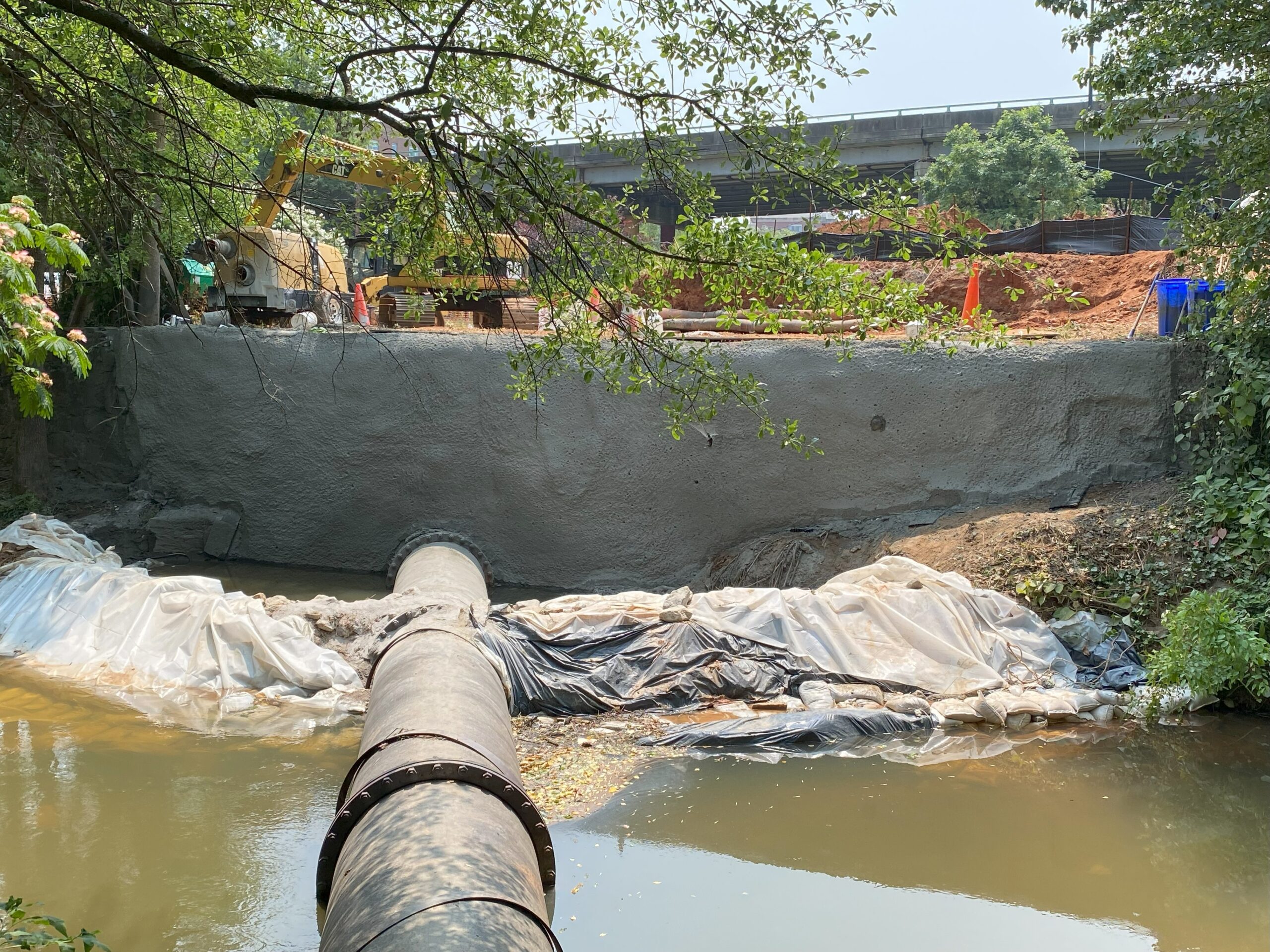
Engineered for Utah's conditions. GSI designs Utah wall repairs around Wasatch Front seismic exposure, using reinforcement systems like soil nailing that are inherently well suited to seismic loading because they're coupled directly to the surrounding ground. This is reinforced by GSI's work in general contractors and commercial properties.
Design/build delivery. A unified team manages design through construction, eliminating the gaps that traditional design-bid-build creates.
UDOT specification compliance. Engineering deliverables and construction methods meet DOT requirements from the project's first submission.
Rapid response when conditions demand it. Beyond planned repair work, GSI's emergency response team is available around the clock for sudden wall movement or failure affecting roadways, commercial sites, and adjacent infrastructure.
GSI's engineers deliver a warrantied, design/build retaining wall solution engineered for Utah's seismic and expansive ground conditions.