Most repairs complete in 1 to 3 weeks depending on the extent of damage and whether underpinning, grouting, or facing work is required.

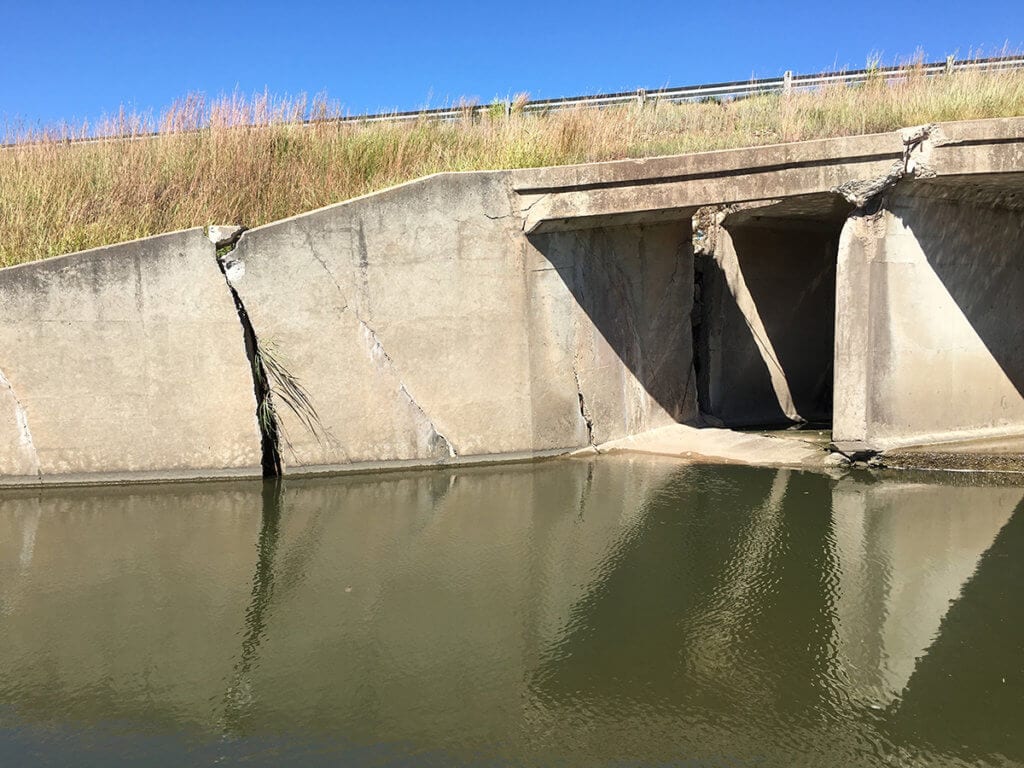
Substructure and culvert repair addresses the below-deck components of a bridge or drainage structure, footings, abutments, wingwalls, bearing seats, and the culvert barrel, once they've begun deteriorating. Depending on the problem, repair might involve micropile underpinning at the footing, grouting to fill surrounding voids, soil nails and shotcrete for headwalls, or slip-lining to restore hydraulic capacity.
In Fort Worth, the most common driver is scour combined with the same seasonal clay movement affecting retaining walls elsewhere in the metro. GSI's Fort Worth substructure and culvert work typically includes:
Most repairs complete in 1 to 3 weeks depending on the extent of damage and whether underpinning, grouting, or facing work is required.
Cost depends on the specific damage, structure size, and repair method, which our engineers confirm after inspection.
Yes. Every repair is designed by a licensed Professional Engineer and meets applicable Texas Building Code and bridge design requirements.
GSI offers 24/7 emergency response and can mobilize a crew within hours if scour or void loss threatens a structure's stability.
We inspect the substructure directly and, where needed, use subsurface investigation to confirm the cause before designing a repair.
In many cases, yes. Slip-lining and invert paving can restore structural strength and hydraulic capacity without full replacement.
It depends on damage extent and repair method; we sequence work to minimize closures where possible.
Yes. Bearing seat repair typically involves removing the existing bearing, cleaning and repairing the seat, and reinstalling or replacing the bearing device.
A bridge substructure or culvert losing support underground often shows no warning sign until it's serious. Call (855) 599-5217 to get a Fort Worth inspection from a licensed engineer.