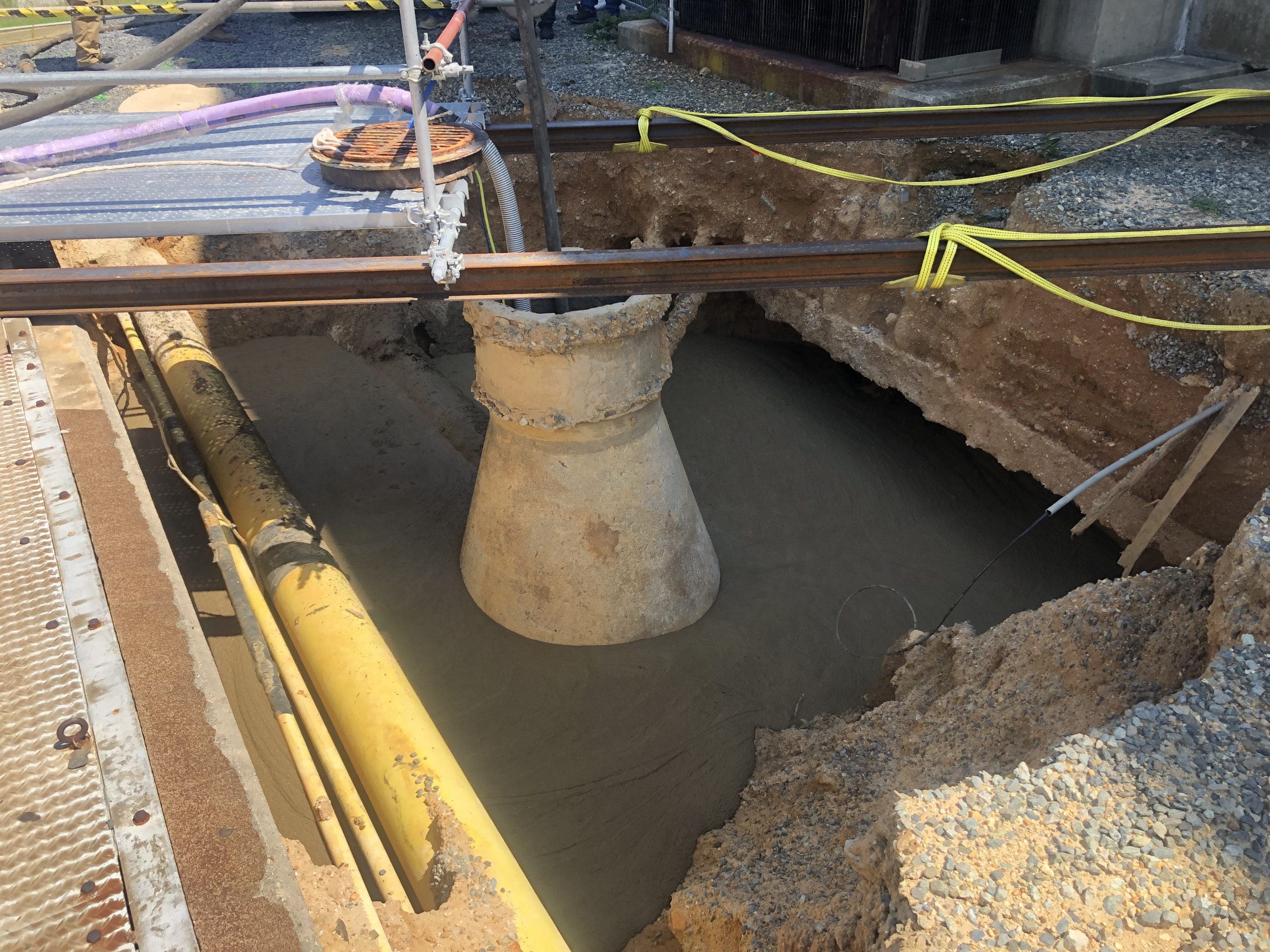
The Nashville Basin—Tennessee's central karst landscape underlain by Ordovician limestone—contains thousands of mapped sinkholes across a region that supports I-24, I-40, I-65, Franklin and Williamson County commercial corridors, and Nashville's expanding metropolitan infrastructure. New sinkholes form when subsurface dissolution voids propagate upward through residual clay overburden until the surface collapses. GeoStabilization International deploys targeted void filling and compaction grouting programs that stabilize the entire void system—not just the surface expression.
Our ground improvement engineers design injection programs using borehole investigation, downhole camera surveys, and ground-penetrating radar to characterize void geometry before a single gallon of grout is pumped.
The Nashville Basin sits atop Ordovician limestone bedrock that dissolves along fractures and bedding planes, creating subsurface voids that propagate upward through 10-40 feet of residual clay overburden. When the overburden can no longer bridge the expanding void, the surface collapses—often suddenly and without warning. I-24, I-40, I-65, and commercial corridors across Franklin, Williamson County, and the expanding Nashville metropolitan area face ongoing sinkhole risk as development increases loading on karst terrain.
GeoStabilization International's sinkhole repair addresses the complete void system—not just the surface hole. Compaction grouting densifies the disturbed overburden column above the void. Targeted void filling injects cementitious grout into the dissolution cavity, re-establishing structural support. For sinkholes adjacent to highway infrastructure, we combine grouting with ground anchor systems that mechanically connect the pavement structure to competent limestone below the void horizon.
Effective sinkhole repair requires understanding the full void system before injecting a single gallon of grout. GeoStabilization International conducts borehole drilling, downhole camera surveys, and ground-penetrating radar investigations that map void geometry, overburden conditions, and active dissolution features. This data drives injection designs that fill voids completely—eliminating the guesswork that leads to incomplete treatment and future re-collapse.
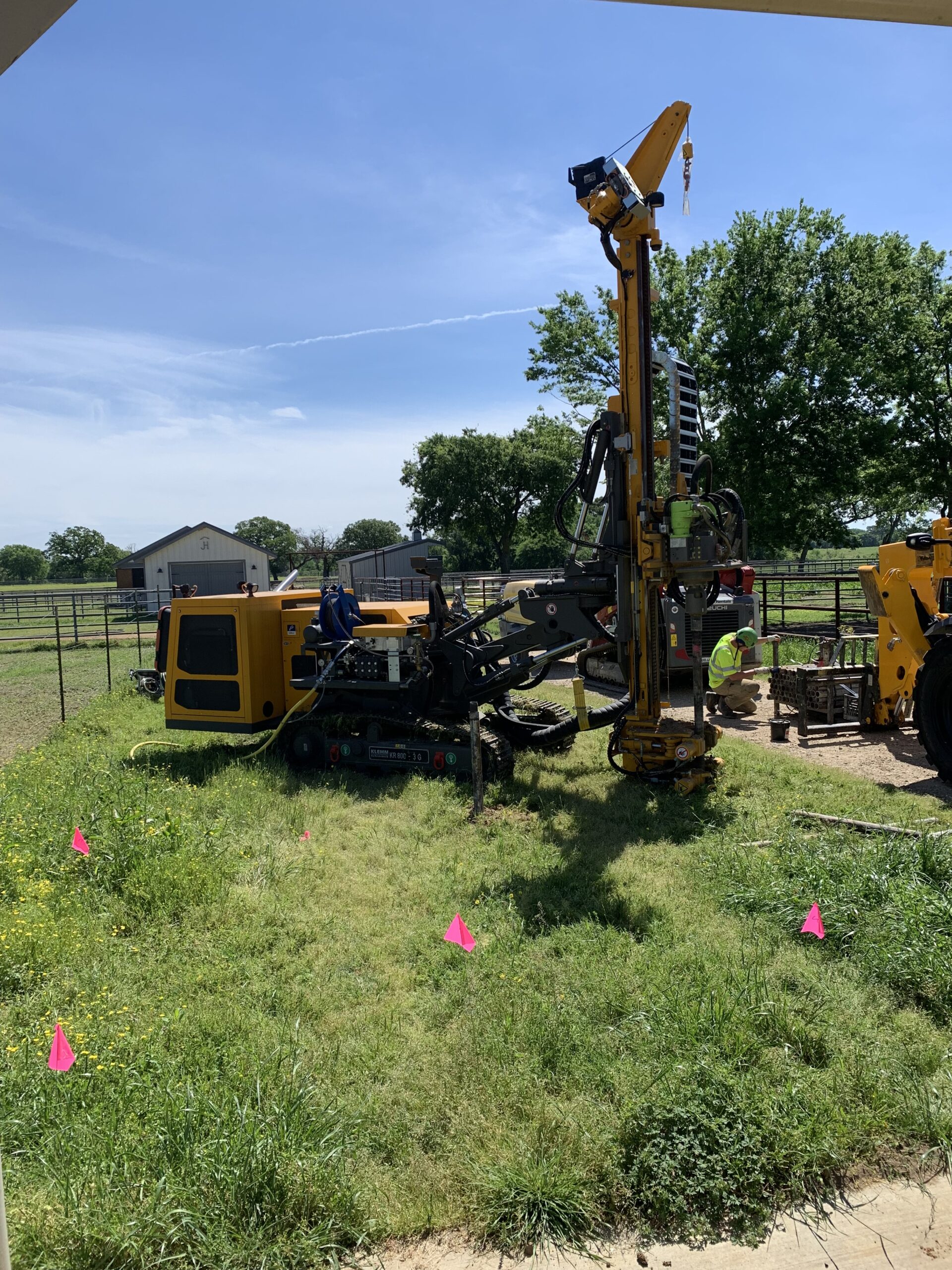
Emergency sinkhole repair after surface collapse costs 3-5x more than proactive void treatment. GeoStabilization International offers subsurface assessment programs for Tennessee infrastructure in sinkhole-prone karst terrain—using ground-penetrating radar, microgravity surveys, and systematic borehole programs to identify developing voids before they reach the surface. Preventive grouting fills voids at a fraction of emergency cost, keeping your Nashville Basin infrastructure intact and your corridors open.
Stop patching surface symptoms. GeoStabilization International's void filling programs address the complete subsurface void system beneath your Nashville Basin infrastructure.