The New Madrid Seismic Zone—centered beneath the Mississippi River valley where Tennessee, Missouri, Arkansas, and Kentucky converge—produced three magnitude 7.5+ earthquakes in 1811-1812 and remains the most seismically active zone east of the Rockies. Memphis metro, West Tennessee lowlands, and the Reelfoot Lake area sit atop alluvial soils highly susceptible to liquefaction during moderate to strong seismic events. GeoStabilization International engineers liquefaction mitigation programs and compaction grouting solutions that transform vulnerable soils into stable bearing surfaces before the next seismic event strikes.
Our in-house geotechnical engineers model site-specific seismic response using USGS probabilistic ground motion data and CPT-based liquefaction triggering analysis—designing treatment programs calibrated to the actual seismic demand your Tennessee infrastructure faces.
The New Madrid Seismic Zone produced three of the most powerful earthquakes in recorded North American history during the winter of 1811-1812—estimated at magnitude 7.5-7.9. The zone remains active, with USGS models projecting a 25-40% probability of a magnitude 6.0+ event within 50 years. Memphis metro, West Tennessee's Mississippi River floodplain, and the Reelfoot Lake area sit atop deep alluvial and loess deposits highly susceptible to liquefaction, lateral spreading, and seismic ground failure during even moderate shaking events.
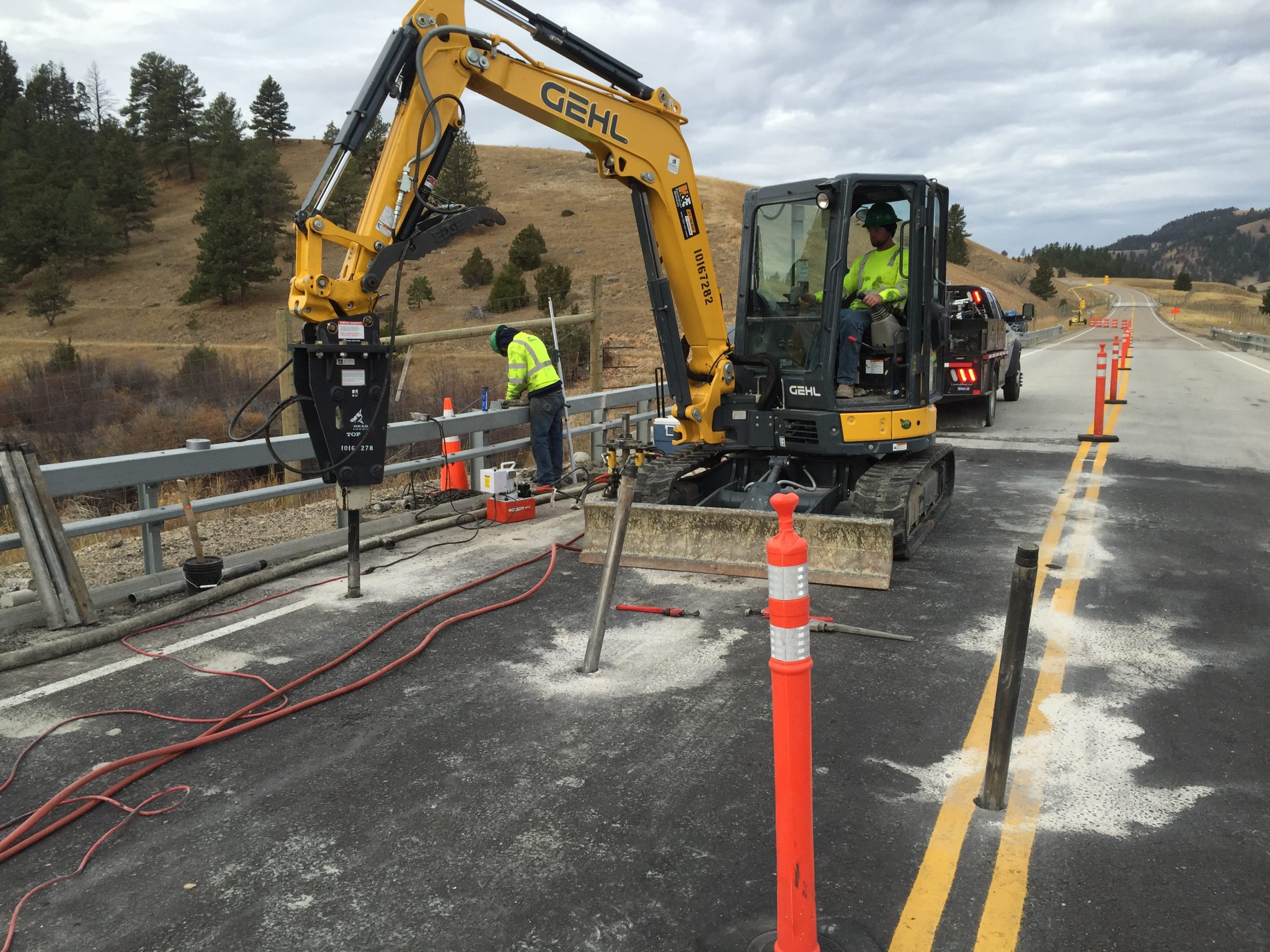
GeoStabilization International engineers compaction grouting programs that densify liquefiable soil layers in place—transforming loose, saturated sands and silts into stable bearing surfaces that resist seismic pore pressure buildup. Stone column installations provide simultaneous drainage and reinforcement. Deep soil mixing chemically stabilizes granular deposits against seismic-induced failure. Each treatment program is designed using site-specific CPT data, shear wave velocity profiling, and probabilistic liquefaction triggering analysis calibrated to New Madrid seismic hazard levels.
Every dollar invested in pre-event seismic ground improvement returns an estimated 4-7 dollars in avoided post-earthquake repair costs. Tennessee's infrastructure owners—TDOT, Memphis metro utilities, industrial facilities, and federal installations—face a clear choice: invest in ground improvement now, or face catastrophic repair costs after the next New Madrid event. GeoStabilization International delivers verified seismic ground improvement under one design/build contract, with post-treatment testing that documents measurable risk reduction.

USGS estimates a 25-40% probability of a magnitude 6.0+ New Madrid earthquake within the next 50 years. Post-event liquefaction repair costs 4-7x more than pre-event ground improvement. GeoStabilization International delivers verified seismic ground stabilization under one design/build contract—with post-treatment testing that documents quantifiable risk reduction. Tennessee's infrastructure owners who invest now avoid the catastrophic costs that will follow the next New Madrid event.
Infrastructure owners who invested in pre-event ground stabilization describe the engineering quality GeoStabilization International delivered.
The next New Madrid event will test Tennessee's ground. GeoStabilization International delivers verified liquefaction mitigation and compaction grouting under one design/build contract. Invest in pre-event protection now.