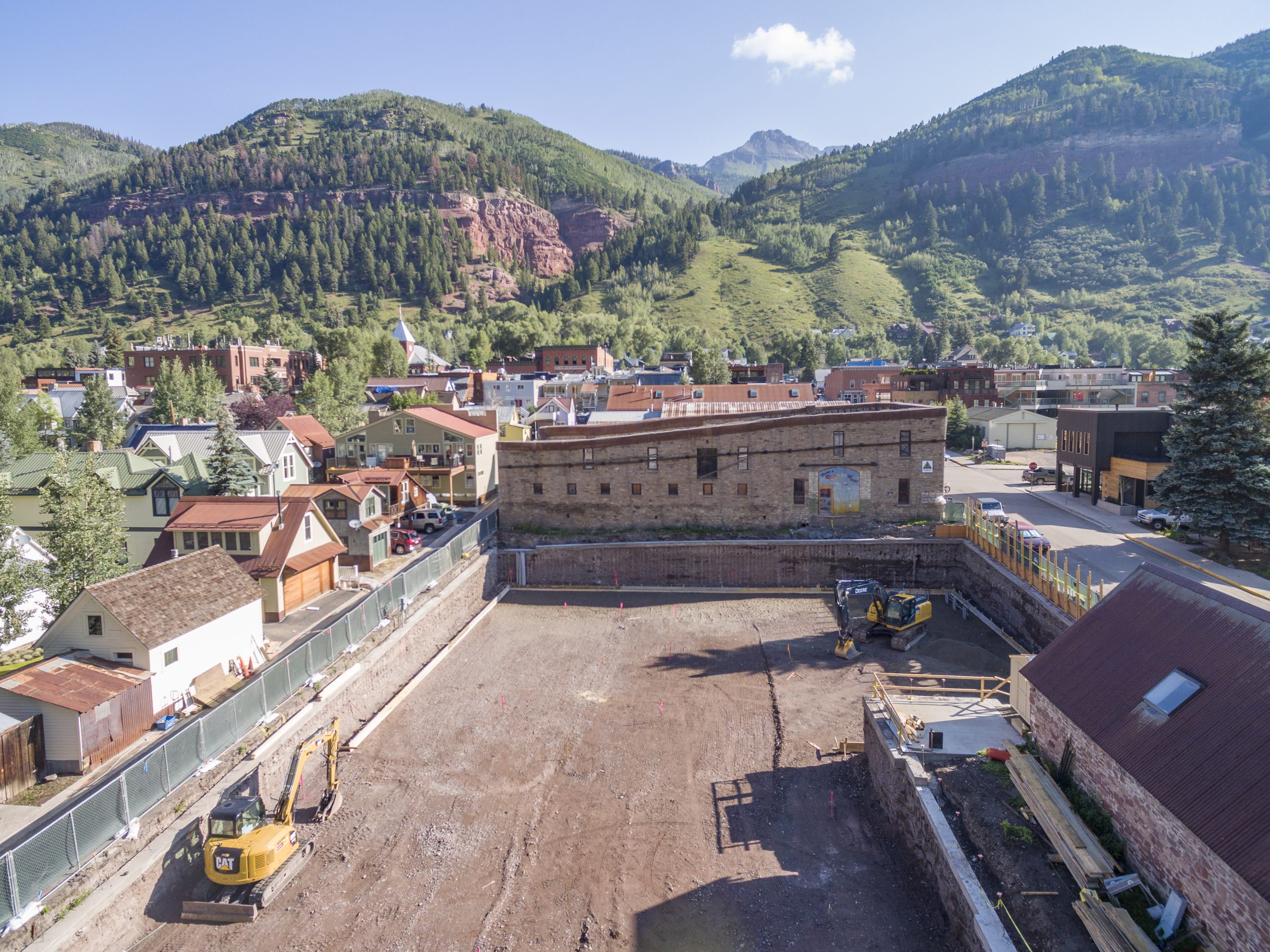
California excavations combine seismic design requirements with the state's diverse soil conditions — from Bay Area soft bay mud to Southern California's variable alluvial fill — and Caltrans and commercial excavation projects statewide require shoring engineered for both lateral earth pressure and seismic performance simultaneously.
GSI's excavation shoring experience shapes how these situations get addressed across the state.
Sheet pile shoring for California's Bay Area sites accounts for soft bay mud's low bearing capacity, a condition requiring different pile penetration depths than firmer Southern California alluvial soils. GSI's earth retention systems capability supports this step.
Soldier pile and lagging systems in California incorporate seismic design parameters as standard practice, not an added consideration, given the state's statewide seismic exposure. This is one application of GSI's broader retaining wall instability solutions expertise.
GSI sequences California shoring installation around both construction schedule and seismic monitoring protocols common on the state's larger urban excavation projects. GSI's engineers experience informs this approach.
This approach is informed by GSI's broader general contractors work across California.
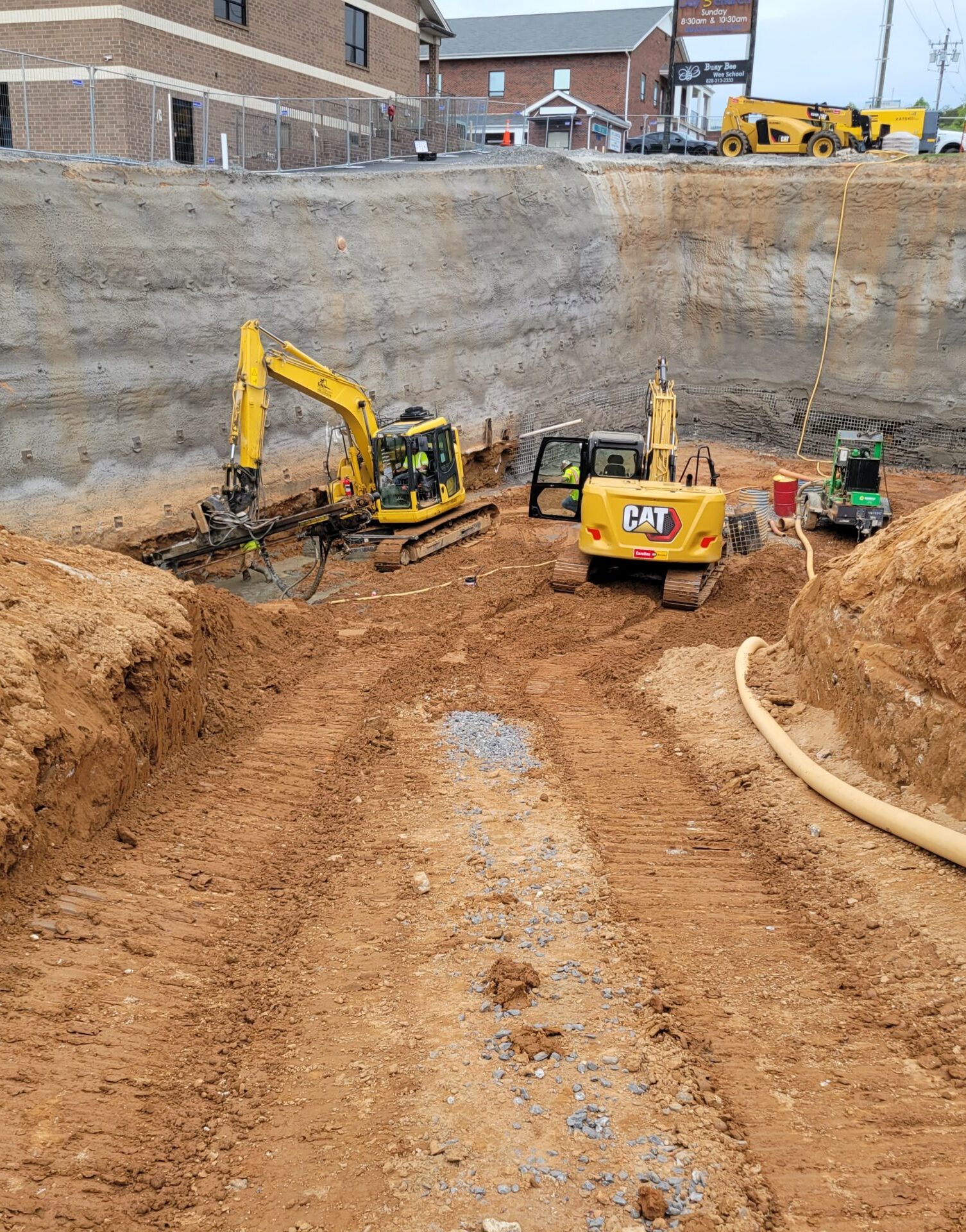
Engineered for California's conditions. GSI's California temporary shoring integrates seismic design as a baseline requirement — not an exception — reflecting the state's universal seismic exposure. It's backed by GSI's broader commercial properties and project managers capability.
Design/build delivery. Engineering and construction remain under one team — removing the handoff delays between design and field work.
Caltrans specification compliance. Documentation and construction methods meet state DOT standards from first submittal.
Caltrans partners and California infrastructure owners describe GSI's temporary shoring results.
GSI's engineers are ready to assess temporary shoring conditions at your California site.