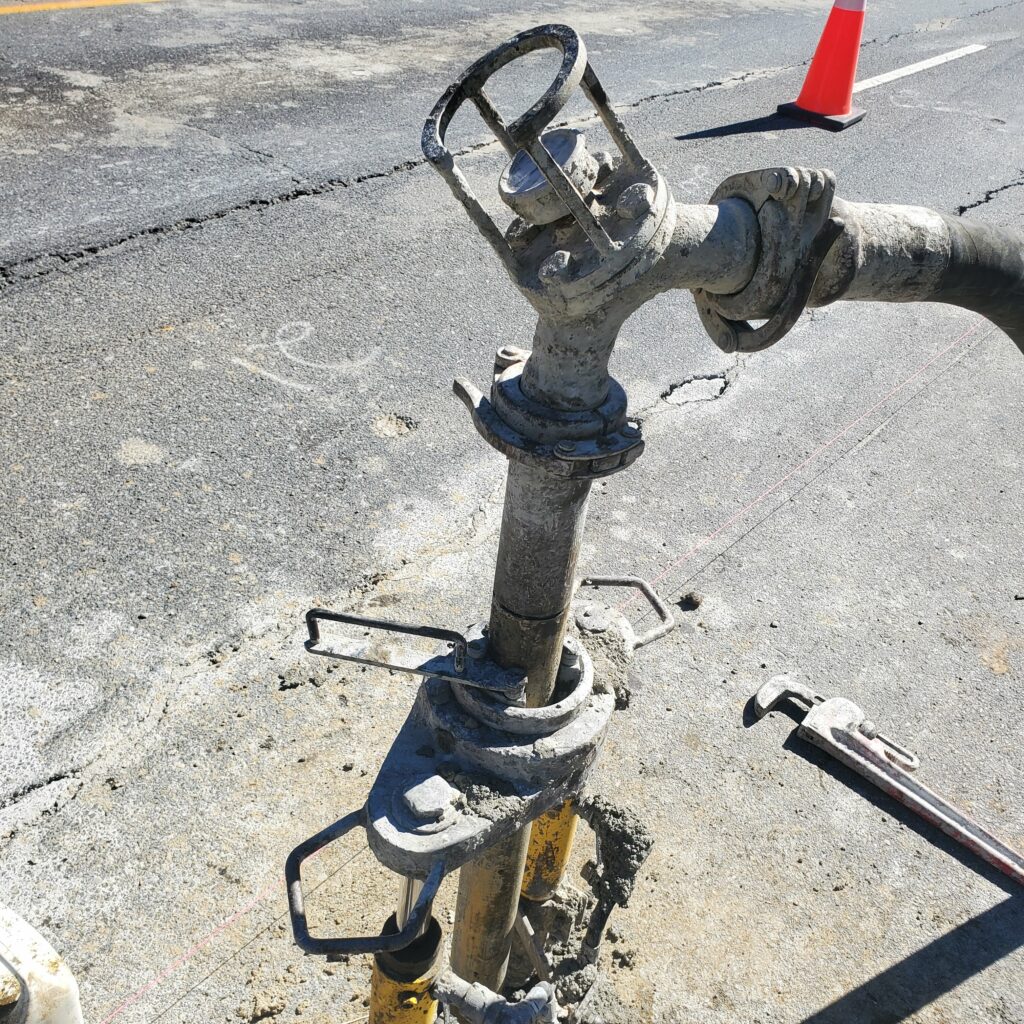
Progressive karst subsidence across Tennessee's Nashville Basin and Highland Rim develops silently—carbonate bedrock dissolving along fractures and bedding planes, enlarging void space that slowly undermines surface infrastructure. Before a visible sinkhole forms, subsidence manifests as cracked pavements, settling bridge abutments, misaligned utility manholes, and distorted building floors. GeoStabilization International engineers permeation and compaction grouting programs that seal active dissolution pathways and fill developing voids before catastrophic surface failure occurs.
With 8,000+ completed geohazard projects—including karst treatment across the eastern United States—our engineers bring field-validated grouting techniques and real performance data to every Tennessee subsidence repair.
Karst subsidence across Tennessee's Nashville Basin and Highland Rim develops over months to years as carbonate bedrock slowly dissolves along fractures and bedding planes. Unlike sudden sinkhole collapse, progressive subsidence creates gradual differential settlement—cracking highway pavements, shifting bridge piers, misaligning utility connections, and distorting building frames before any visible sinkhole appears at the surface. By the time surface damage becomes obvious, subsurface void development may have progressed far beyond the visible footprint.
GeoStabilization International engineers a two-stage grouting approach for Tennessee karst subsidence. Permeation grouting first—injecting low-viscosity cementitious or chemical grout into dissolution-enlarged fractures to seal the pathways allowing soil migration and progressive void enlargement. Compaction grouting second—injecting stiffer grout to displace and densify the overburden soils that have loosened above the karst features. This dual treatment both stops the dissolution process and restores bearing capacity across the affected zone.
The Highland Rim karst plain and Nashville metropolitan area represent Tennessee's highest-priority karst subsidence zones—combining active dissolution geology with expanding infrastructure development. GeoStabilization International's 8,000+ completed projects include karst treatment across the eastern United States, giving our engineers a performance database no other grouting contractor can match. Every Tennessee karst design is informed by real injection data from comparable geologic settings.
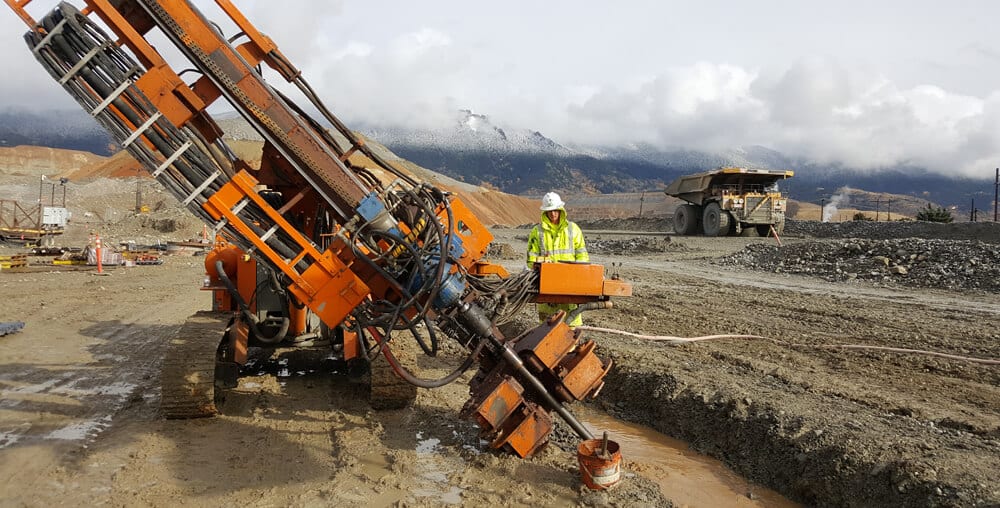
Traditional karst subsidence repair splits work across geotechnical consultants, drilling subcontractors, and grouting specialists—each pointing fingers when results fall short. GeoStabilization International owns the entire scope: our engineers design the grouting program, our specialized crews execute it, and our warranty backs the verified result. One contract eliminates the coordination failures that plague multi-contractor karst treatment. 8,000+ completed projects of performance data ensures your Tennessee subsidence repair is designed right the first time.
Progressive subsidence only gets worse. GeoStabilization International's dual-stage grouting seals dissolution pathways and restores bearing capacity before surface failure occurs.