Steep Slope Stability Issues

Steep Slope Stability

Steep slope stability problems occur when soil or mixed soil–rock slopes can no longer maintain equilibrium under gravity, water pressure, or external loading. These conditions often develop gradually, showing early warning signs before accelerating into partial or full slope failure.

Steep slope instability is common along roadways, access roads, and developed areas where slopes are steepened by construction, constrained by limited right-of-way, or subjected to repeated wetting, erosion, and loading. Left unaddressed, these slopes can threaten infrastructure, restrict access, and require emergency stabilization.

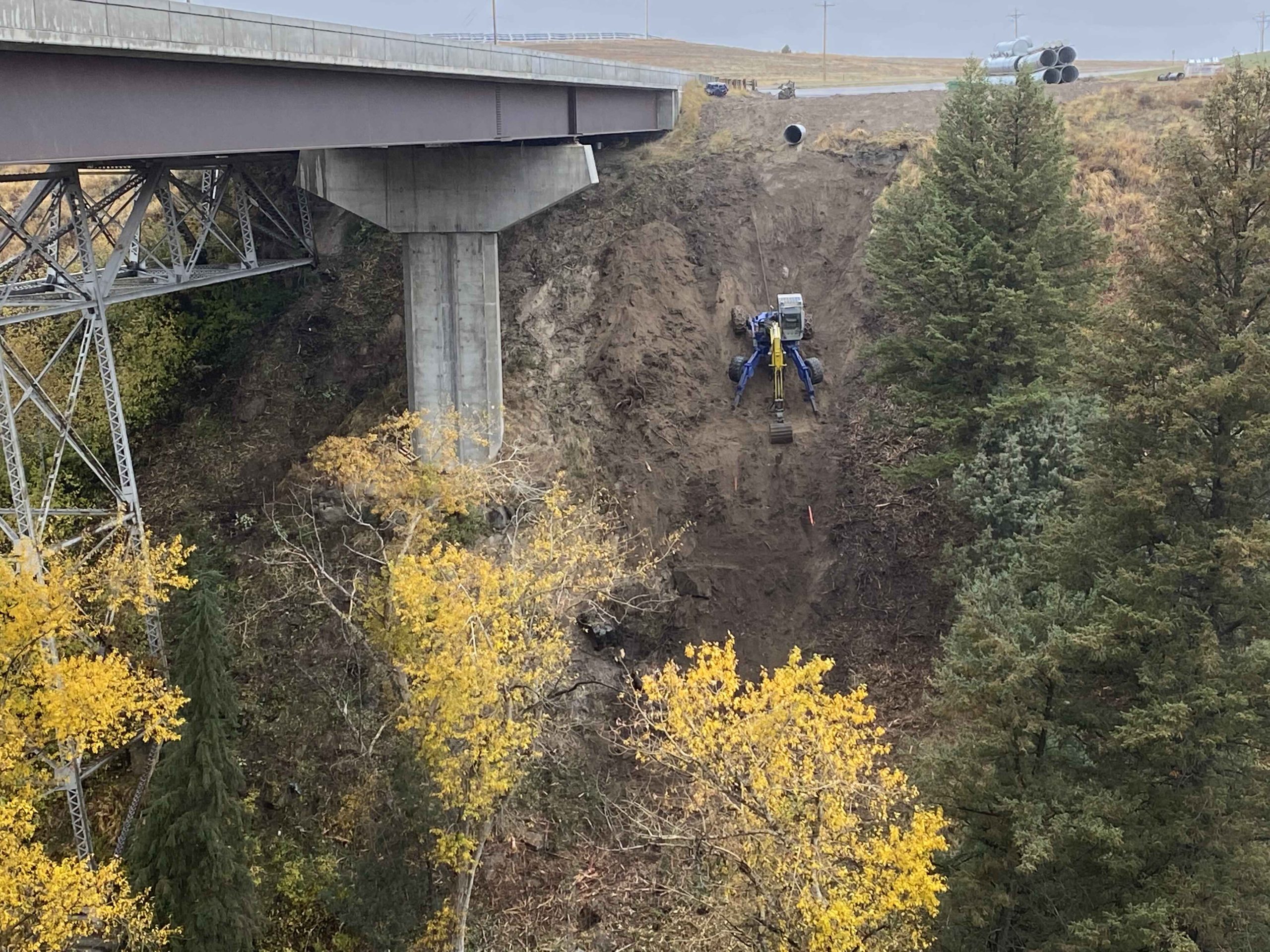
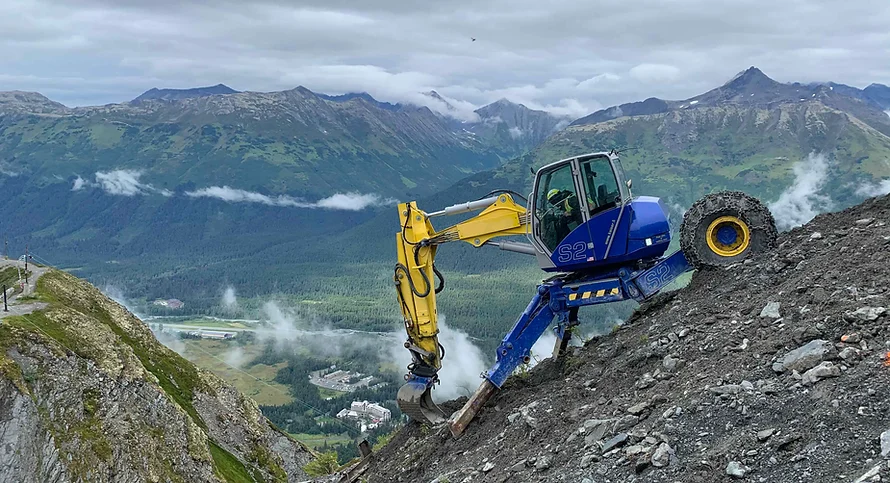
GeoStabilization International has stabilized steep slopes across North America in some of the most access-restricted environments, where conventional earthwork solutions are not feasible.

Contact Us

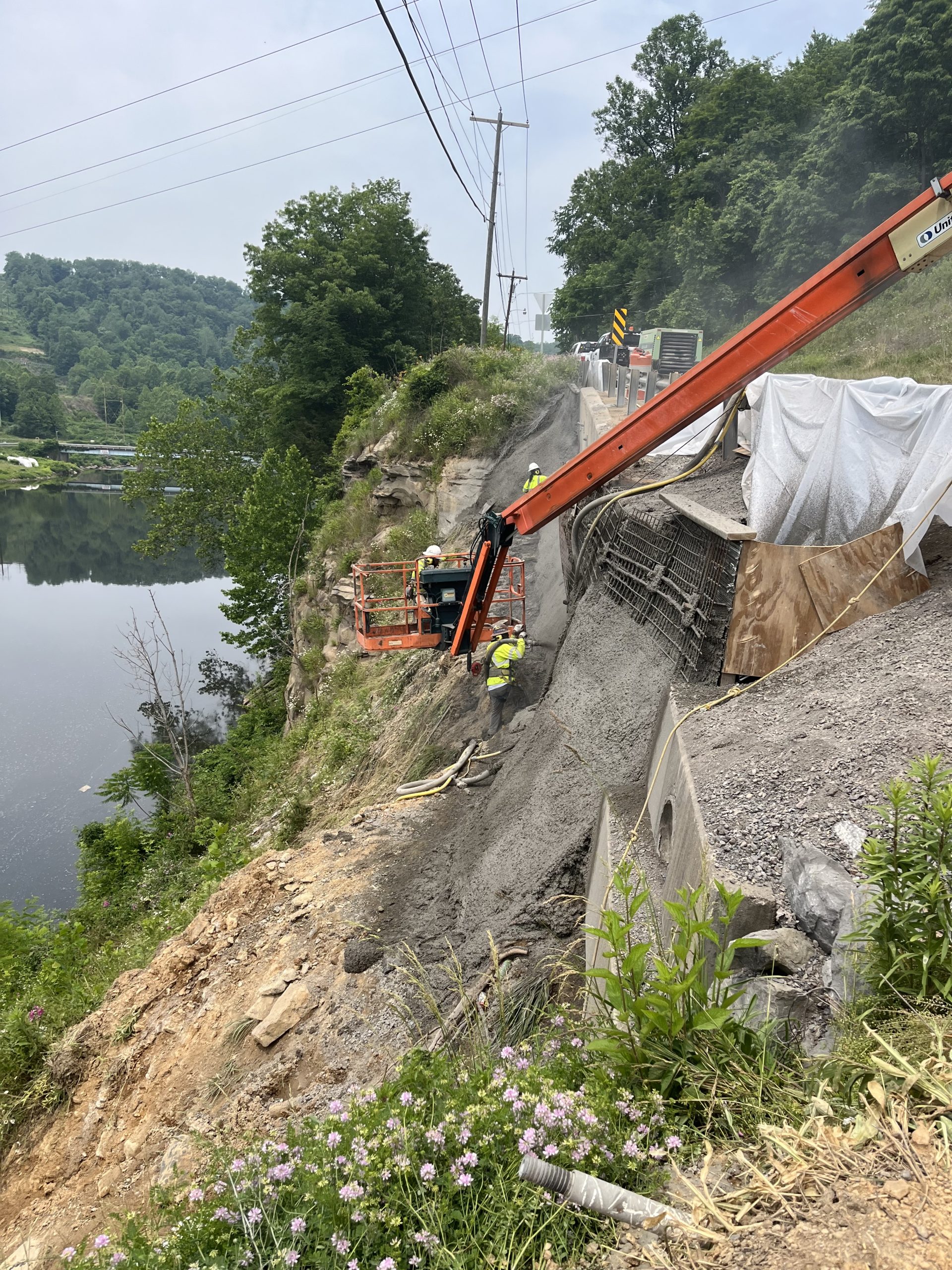
Spider Excavator on Steep Slope Under Bridge

How Steep Slope Stability Problems Develop

Steep slope instability typically develops when resisting forces within the slope are reduced or driving forces increase.

Common contributing factors include:

  • Over-steepened slopes created during construction or widening

  • Poorly compacted or variable fill materials

  • Water infiltration and poor drainage increasing pore pressure

  • Surface erosion removing supporting material

  • Vegetation loss reducing reinforcement and moisture control

  • Increased loading near the slope crest from traffic or development

Unlike rockfall, steep slope stability issues often involve mass movement of soil or mixed materials, rather than individual falling blocks.

Spider excavator drilling into a steep rocky slope.

Warning Signs of Steep Slope Instability

Steep slope instability often provides visible indicators before failure occurs, including:

  • Cracks forming near the slope crest 
  • Bulging or sloughing along the slope face 
  • Localized settlement or depressions 
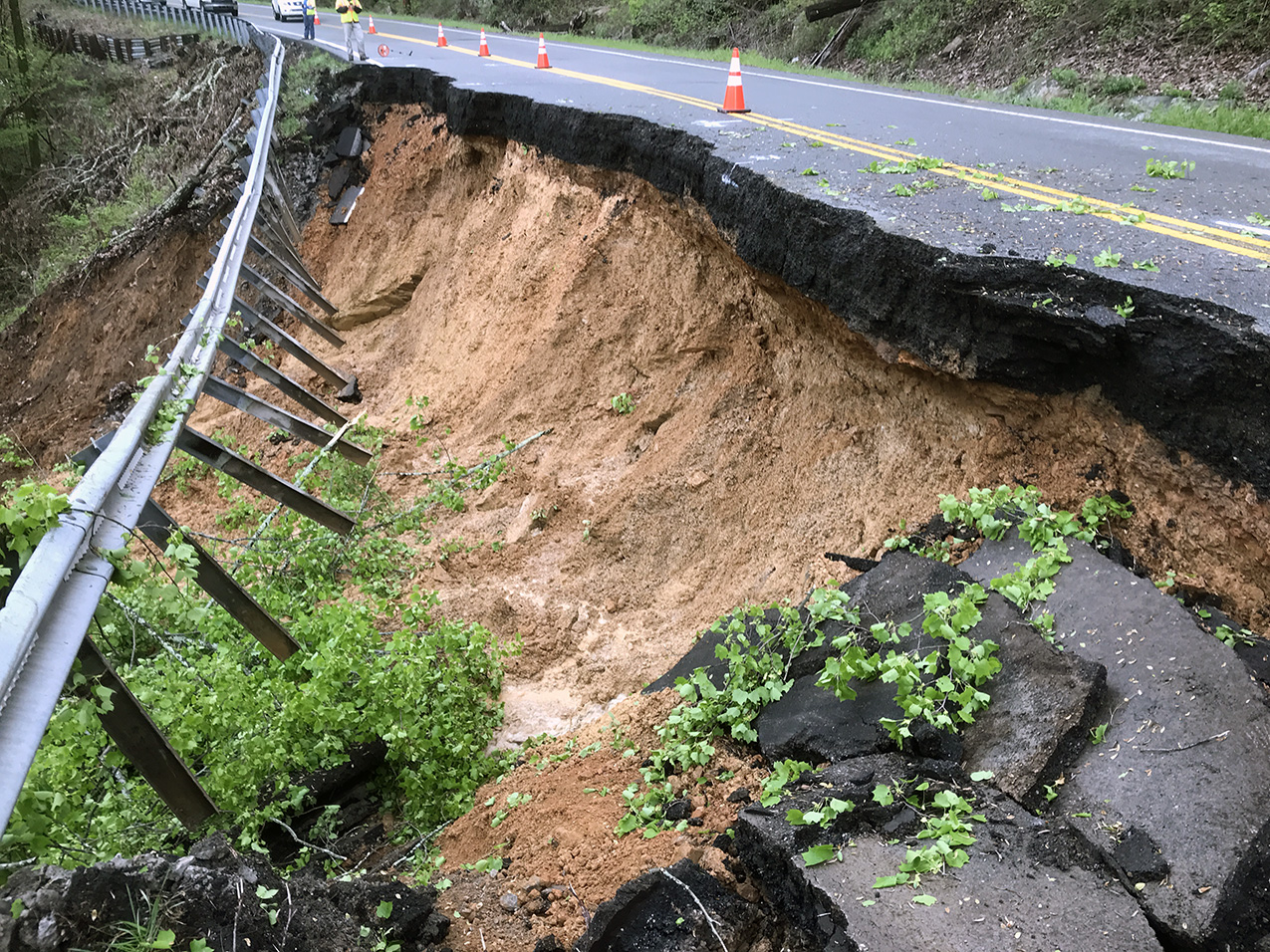
  • Leaning trees, poles, or guardrail 
  • New wet areas, seepage, or soft ground 

These signs indicate that slope movement is occurring and may accelerate without intervention.

Evaluate Steep Slope Stability

Request a Steep Slope Assessment

Cracks or Movement Observed?

Speak With a Stabilization Expert
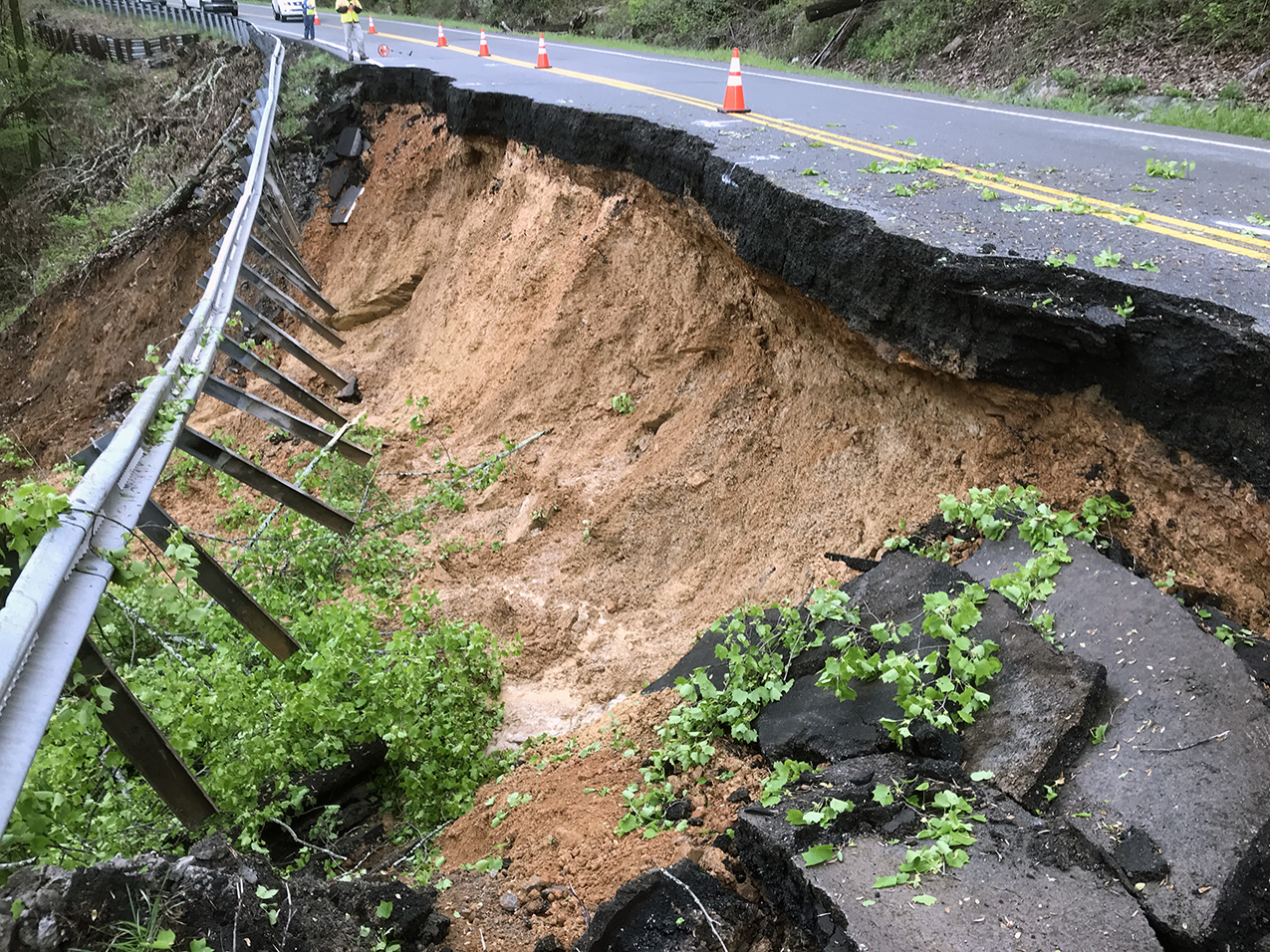
Collapsed roadway with guardrail damaged by a landslide exposing soil beneath.

Who Is Most Impacted by Steep Slope Stability Issues

Steep slope instability presents challenges for a wide range of owners and operators, particularly those managing infrastructure in constrained or mountainous terrain, including:

  • Transportation agencies responsible for roadway corridors 
  • Public agencies and municipalities managing hillside development 
  • Utility owners maintaining access roads and hillside infrastructure 
  • Industrial and commercial facilities located adjacent to steep slopes 
  • Private property owners and developers in sloped terrain 

For these stakeholders, steep slope instability affects safety, access, and long-term asset reliability.
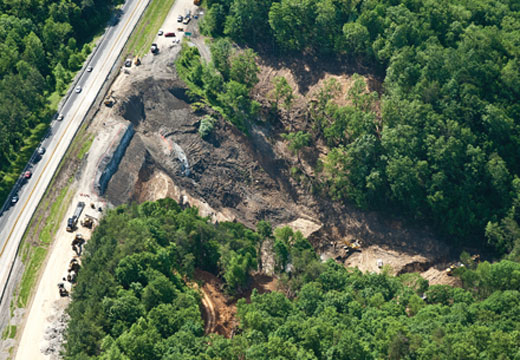
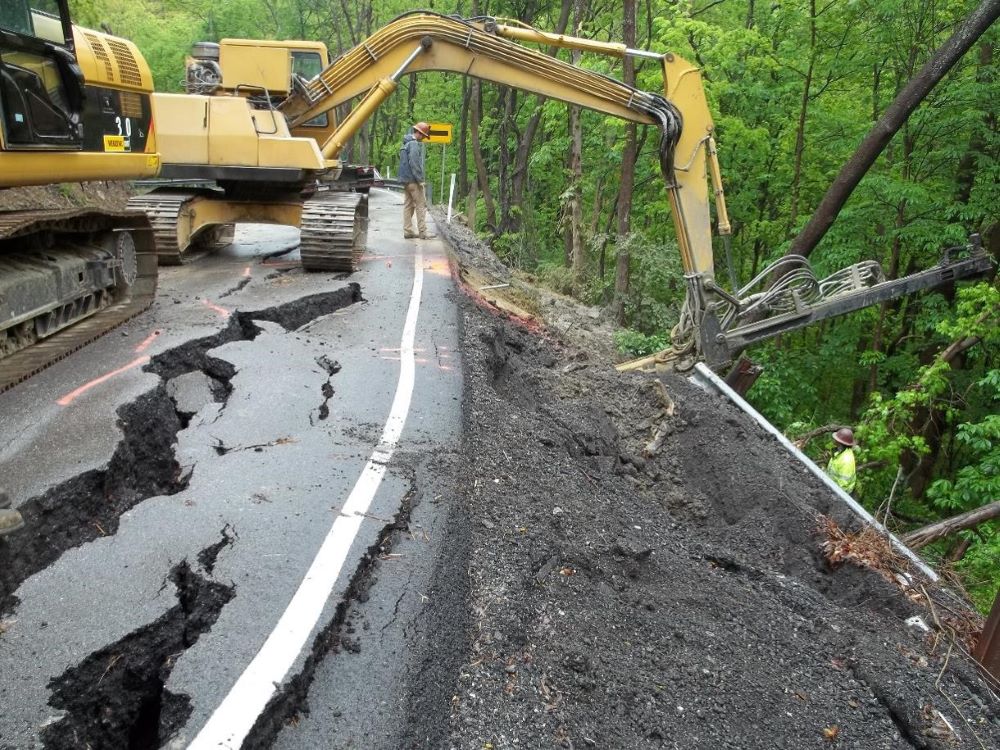
I-75-landslide

Why Steep Slope Stability Problems Escalate

Steep slope stability issues rarely remain static. Once movement becomes established, the likelihood of more extensive failure increases significantly.

Risk often increases due to:

  • Progressive saturation during wet seasons 
  • Continued erosion and loss of toe support 
  • Cyclic loading from traffic or nearby activity 
  • Temporary surface repairs that do not address underlying movement 
  • Limited access that delays permanent stabilization

Consequences of Not Addressing Steep Slope Instability

Planned stabilization allows for controlled construction and predictable outcomes, rather than reactive response after failure. When steep slope stability problems are not addressed proactively, consequences can include:

Lane restrictions or loss of access

Emergency stabilization under unsafe conditions

Damage to adjacent infrastructure or property

Increased maintenance and repair costs

Elevated safety and liability exposure

Frequently Asked Questions

No. Many steep slope failures develop gradually, with movement accelerating over time, especially during wet seasons.

Yes. Poor drainage and elevated pore pressure are among the most common contributors to slope instability.

Often, yes. Many stabilization methods are designed for limited access and avoid large-scale earthwork.

It can be either, depending on project needs. Many solutions are designed for long-term performance.

In many cases, yes. Phased construction and specialized access methods are commonly used.

Related Solutions

Steep slope stability issues are typically addressed through engineered reinforcement and drainage systems selected based on slope geometry, soil conditions, and access constraints. Common solution categories include:

How GSI Helps

No two sites are identical, and the same issue can require an immediate response, a maintenance plan, or a permanent stabilization strategy. GSI helps owners take the right next step with solutions built for safety, constructability, and long-term performance.

Emergency Response

When conditions are urgent, GSI mobilizes quickly to stabilize hazards, reduce immediate risk, and help restore safe access. Our teams deliver field-ready solutions that support critical infrastructure and prevent conditions from worsening.

Ongoing Maintenance

Some problems require recurring attention to keep corridors, slopes, and assets performing safely over time. GSI provides proactive maintenance and targeted repairs that extend service life, reduce repeat failures, and improve reliability.

Planned Stabilization

When it’s time for a permanent solution, GSI designs and builds stabilization systems tailored to site constraints and performance goals. Our teams deliver long-term improvements that strengthen durability, safety, and asset protection.

Client Reviews

Landslide Repair for Homeowner in Colorado

I would like this to be a letter of appreciation and gratitude on a job well done. Our house was first threatened by a landslide back in June, 2017 and it has been a journey that has been both stressful and scary. And yet, every cloud has a silver lining and in this case the support, encouragement and character of everyone we met from GSI has indeed been a gift throughout this journey.

GSI was recommended by Steve Pawlak and we met Nathan Thompson early on. Nathan is a person who inspires trust and our first impression was verified throughout the process that led to a retaining system that has saved our house. As with everyone, and I mean everyone we met, we felt we had a group of people who were on our side.

There were challenges that were overcome; the patience needed along with several visits to get the project underway, a renegotiated plan and bid when the insurance settlement squeezed the payment amount, and a time crunch that led to a change in plans where the panels were poured on the hillside, that allowed for the project to be started as quickly as possible.

The crew that showed up to do the work was respectful, always ready to explain what was happening and was also timely, hard working and ready to go the extra mile. A great group of people with positive attitudes who seemed to genuinely work well together.

Watching Spike work on that excavator was awe inspiring. One of my favorite moments was filming him on my phone to show my office secretaries at the Elementary School. I recorded a "holy shit" without knowing it when he pulled off an amazing stunt coming off a ledge and then being horrified when that came out while I was sharing the video at school. I was able to laugh later.

Thank you again and if I can ever serve as a reference, please let me know.

Emergency Landslide Repair in Wyoming

In 2017, another well above normal snowpack winter and heavy spring rains resulted in 23 new landslides, which damaged or threatened WYDOT roads. WYDOT turned to GSI to help respond to these emergency situations. GSI was able to respond very quickly and in most cases had personnel on site to assess the site within 24 hours. They would provide a proposal for remediation with a preliminary design and estimated costs within 48 hours in most cases. During 2017, GSI was selected to perform remediation with contracts at six separate sites. In all cases, they were prepared to mobilize to the sites and begin work within a week of being given notice to proceed.

A unique element of these emergency contracts was a partnership, between WYDOT and GSI, by which WYDOT provided some logistical support such as traffic control and providing water for drilling operations so that GSI could focus its efforts on performing the specialty work. This arrangement resulted in cost effective, efficient, successful projects. When responding to emergency landslide repair, time truly is money, the sooner a landslide can be remediated before it has a chance to grow, the less expensive it is to repair. In the past, WYDOT has experienced situations in which, landslides could possibly have been remediated quicker, experienced further failure during drawn out conventional design and contracting methods resulting in higher costs due to the additional failure. GSI uses various types of innovative geo-technology in their landslide remediation projects….

All of these projects were completed on schedule, even with cold weather conditions and snow storms ….

All of the stabilization projects that GSI completed for WYDOT included a warranty to repair any of the remediation that would happen to fail, but to date none of the work that they have performed has required any repair. I would highly recommend GeoStabilization International to perform emergency landslide and slope remediation work. They have the resources, personnel, and expertise to respond to your emergency in a timely, professional manner.

Slope Stabilization and Drilling for Project in Tennessee

Wanted to let you know how great GSI has been to work with out here at [our site]. We have had difficult drilling conditions since day 1 and they have worked tirelessly through bad soil and bad weather to make sure our project is a success. We have really appreciated them going the extra mile for us out here…

GET IN TOUCH

Contact Us Today

Steep slope instability rarely improves on its own. Early evaluation allows for engineered stabilization before movement accelerates, reducing risk, improving safety, and avoiding emergency response under hazardous conditions.

Take action early. Request a Slope Stability Evaluation.

855.579.0536

    How Can We Help?

    • Personal Info
    • Contact Info
    • Project Info
    ***Fees May Apply For Residential Site Visits***

    How Can We Help?

    • Personal Info
    • Contact Info
    • Project Info

    How Can We Help?

    • Personal Info
    • Contact Info
    • Project Info

    By using this website, you acknowledge and agree to our Privacy Policy. This site is protected by reCAPTCHA, and the Google Privacy Policy and Terms of Service apply.