Rockfall Hazards

Rockfall Hazards

Rockfall hazards represent one of the most immediate and unpredictable geohazard risks facing transportation corridors, utilities, and facilities located below steep or exposed rock slopes. Unlike slow-moving slope failures, rockfall events can occur suddenly, often without visible warning, and can range from frequent small “nuisance” rockfall to large, high-energy impacts capable of causing serious damage or injury.

Rockfall hazards are especially common along highways, rail corridors, mountain passes, and developed areas where cut slopes or natural rock faces exist above critical infrastructure. Even relatively small rockfall events can trigger lane closures, derailments, emergency response, and increased liability exposure.

Contact Us

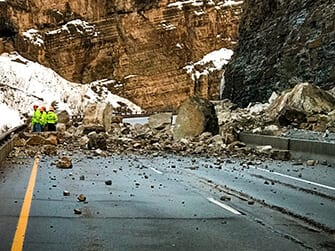
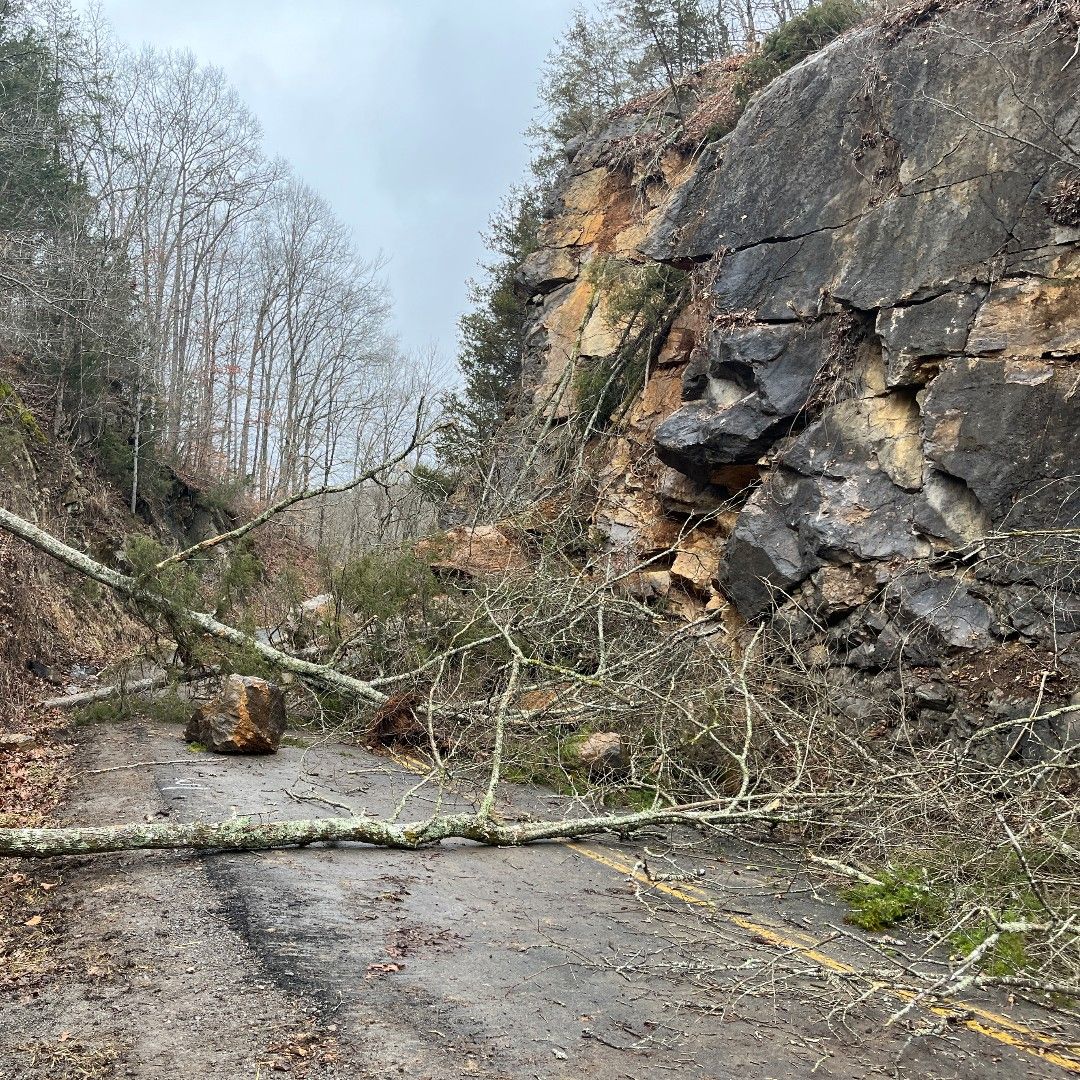
Excavator clearing large boulders from a rockfall along a mountain road.
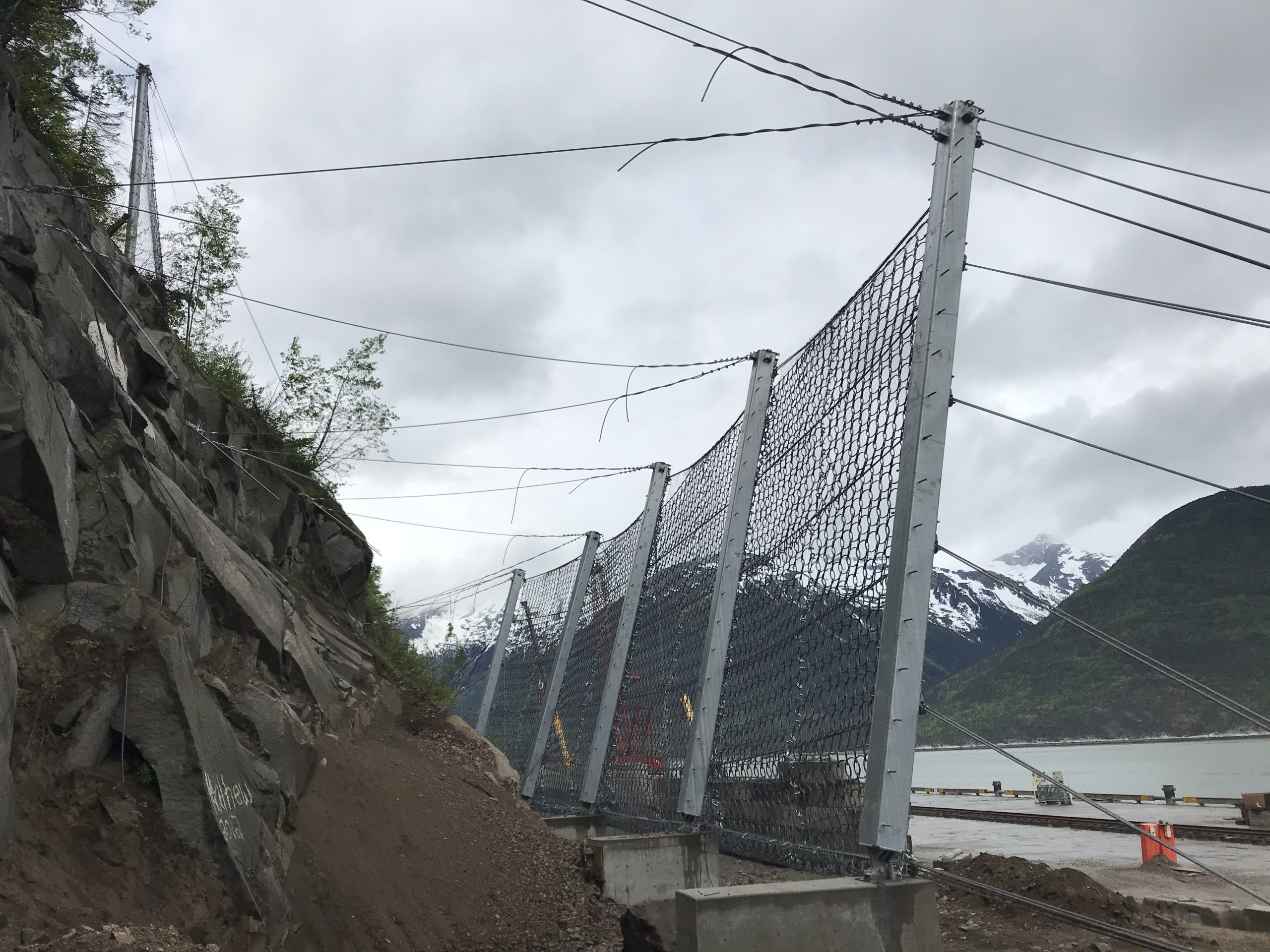
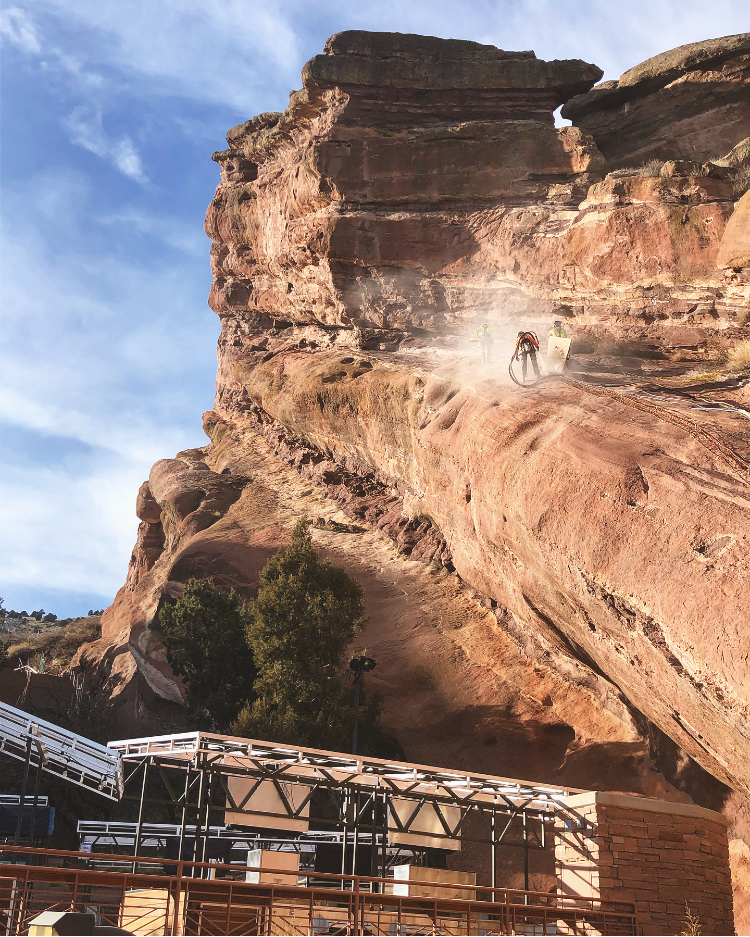
Steep red rock cliff with protective mesh installation above a concert stage structure.

How Rockfall Hazards Develop

Rockfall hazards typically develop over time as natural and environmental processes weaken the stability of exposed rock. Common contributing factors include:

  • Weathering and freeze–thaw cycles that gradually widen fractures and joints
  • Surface erosion that undercuts rock blocks and reduces support
  • Loss of vegetation that once provided natural restraint
  • Vibration from traffic, rail operations, or nearby construction
  • Previous rockfall events that destabilize adjacent rock mass

As these processes progress, isolated rockfall often becomes more frequent and widespread, turning a manageable condition into an ongoing safety and maintenance issue.
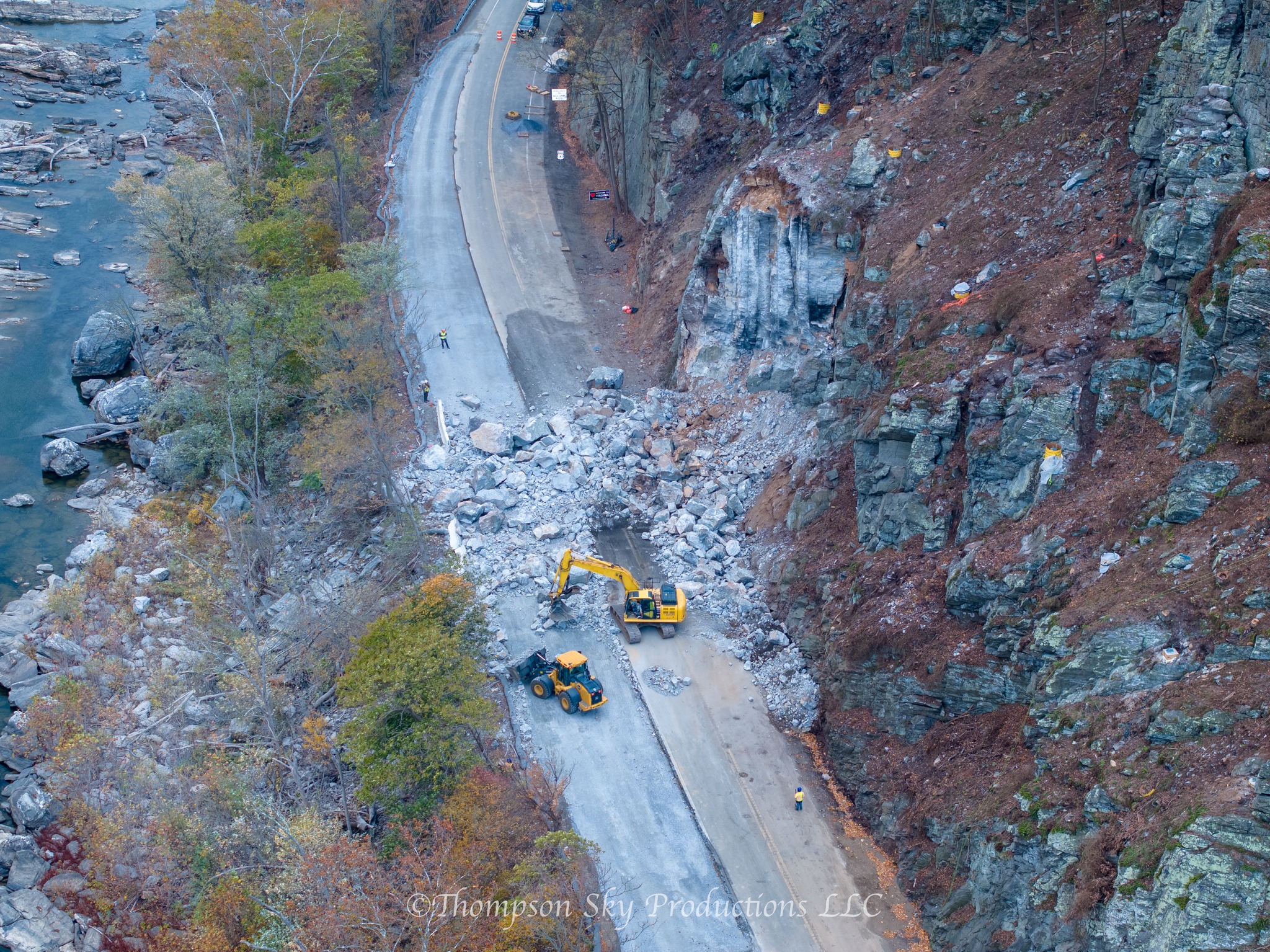
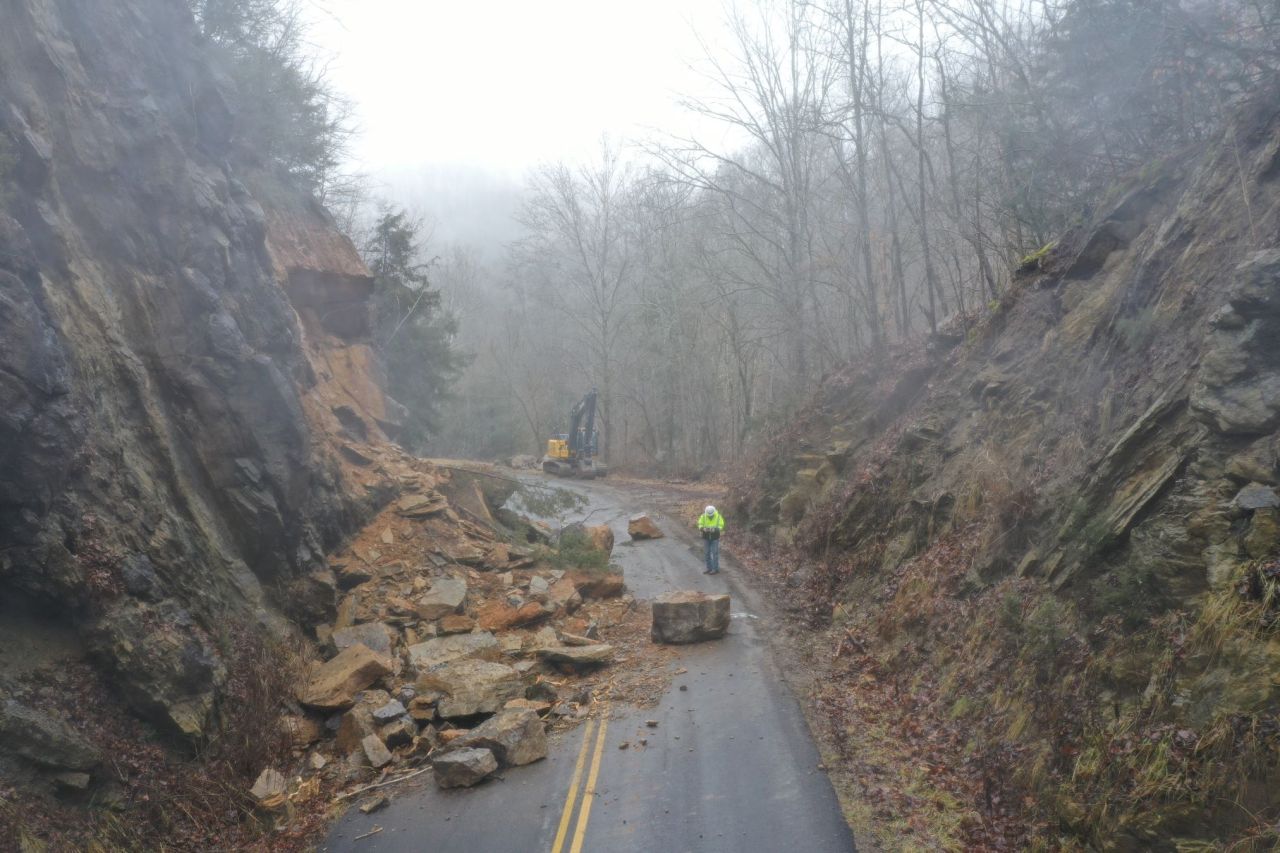
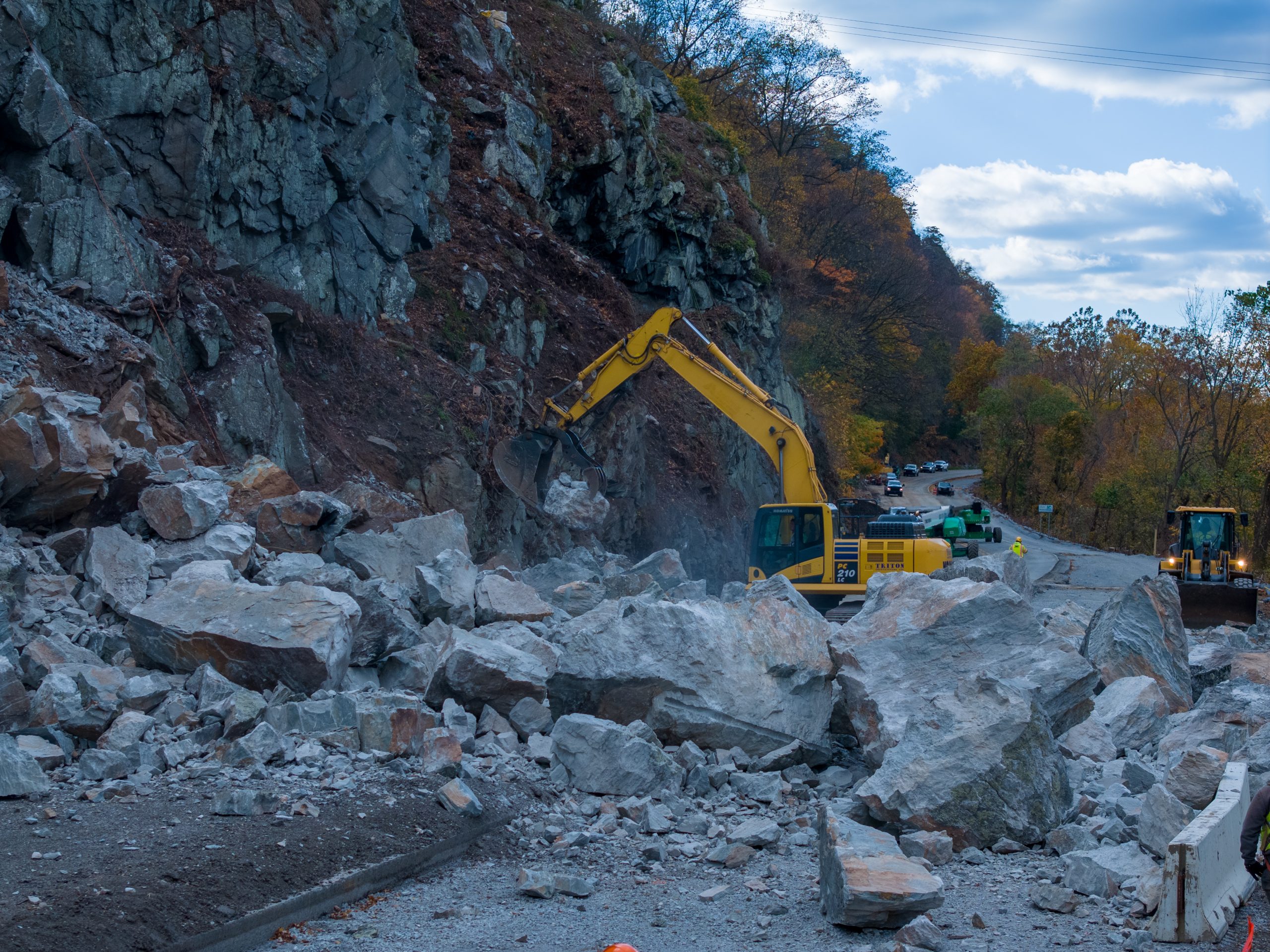
Aerial view of excavators clearing large boulders from a rockfall that blocked a road.

Warning Signs of an Active Rockfall Hazard

Rockfall hazards often provide warning signs before a major event occurs. Common indicators include:

  • Rock debris accumulating repeatedly at the base of slopes or in ditches 
  • Impact damage to pavement, rail, guardrail, drainage features, or structures 
  • Temporary closures following storms, freeze–thaw cycles, or seismic activity 
  • Visible cracks, overhangs, or loosened blocks on exposed rock faces 
  • Maintenance crews responding to the same locations multiple times 

These conditions typically indicate that rockfall risk is increasing—not stabilizing.

Why Rockfall Risk Escalates Over Time

Rockfall hazards rarely remain static. Without mitigation, risk tends to escalate due to:

Progressive joint opening and material degradation

Seasonal weather patterns that accelerate detachment

Inadequate or overwhelmed catchment areas

Deferred maintenance or temporary cleanup-only responses

Increasing consequences as infrastructure usage and exposure grow

Evaluate a Rockfall Hazard

Request a Rockfall Risk Assessment

Rockfall Already Occurring?

Emergency Rockfall Response

Consequences of Not Addressing Rockfall Hazards

Failing to address rockfall hazards proactively can result in:

  • Increased frequency of unplanned closures
  • Higher emergency response and cleanup costs
  • Elevated public safety and worker safety risk
  • Greater liability and asset management exposure
  • Reduced reliability of critical transportation and utility corridors

Proactive mitigation is almost always safer, more predictable, and more cost-effective than reactive response after a damaging event.

Frequently Asked Questions

Rockfall is caused by natural weathering, freeze–thaw cycles, erosion, jointing in rock masses, vibration, and loss of natural restraint such as vegetation.

While the exact timing of individual rockfall events is difficult to predict, high-risk areas and failure mechanisms can be identified and mitigated proactively.

Yes. Repeated small rockfall often indicates progressive instability and increasing risk of larger events.

Significantly. Storms, freeze–thaw cycles, and wildfire all accelerate rock deterioration and detachment risk.

In many cases, yes. Phased construction, off-corridor access, and rope-access installation can limit disruptions.

Related Solutions

Rockfall hazards can be addressed using a range of engineered mitigation approaches, depending on site conditions, access constraints, and risk tolerance. Commonly applied solutions include:

Why Early Action Matters

Rockfall hazards are not self-correcting. Once rock begins to detach, conditions typically worsen unless addressed. Early evaluation allows for controlled mitigation, improved safety, and reduced long-term cost, before an incident forces emergency response.

How GSI Helps

No two sites are identical, and the same issue can require an immediate response, a maintenance plan, or a permanent stabilization strategy. GSI helps owners take the right next step with solutions built for safety, constructability, and long-term performance.

Emergency Response

When conditions are urgent, GSI mobilizes quickly to stabilize hazards, reduce immediate risk, and help restore safe access. Our teams deliver field-ready solutions that support critical infrastructure and prevent conditions from worsening.

Ongoing Maintenance

Some problems require recurring attention to keep corridors, slopes, and assets performing safely over time. GSI provides proactive maintenance and targeted repairs that extend service life, reduce repeat failures, and improve reliability.

Planned Stabilization

When it’s time for a permanent solution, GSI designs and builds stabilization systems tailored to site constraints and performance goals. Our teams deliver long-term improvements that strengthen durability, safety, and asset protection.

Client Reviews

Rockfall Mitigation and Removal in Wyoming

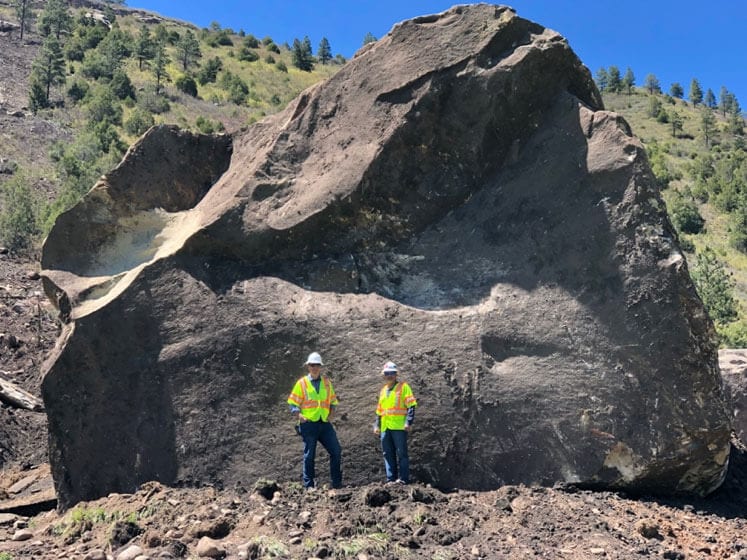
Richard, I wanted to take a quick minute and thank you and Courtney and the awesome crew that you sent here to take care of our huge rock. Courtney, John, and Andrew are some of the hardest working people I have had the privilege to be around. Their attention to safety professionalism, and never quit attitude was amazing to watch. Even when things did not go our way they were committed to finishing the job. I appreciate you sending these great guys to help us out and look forward to the opportunity to work with you again in the future.

Emergency Rockfall Mitigation for Mining Operations

I recently interacted with some of your rockfall division guys. I have never seen an outfit as competent on safety measures nor any contractors who worked as hard as your guys do. During the work, I was in a room with your guys and some other contractors, and your guys were head and shoulders above the rest in all aspects.

Rockfall Mitigation Support for Mining Operations

As told by GSI Rockfall Division Director: “I am at the [mine] now and the truck with the equipment from the warehouse just arrived. Environmental issues are extremely important in the mine so any equipment arriving on site has to be pressure washed and cleaned. Although they ask this of every contractor that arrives on site, they always seem to have to do a secondary washing here with their own people (just the way it always seems to turn out). Our people at the warehouse did such an awesome job of cleaning and taking the client’s concern to heart that they do not have to do a secondary cleaning and complimented us for such a great job.

GET IN TOUCH

Contact Us Today

Rockfall hazard conditions can change quickly, and early evaluation helps reduce risk before closures or damage occur. GeoStabilization International can assess your site and recommend the right mitigation approach for your corridor.

Contact GSI to request a rockfall risk assessment or rapid response if rockfall is already occurring.

855.579.0536

    How Can We Help?

    • Personal Info
    • Contact Info
    • Project Info
    ***Fees May Apply For Residential Site Visits***

    How Can We Help?

    • Personal Info
    • Contact Info
    • Project Info

    How Can We Help?

    • Personal Info
    • Contact Info
    • Project Info

    By using this website, you acknowledge and agree to our Privacy Policy. This site is protected by reCAPTCHA, and the Google Privacy Policy and Terms of Service apply.