Insufficient Rockfall Catchment

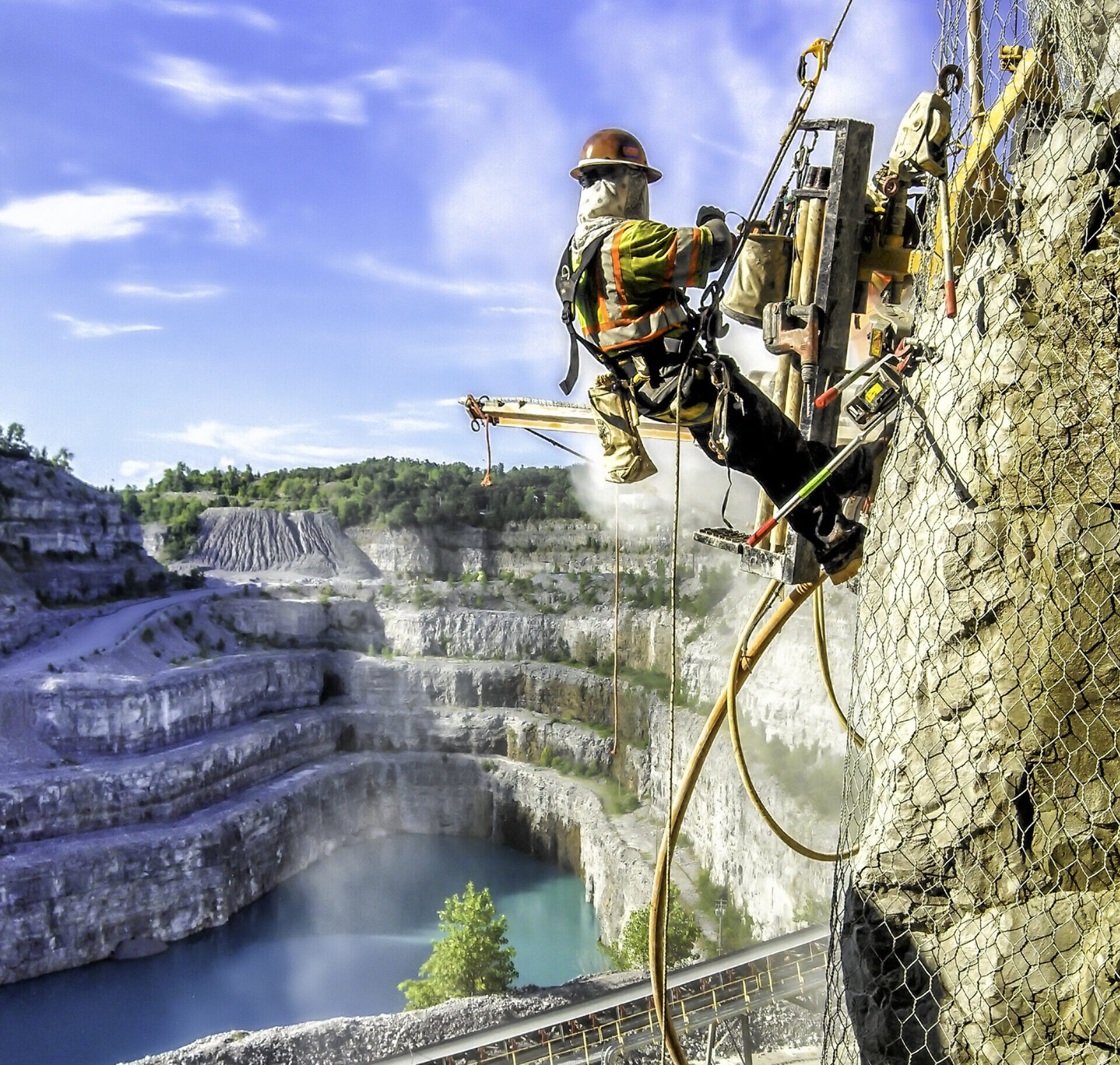
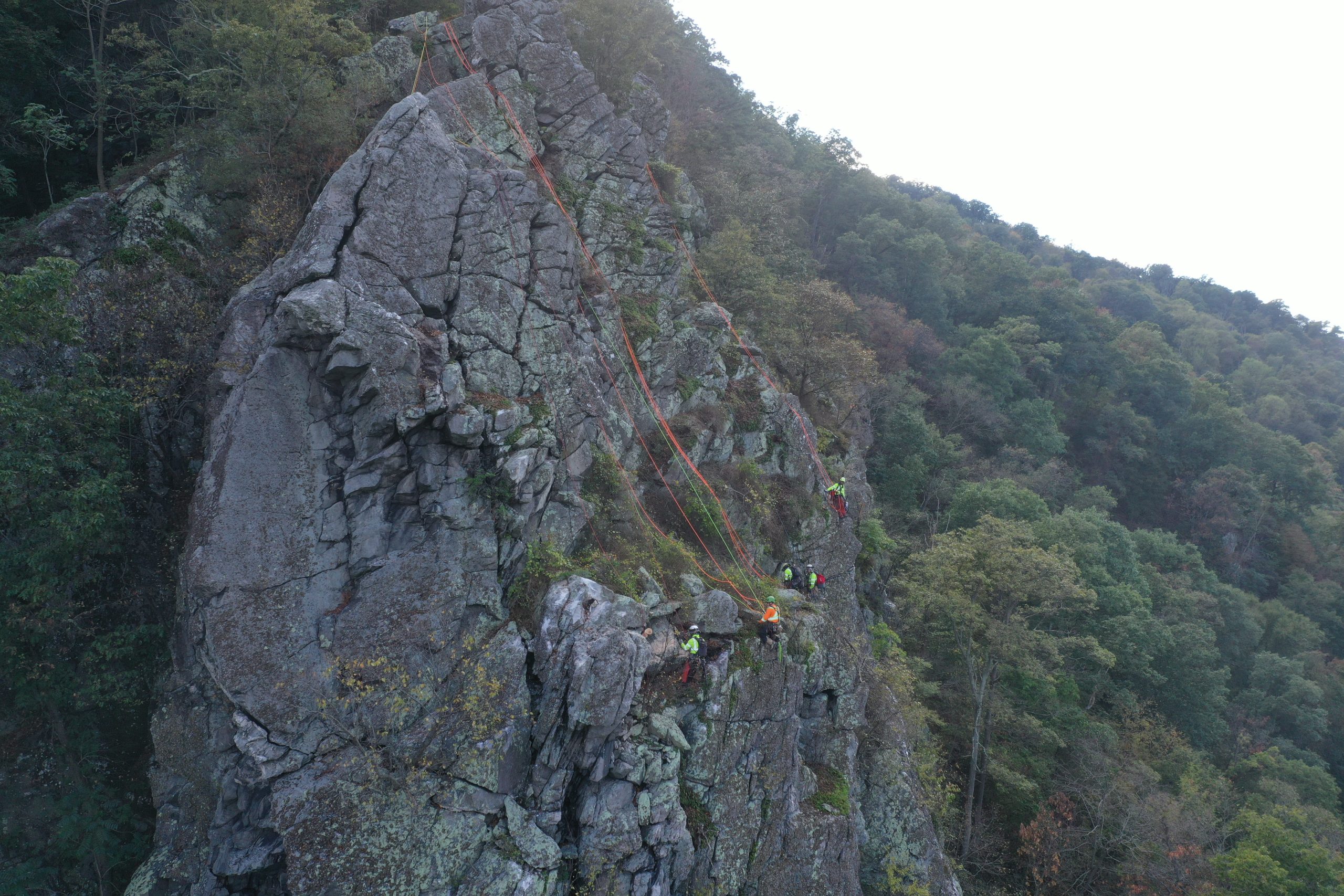
Rock scaling

Insufficient Rockfall Catchment

Insufficient rockfall catchment occurs when ditches, shoulders, or berms are unable to safely contain falling rock before it reaches roadways, facilities, or other critical assets. Even relatively small rockfall events can become high-risk when there is limited space for debris to accumulate or dissipate energy.

Catchment limitations are especially common in mountainous terrain, narrow corridors, and older infrastructure where right-of-way constraints prevent widening or reconstruction. In these conditions, rockfall that might otherwise be manageable becomes a persistent safety and operational problem.

GeoStabilization International has designed and constructed rockfall mitigation systems in some of the most space-constrained corridors in North America, where traditional catchment solutions are not feasible.

Contact Us

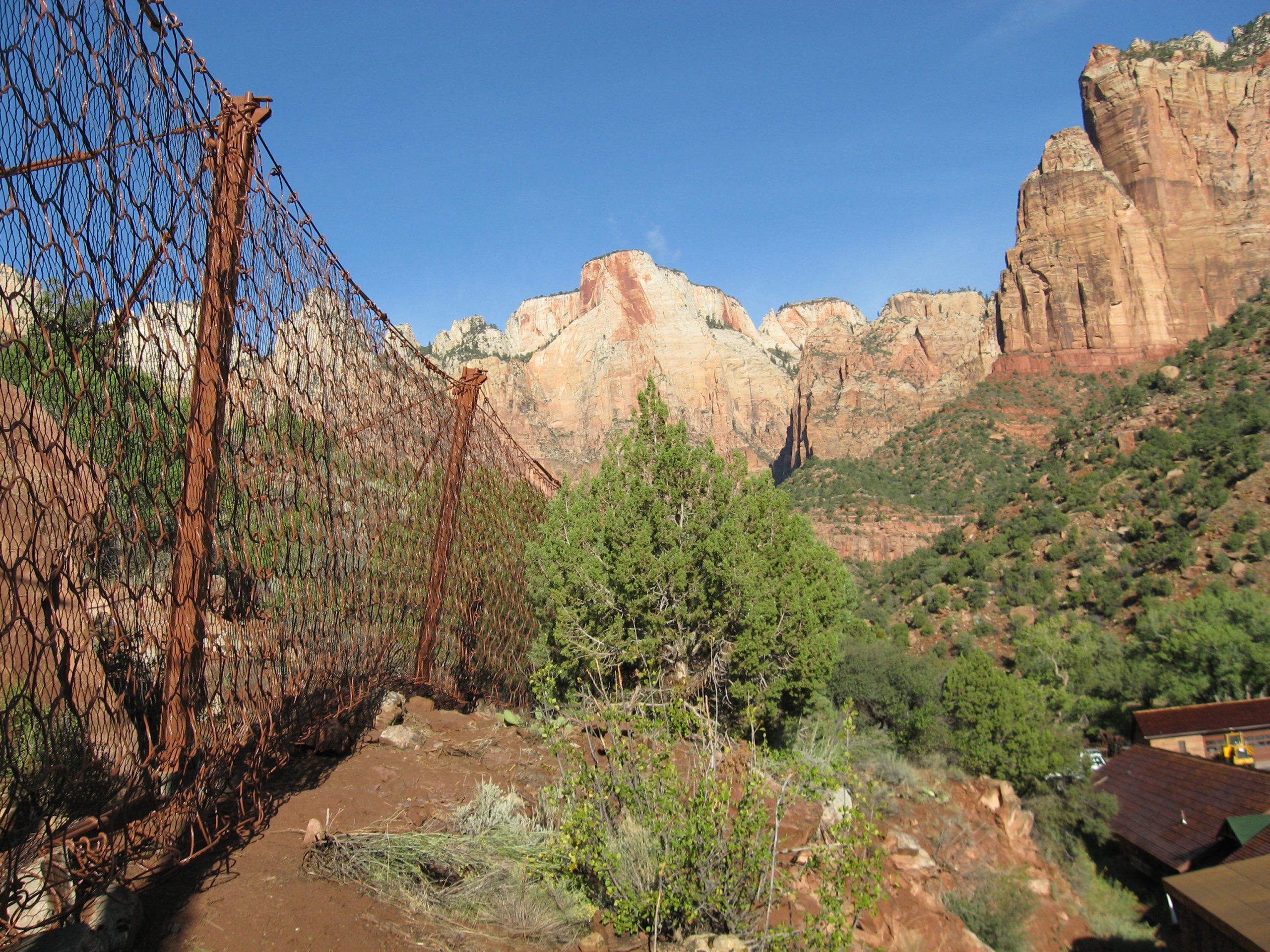
Rockfall fence

How Rockfall Catchment Problems Develop

Rockfall catchment problems typically arise when site conditions and infrastructure geometry leave insufficient room to safely intercept falling debris. Contributing factors often include:

  • Narrow shoulders or ditches with limited storage capacity 
  • Steep cut slopes that generate high-energy rockfall 
  • Increased rockfall frequency due to weathering or slope deterioration 
  • Older corridor designs that did not account for modern risk tolerance
  • Progressive infilling of ditches from repeated rockfall events

Over time, these conditions reduce effective catchment and allow rockfall to reach travel lanes or adjacent facilities.
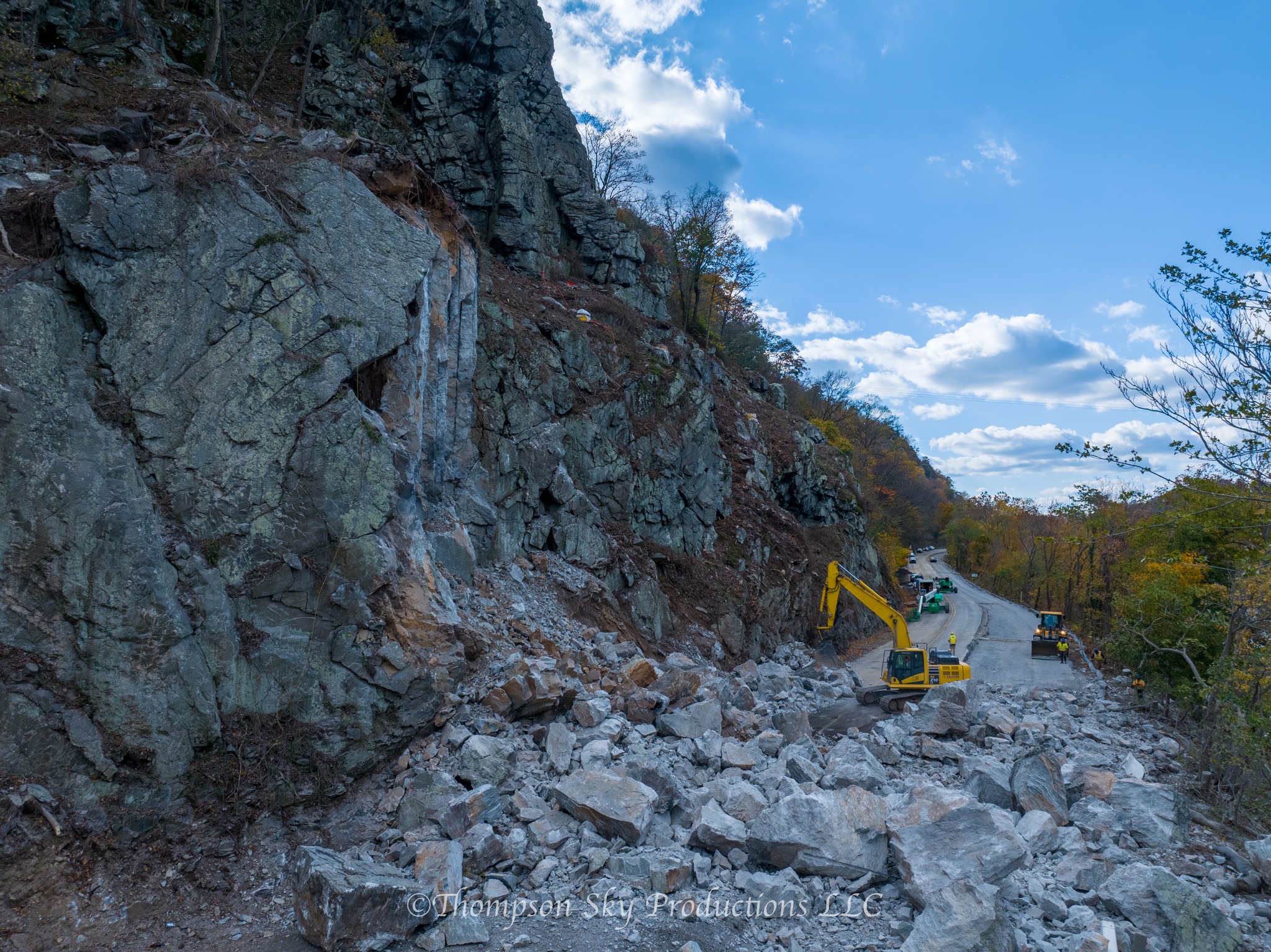
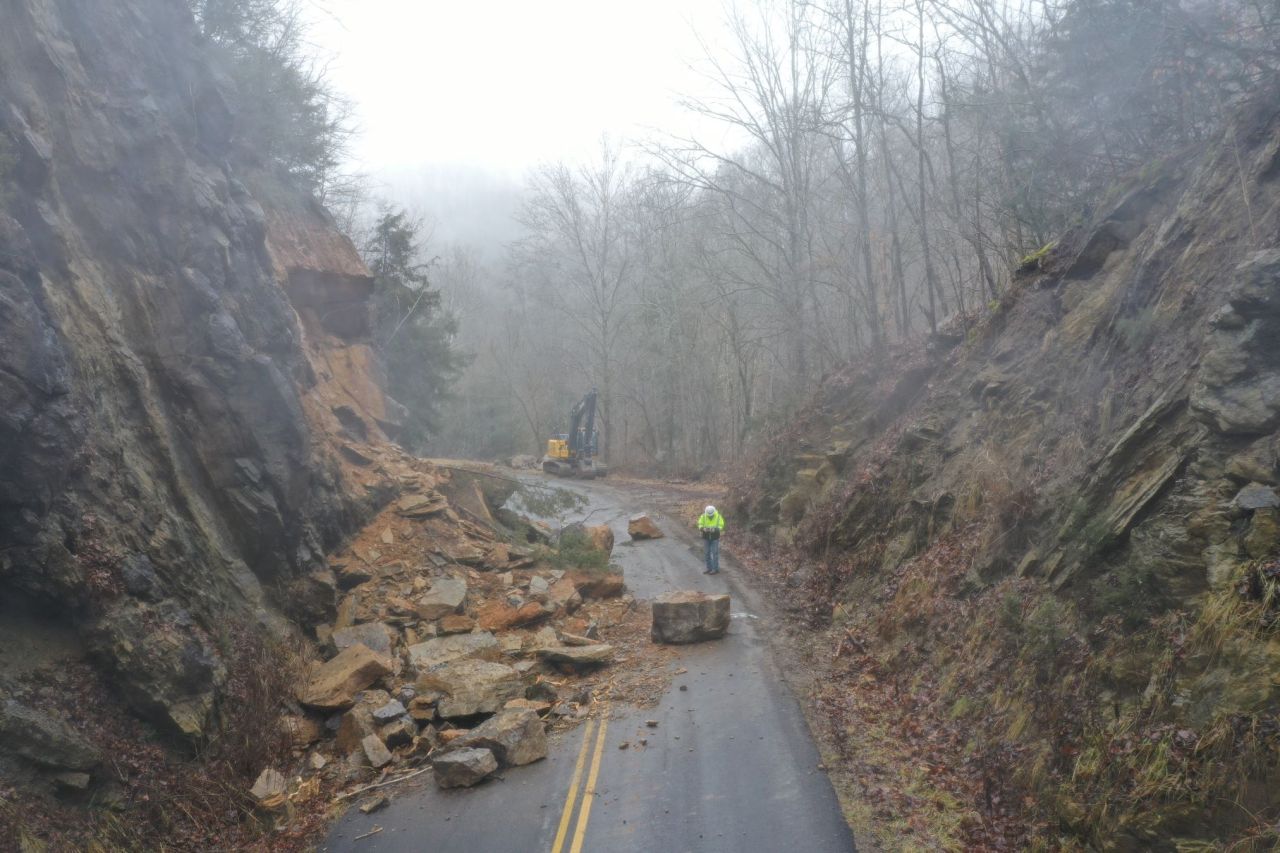
Excavator clears large rockfall debris from a roadway beneath a steep cliff.

Warning Signs of Insufficient Rockfall Catchment

Common indicators that catchment is no longer adequate include:

  • Rockfall debris reaching roadways or developed areas 
  • Frequent cleanup required after minor events 
  • Ditches that fill quickly and provide little energy dissipation 
  • Damage to pavement edges, barriers, or drainage features 
  • Temporary closures implemented as a safety precaution

These signs indicate that existing catchment capacity has been exceeded.

Who Is Most Impacted by Insufficient Rockfall Catchment

Catchment limitations most significantly affect owners and operators responsible for infrastructure in steep or constrained environments, including:

  • Transportation agencies managing mountain highways and canyon roads 
  • Public agencies and municipalities overseeing hillside corridors 
  • Utility owners with access roads or infrastructure below rock slopes 
  • Industrial and commercial facilities located in narrow valleys
  • Land managers responsible for public safety in rockfall-prone areas

For these stakeholders, insufficient catchment creates ongoing safety risk and maintenance challenges.

Evaluate Catchment Capacity

Request an Assessment

Rockfall Reaching the Roadway?

Talk to a Mitigation Specialist
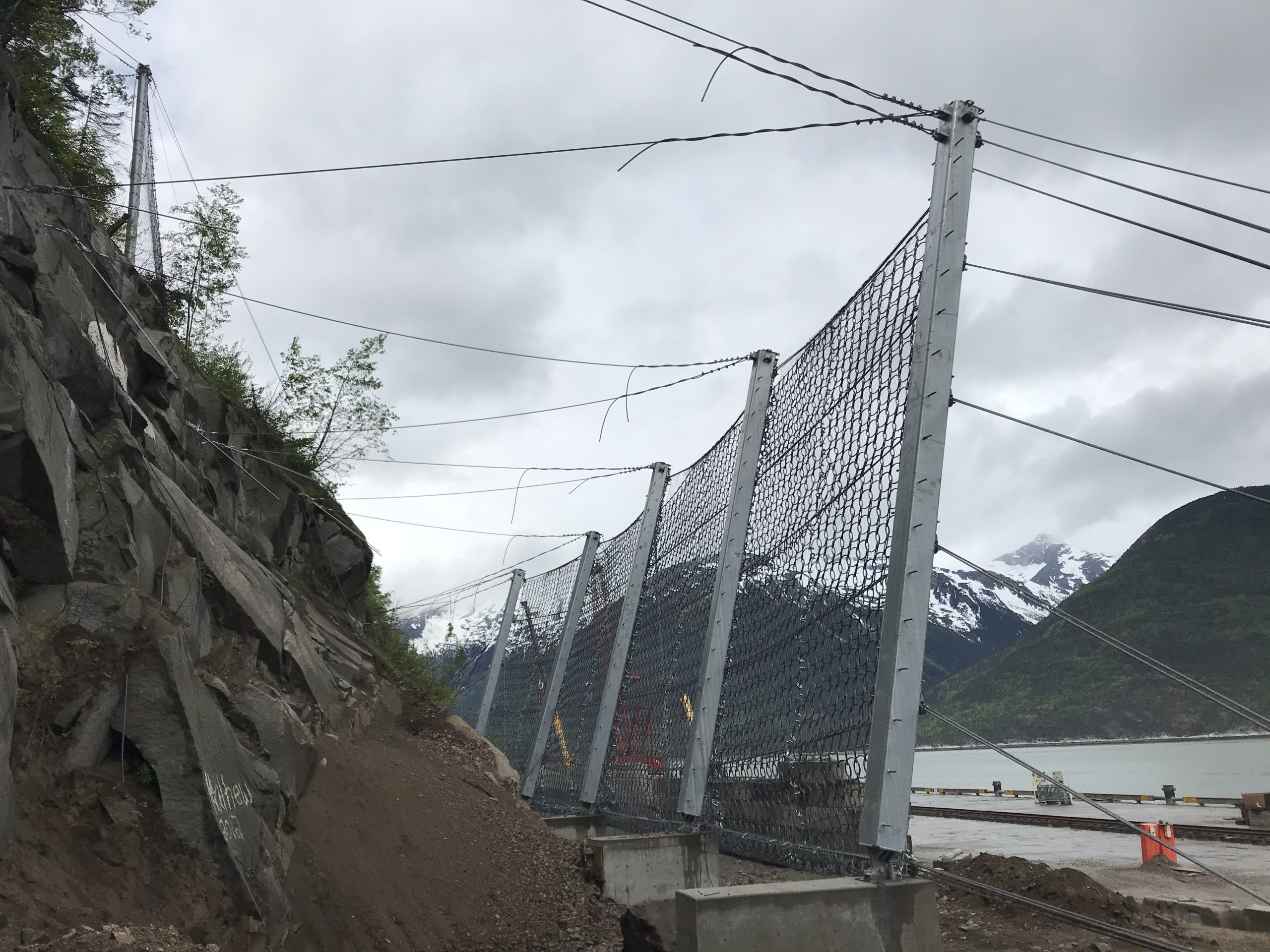
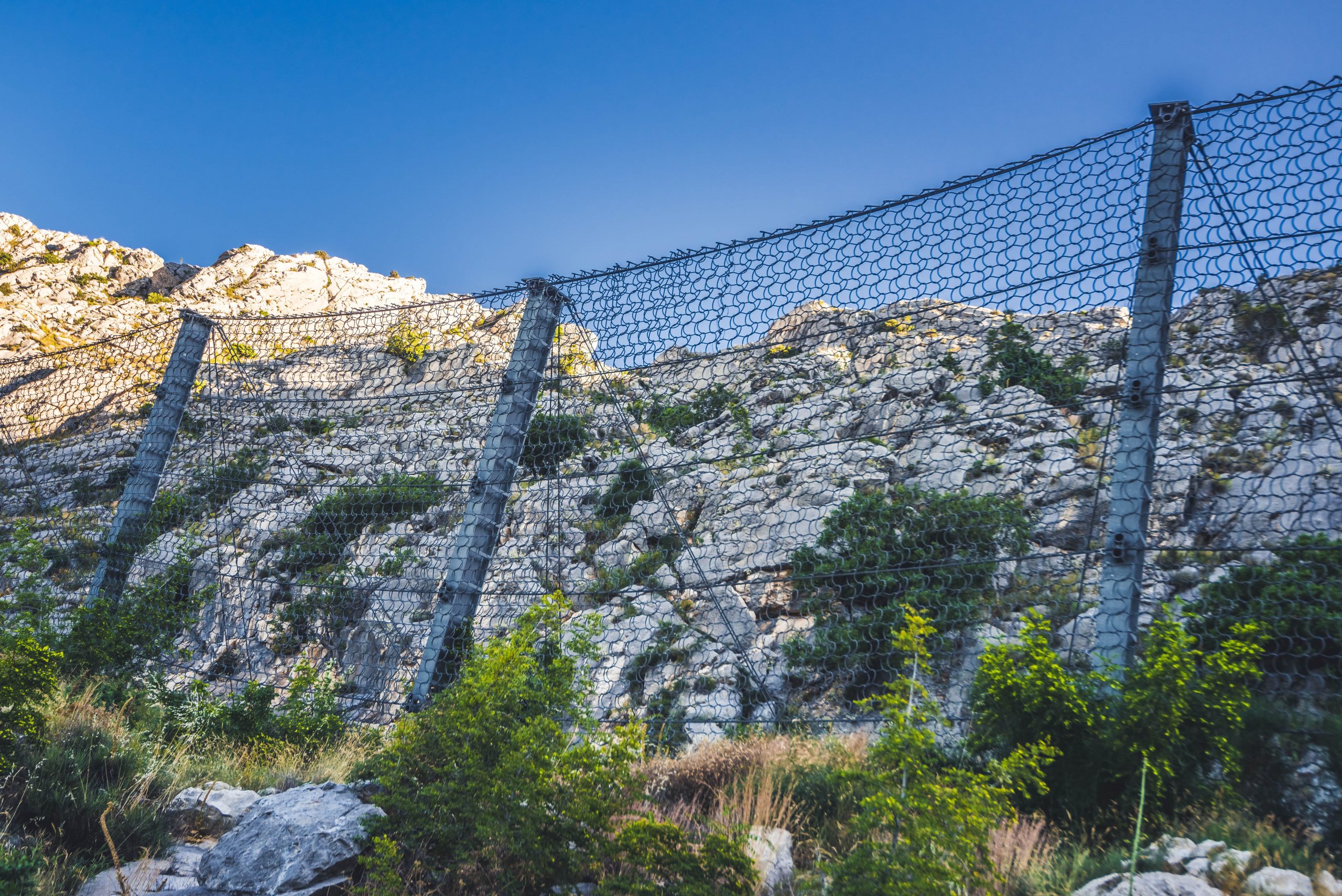
Flexible rock barrier

Why Catchment Deficiencies Escalate Risk

When catchment capacity is inadequate, rockfall risk increases rapidly due to:

  • Direct exposure of assets to falling rock

  • Higher impact energy reaching critical areas

  • Reduced reaction time for drivers, workers, or equipment

  • Compounding maintenance issues from repeated cleanup

  • Limited ability to implement temporary controls

As conditions worsen, the likelihood of disruptive incidents increases.

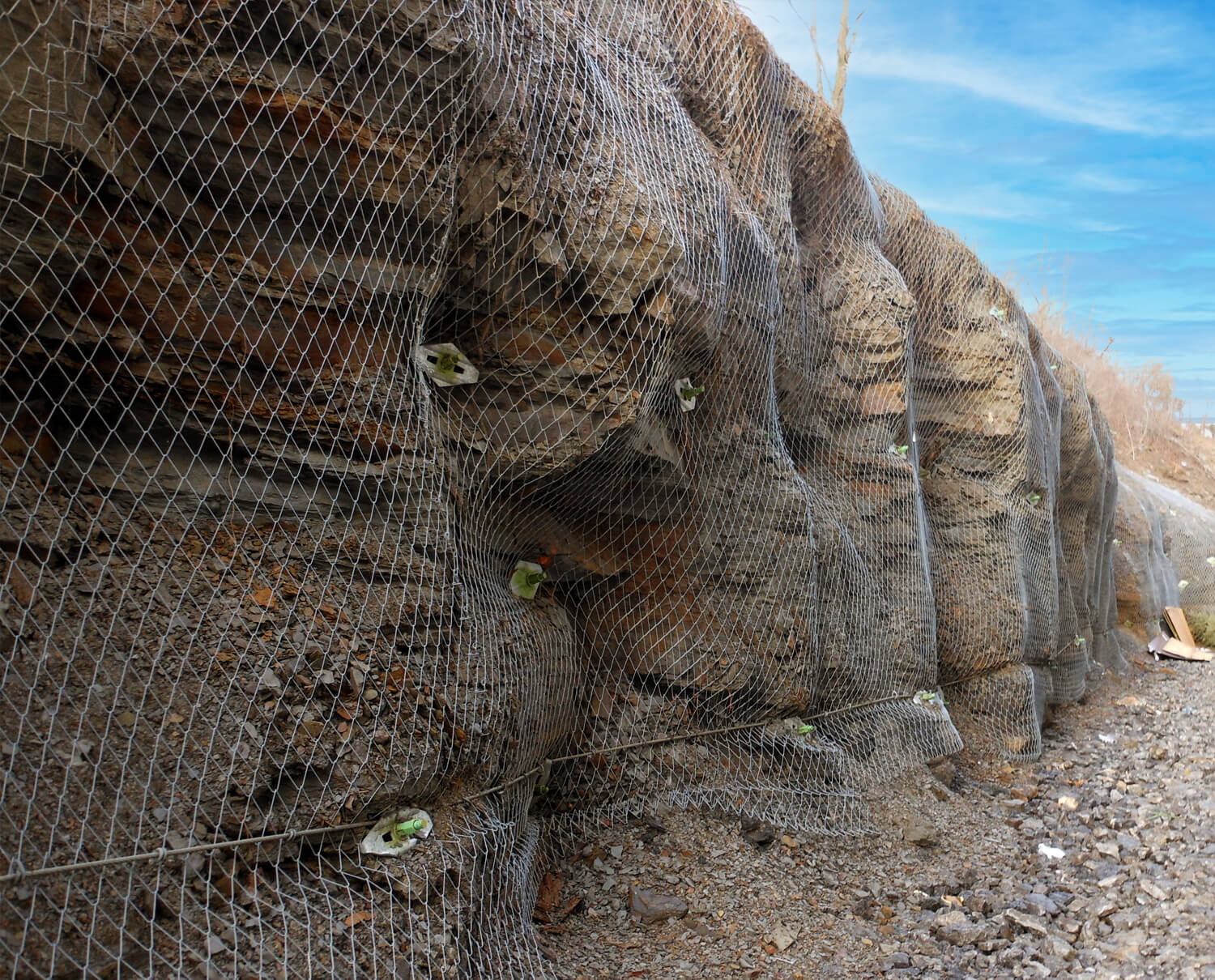
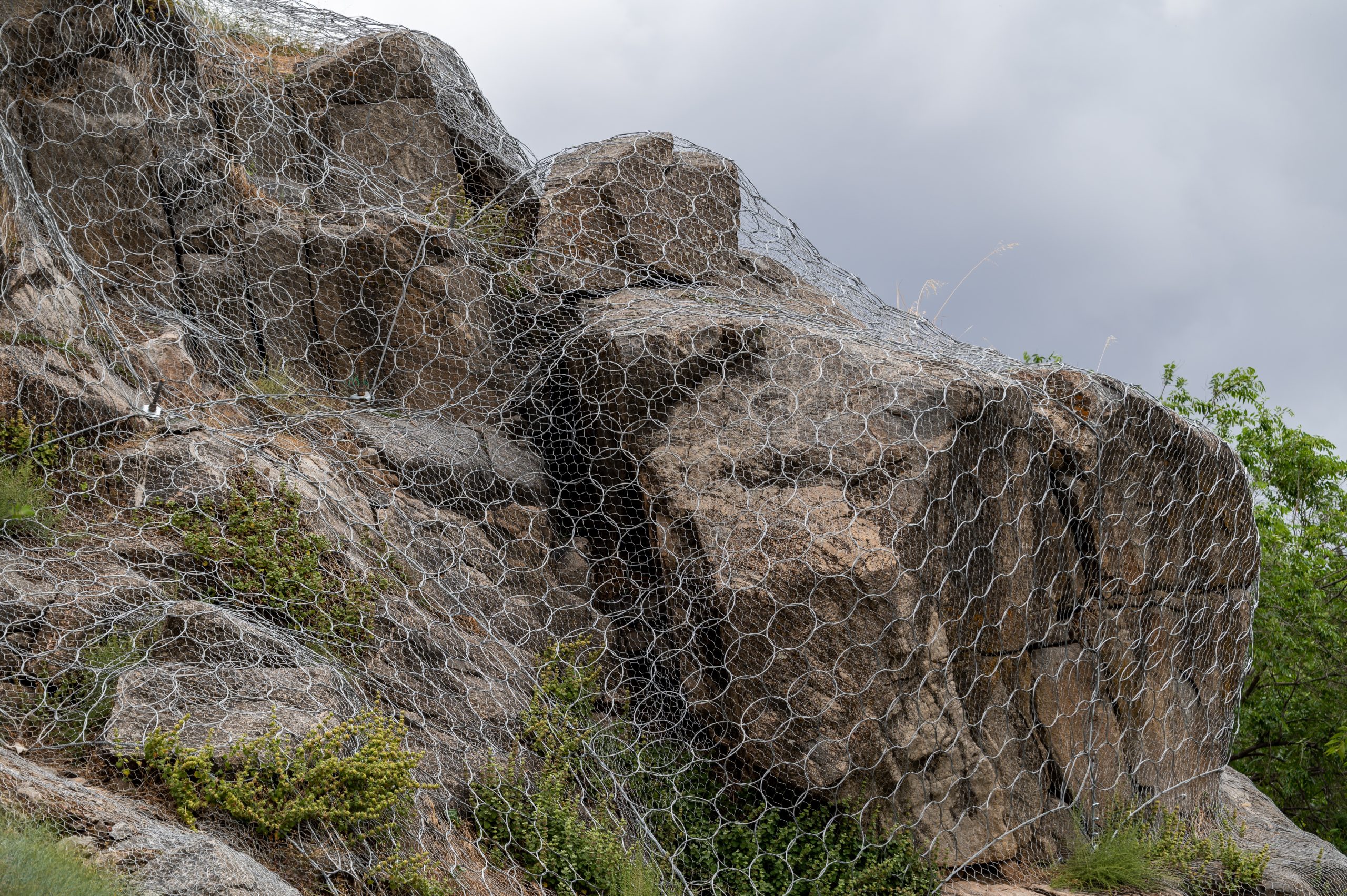
Anchored rock mesh

Consequences of Not Addressing Catchment Limitations

Failure to address insufficient rockfall catchment can result in:

  • Repeated unplanned closures or access restrictions

  • Increased emergency response and maintenance costs

  • Damage to infrastructure and adjacent facilities

  • Elevated public safety and liability exposure

  • Pressure to implement reactive, short-term fixes

Proactive mitigation allows for controlled risk reduction rather than ongoing emergency management.

Frequently Asked Questions

Catchment refers to the space or systems designed to intercept and contain falling rock before it reaches critical areas such as roadways or facilities.

Many were designed before modern risk standards and do not have sufficient space for debris accumulation or energy dissipation.

Yes. Engineered systems such as barriers and drapery are often used where widening is not feasible.

Not always. Catchment needs depend on rock size, energy, frequency, and exposure.

In many cases, yes. Installation can often be phased or completed with minimal disruption.

Related Solutions

When traditional catchment is insufficient, engineered mitigation systems are often required to intercept, contain, or control rockfall before it reaches exposed assets. Common solution categories include:

How GSI Helps

No two sites are identical, and the same issue can require an immediate response, a maintenance plan, or a permanent stabilization strategy. GSI helps owners take the right next step with solutions built for safety, constructability, and long-term performance.

Emergency Response

When conditions are urgent, GSI mobilizes quickly to stabilize hazards, reduce immediate risk, and help restore safe access. Our teams deliver field-ready solutions that support critical infrastructure and prevent conditions from worsening.

Ongoing Maintenance

Some problems require recurring attention to keep corridors, slopes, and assets performing safely over time. GSI provides proactive maintenance and targeted repairs that extend service life, reduce repeat failures, and improve reliability.

Planned Stabilization

When it’s time for a permanent solution, GSI designs and builds stabilization systems tailored to site constraints and performance goals. Our teams deliver long-term improvements that strengthen durability, safety, and asset protection.

Client Reviews

Rockfall Mitigation in Virginia

I wish I had been smart enough to let you design the rock mitigation. You and your team turned in an excellent performance. The work ethic of your team impressed everyone on our side of the table. Most companies print a slogan on their company clothing. However, your folks demonstrated every hour that they “Work Hard or Go Home”. You sent us a world class construction team – thanks!

Rockfall Mitigation and Removal in Wyoming

Richard, I wanted to take a quick minute and thank you and Courtney and the awesome crew that you sent here to take care of our huge rock. Courtney, John, and Andrew are some of the hardest working people I have had the privilege to be around. Their attention to safety professionalism, and never quit attitude was amazing to watch. Even when things did not go our way they were committed to finishing the job. I appreciate you sending these great guys to help us out and look forward to the opportunity to work with you again in the future.

Emergency Rockfall Mitigation for Mining Operations

I recently interacted with some of your rockfall division guys. I have never seen an outfit as competent on safety measures nor any contractors who worked as hard as your guys do. During the work, I was in a room with your guys and some other contractors, and your guys were head and shoulders above the rest in all aspects.

GET IN TOUCH

Contact Us Today

Once rockfall begins to reach exposed areas, the margin for error is small. Early evaluation of catchment capacity allows owners to implement targeted mitigation before a serious incident occurs, reducing risk, improving safety, and protecting long-term asset reliability.

Act before impact. Request a Rockfall Catchment Evaluation.

855.579.0536

    How Can We Help?

    • Personal Info
    • Contact Info
    • Project Info
    ***Fees May Apply For Residential Site Visits***

    How Can We Help?

    • Personal Info
    • Contact Info
    • Project Info

    How Can We Help?

    • Personal Info
    • Contact Info
    • Project Info

    By using this website, you acknowledge and agree to our Privacy Policy. This site is protected by reCAPTCHA, and the Google Privacy Policy and Terms of Service apply.