Washouts & Scour Damage

Washouts & Scour Damage

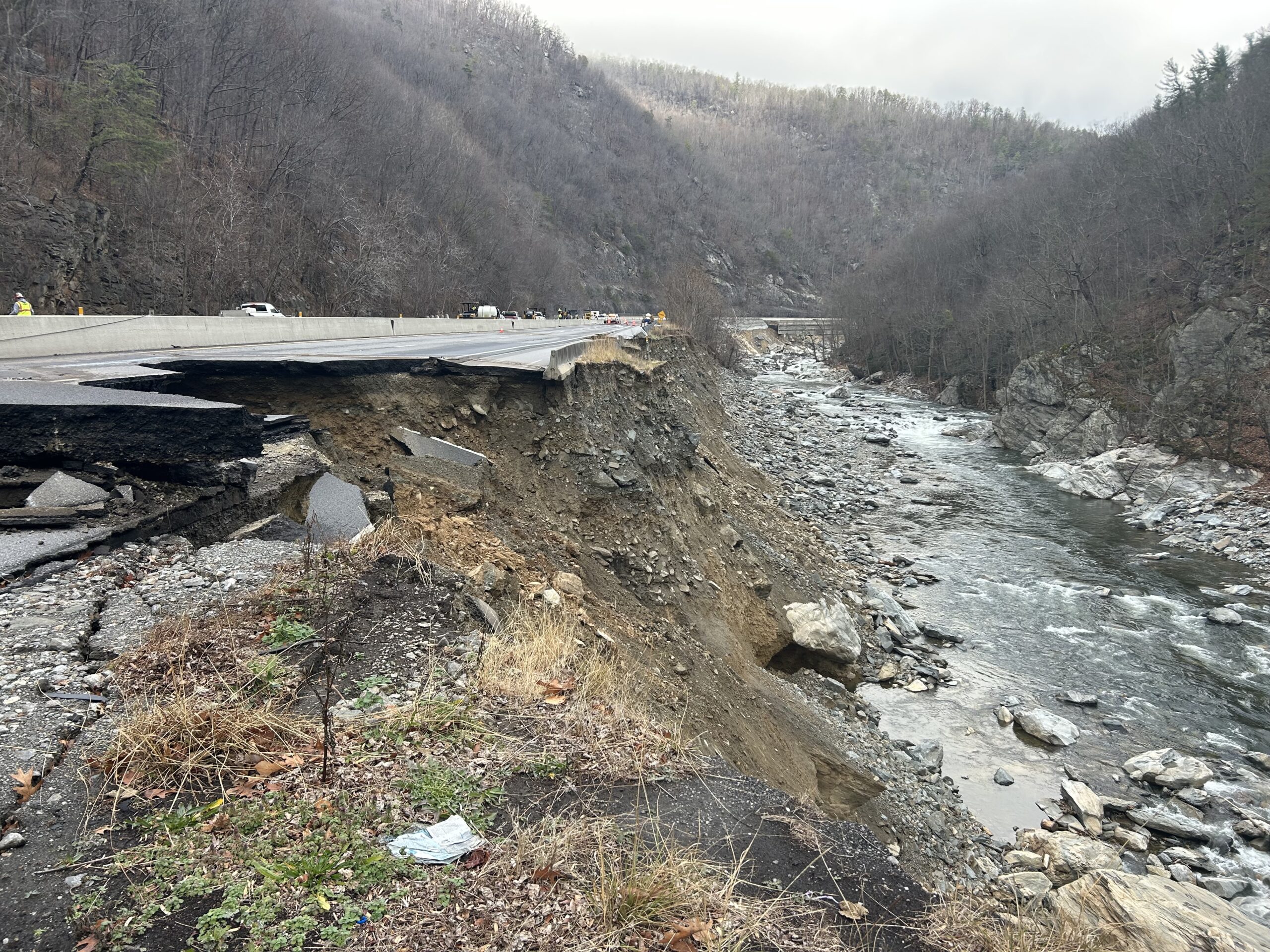
Washouts and scour damage occur when moving water rapidly removes soil supporting roadways, embankments, structures, or slopes. Unlike gradual seepage-related erosion, washouts and scour are often event-driven, developing during storms, flooding, or high-flow conditions. These failures can happen quickly and create immediate safety hazards, access loss, and emergency conditions.

Washouts and scour damage are common near drainage features, culverts, channels, outfalls, and bridge approaches, as well as along slopes and embankments exposed to concentrated water flow. Once soil is removed, remaining ground often becomes unstable and vulnerable to further collapse.

GeoStabilization International has responded to washout and scour failures across North America, stabilizing infrastructure impacted by sudden water-driven soil loss.

Contact Us

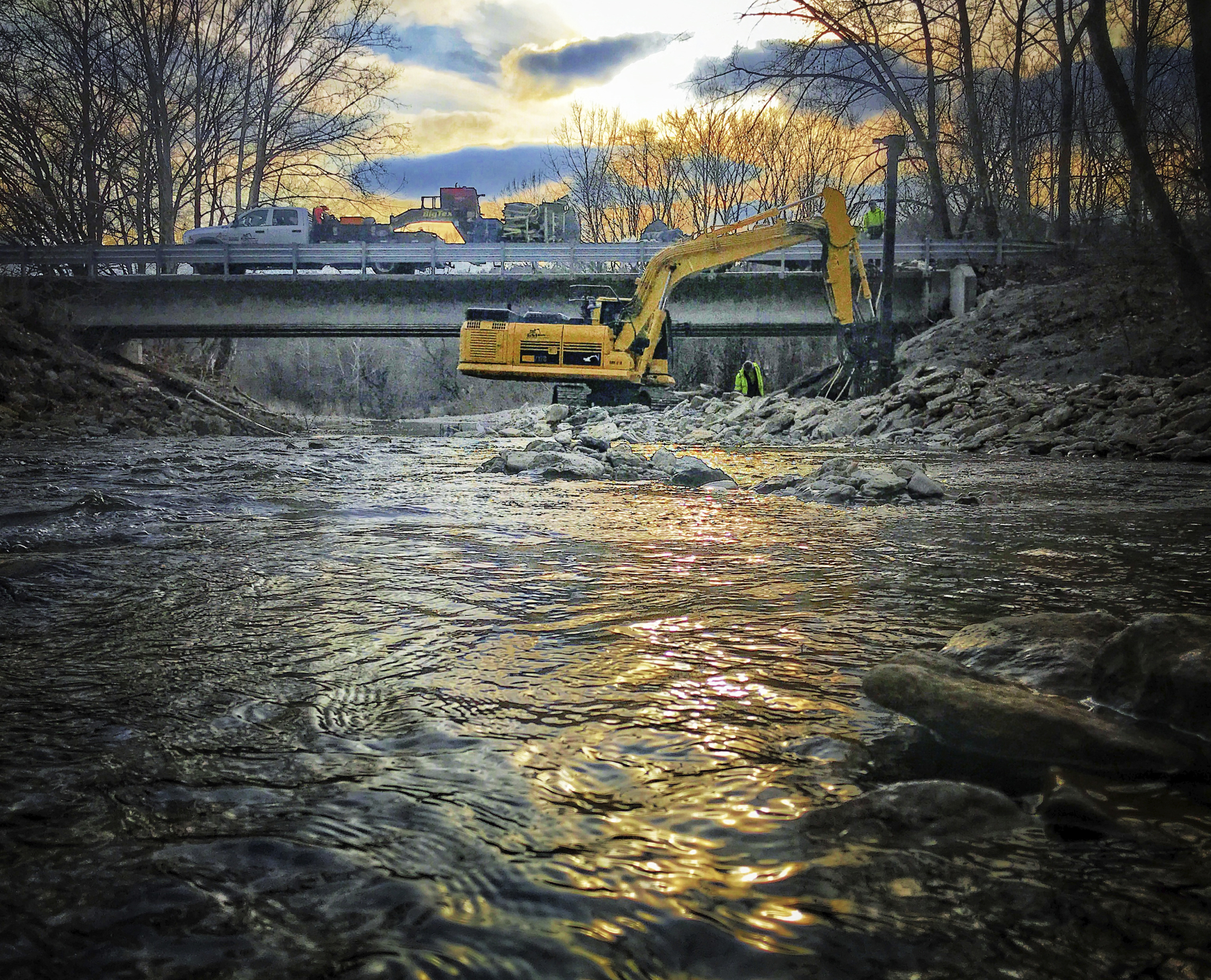
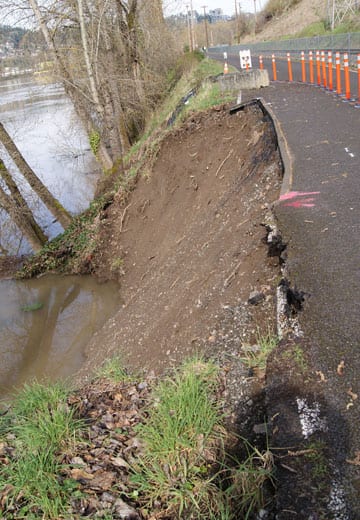
Road damage near water

How Washouts & Scour Damage Develop

Once erosion begins, flowing water can rapidly enlarge the affected area, removing support beneath pavement, embankments, or structural elements. Washouts and scour damage typically occur when water flow exceeds the soil’s ability to resist erosion. Common contributing factors include:

  • Heavy rainfall or flooding events
  • Concentrated flow at culverts, inlets, or outfalls
  • Undersized or aging drainage infrastructure
  • High-velocity flow along embankments or slopes
  • Loss of protective cover or erosion control
  • Channel migration or changing flow paths
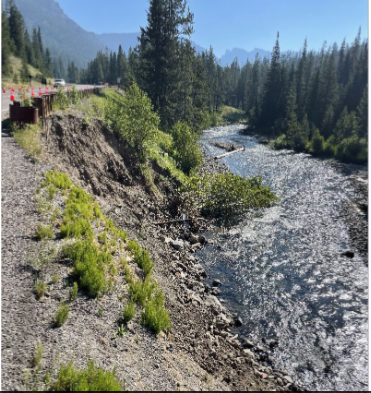
Failed slope on side of road

Warning Signs of Washouts & Scour Damage

Washouts and scour damage often present visible warning signs either during or immediately after storm events, including:

  • Sudden depressions or voids near drainage features 
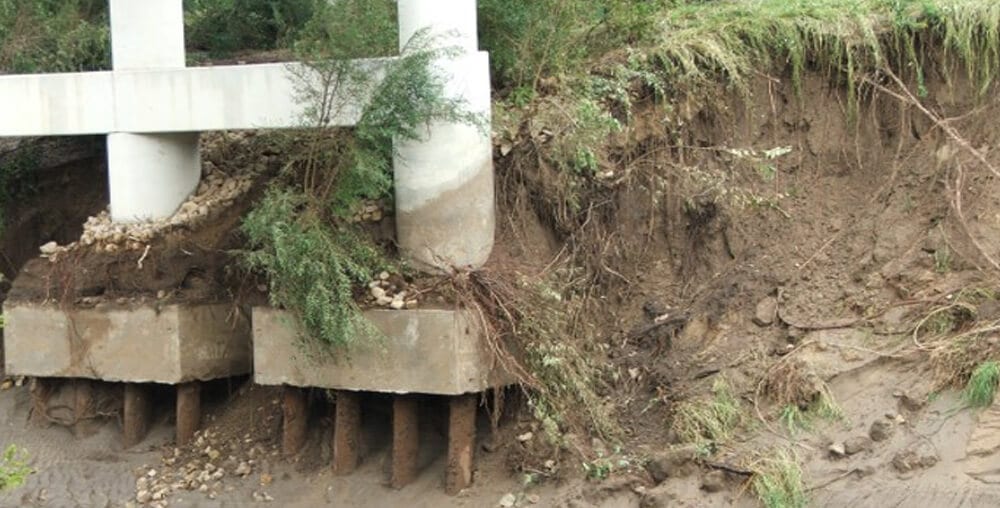
  • Exposed foundations, culvert ends, or utility lines 
  • Loss of shoulder or embankment material 
  • Cracking or settlement near flow paths 
  • Standing or flowing water where none existed before 
  • Temporary repairs that fail after subsequent storms

Who Is Most Impacted by Washouts & Scour Damage

Washouts and scour damage pose serious challenges for owners and operators responsible for infrastructure exposed to flowing water, including:

Transportation agencies managing roadways and drainage systems

Public agencies and municipalities responsible for stormwater infrastructure

Utility owners with infrastructure near channels or outfalls

Industrial and commercial facilities exposed to runoff or flooding

Property owners and developers in flood-prone or low-lying areas

For these stakeholders, washouts often create immediate operational and safety concerns.

Why Washouts & Scour Damage Escalate

Without intervention, localized washouts can expand into major failures. Once washouts or scour damage occur, conditions often worsen due to:

  • Continued erosion during subsequent storm events

  • Progressive undermining of adjacent soil and structures

  • Temporary surface repairs that do not restore subsurface support

  • Increased water velocity through newly formed voids or channels

  • Delayed stabilization due to access or safety constraints
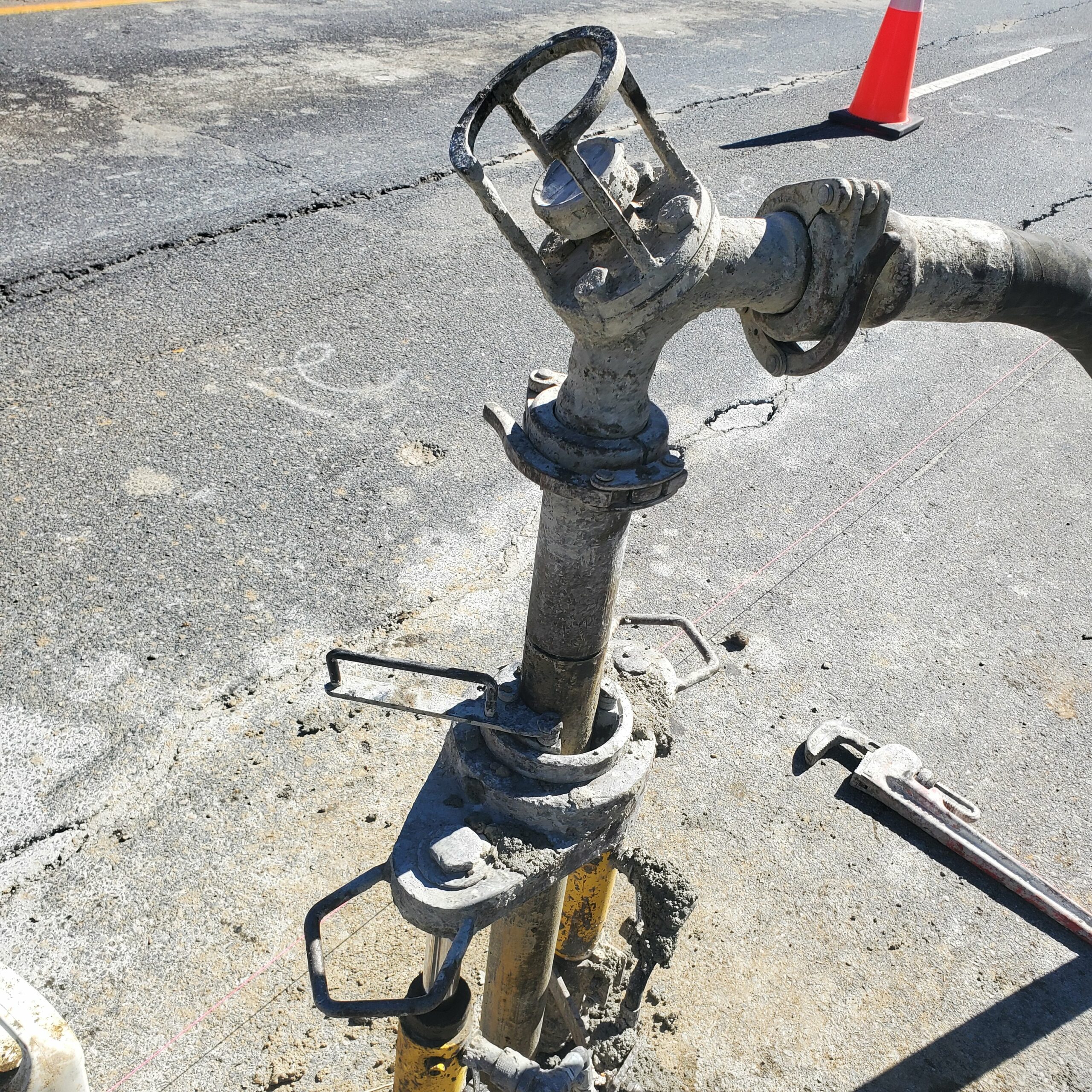
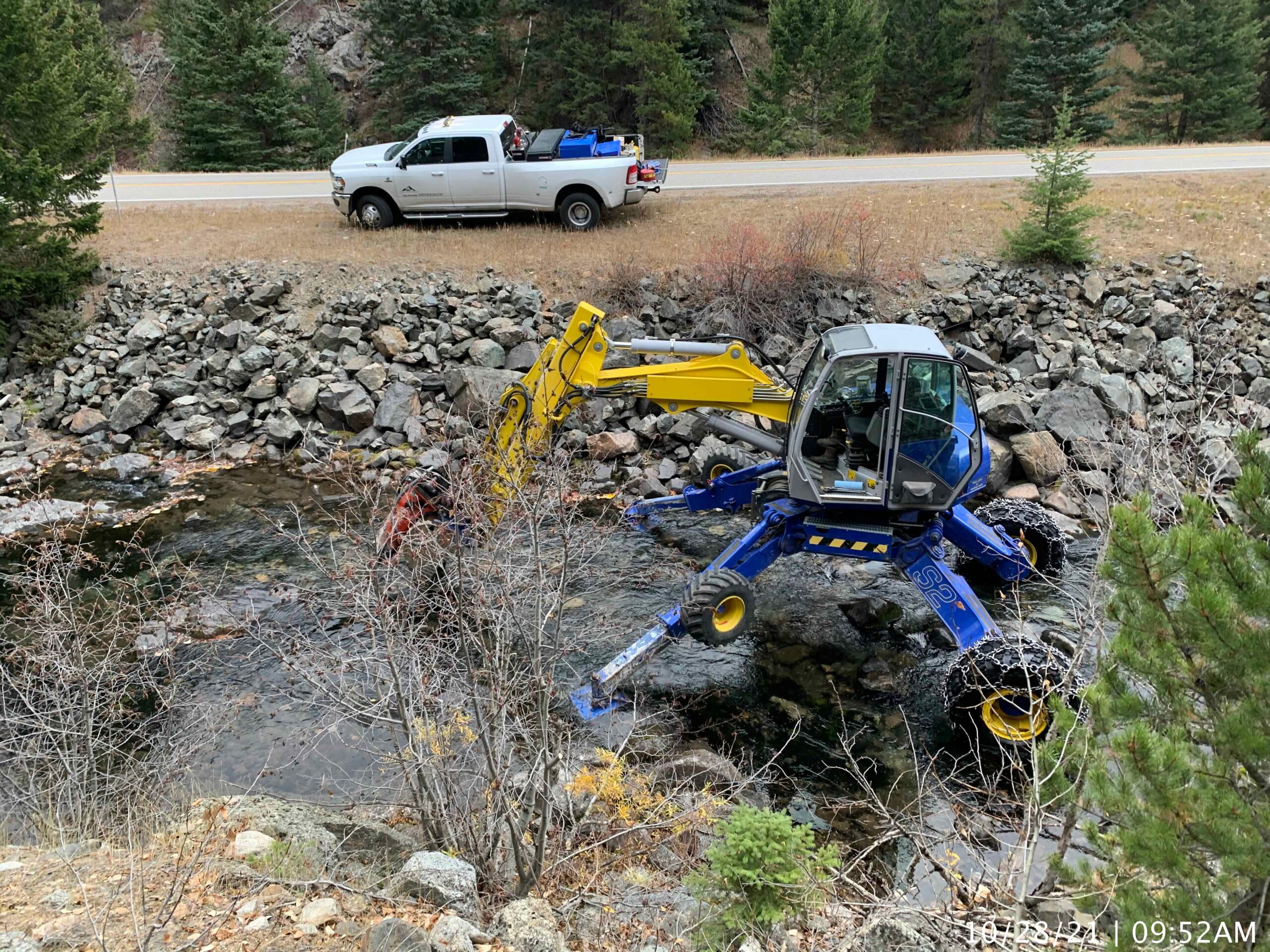
Launcher in river

Stabilize Washout or Scour Damage

Request an Assessment

Access or Support Already Lost?

Emergency Response
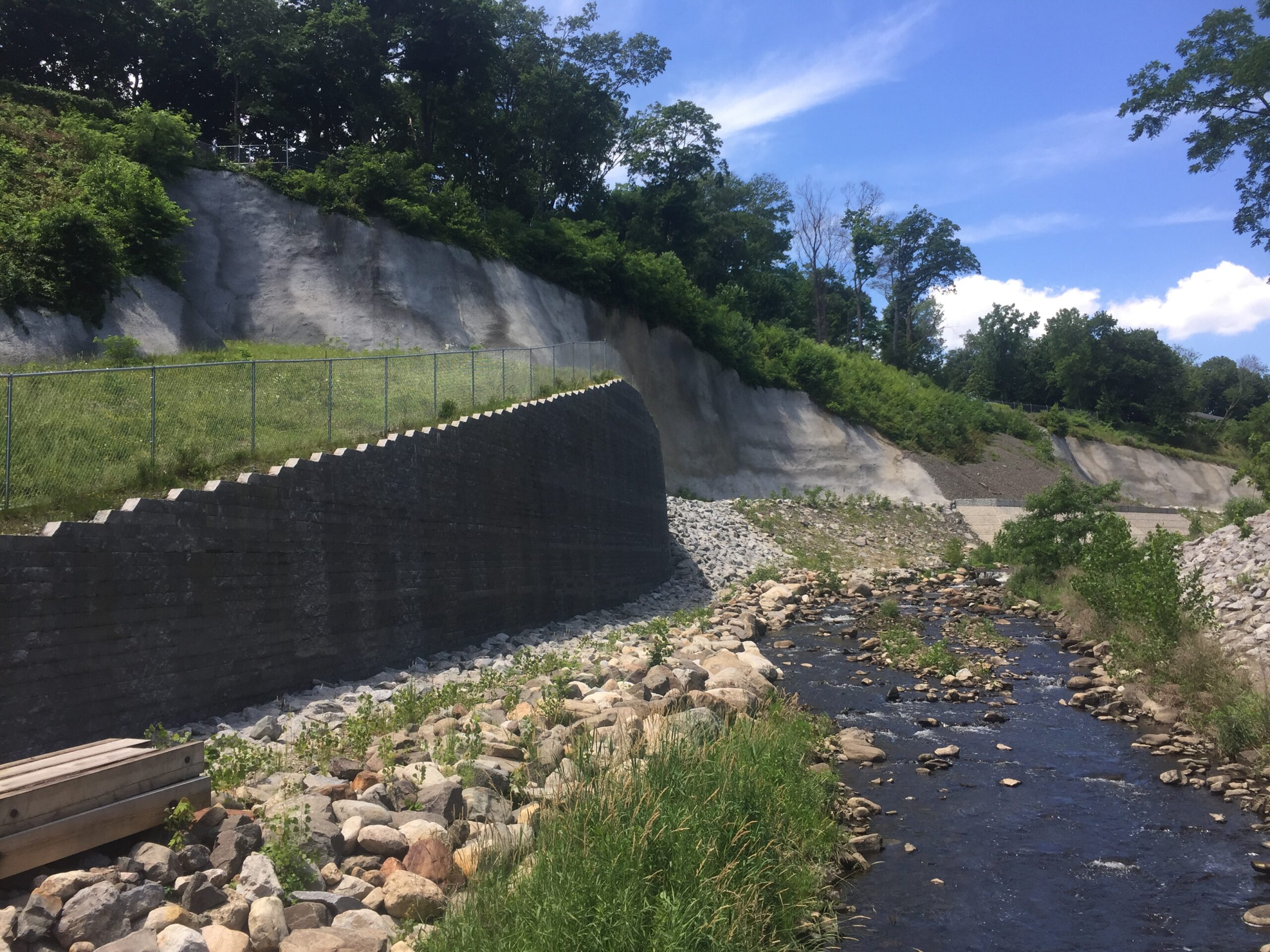
River Restoration

Risks of Inaction

Early stabilization is critical to limiting damage and restoring safety. If washouts and scour damage are not addressed promptly, consequences can include:

  • Sudden roadway or access failure 
  • Emergency closures and service disruptions 
  • Damage to adjacent infrastructure or utilities 
  • Unsafe conditions for the public and maintenance crews 
  • Escalating repair costs as damage spreads 
  • Increased liability exposure

Frequently Asked Questions

Washout refers to general soil loss due to flowing water, while scour typically describes localized erosion around structures, foundations, or drainage features.

Yes. Concentrated runoff from storms can cause washouts even without widespread flooding.

Temporary repairs may restore access briefly but rarely prevent recurrence unless subsurface support is restored.

Immediately. Continued water flow can rapidly enlarge failures.

In many cases, yes. Emergency stabilization methods are designed for rapid deployment.

Related Solutions

Washouts and scour damage are typically addressed through rapid stabilization and support restoration measures selected based on flow conditions, soil type, and access constraints. Common solution categories include:

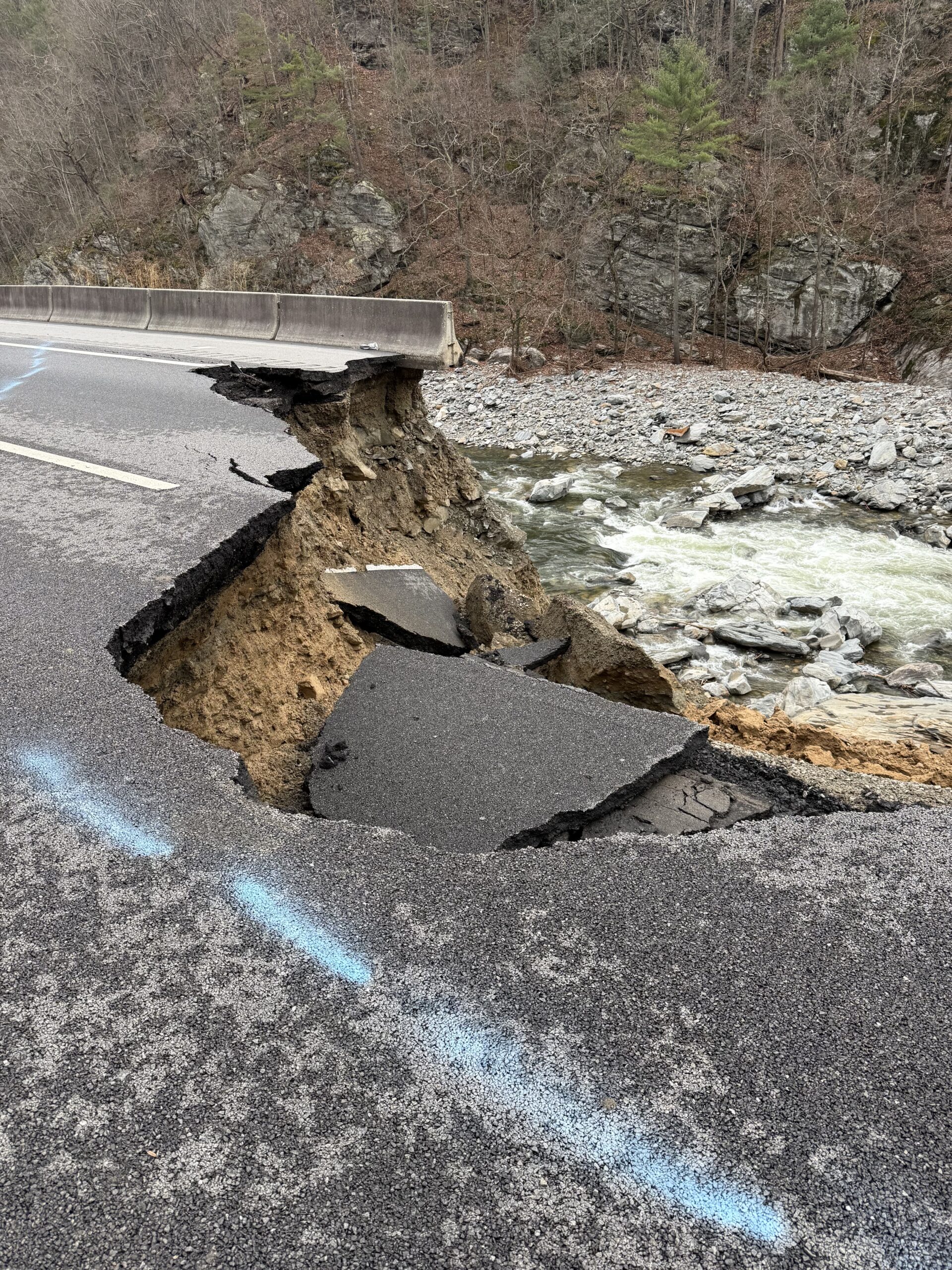
Hurricane Helene flooding

Why Early Action Matters

Washouts and scour damage are time-sensitive failures. Early evaluation and stabilization reduce safety risks, limit damage expansion, and restore access more quickly—preventing a manageable issue from becoming a major reconstruction project.

How GSI Helps

No two sites are identical, and the same issue can require an immediate response, a maintenance plan, or a permanent stabilization strategy. GSI helps owners take the right next step with solutions built for safety, constructability, and long-term performance.

Emergency Response

When conditions are urgent, GSI mobilizes quickly to stabilize hazards, reduce immediate risk, and help restore safe access. Our teams deliver field-ready solutions that support critical infrastructure and prevent conditions from worsening.

Ongoing Maintenance

Some problems require recurring attention to keep corridors, slopes, and assets performing safely over time. GSI provides proactive maintenance and targeted repairs that extend service life, reduce repeat failures, and improve reliability.

Planned Stabilization

When it’s time for a permanent solution, GSI designs and builds stabilization systems tailored to site constraints and performance goals. Our teams deliver long-term improvements that strengthen durability, safety, and asset protection.

Client Reviews

Emergency Landslide Repair in Wyoming

In 2017, another well above normal snowpack winter and heavy spring rains resulted in 23 new landslides, which damaged or threatened WYDOT roads. WYDOT turned to GSI to help respond to these emergency situations. GSI was able to respond very quickly and in most cases had personnel on site to assess the site within 24 hours. They would provide a proposal for remediation with a preliminary design and estimated costs within 48 hours in most cases. During 2017, GSI was selected to perform remediation with contracts at six separate sites. In all cases, they were prepared to mobilize to the sites and begin work within a week of being given notice to proceed.

A unique element of these emergency contracts was a partnership, between WYDOT and GSI, by which WYDOT provided some logistical support such as traffic control and providing water for drilling operations so that GSI could focus its efforts on performing the specialty work. This arrangement resulted in cost effective, efficient, successful projects. When responding to emergency landslide repair, time truly is money, the sooner a landslide can be remediated before it has a chance to grow, the less expensive it is to repair. In the past, WYDOT has experienced situations in which, landslides could possibly have been remediated quicker, experienced further failure during drawn out conventional design and contracting methods resulting in higher costs due to the additional failure. GSI uses various types of innovative geo-technology in their landslide remediation projects….

All of these projects were completed on schedule, even with cold weather conditions and snow storms ….

All of the stabilization projects that GSI completed for WYDOT included a warranty to repair any of the remediation that would happen to fail, but to date none of the work that they have performed has required any repair. I would highly recommend GeoStabilization International to perform emergency landslide and slope remediation work. They have the resources, personnel, and expertise to respond to your emergency in a timely, professional manner.

Slope Stabilization in Virginia

I’d like to take a moment and thank you for sending a great crew for the stabilization at [our site]. With the leadership of Dylan Battaglia and his crew, safety was always incorporated in each task that was performed. Dylan communicated each phase with [our company] and also gave great instruction to all his employees during the JSA process. Great job!

I’d like to ask if you could send the same crew back for the final phase of the project and wrap the project up in a positive manner. Thanks again for a job well done, and wish you and your family the best of the holidays. Please give your crew my best.

Roadway Repairs in Tennessee

As a Navy veteran, I am thankful for GeoStabilization’s support and commitment to our military service members. [Our] County Engineering Department equally thanks all of your veteran and reservist employees for their service. We would also like to extend a “Thank you!”, to your entire staff for their outstanding support over the past 2 years in addressing critical repairs to our county’s roads.

GET IN TOUCH

Contact Us Today

Washouts and scour damage require immediate action to prevent further collapse and restore safe access. GeoStabilization International provides rapid-response stabilization and support restoration for water-driven failures. Request an emergency assessment today to protect infrastructure and limit escalating repair costs.

855.579.0536

    How Can We Help?

    • Personal Info
    • Contact Info
    • Project Info
    ***Fees May Apply For Residential Site Visits***

    How Can We Help?

    • Personal Info
    • Contact Info
    • Project Info

    How Can We Help?

    • Personal Info
    • Contact Info
    • Project Info

    By using this website, you acknowledge and agree to our Privacy Policy. This site is protected by reCAPTCHA, and the Google Privacy Policy and Terms of Service apply.