Seepage & Internal Erosion Problems

Erosion Slide

Seepage & Internal Erosion

Seepage and internal erosion problems occur when water moves through soil or fill in a way that gradually removes fine material and weakens the ground from within. These failures often develop out of sight, progressing quietly beneath embankments, roadways, slabs, and structures until settlement, void formation, or sudden collapse becomes visible at the surface.

Because seepage-driven erosion is typically hidden, it is one of the most underestimated and dangerous geotechnical problems. By the time surface distress appears, significant subsurface damage has often already occurred.

GeoStabilization International has addressed seepage and internal erosion issues across North America, stabilizing infrastructure affected by hidden water-driven ground loss.

Contact Us

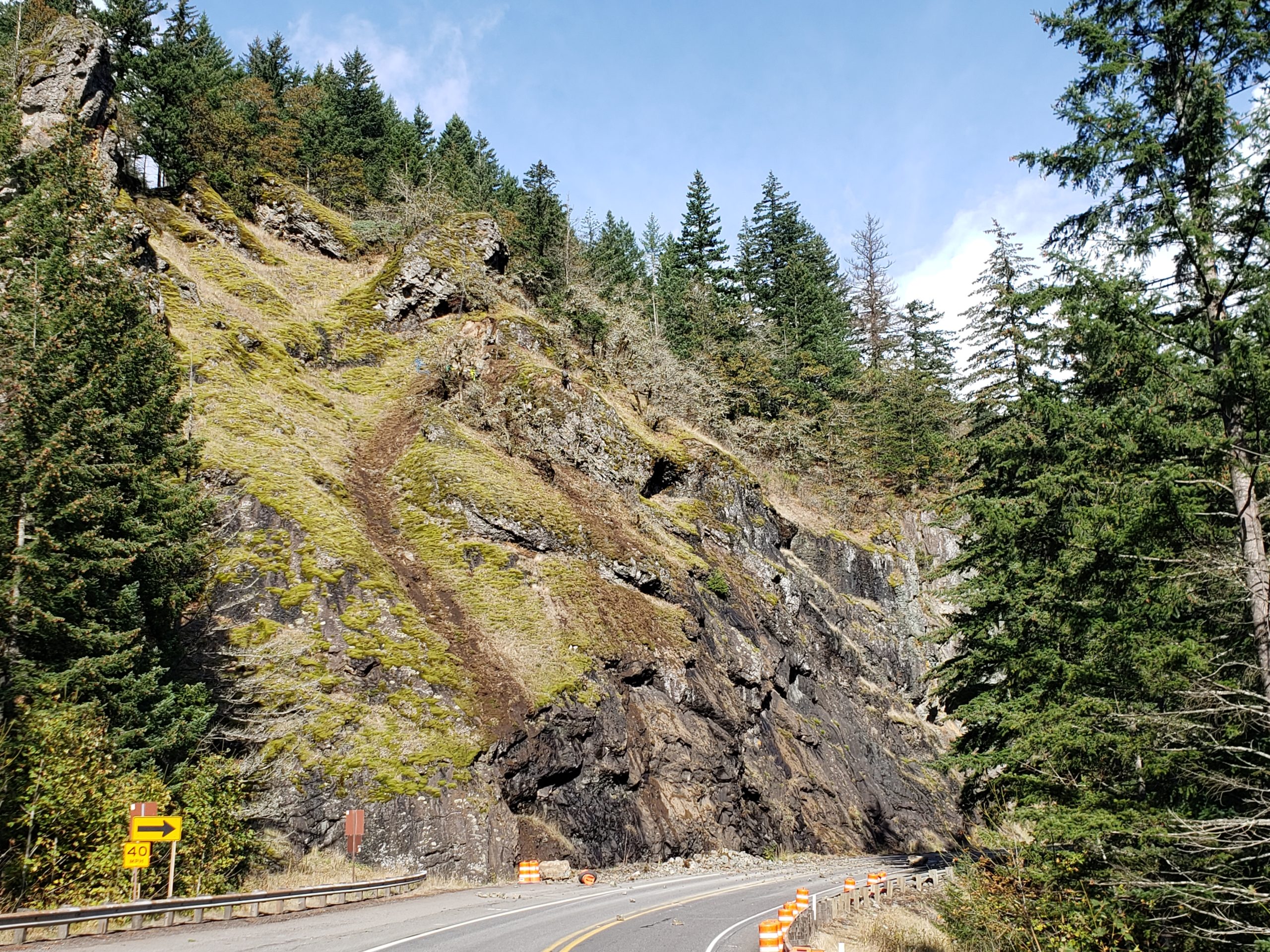
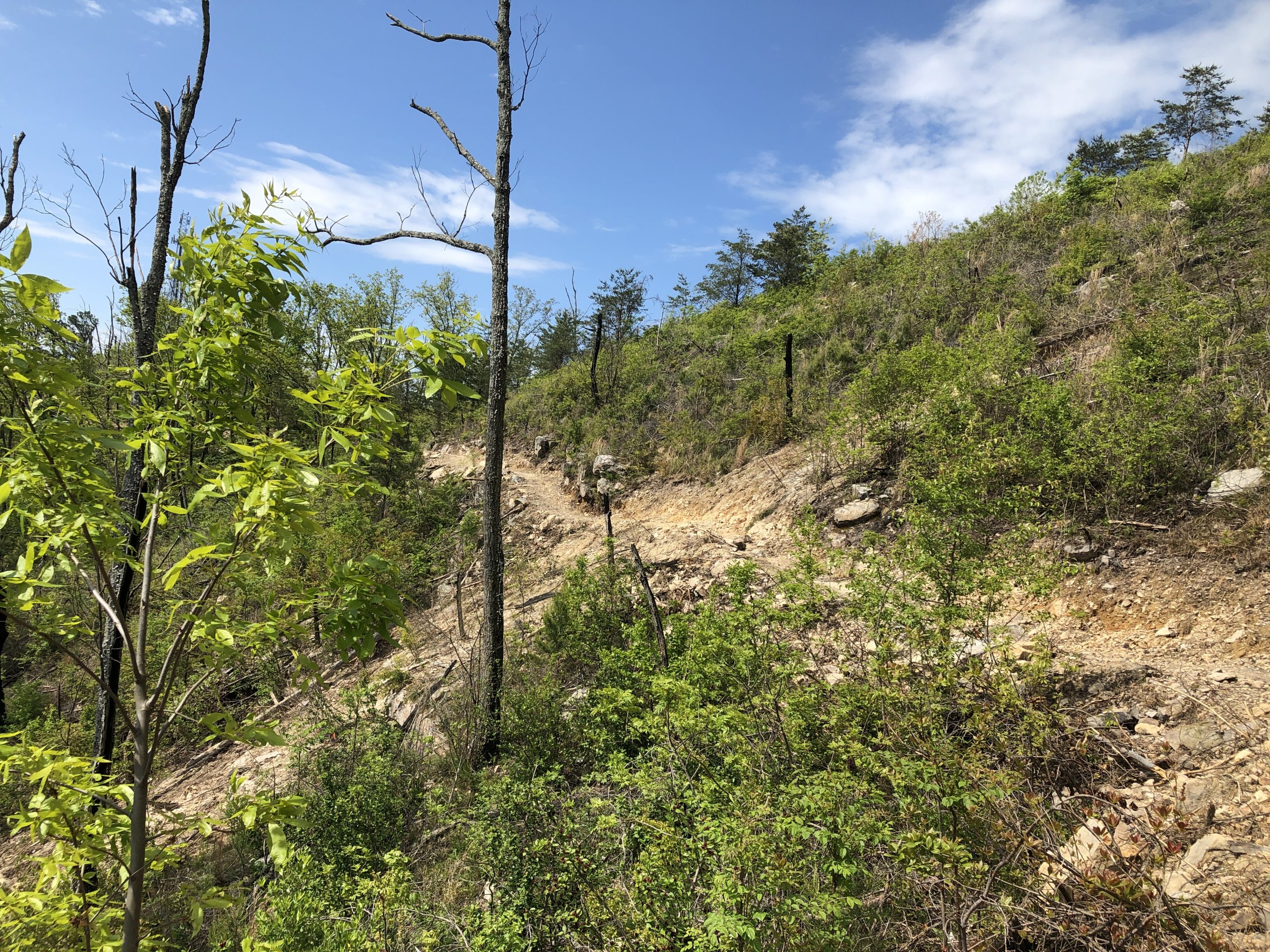
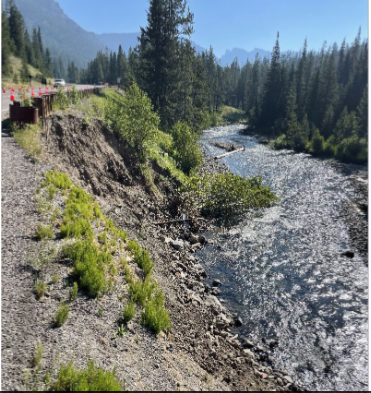
Failed slope on side of road

How Seepage & Internal Erosion Problems Develop

Unlike surface erosion, internal erosion progresses unseen, making early detection critical. Seepage and internal erosion develop when water follows preferential paths through soil or fill, carrying fine particles with it. Over time, this process creates voids, weak zones, and loss of support. Common contributing factors include:

  • Poor or inadequate drainage systems
  • Leaking utilities or culverts
  • High groundwater levels or fluctuating water tables
  • Hydraulic gradients created by elevation changes
  • Unprotected interfaces between different soil types
  • Aging infrastructure with deteriorated drainage features
Warning Signs of Seepage & Internal Erosion

Although the erosion itself occurs below ground, seepage problems often present warning signs at the surface, including:

Persistent wet areas where the ground should be dry

Soft, pumping, or unstable ground

Fine soil deposits or “boils” appearing at the surface

Localized settlement, depressions, or cracking

Water staining or seepage along slopes or embankments

Repeated repairs in the same locations that do not hold

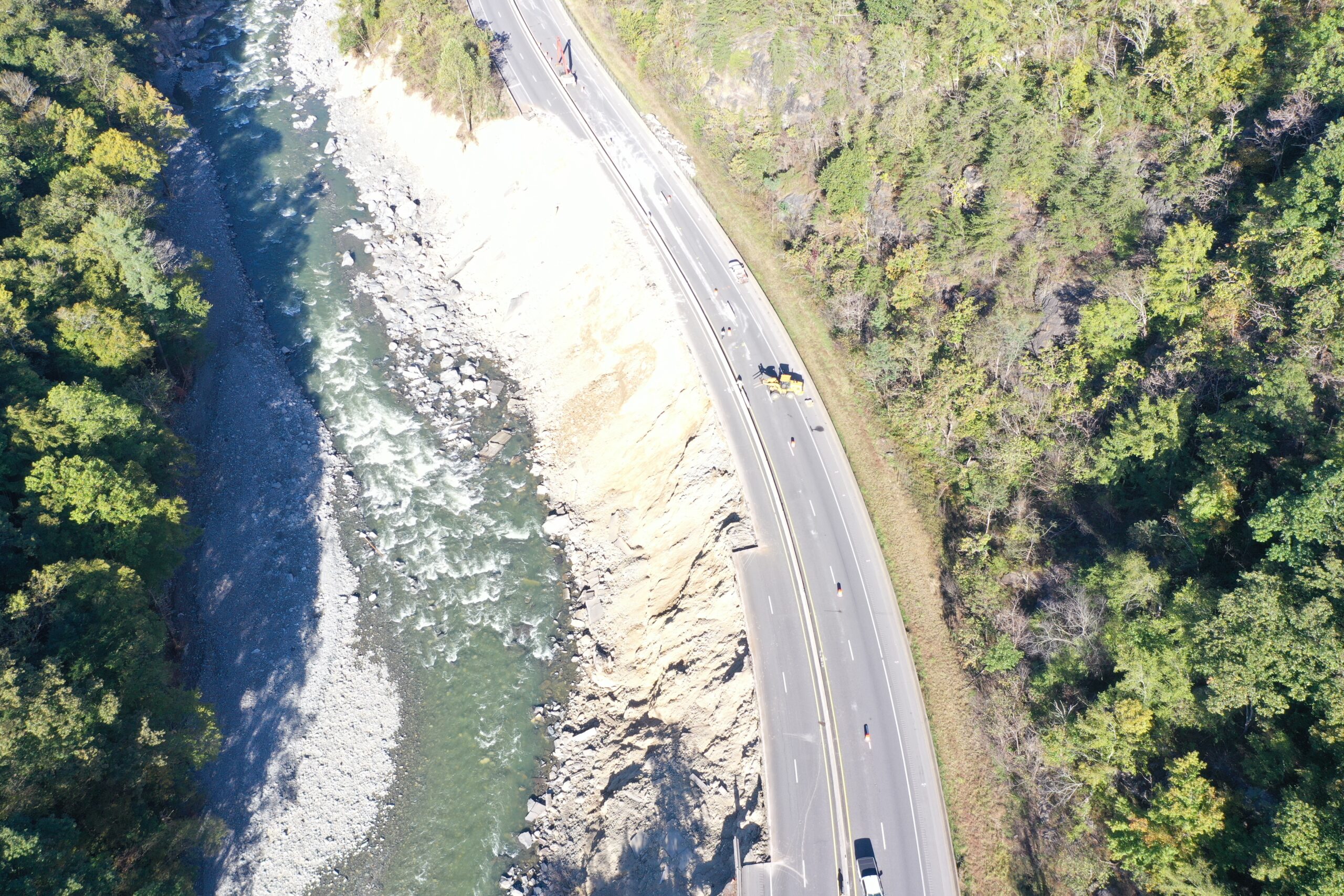
Flooding by road.

Who Seepage Impacts

Seepage-driven erosion poses serious risks for owners and operators responsible for infrastructure where water and soil interact, including:

  • Transportation agencies managing embankments, roadways, and drainage systems 
  • Public agencies and municipalities overseeing stormwater infrastructure 
  • Utility owners responsible for buried pipelines and conduits 
  • Industrial and commercial facilities with slabs, pads, or yards exposed to water intrusion 
  • Property owners and developers in areas with high groundwater or poor drainage 

For these stakeholders, seepage represents both a structural risk and a long-term maintenance challenge.

Identify Hidden Seepage Risks

Request an Assessment

Soft Ground or Active Seepage?

Speak With a Stabilization Expert
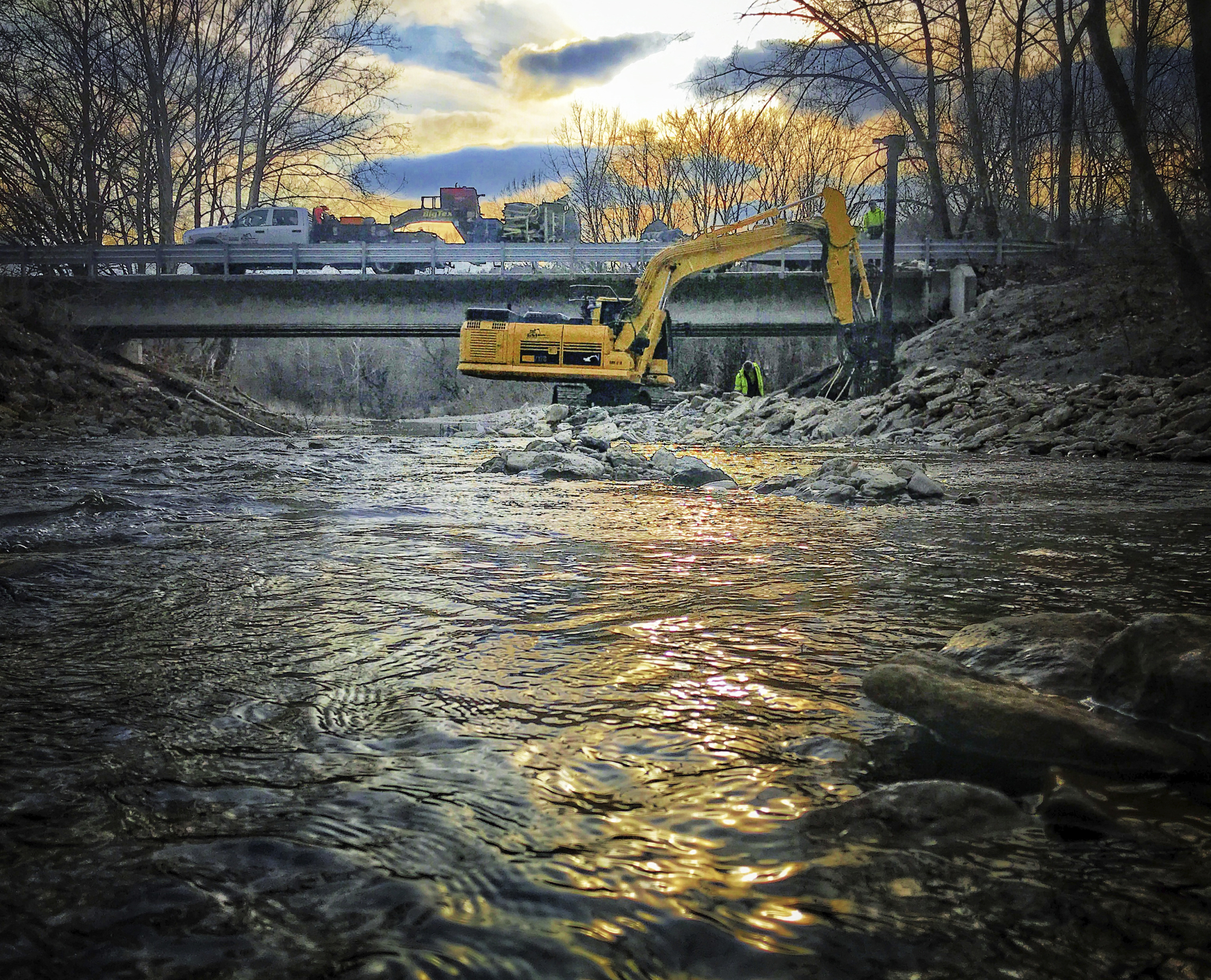
Launcher in river

Why Seepage & Internal Erosion Problems Escalate

Seepage and internal erosion rarely stabilize without intervention. Once internal erosion advances, failure can accelerate rapidly and without warning. Risk increases due to:

  • Continued soil loss along established flow paths
  • Enlargement of voids and weakened zones
  • Progressive settlement and redistribution of loads
  • Increased water flow during storms or seasonal changes
  • Surface repairs that do not address subsurface mechanisms

Consequences of Not Addressing Seepage & Internal Erosion

Early intervention often prevents minor seepage from becoming a major structural failure. If seepage and internal erosion problems are not addressed proactively, consequences can include:

Sudden settlement or collapse of embankments or pavements

Loss of support beneath slabs or foundations

Emergency stabilization under unsafe conditions

Disruption to access, operations, or services

Increased repair costs due to expanded damage

Elevated safety and liability exposure

Frequently Asked Questions

Internal erosion is the process by which flowing water removes fine soil particles from within the ground, creating voids and weakening support.

No. Many seepage paths develop entirely below ground and only become visible once significant damage has occurred.

Yes. As voids enlarge, collapse or rapid settlement can occur with little warning.

Surface repairs alone rarely solve seepage issues unless the subsurface flow paths are addressed.

In many cases, yes, when both soil loss and water movement are addressed together.

Related Solutions

Rockfall hazards can be addressed using a range of engineered mitigation approaches, depending on site conditions, access constraints, and risk tolerance. Commonly applied solutions include:

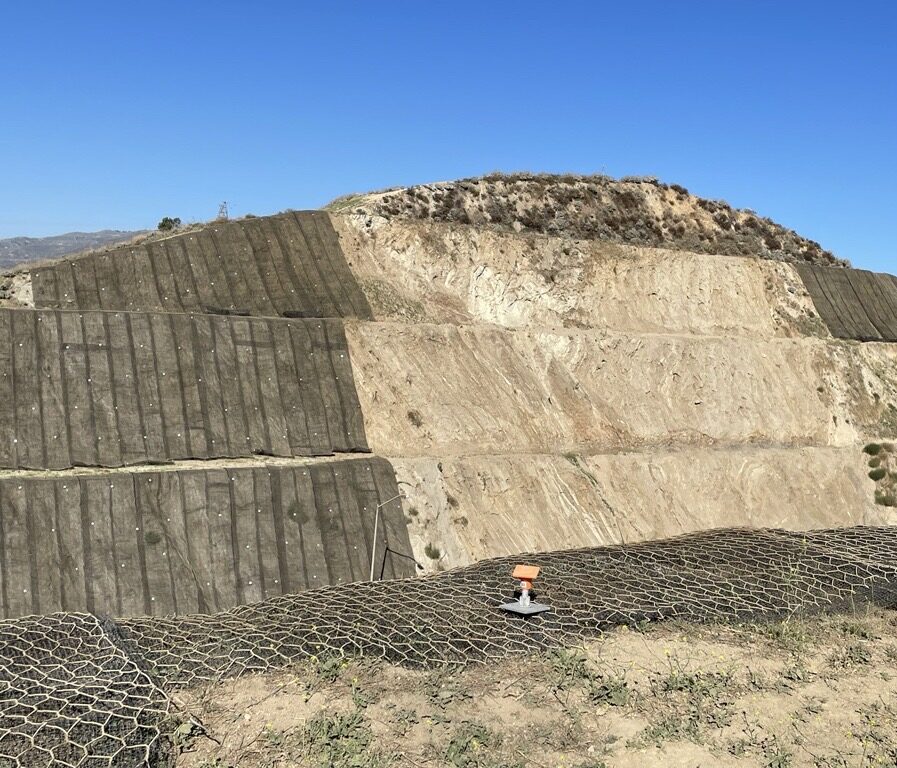
Erosion Control Matting

Why Early Action Matters

Seepage and internal erosion problems are often hidden until they become critical. Early evaluation allows for targeted stabilization and water-control measures before extensive damage occurs, reducing risk, cost, and disruption.

How GSI Helps

No two sites are identical, and the same issue can require an immediate response, a maintenance plan, or a permanent stabilization strategy. GSI helps owners take the right next step with solutions built for safety, constructability, and long-term performance.

Emergency Response

When conditions are urgent, GSI mobilizes quickly to stabilize hazards, reduce immediate risk, and help restore safe access. Our teams deliver field-ready solutions that support critical infrastructure and prevent conditions from worsening.

Ongoing Maintenance

Some problems require recurring attention to keep corridors, slopes, and assets performing safely over time. GSI provides proactive maintenance and targeted repairs that extend service life, reduce repeat failures, and improve reliability.

Planned Stabilization

When it’s time for a permanent solution, GSI designs and builds stabilization systems tailored to site constraints and performance goals. Our teams deliver long-term improvements that strengthen durability, safety, and asset protection.

Client Reviews

Erosion Control for Water Infrastructure in Minnesota

I am sending this to you from Duluth Minnesota where 4 of your employees just finished working on a wall they had put in for us previously. That was a few years ago after Duluth suffered a flood. We are on Lake Superior and St. Louis County wanted to help stop erosion. The guys worked during the rain and just kept on going, like little Energizer bunnies. Nice fellows, all of them!! They are certainly a credit to your company and I feel it is always good to give thanks to people for a job well done. Please let them know how much we appreciated their dedication to get the job done. We will always wish you and your team good days ahead!!

Skilled and Professional Crew Support in New Mexico

I want to thank you and your crew for the exceptional job we just completed. It was a pleasure working alongside Brice and his crew. All of them are very stand-up men and have amazing respect, are knowledgeable with the process and technique, and all deserve an “Atta-Boy”. (Ha-ha). If you could pass this along to your superiors I would appreciate it. Once again, it was a pleasure working with GSI and this crew.

On-Schedule and Professional Project Support in Virginia

As told by GSI Project Development Engineer: I was happy to take a call from [the Residency engineer] today and listened to him tell me how happy he was with the performance of Dylan and entire crew at the Garden Creek site. He had great things to say about the competence, work ethic, and professionalism of the whole team out there, and wanted to thank Dylan for the excellent communication as the project has unfolded. This is no small compliment, as this project began in a potentially negative atmosphere since the public thought we were behind schedule before we ever arrived! Nicely done, guys.

GET IN TOUCH

Contact Us Today

Seepage and internal erosion problems can progress unseen until settlement or sudden collapse occurs. GeoStabilization International delivers targeted ground stabilization and water-control solutions to stop soil loss at its source. Request an evaluation today to reduce risk and prevent costly emergency repairs.

855.579.0536

    How Can We Help?

    • Personal Info
    • Contact Info
    • Project Info
    ***Fees May Apply For Residential Site Visits***

    How Can We Help?

    • Personal Info
    • Contact Info
    • Project Info

    How Can We Help?

    • Personal Info
    • Contact Info
    • Project Info

    By using this website, you acknowledge and agree to our Privacy Policy. This site is protected by reCAPTCHA, and the Google Privacy Policy and Terms of Service apply.