Utah's Salt Lake Valley, Utah Valley, and St. George metro areas sit atop expansive clay formations—Mancos Shale, North Horn Formation, and lacustrine deposits—that swell 4-8% with moisture absorption and shrink during Utah's arid summer months. This seasonal cycle cracks highway pavements, buckles bridge approaches, ruptures water and sewer lines, and progressively damages commercial and transportation infrastructure across the Wasatch Front and southwestern Utah.
GeoStabilization International engineers chemical stabilization programs that permanently modify clay mineralogy, eliminating the swell potential that drives annual damage. Helical pier systems transfer foundation loads below the active zone to stable bearing strata—permanently decoupling structures from expansive soil movement.
Utah's Wasatch Front corridor, Utah Valley, and St. George metro area sit atop aggressive expansive clay formations. Mancos Shale, North Horn Formation, and lacustrine deposits swell 4-8% with moisture absorption—generating seasonal ground movements that crack pavements, buckle bridge slabs, rupture utilities, and progressively damage infrastructure across UDOT's highest-traffic corridors. Utah's arid climate amplifies the damage: extreme moisture differentials between irrigated and non-irrigated zones create localized swell that conventional maintenance cannot address.
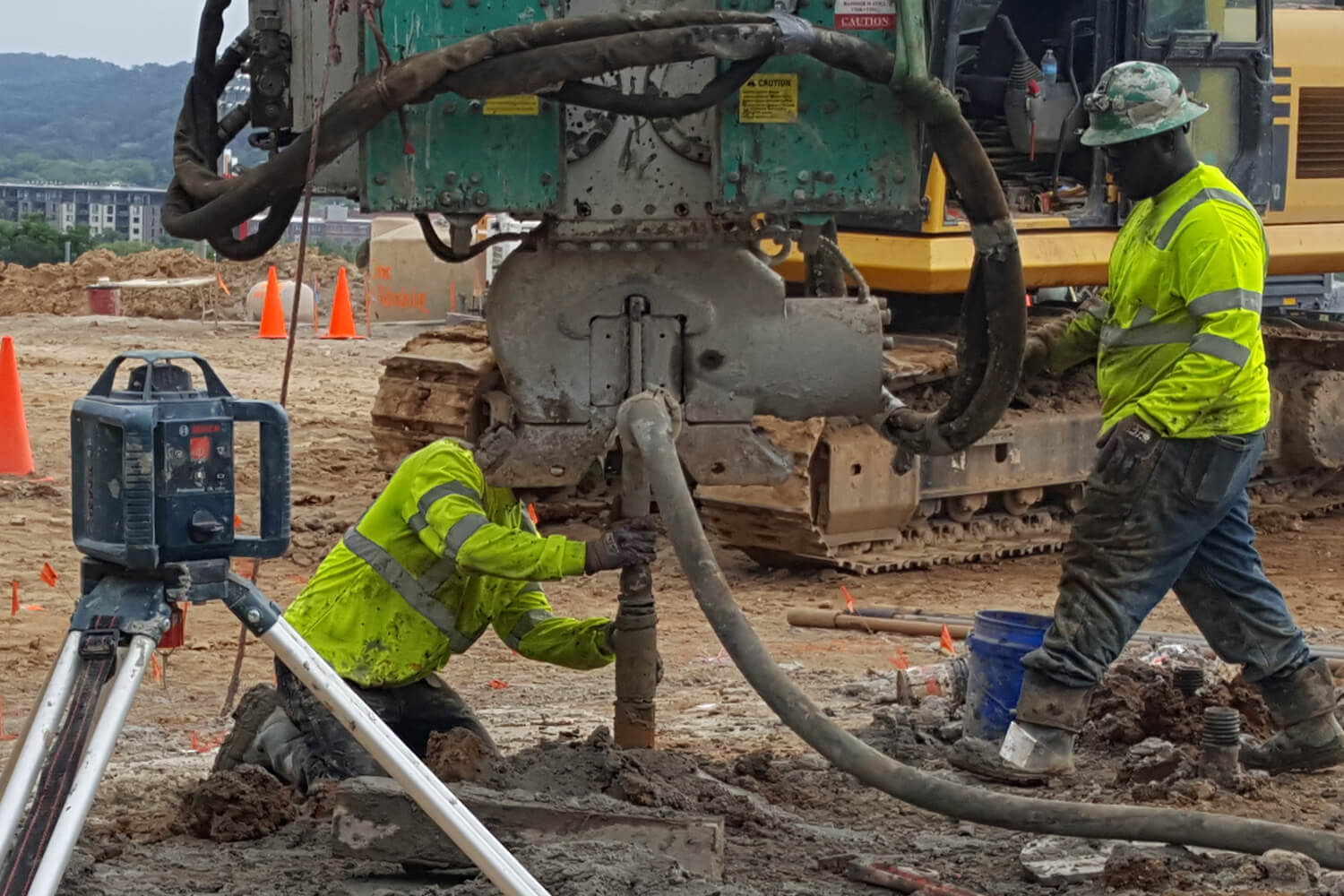
GeoStabilization International engineers chemical stabilization programs that inject lime, cement, or proprietary treatment agents into the expansive clay zone—permanently modifying the mineralogy that drives swell. Post-treatment swell potential drops by 60-80%, eliminating the seasonal volume change that has been destroying your infrastructure year after year. Treatment is designed using site-specific Atterberg limits, swell pressure testing, and moisture profiling to optimize agent selection and dosage for Utah's specific clay characteristics.
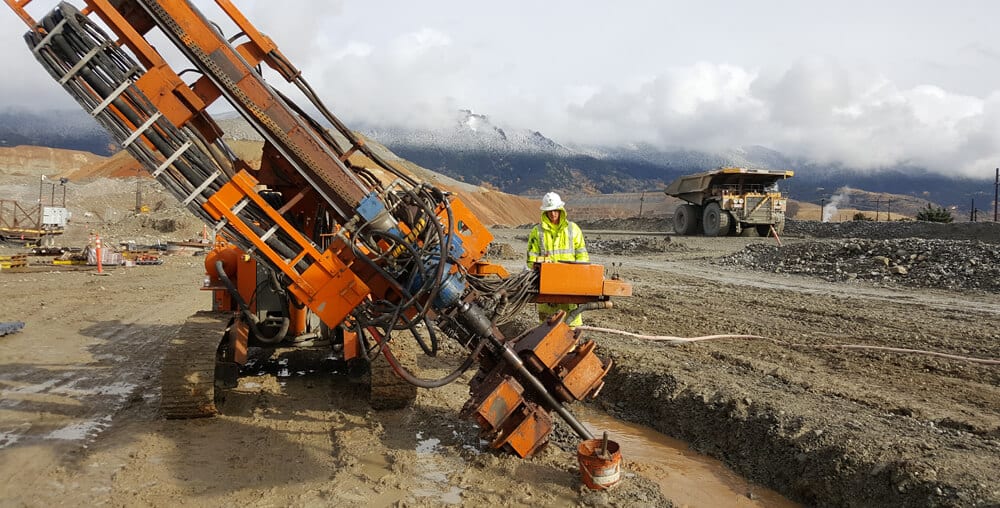
For structures already damaged by expansive soil movement, GeoStabilization International installs helical pier systems that transfer foundation loads below the active zone. These piers screw into stable bearing strata beneath the expansive clay horizon, permanently decoupling your structure from soil movement. Combined with perimeter moisture management, helical piers provide a permanent solution that eliminates the annual repair cycle.
Utah infrastructure owners spend millions annually repairing expansive soil damage—the same pavements, the same bridge approaches, the same utility corridors, damaged by the same seasonal swell cycle. GeoStabilization International's chemical stabilization treats the root cause permanently. One treatment eliminates the swell potential. The repair cycle ends. The annual maintenance budget redirects to other priorities. That permanent ROI is why UDOT and Utah's infrastructure community choose GSI for expansive soil solutions.
One chemical treatment permanently eliminates the swell destroying your Utah infrastructure. GeoStabilization International's ground improvement engineers are ready for your project.