New York's 2,600+ miles of tidal shoreline—Long Island Sound, Fire Island barrier beaches, Montauk Point bluffs, and Lake Erie and Ontario shorelines—face erosion from wave action, storm surge, ice scour, and rising water levels. Coastal highways, rail corridors (LIRR, Metro-North), residential bluffs, and critical utility infrastructure require engineered protection that withstands Nor'easter storm energy while meeting stringent New York DEC and Army Corps permitting requirements.
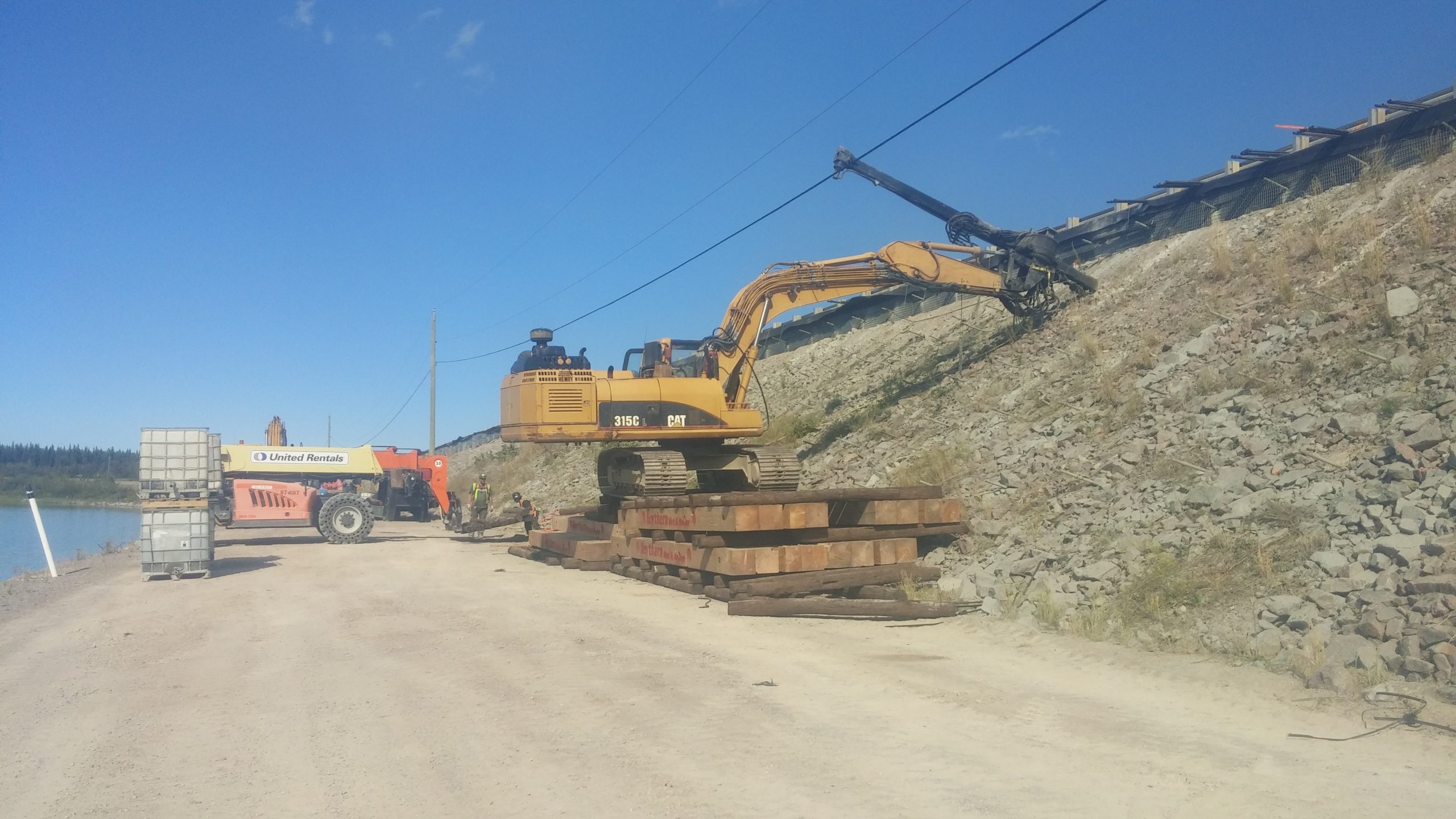
GeoStabilization International designs revetment systems, soil bioengineering solutions, and bluff anchoring that protects New York's shoreline infrastructure. Our engineers integrate coastal process analysis with geotechnical design under one design/build contract.
New York's diverse coastline—Long Island Sound's protected bluffs, Fire Island's dynamic barrier beach, Montauk Point's eroding glacial headland, and the Lake Erie and Lake Ontario shorelines—each presents distinct erosion challenges demanding site-specific engineering solutions. Nor'easter storm systems drive wave energy and storm surge that accelerates erosion rates far beyond calm-weather averages. Ice scour along the Great Lakes shoreline adds seasonal damage that southern coastal regions do not experience.
GeoStabilization International designs coastal protection calibrated to each of New York's shoreline environments. Long Island Sound revetments address fetch-limited wave conditions and tidal erosion. Fire Island solutions account for dynamic sediment transport and barrier island migration. Montauk bluff anchoring stabilizes glacial deposits against both wave undercutting and groundwater-driven failures. Great Lakes shoreline protection addresses ice loading, water level fluctuations, and freshwater wave climates that differ fundamentally from marine conditions.
Coastal erosion projects in New York navigate DEC Tidal Wetlands permits, Coastal Erosion Hazard Area regulations, Army Corps Section 404/Section 10 requirements, and often local waterfront revitalization programs. GeoStabilization International's engineers design for regulatory compliance from initial concept—integrating environmental performance, habitat considerations, and structural protection into solutions that satisfy all permitting requirements simultaneously.
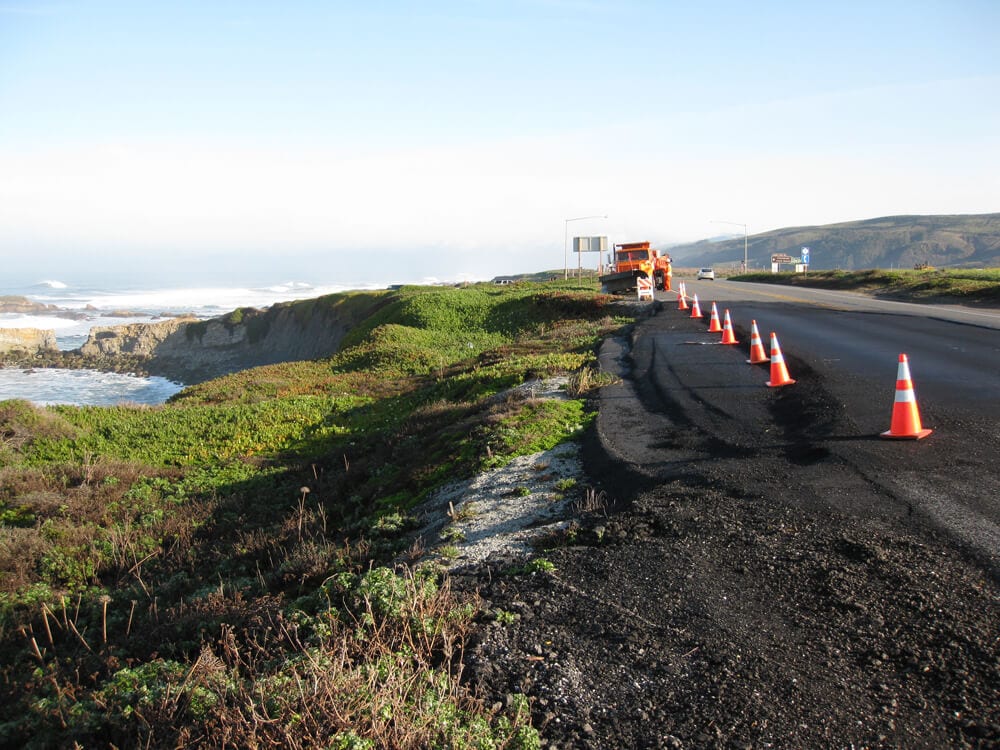
New York's coastal erosion challenges span marine, estuarine, barrier island, and freshwater Great Lakes environments—each demanding fundamentally different engineering approaches. GeoStabilization International designs protection systems for all of New York's coast types under one design/build contract, eliminating the need to engage separate coastal consultants for each shoreline environment. One team designs, one team builds, one warranty covers every installed element.
From Long Island Sound to Lake Erie, GeoStabilization International designs and builds coastal protection under one contract. Talk to a coastal engineer today.