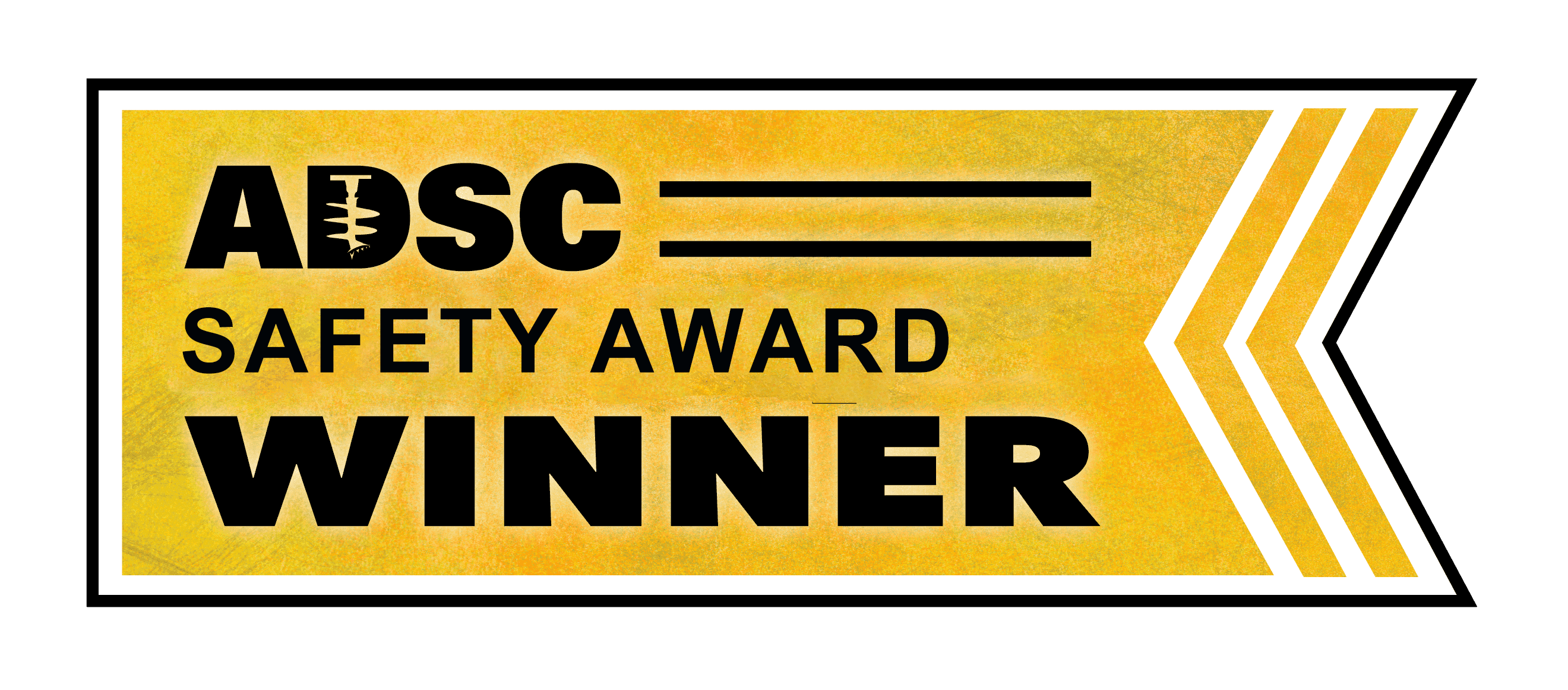

Missouri's sinkhole problem shows up regularly on its busiest transportation corridors. In August 2023, a sinkhole opened on westbound US-60 — the James River Freeway — in Springfield, spanning 36 feet across three traffic lanes and forcing a full closure. Repair required crews to excavate down to solid bedrock, a 30-foot wide by 60-foot long area, before rebuilding the roadway from the bottom up. The Springfield area sits squarely on the Springfield Plateau, underlain by Mississippian-age limestone and cherty limestone that dissolves under groundwater flow and regularly produces new sinkholes without surface warning.
Missouri has over 16,000 documented sinkholes — and the repair approach matters as much as the initial response. A sinkhole patched at the surface without treating the underlying void will fail again. GeoStabilization International deploys void filling, compaction grouting, and chemical grouting programs engineered to address what's actually driving the collapse — with in-house geotechnical engineers who investigate, design, and oversee field execution under a single MoDOT-ready contract.
Missouri's sinkholes don't all behave the same way. On the Springfield Plateau, cover collapse sinkholes develop when clay residuum spanning an underground cavity loses its structural integrity and fails suddenly — sometimes with very little surface warning. In the Ozark Plateau's deeper limestone and dolomite systems, progressive dissolution creates void networks that can span multiple lanes of highway before any surface expression appears. Both settings require site-specific subsurface investigation before treatment begins. GeoStabilization International's engineers and geologists use borehole data and geophysical survey methods to characterize void extent, soil conditions, and dissolution patterns at your specific site — ensuring the grouting program addresses the full scope of the problem, not just what's visible at the surface.
A sinkhole that reopens after initial repair is almost always a sign that the void driving the collapse wasn't fully characterized or treated. GeoStabilization International designs void filling and compaction grouting programs based on verified subsurface data — with real-time injection monitoring during treatment to confirm fill completeness before the repair is closed out. That verification step is what separates a repair that holds from one that requires a return mobilization.
MoDOT and Missouri's infrastructure corridor managers rely on GeoStabilization International's integrated design and construction model. The engineers who characterized your site's void conditions and designed the grouting program stay directly connected to the crews executing the repair. When drilling reveals dissolution patterns or void connectivity beyond initial findings — common in Missouri's karst systems — our team adjusts the treatment program in the field without losing project momentum or triggering a separate change order cycle.
GeoStabilization International's safety program has earned the ADSC Safety Award. Our rope access technicians hold SPRAT and IRATA certifications and operate on active failure sites where conditions are still changing. That safety standard applies on every Missouri sinkhole repair — whether it's a highway emergency or a planned corridor treatment.
Missouri's karst geology keeps producing new sinkholes on active corridors — and surface patches without subsurface treatment will fail again. GeoStabilization International is ready to assess your site, characterize what's underground, and deliver a repair built for Missouri conditions. Request a sinkhole assessment to get started.