Indiana's Indianapolis metro, Terre Haute, Fort Wayne contain high-plasticity clay minerals that swell when they absorb moisture and shrink when they dry—generating ground movements that crack pavements, buckle bridge approaches, displace retaining walls, and rupture buried utilities. This damage cycle repeats with every significant moisture change, and each cycle compounds the structural deterioration from previous events.
Traditional maintenance—patching, mudjacking, seasonal adjustments—treats the visible surface damage while leaving the underlying swell mechanism intact. The clay beneath continues to swell and shrink, and the repair costs accumulate year after year without producing a permanent solution.
Chemical stabilization permanently modifies the clay mineralogy causing expansion. Hydrated lime reacts with montmorillonite clay minerals through cation exchange and pozzolanic reactions—converting swelling minerals into stable, non-expansive calcium silicate compounds. The swell potential drops 70–90% permanently after treatment.
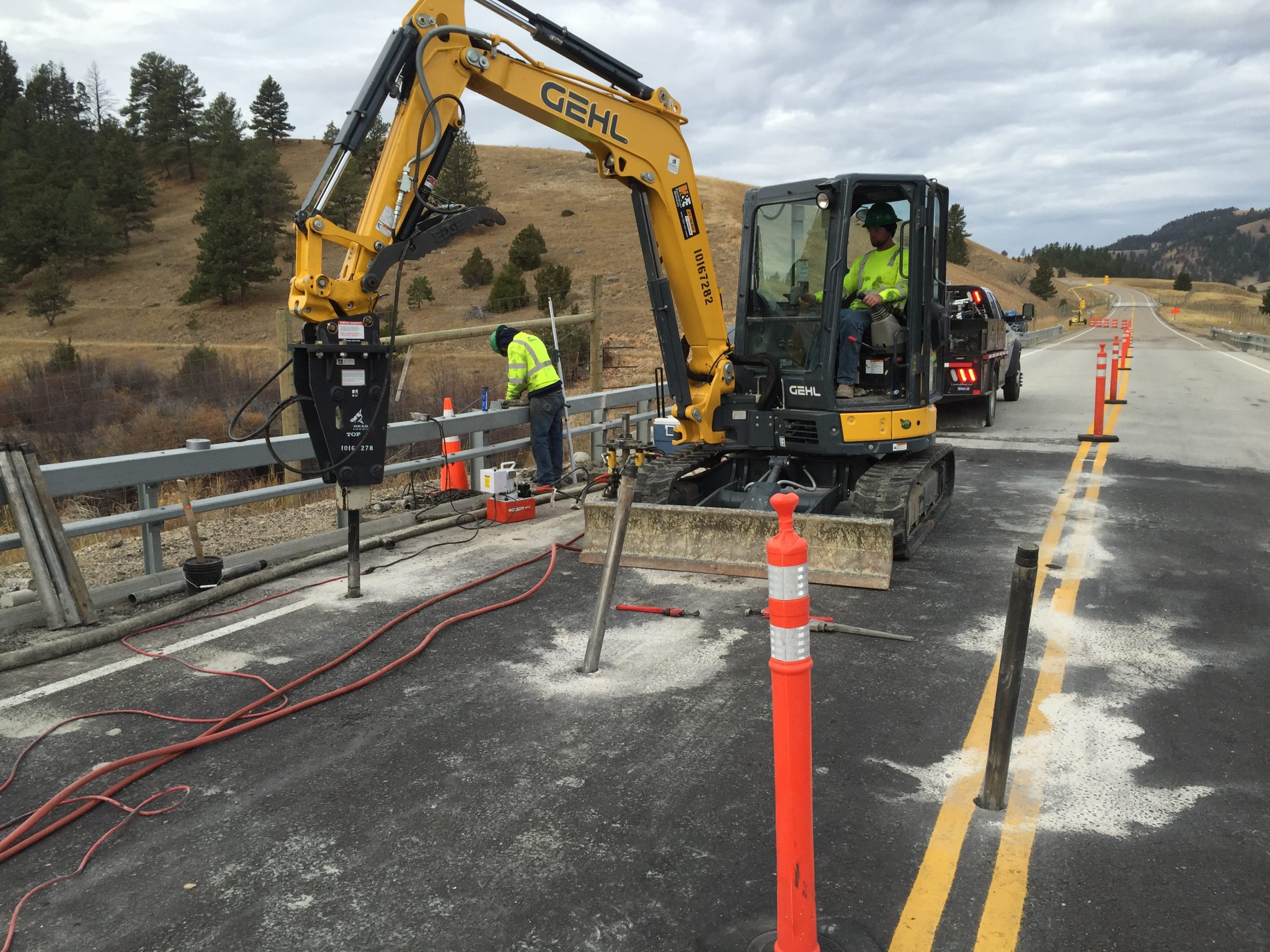
Where soil movement has created subsurface voids or loss of support beneath structures, GSI utilizes compaction grouting and void filling techniques to restore ground integrity. These methods densify loose soils, fill void spaces, and reestablish uniform support conditions—mitigating further settlement or structural distress.
Moisture triggers every expansive soil event. GSI designs drainage systems that intercept surface water and reduce subgrade moisture fluctuation—reducing swell cycle amplitude even in untreated soils. Combined with chemical stabilization, drainage provides layered defense against future damage.
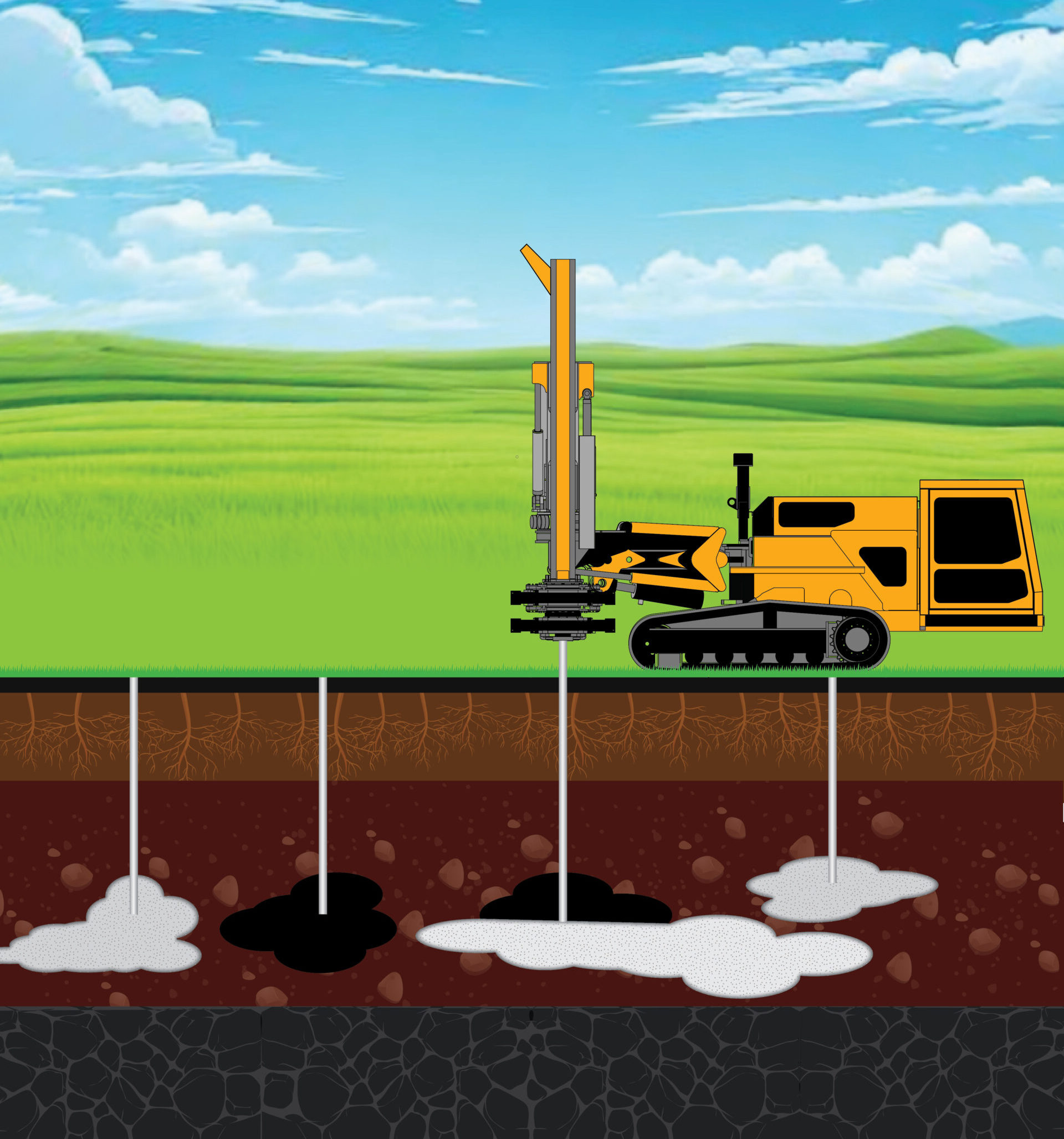
Permanent mineralogy change. Lime reacts with clay at the molecular level—treated soil physically cannot swell again. Ever.
Site-specific dosage design. Indiana's clay formations vary from site to site. GSI tests your specific clay and designs the treatment accordingly.
Active zone targeting. Treatment extends through the full depth of seasonal moisture fluctuation—not just the surface.
Return on investment that compounds. One treatment eliminates annual patching, mudjacking, and regrading costs permanently.
GSI’s engineering team is ready to evaluate your site conditions and identify risks related to expansive soils, subsurface voids, or ground instability. Request a site-specific assessment today and get a targeted stabilization approach built for your project.