Coastal Erosion Control in Georgia

Coastal Erosion Control in Georgia

Revetment and bioengineering systems protecting Georgia's barrier island coastline—Golden Isles, Tybee Island, and Cumberland Island shoreline infrastructure.

Request Coastal Assessment
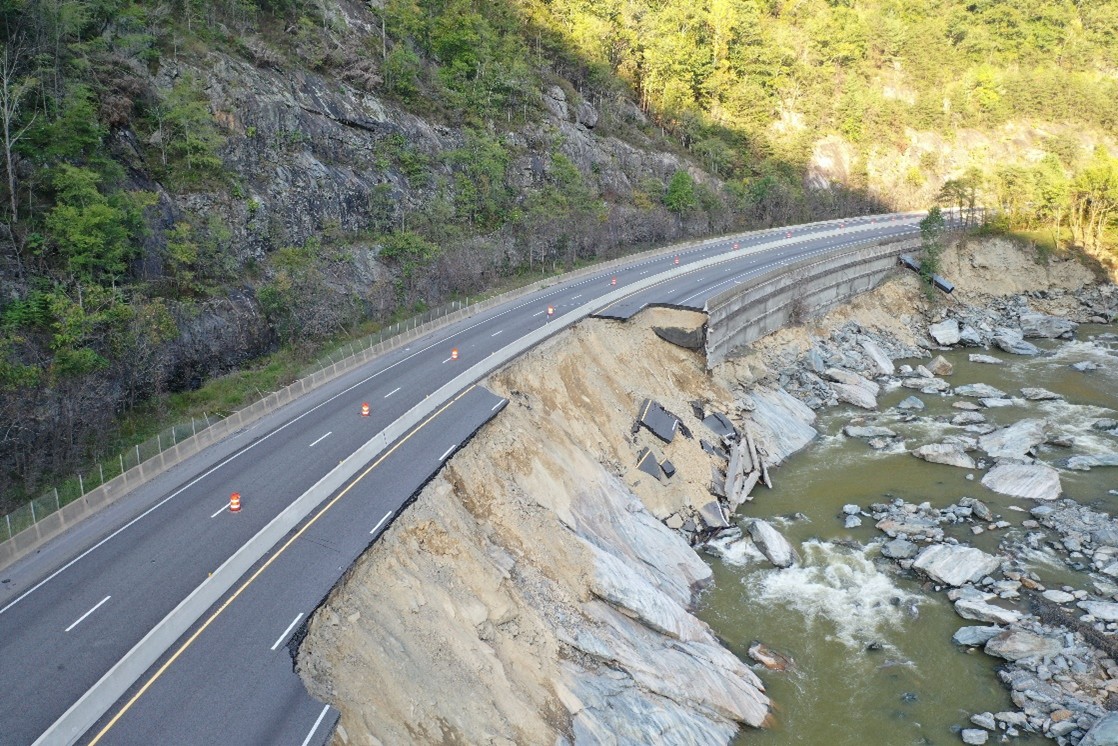
Hurricane Helene - North Carolina - Landslide - Roadway Stabilization

Protect Georgia’s Coast

Georgia's 100-mile coastline—anchored by the Golden Isles (St. Simons, Jekyll, Sea Island), Tybee Island near Savannah, and the undeveloped Cumberland Island—faces accelerating erosion from hurricane storm surge, nor'easter wave energy, and sea level rise that is outpacing natural sediment supply. Barrier island shorelines that protected causeway approaches, utility crossings, and coastal roadways are retreating at rates of 5–15 feet per year along the most vulnerable reaches.

The Georgia coast's unique tidal range—among the highest on the U.S. Atlantic coast at 6–9 feet—creates daily tidal current scour that compounds wave erosion. Marsh-backed shorelines that provided natural buffering are converting to open water as sea level rise drowns vegetation root zones. Every foot of shoreline retreat exposes more infrastructure to direct wave attack during the next storm event.

Geohazard Mitigation in Georgia

Georgia Coastline Losing Ground?

Protect Coastline

Mitigation Starts Here

Explore GSI Solutions

How GSI Protects Georgia's Coastal Infrastructure

Engineered Revetment for Barrier Island Shorelines

Revetment armors Georgia's barrier island shoreline against wave energy, tidal scour, and storm surge. GSI designs revetment systems calibrated to Georgia's specific coastal conditions—the large tidal range means structures must perform across a wider vertical zone than typical Atlantic coast revetment designs.

  • Armor stone sized for hurricane wave energy and Georgia's 6–9 foot tidal range
  • Filter fabric and transition layers designed for the fine sand and marsh substrates
  • Toe embedment below maximum scour depth to prevent storm undermining
  • Transition detailing where revetment meets existing causeway or marsh edge

Living Shoreline Bioengineering

Georgia's warm climate and productive coastal ecology make bioengineered solutions particularly effective. Vegetated revetment, oyster reef living shoreline, and planted marsh terrace systems harness natural processes to stabilize shoreline while enhancing habitat—an approach that satisfies both engineering and Georgia DNR environmental permit requirements.

  • Oyster reef structures that dissipate wave energy and trap sediment naturally
  • Spartina marsh plantings behind structural sills to rebuild eroded shoreline
  • Coir fiber roll installation for immediate bank stabilization with biodegradable materials
  • Integrated designs combining hard armor toe protection with vegetated upper bank

Causeway and Infrastructure Embankment Protection

Georgia's barrier island causeways sit on embankments surrounded by tidal marsh and open water. Erosion at embankment toes threatens the structural integrity of these critical access routes. GSI designs toe protection and embankment armoring that withstands tidal current scour and storm surge without disrupting the surrounding marsh ecosystem.

Georgia Coastal Protection Process

From shoreline assessment through installed protection, GSI follows five steps calibrated for Georgia's tidal range and barrier island dynamics.

Step 1

Shoreline Assessment

Engineers evaluate erosion rates, tidal exposure, storm history, and infrastructure vulnerability along your Georgia coastal reach.

Step 2

Tidal and Storm Modeling

Site-specific analysis of tidal currents, wave climate, and hurricane storm surge establishes design conditions for your protection.

Step 3

Protection Design

Custom revetment, living shoreline, or combination system engineered for Georgia's tidal range and barrier island substrate conditions.

Step 4

Coastal Construction

Crews install protection using tidal-access methods suited to Georgia's marsh-backed barrier island environment.

Warranty

Performance documentation and post-storm inspection protocols established. Warranty coverage on all installed protection elements.

Warranty

Performance documentation and post-storm inspection protocols established. Warranty coverage on all installed protection elements.

Sheet pile installation for slope and erosion control, Route 619

Georgia's Tidal Range Changes Everything About Coastal Design

Coastal protection designed for 2-foot tidal ranges fails in Georgia's 6–9 foot tidal environment. GSI engineers for the coast Georgia actually has:

  • Full-range tidal design. Protection must perform across a 9-foot vertical zone—not just at mean high water.
  • Living shoreline integration. Georgia's productive coastal ecology makes bioengineered solutions more effective and more sustainable than hard armor alone.
  • Georgia DNR permit navigation. GSI designs to satisfy environmental permit requirements from concept—avoiding redesign cycles.
  • Marsh ecosystem compatibility. Protection systems designed to work with marsh dynamics, not against them.

Explore Our Solutions

Client Reviews

Erosion Control for Water Infrastructure in Minnesota

I am sending this to you from Duluth Minnesota where 4 of your employees just finished working on a wall they had put in for us previously. That was a few years ago after Duluth suffered a flood. We are on Lake Superior and St. Louis County wanted to help stop erosion. The guys worked during the rain and just kept on going, like little Energizer bunnies. Nice fellows, all of them!! They are certainly a credit to your company and I feel it is always good to give thanks to people for a job well done. Please let them know how much we appreciated their dedication to get the job done. We will always wish you and your team good days ahead!!

Rock Scaling for Mining Operations in Georgia

Mr. Aguirre, I want to personally thank you for all the effort you and your crew on site at [the quarry] did for me. You were very accommodating. Special point needs to be given to GSI's safety program and its employees for following them strictly. I would honestly say that your organization is one of the top in safety that I have seen in every rope access industry. Please give a couple extra kudos to Fred and Courtney for putting up with me and observing me in order to keep me out of harm’s way. There is no doubt I slowed down their progress. I wish I could remember the whole crews name for they all deserve praise for the jobs that they do. After only two half days of peeling rock, my back is killing me from pushing that bar around. This is a really hard and dirty job (not to copy Rowe) and its workers deserve the utmost respect from the rope access community. I seriously believe you have one of the nastiest. Right up there with the oil industry. This time spent observing and hands on gave me a plethora of information and understanding. I, of course need to see a few other aspects of your industry, not limited to, but to include: drilling (especially horizontally), rigging and lifting (cranes, helicopters, etc.), explosives, and installations of the final products. I hope that with your efforts and others in your industry we can accomplish this soon. In conclusion, thank you again for all your hard work.

Project Support for Water and Power in California

As told by GSI Project Development Engineer: We are currently close to finishing one of five sites proposed for repair to the [local Water and Power Agency]. The agency folks were very impressed with GSI’s professionalism and support during the repair procedures. Our approach to the project, our field crew’s commitment to safely, our expertise in what we do, and our continuous involvement in the project at multiple levels all contributed to their positive feelings about GSI.

Protect Georgia's Barrier Island Infrastructure

Every storm season accelerates erosion on unprotected shoreline. GSI's coastal engineers design tidal-range-calibrated protection for Georgia's unique barrier island environment.

Call (855) 579-0536

    How Can We Help?

    • Personal Info
    • Contact Info
    • Project Info
    ***Fees May Apply For Residential Site Visits***

    How Can We Help?

    • Personal Info
    • Contact Info
    • Project Info

    How Can We Help?

    • Personal Info
    • Contact Info
    • Project Info

    By using this website, you acknowledge and agree to our Privacy Policy. This site is protected by reCAPTCHA, and the Google Privacy Policy and Terms of Service apply.