Coastal Erosion Control in Florida

Coastal Erosion Control in Florida

Engineered coastal erosion control across Florida — Gulf Coast shoreline, Atlantic barrier islands, Keys causeway approaches. Revetment systems, bioengineering, living shoreline integration, and design-build delivery for FDOT corridors.

Request Coastal Assessment
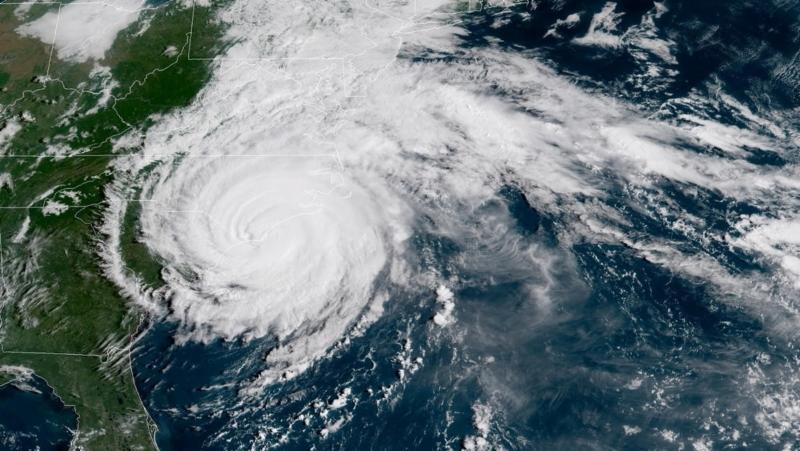
Hurricane Florence satellite view approaching coastline

Coastal Erosion Control Expertise

Florida has approximately 1,197 miles of open coast sandy beaches — and 26.6 percent of that total is designated as critically eroding, meaning development or recreation infrastructure is directly threatened. The state's vulnerability is structural: no point in Florida sits more than 105 meters above sea level, and the majority of its population, transportation corridors, and infrastructure are concentrated in coastal counties where erosion and storm surge operate simultaneously.


Hurricane Ian's 2022 landfall made that risk concrete. A 15-foot storm surge severed the Sanibel Causeway — the only road connecting Sanibel Island to mainland Florida — washing away roadway and causeway approaches and leaving more than 6,400 residents isolated. The barrier island system that Florida's coastal highways depend on is inherently dynamic: storm surge scours sand from beneath roadway approaches, wave overwash severs evacuation routes, and longshore drift continuously redistributes sediment away from stabilized shorelines.


GeoStabilization International engineers revetment systems, bioengineering, and living shoreline solutions across Florida's most vulnerable corridors — with in-house geotechnical engineers who design every solution and field crews who build it under a single FDOT-ready contract.


Geohazard Mitigation in Florida

Florida Coastline Losing Ground?

Protect Coastline

Mitigation Starts Here

Explore GSI Solutions

Coastal Erosion Control Across Florida

Florida's erosion conditions differ significantly between the Gulf Coast and Atlantic shorelines. Atlantic beaches typically experience erosion rates between 0 and -3 feet per year under normal conditions, with extreme events compressing years of change into a single storm. Gulf Coast beaches average lower long-term erosion rates due to reduced wave energy, but are acutely vulnerable to hurricane storm surge — which can remove feet of dune and beach material in hours and undermine causeway approaches and coastal road embankments without warning.

The behavior of barrier island inlets further complicates protection design. Of Florida's 67 barrier tidal inlets, the majority have been modified with jetties or dredging for navigation — changes that interrupt longshore sediment transport and accelerate erosion on the down-current side. GeoStabilization International's engineers assess local sediment transport patterns and inlet dynamics as part of every coastal protection design, ensuring solutions are calibrated to site-specific conditions rather than generic standards.

Shoreline Sediment Transport

Revetment and armor systems that don't account for sediment budget and longshore transport can transfer erosion to adjacent properties, creating new problems while solving the immediate one. GeoStabilization International's approach starts with survey-confirmed data on wave energy, sediment movement, and shoreline change history — information that shapes armor sizing, placement, and toe design for each specific corridor.

Living Shoreline Integration

For Florida sites where hard armor alone isn't appropriate — environmentally sensitive areas, mangrove-adjacent corridors, or locations where natural sediment contribution matters — GeoStabilization International integrates living shoreline approaches alongside structural protection. Vegetated dune reinforcement, oyster reef integration, and bioengineered slope stabilization address the root causes of erosion while working with Florida's coastal ecosystems rather than against them.

FDOT and Florida's infrastructure asset owners benefit from GeoStabilization International's end-to-end design and construction integration. The engineers who assessed your site's wave exposure and sediment conditions stay directly connected to the crews building the protection system. When field conditions differ from initial assessment — as Florida's dynamic coastal geology regularly produces — our team adapts immediately without breaking project momentum.
Florida Coastal Erosion Control Process

GeoStabilization International delivers Florida coastal erosion control solutions through five coordinated stages—from project consultation through long-term monitoring.

Step 1

Coastal Assessment

Contact (855) 579-0536. Our Florida team evaluates conditions and mobilizes specialized resources for your coastal erosion control challenge.

Step 2

Wave Modeling

In-house engineers and geologists conduct systematic investigation of terrain-specific conditions across your Florida project area.

Step 3

Protection Design

Custom revetment systems design engineered by the group who will deliver the field work—under one FDOT-ready contract.

Step 4

Shoreline Construction

Specialized crews deploy advanced equipment across Florida's Gulf Coast shoreline corridor—completing the engineered solution at project-driven pace.

Warranty

Complete documentation aligned with FDOT compliance requirements, with integrated warranty coverage on every installed system element.

Warranty

Complete documentation aligned with FDOT compliance requirements, with integrated warranty coverage on every installed system element.

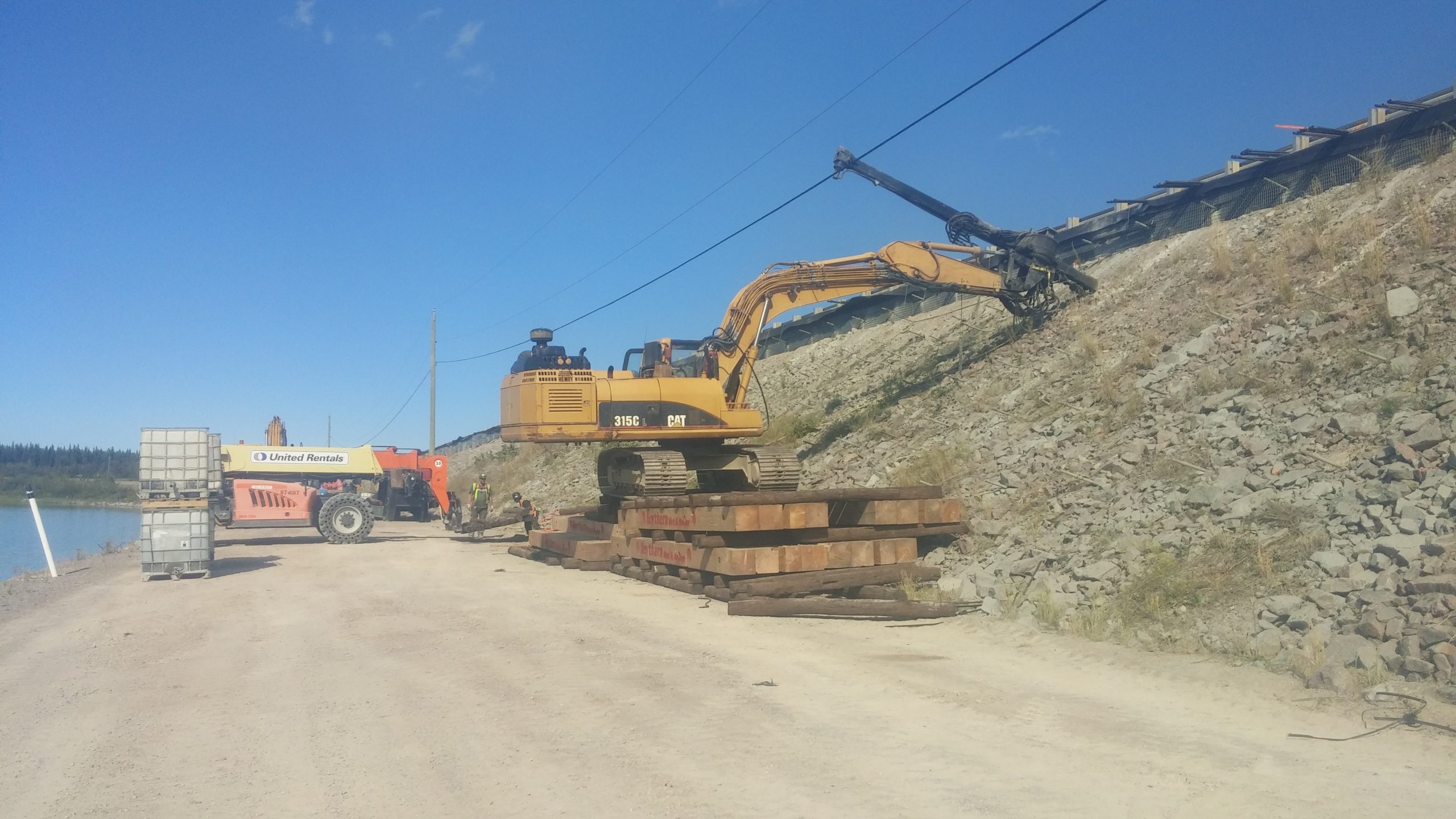
Soil nail installation for coastal stabilization

Single-Source Accountability

When engineering and construction are split between separate firms, conditions that differ from initial assumptions create disputes instead of solutions. GeoStabilization International's engineers and field crews operate as one integrated team under one contract — from first boring to final installation.

Talk to an Engineer

Client Reviews

Erosion Control for Water Infrastructure in Minnesota

I am sending this to you from Duluth Minnesota where 4 of your employees just finished working on a wall they had put in for us previously. That was a few years ago after Duluth suffered a flood. We are on Lake Superior and St. Louis County wanted to help stop erosion. The guys worked during the rain and just kept on going, like little Energizer bunnies. Nice fellows, all of them!! They are certainly a credit to your company and I feel it is always good to give thanks to people for a job well done. Please let them know how much we appreciated their dedication to get the job done. We will always wish you and your team good days ahead!!

Geohazard Mitigation for Transportation in the Mid-Atlantic

Hey Jennifer,

I just wanted to say how much I enjoyed working with you guys on [our project]. Under the circumstances with that big of a job, and traffic volume that was being detoured it was a little stressful, however you all were so easy to work with, it made my job easier! Just wanted to thank you and Ryan for keeping me informed weekly and sometimes daily. Sara did an amazing job with the drill pattern and the engineering side of things. Kyle is one of the best superintendents I have worked with, he is good to his guys and got a lot of work done due to his ability to plan ahead and coordinate. Great experience for me and I really enjoyed working with you all, looking forward to our next job sometime. Please let everyone on the crew know that I really appreciate all their hard work, pleasure meeting everyone!

THANK YOU!”

Project Support for Water and Power in California

As told by GSI Project Development Engineer: We are currently close to finishing one of five sites proposed for repair to the [local Water and Power Agency]. The agency folks were very impressed with GSI’s professionalism and support during the repair procedures. Our approach to the project, our field crew’s commitment to safely, our expertise in what we do, and our continuous involvement in the project at multiple levels all contributed to their positive feelings about GSI.

Florida's Coast Doesn't Stabilize Itself

Storm surge, longshore drift, and sea level rise keep Florida's coastline in constant motion — and infrastructure built in the erosion zone faces that pressure year-round. GeoStabilization International's engineers are ready to assess your site and deliver a protection system built for Florida's coastal conditions. Request a coastal assessment to get started.

Call (855) 579-0536

    How Can We Help?

    • Personal Info
    • Contact Info
    • Project Info
    ***Fees May Apply For Residential Site Visits***

    How Can We Help?

    • Personal Info
    • Contact Info
    • Project Info

    How Can We Help?

    • Personal Info
    • Contact Info
    • Project Info

    By using this website, you acknowledge and agree to our Privacy Policy. This site is protected by reCAPTCHA, and the Google Privacy Policy and Terms of Service apply.