Many of Connecticut's highway retaining walls were built decades ago on glacial till and fractured bedrock, and age-related drainage failure is now a common cause of wall distress. {RETAINING_LINK} work addresses these legacy structures directly.

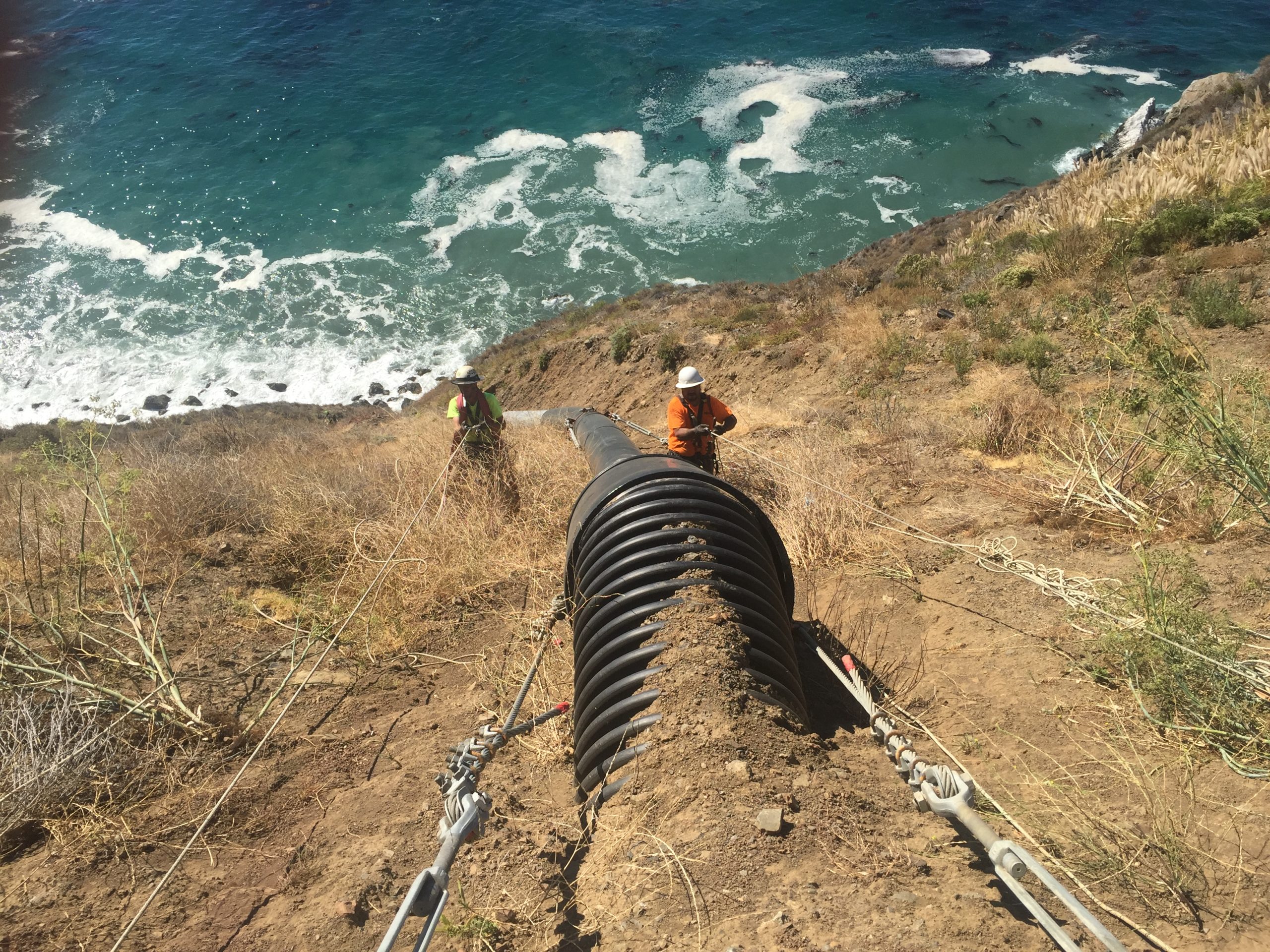
Connecticut's highway network relies on retaining walls built decades ago across glacial till and fractured bedrock terrain, many of which are now showing age-related distress as drainage systems fail and original designs reach the end of their service life. Along the coast, Long Island Sound's shoreline is retreating under sea level rise and storm surge, while inland slopes built on glacially deposited soils can become unstable after heavy rainfall saturates the till.
GSI addresses Connecticut's retaining systems, slope instability, erosion control exposure with solutions ranked against the state's actual terrain and climate.
aging highway walls on glacial till and fractured bedrock is the driver here. GSI addresses it in Connecticut through tiebacks.
Driven by glacially deposited soils destabilized after heavy rainfall, this shows up across Connecticut. GSI's response is soil nailing.
Connecticut sees this where Long Island Sound coastal erosion. GSI resolves it with coastal and bluff stabilization.
Many of Connecticut's highway retaining walls were built decades ago on glacial till and fractured bedrock, and age-related drainage failure is now a common cause of wall distress. {RETAINING_LINK} work addresses these legacy structures directly.
Long Island Sound's shoreline is retreating under the combined pressure of sea level rise, storm surge, and wave action, a slower but steady erosion risk distinct from the sudden hurricane impacts seen further south.
Yes, though modest compared to mountain states. Glacially deposited soils on inland slopes can become unstable after heavy rainfall saturates the till, which is why {SLOPE_LINK} ranks as Connecticut's second priority category.
GSI maintains {FLOOD_LINK} for Connecticut's coastal and inland flood events, pairing emergency stabilization with permanent repair.
I-95's coastal corridor, US-1, Long Island Sound shoreline communities, and the Highland terrain's rock cut retaining structures represent Connecticut's primary points of exposure.
GSI's {DESIGNBUILD_LINK} model is well suited to retrofit projects on Connecticut's legacy retaining walls, where field conditions often differ from decades old original drawings.

Retaining wall and bridge projects often call for updated railing at the same time. RoadGuard's bridge railing services, including retrofits, are delivered by the same sister company network as GSI's structural repairs.
From retaining systems to erosion control, GSI's engineers are ready to assess your Connecticut site.