West Virginia's culvert inventory includes a significant number of NBI-flagged deficient structures in the state's mountainous terrain, where steep drainage gradients and the state's coal-region legacy infrastructure combine to accelerate the corrosion and scour driving culvert deterioration.
It's a recurring example of the Washouts & Scour Damage conditions WVDOT and local owners manage statewide.
Slip-lining for West Virginia's deficient culverts restores structural strength within the existing barrel, addressing NBI-flagged deficiencies without the cost of full replacement on the state's numerous mountain crossings. This is one application of GSI's broader bridge solutions expertise.
Invert paving repairs West Virginia culvert channel beds where steep mountain drainage gradients have accelerated erosion beyond what flatter-terrain culverts typically experience. GSI's soil nailing experience informs this approach.
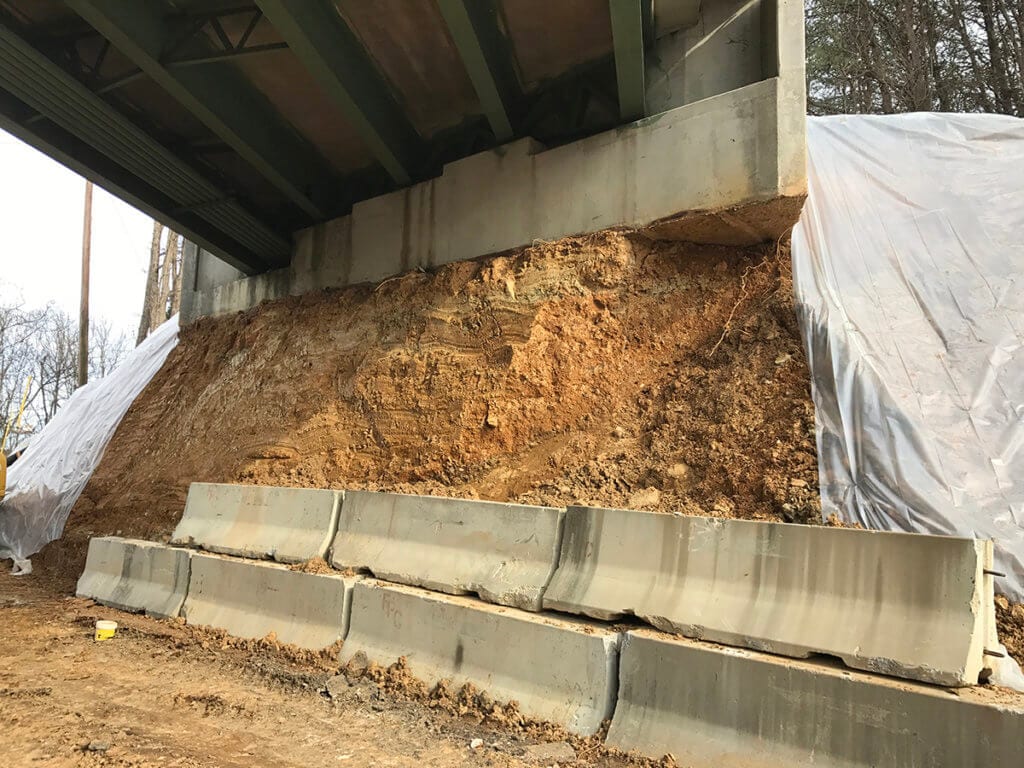
Soil nails and shotcrete stabilize deteriorating West Virginia culvert headwalls, preventing the opening-area erosion steep mountain drainage can accelerate. This draws directly on GSI's emergency bridge repair work.
GSI's transportation infrastructure experience also informs how these West Virginia projects are scoped from the start.
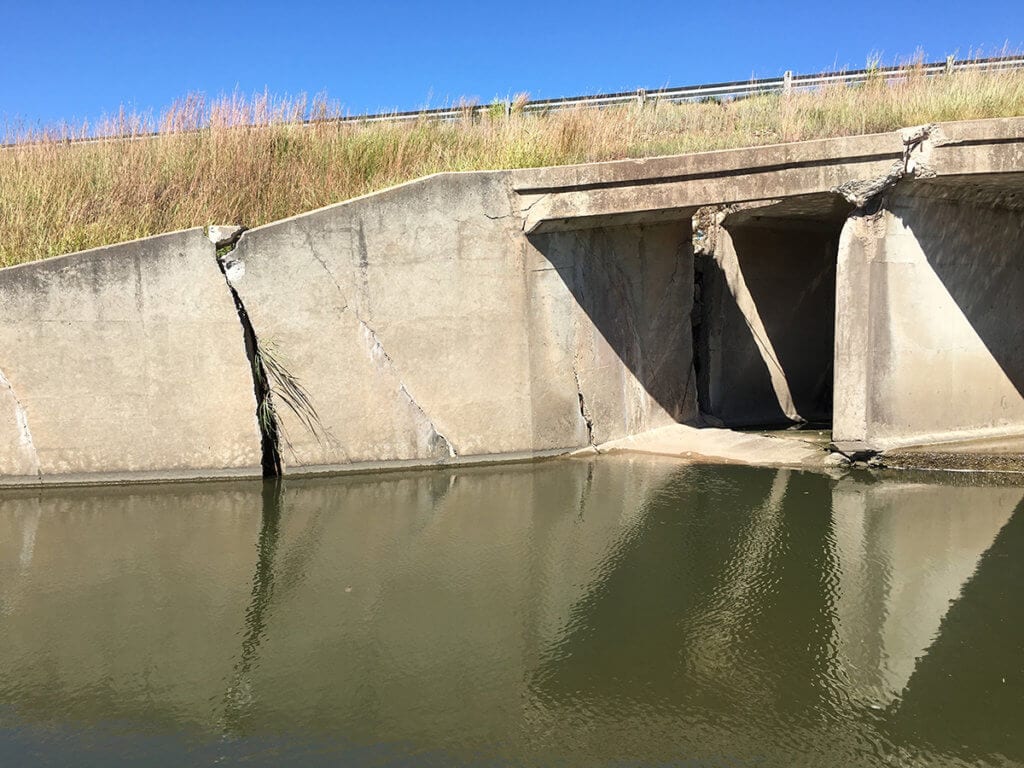
Engineered for West Virginia's conditions. GSI's West Virginia culvert repair targets the state's NBI-flagged deficiency backlog, addressing deterioration steep mountain drainage gradients have accelerated. Supported by water infrastructure and engineers.
Design/build delivery. The same engineers who design also build — removing the handoff delays between design and field work.
WVDOT specification compliance. Project records and installation methods conform to state DOT standards from first submittal.
GSI's engineers are ready to assess culvert repair conditions at your West Virginia site.