West Virginia's horizontal drain applications concentrate on Appalachian slopes where groundwater interacts with both natural fracture networks and, in some areas, abandoned mine voids, giving WVDOT corridors a more complex subsurface water pathway than typical soil slope drainage design assumes.
This pattern is consistent with the broader Steep Slope Stability Issues challenges GSI addresses across the state.
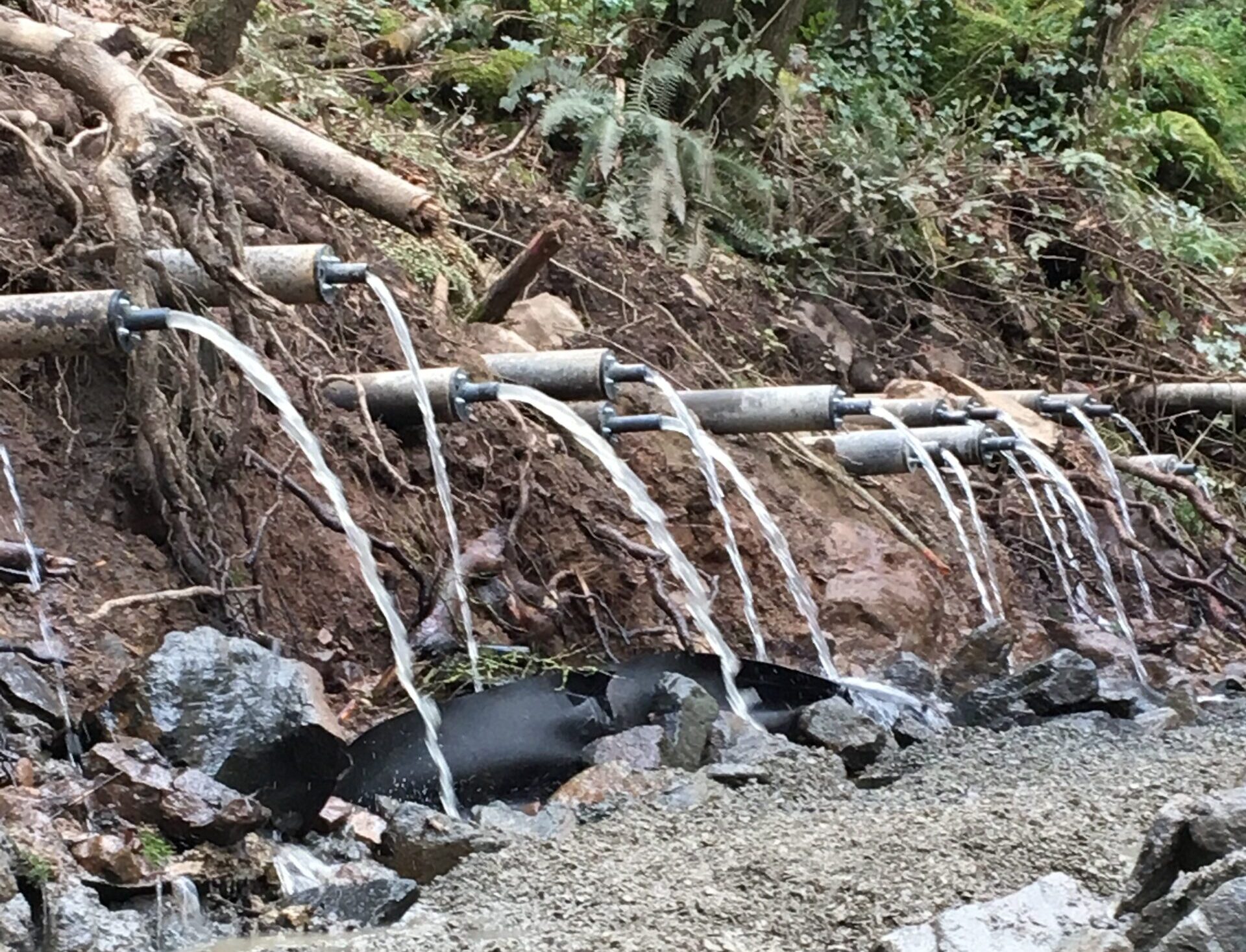
Horizontal drains for West Virginia's Appalachian slopes are positioned based on mapped fracture networks, which often control groundwater movement more than general soil porosity does. GSI's horizontal drains capability supports this step.
Reducing pore water pressure through horizontal drains on West Virginia slopes accounts for potential interaction with nearby mine-related drainage pathways where relevant. This is one application of GSI's broader soil nailing expertise.
GSI pairs horizontal drains with soil nailing on West Virginia's steepest Appalachian slopes where fracture-controlled groundwater exceeds what drainage alone can manage. GSI's landslide emergency response experience informs this approach.
This approach is informed by GSI's broader engineers work across West Virginia.
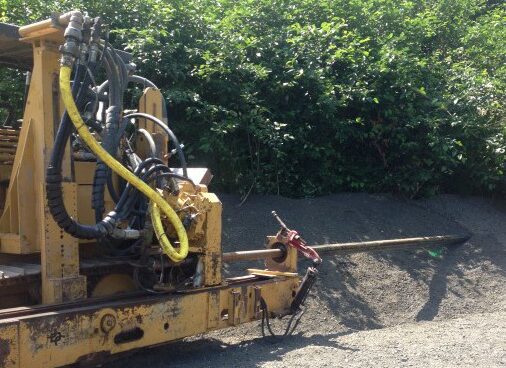
Engineered for West Virginia's conditions. GSI positions West Virginia horizontal drains according to mapped fracture networks — recognizing that fractured Appalachian bedrock controls groundwater movement differently than uniform soil. It's backed by GSI's broader general contractors and our case studies capability.
Design/build delivery. Design and build responsibility sit with one team — avoiding the coordination failures that split design and build.
WVDOT specification compliance. Engineering documentation and installation practices meet DOT standards starting with the first design package.
GSI's engineers are ready to assess horizontal drains conditions at your West Virginia site.