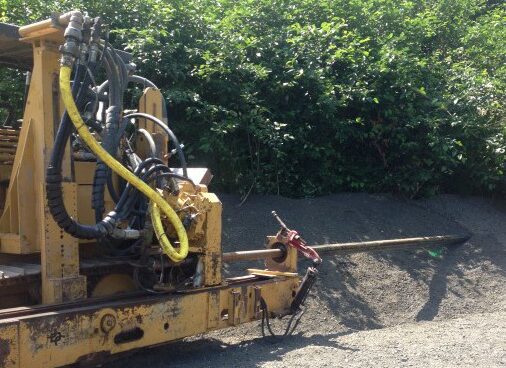
Colorado's horizontal drain applications concentrate on Front Range and mountain corridor slopes where spring snowmelt drives seasonal pore pressure spikes, and CDOT's I-70 corridor sees drainage as an essential complement to the reinforcement work addressing the state's mountain slope instability.
GSI sees this alongside other Steep Slope Stability Issues work across the state's infrastructure network.
Horizontal drains bored into Colorado's mountain slopes intercept spring snowmelt infiltration before it can pressurize failure surfaces along the I-70 corridor. GSI's horizontal drains experience informs this approach.
Reducing pore water pressure through horizontal drains raises the factor of safety on Colorado slopes ahead of the annual spring snowmelt pulse that triggers seasonal reactivation. This draws directly on GSI's soil nailing work.
GSI pairs horizontal drains with soil nailing on Colorado's steepest mountain slopes where snowmelt saturation exceeds what drainage alone can offset. GSI's landslide emergency response capability supports this step.
Where relevant, engineers is factored into the Colorado project plan from day one.
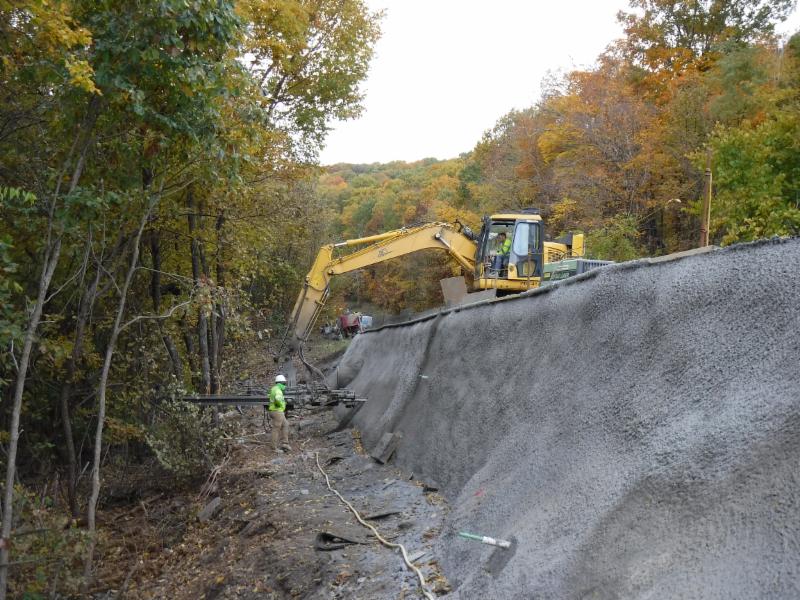
Engineered for Colorado's conditions. GSI positions horizontal drains ahead of Colorado's predictable annual spring snowmelt pulse — the specific seasonal trigger behind most mountain corridor slope reactivation. This is reinforced by GSI's work in general contractors and our case studies.
Design/build delivery. A single accountable team delivers design and build — eliminating the gaps that traditional design-bid-build creates.
CDOT specification compliance. Project records and construction methods conform to DOT requirements from the project's first submission.
GSI's engineers are ready to assess horizontal drains conditions at your Colorado site.