Pennsylvania's void fill needs span both abandoned coal mine workings in the state's historic mining regions and karst dissolution in south-central counties, giving PennDOT and Pennsylvania property owners two distinct void sources requiring the same fundamental compaction grouting treatment.
GSI sees this alongside other Subsurface Void & Sinkhole Problems work across the state's infrastructure network.
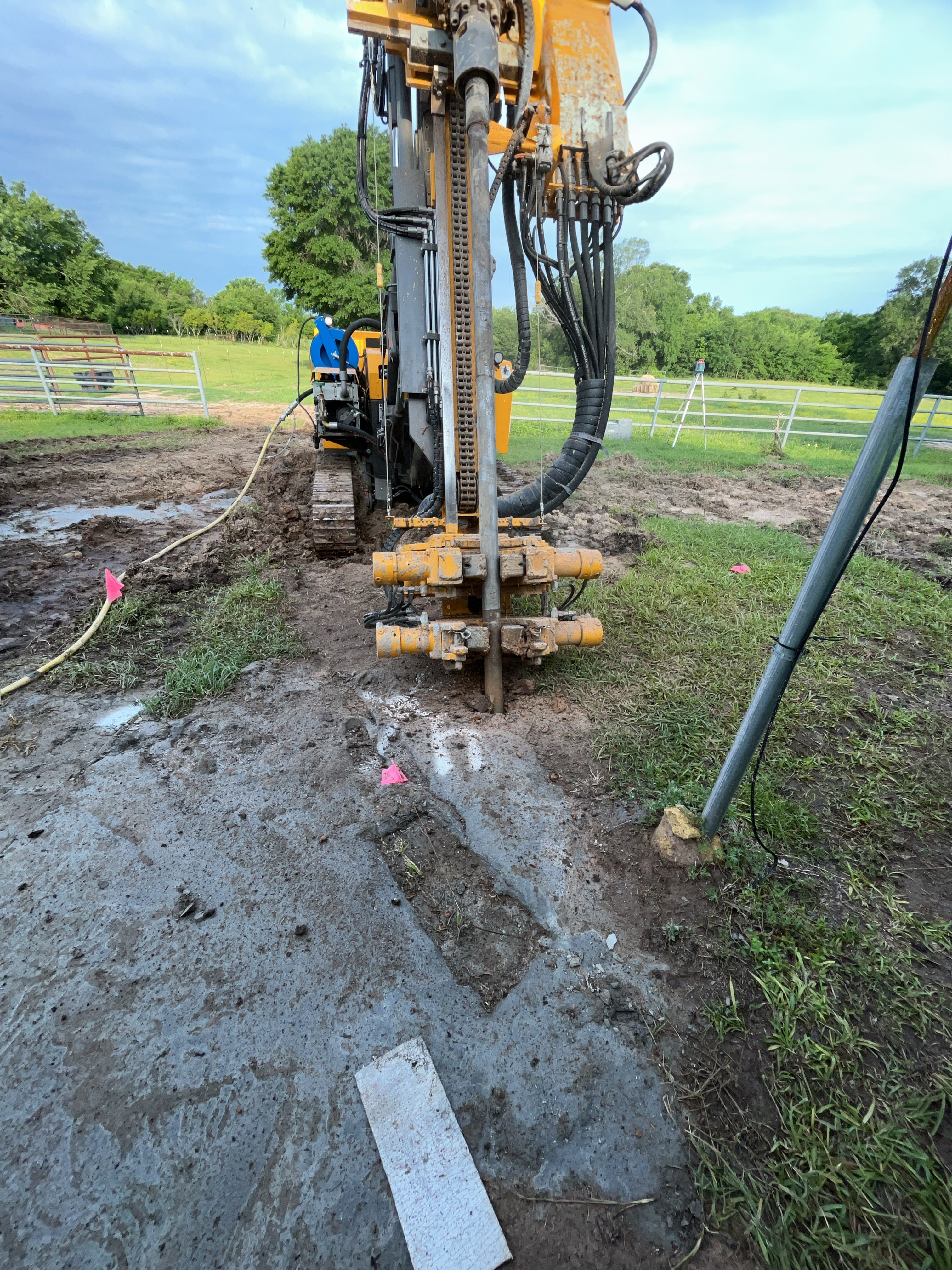
Compaction grouting into Pennsylvania's confirmed voids — whether mine-related or karst-related — displaces water and air to restore structural support using the same core methodology regardless of origin. GSI's compaction grouting experience informs this approach.
Geophysical investigation for Pennsylvania void fill identifies whether a given site's void traces to historic mining or karst dissolution, since this distinction affects surrounding soil conditions even though the fill method remains similar. This draws directly on GSI's ground improvement solutions work.
Injection sequencing for Pennsylvania voids proceeds from base upward with real-time monitoring, adapted to whichever void origin — mining or karst — a specific site presents. GSI's mining operations capability supports this step.
Where relevant, water infrastructure is factored into the Pennsylvania project plan from day one.
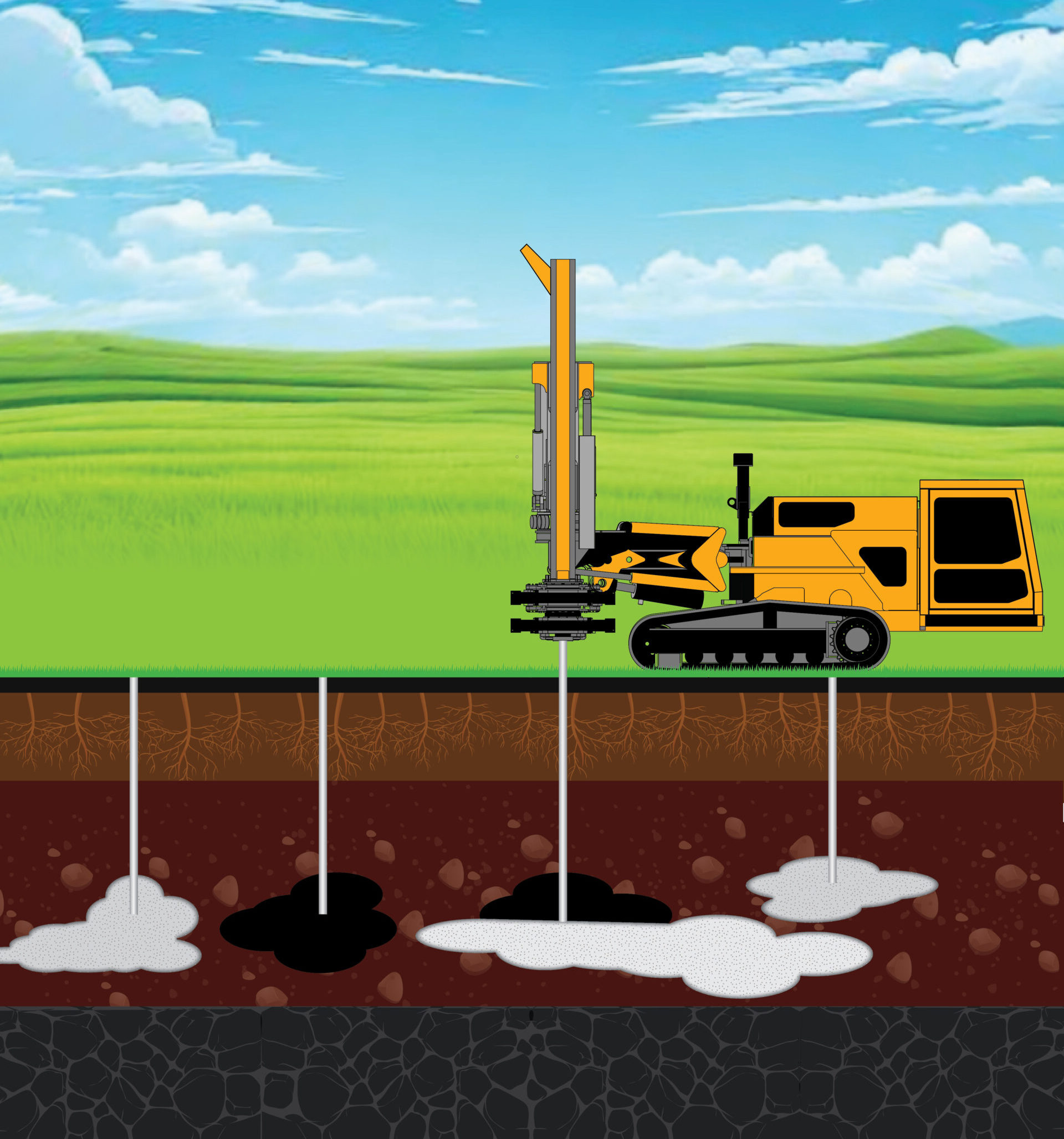
Engineered for Pennsylvania's conditions. GSI's Pennsylvania void fill addresses the state's two distinct void sources — historic mining and karst dissolution — with treatment calibrated to which condition applies. This is reinforced by GSI's work in engineers and our case studies.
Design/build delivery. Engineering and field crews work as one team — removing the friction between design and construction phases.
PennDOT specification compliance. Documentation and installation methods align with DOT standards starting from first design review.
GSI's engineers are ready to assess void fill conditions at your Pennsylvania site.