Much of Texas sits atop expansive clay soils that swell and shrink dramatically with seasonal moisture change. The Blackland Prairie corridor — running from Dallas–Fort Worth through Waco, Temple, Austin, and San Antonio — overlies the Eagle Ford Shale, Taylor Marl, and related formations rich in montmorillonite clay, which can swell 6 to 12 percent as moisture rises and shrink just as sharply during drought. That swell-shrink cycle creates uneven support beneath a structure — saturated soil under one section, dry and contracted soil under another — and the resulting differential movement is the leading cause of foundation damage across the state. TxDOT and Texas commercial property owners alike treat expansive soil movement as one of the most common and costly geotechnical problems they manage.
This pattern is consistent with the broader Foundation Settlement Issues challenges GSI addresses across the state.
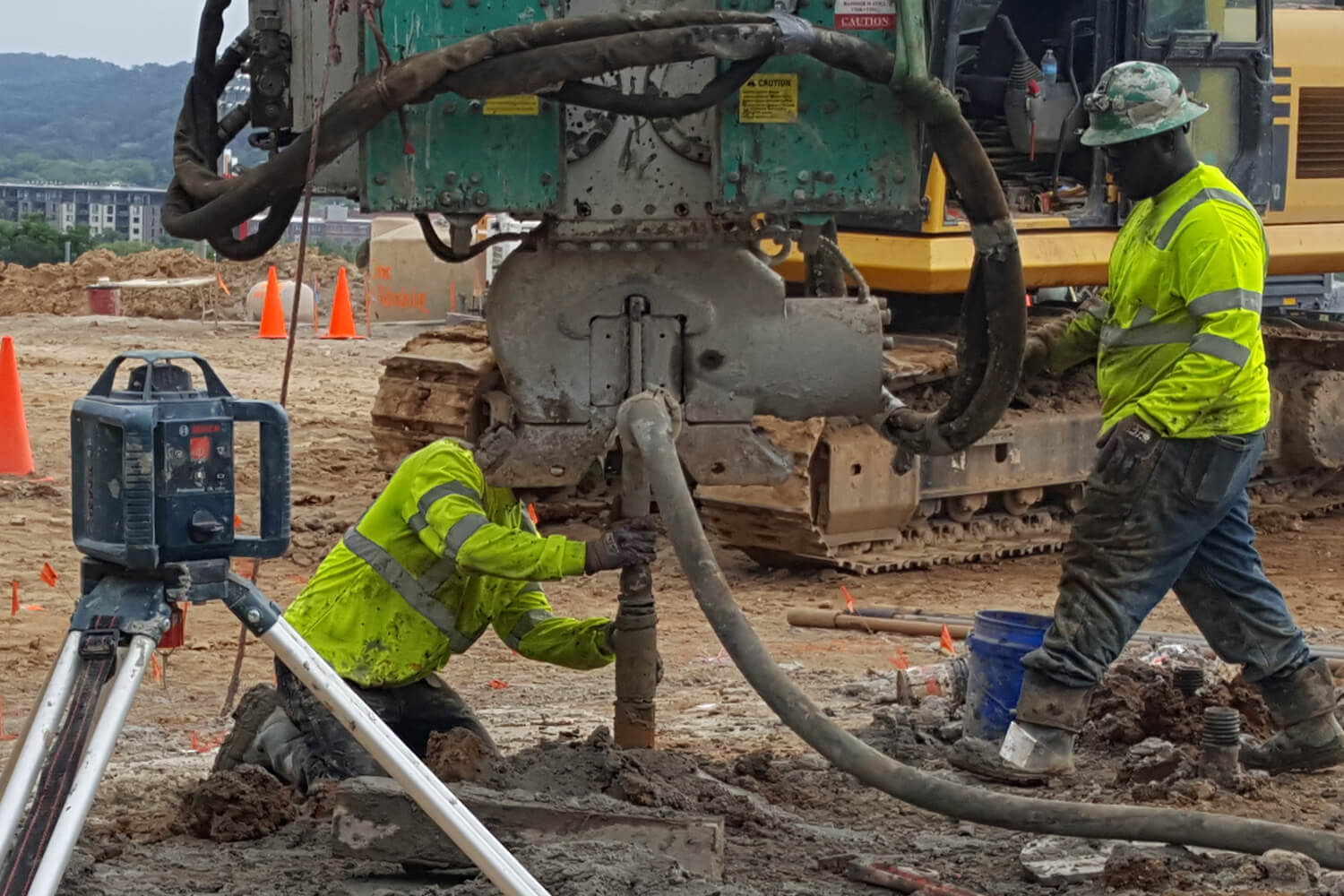
Micropiles are small-diameter, high-capacity piles — typically 5 to 12 inches across — that are drilled and grouted in place, transferring foundation load past the active moisture zone entirely and isolating the structure from the seasonal swell-shrink cycle driving movement. Because installation produces minimal vibration and noise, this approach works well beneath occupied buildings and in limited-access sites. GSI's foundation bearing micropiles capability supports this step.
Helical piers are screwed past Texas's active clay zone into stable bearing material below, providing immediate load capacity without waiting for clay-related ground movement to stabilize on its own. This is one application of GSI's broader foundation footings for sinking structures expertise.
Once underpinning isolates the foundation from further swell-shrink cycling, hydraulic jacks relevel the structure back toward its original design grade, addressing the displacement itself rather than only halting further movement. GSI's ground improvement solutions experience informs this approach.
This approach is informed by GSI's broader engineers' work across Texas, including prompt site assessments and fast proposal turnaround so project teams can move from evaluation to design without delay.
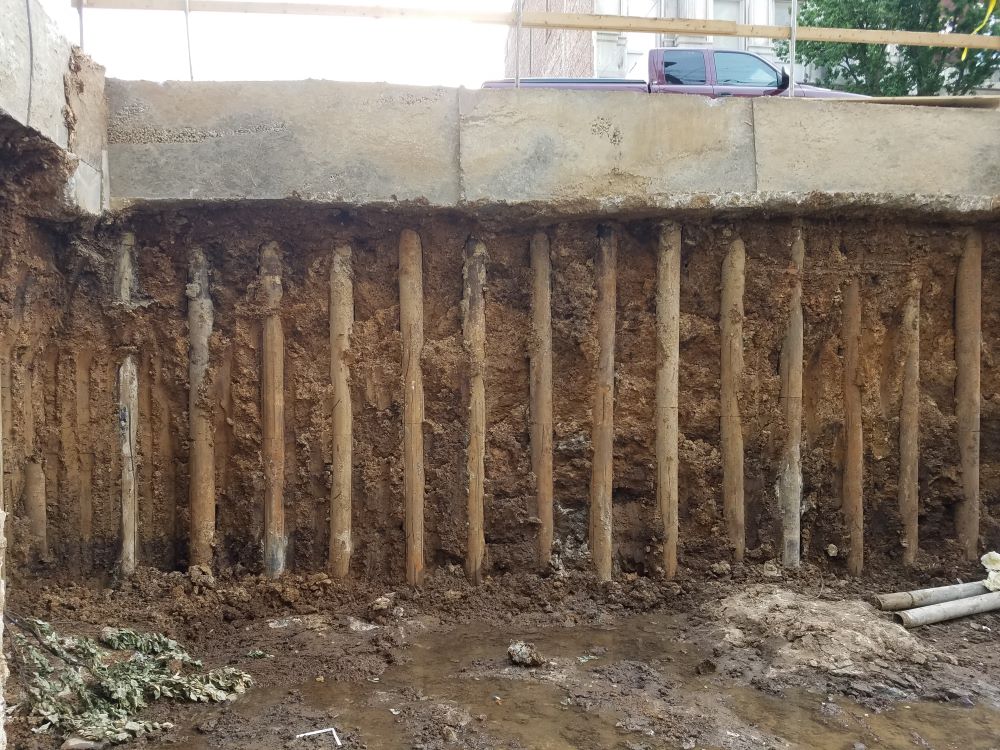
Engineered for Texas's conditions. GSI's Texas underpinning specifically isolates foundations from the expansive clay swell-shrink cycle — the state's single most common foundation movement mechanism. It's backed by GSI's broader commercial properties and asset owners capability.
Design/build delivery. Engineering and field crews work as one team, avoiding the coordination failures that split design and build.
TxDOT specification compliance. Documentation and installation methods align with DOT standards starting with the first design package.
Rapid response when conditions demand it. Beyond planned underpinning work, GSI's emergency response team is available around the clock for sudden ground movement or structural distress affecting roadways, bridges, and commercial facilities.
GSI's engineers deliver a warrantied, design/build foundation solution built to isolate Texas structures from expansive clay movement.