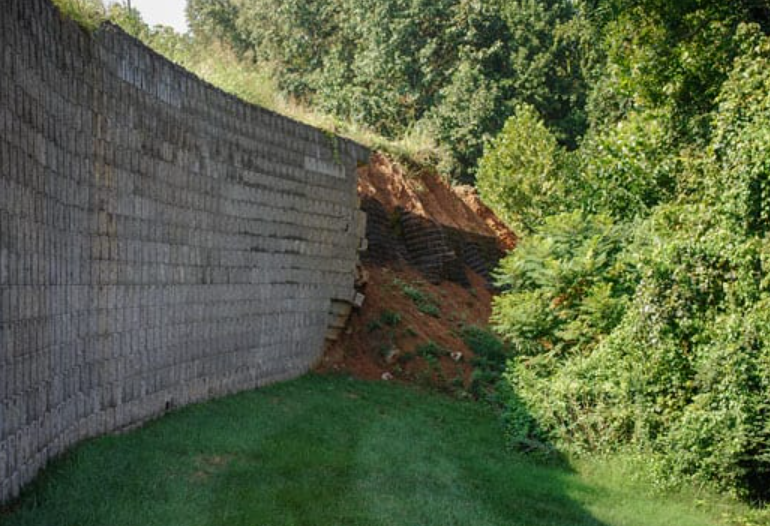
Oregon's retaining walls span the Columbia River Gorge's columnar basalt terrain and the Coast Range's sedimentary formations, and ODOT walls along I-84 and US-101 face distinct challenges depending on which geology underlies them — basalt's blocky jointing on one corridor, weaker sedimentary rock on the other.
This pattern is consistent with the broader Foundation Settlement Issues challenges GSI addresses across the state.
Soil nailing anchored into Columbia Gorge basalt accounts for the rock's columnar jointing pattern, which creates different anchor bond conditions than the sedimentary rock found along Oregon's coastal corridor. GSI's soil nailing capability supports this step.
Helical tieback and buttress systems for Oregon Coast Range walls are designed around the sedimentary rock's lower bearing capacity relative to Gorge basalt, requiring different anchor lengths and capacities. This is one application of GSI's broader retaining wall instability solutions expertise.
Drainage correction on Oregon's coastal walls accounts for the state's persistent marine-influenced rainfall pattern, distinct from the more seasonal precipitation the Gorge corridor experiences. GSI's excavation shoring experience informs this approach.
This approach is informed by GSI's broader engineers work across Oregon.
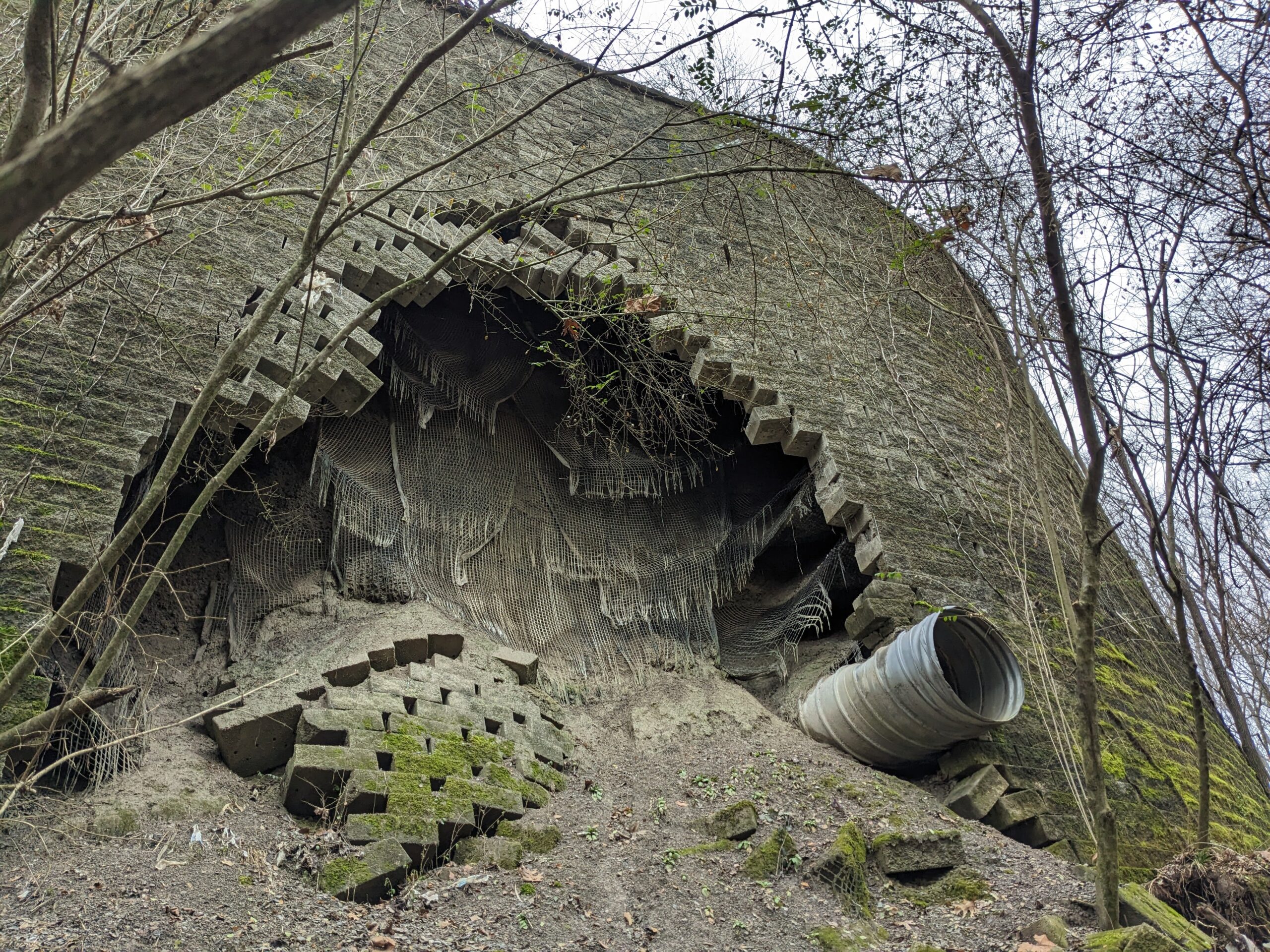
Engineered for Oregon's conditions. GSI differentiates Oregon wall repair by geology — Columbia Gorge basalt versus Coast Range sediment — rather than one statewide specification. It's backed by GSI's broader general contractors and commercial properties capability.
Design/build delivery. The same organization designs and installs — eliminating coordination gaps between engineering and construction.
ODOT specification compliance. Project documentation and field methods comply with state DOT standards from the first review cycle.
GSI's engineers are ready to assess retaining wall repair conditions at your Oregon site.