Washington's retaining walls contend with the Cascade Range's volcanic soil conditions and the Puget Sound region's seismic exposure simultaneously, and WSDOT walls along I-90's Snoqualmie Pass corridor show the compounding effects of saturated volcanic ash soils combined with periodic seismic loading from the Cascadia subduction zone.
GSI treats this as one of several Foundation Settlement Issues issues the state's infrastructure owners regularly face.
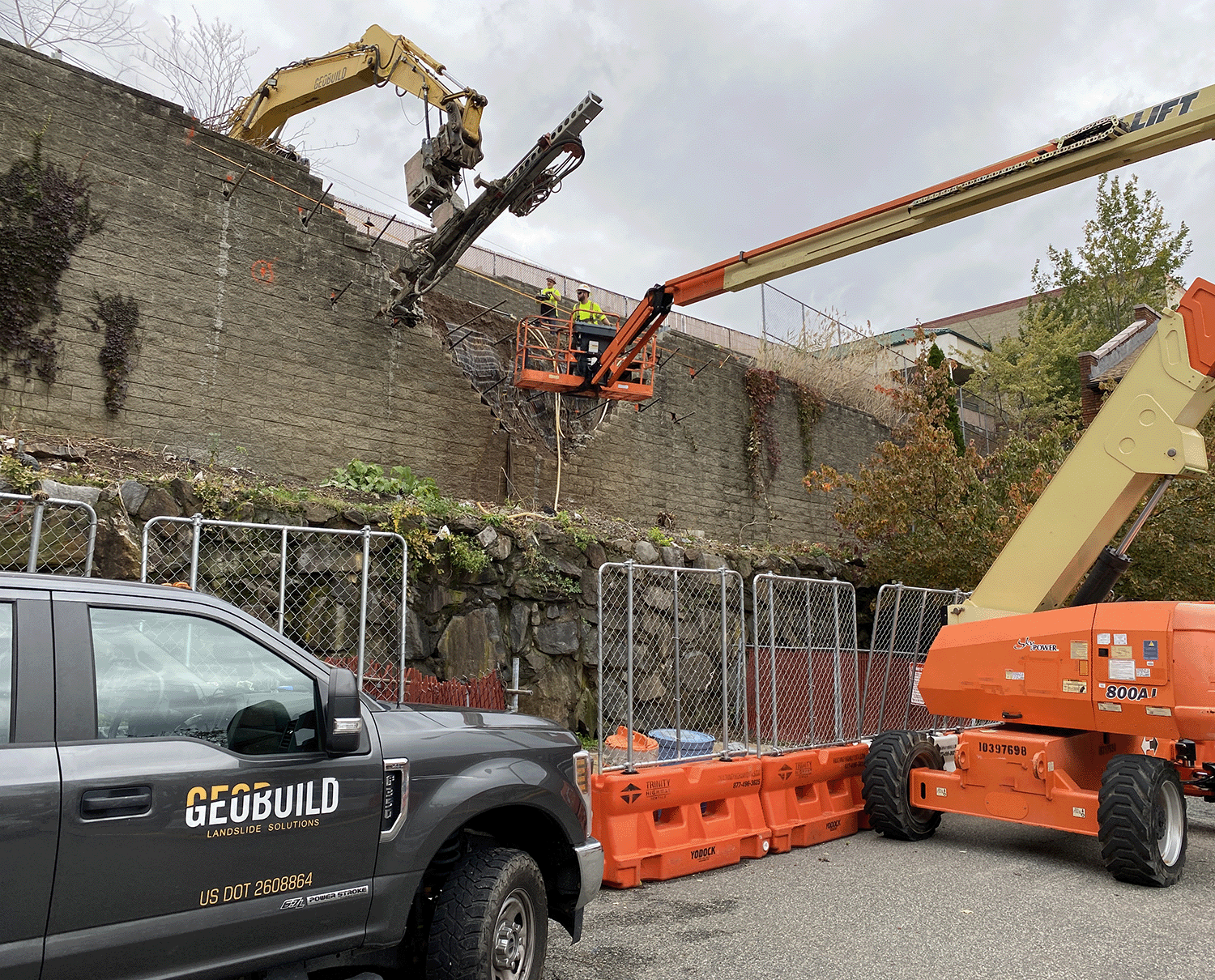
Soil nailing for Washington's Cascade corridor walls accounts for volcanic ash soil's tendency to lose strength rapidly when saturated, a behavior distinct from the more predictable soil types common in drier states. This draws directly on GSI's soil nailing work.
Helical tieback and buttress repairs on Washington walls incorporate Cascadia subduction zone seismic data, since this region faces some of the highest seismic hazard exposure in the continental United States. GSI's retaining wall instability solutions capability supports this step.
Drainage correction is treated as essential rather than supplementary on Washington's volcanic-soil walls, given how dramatically ash-derived soils lose bearing capacity once saturated. This is one application of GSI's broader excavation shoring expertise.
GSI often considers engineers alongside this work when scoping Washington projects.
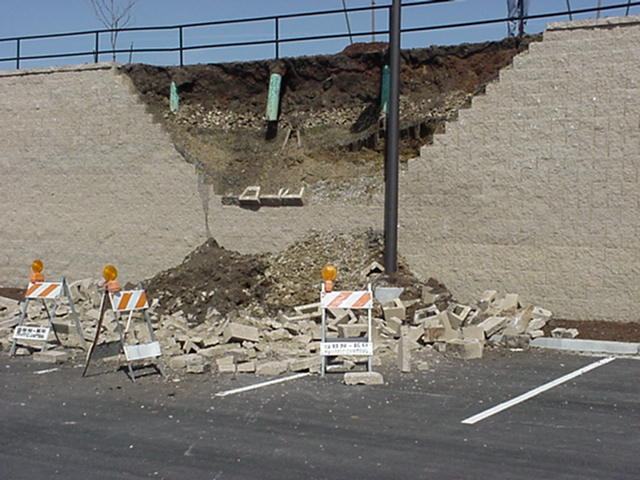
Engineered for Washington's conditions. GSI's Washington wall repairs account for the state's unique combination of volcanic ash soil behavior and Cascadia subduction zone seismic exposure. GSI's general contractors and commercial properties experience backs this approach.
Design/build delivery. A single team handles design and construction — closing the communication gaps that separate design from construction.
WSDOT specification compliance. Design documentation and construction practices meet DOT specifications from the initial submission.
GSI's engineers are ready to assess retaining wall repair conditions at your Washington site.