
New Jersey's ground improvement challenges span the Highlands' fractured rock terrain, the Piedmont's diabase and shale, and the Coastal Plain's sandy sediments toward the shore — and NJDOT corridors crossing all three provinces along I-80 and I-287 require ground improvement calibrated to whichever geology a given site sits on.
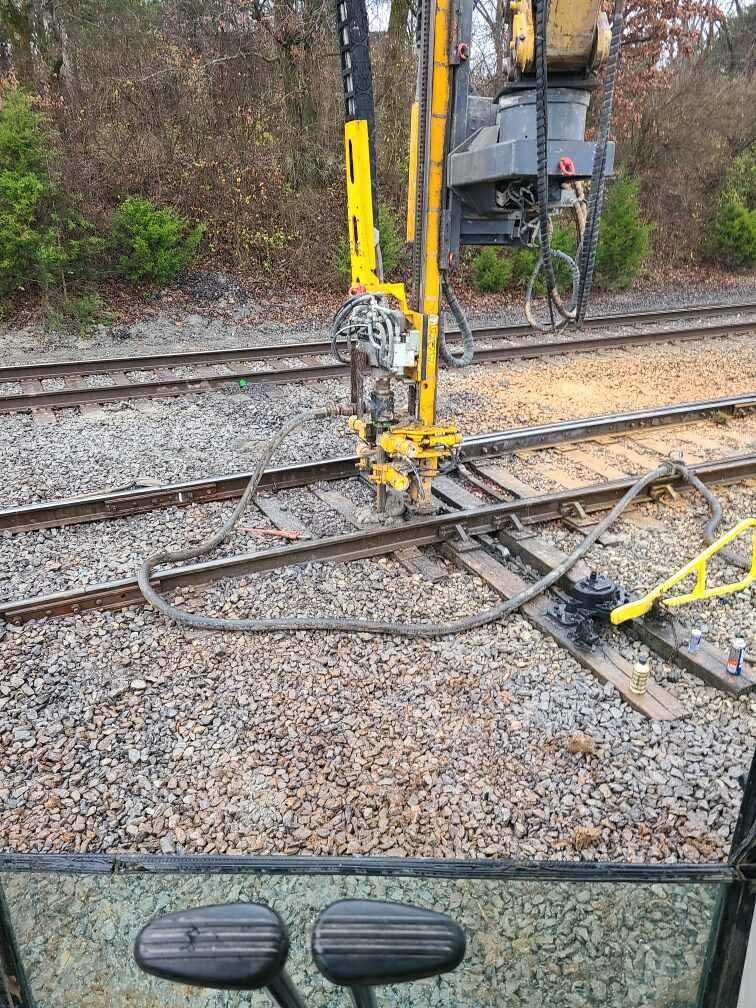
It's a recurring example of the Ground Settlement conditions NJDOT and local owners manage statewide.
Compaction grouting in New Jersey's Coastal Plain sand densifies loose granular fill, while the same technique applied in Highlands fractured rock zones targets void-adjacent overburden — different soil behavior, same core method. This is one application of GSI's broader compaction grouting expertise.
Chemical grouting formulated for New Jersey's variable soils ranges from sand-appropriate low-viscosity fluids near the coast to fracture-sealing formulations suited to Highlands and Piedmont rock. GSI's chemical grouting experience informs this approach.
Void filling in New Jersey addresses fractured-rock voids inland and settlement-related voids in Coastal Plain fill — GSI's investigation confirms which condition applies before specifying treatment. This draws directly on GSI's Subsurface Void & Sinkhole Problems work.
GSI's foundation solutions experience also informs how these New Jersey projects are scoped from the start.
Engineered for New Jersey's conditions. GSI matches ground improvement method to New Jersey's actual geologic province at each site — Highlands, Piedmont, or Coastal Plain — rather than applying one statewide specification. Supported by engineers and commercial properties.
Design/build delivery. A single accountable team delivers design and build — cutting out the delays that separate design from installation.
NJDOT specification compliance. Project records and construction methods conform to DOT requirements from the earliest project submittal.
GSI's engineers are ready to assess ground improvement conditions at your New Jersey site.