Substructure & Culvert Repair in Dallas County

Substructure & Culvert Repair in Dallas County

Dallas County maintains an extensive network of rural and suburban road bridges and drainage culverts outside the city's own infrastructure system, many of them older structures that see scour and clay-driven movement long before a scheduled inspection catches it. GeoStabilization International repairs bridge substructures and culverts throughout Dallas County before that gradual loss becomes a structural or safety problem.

Contact Us
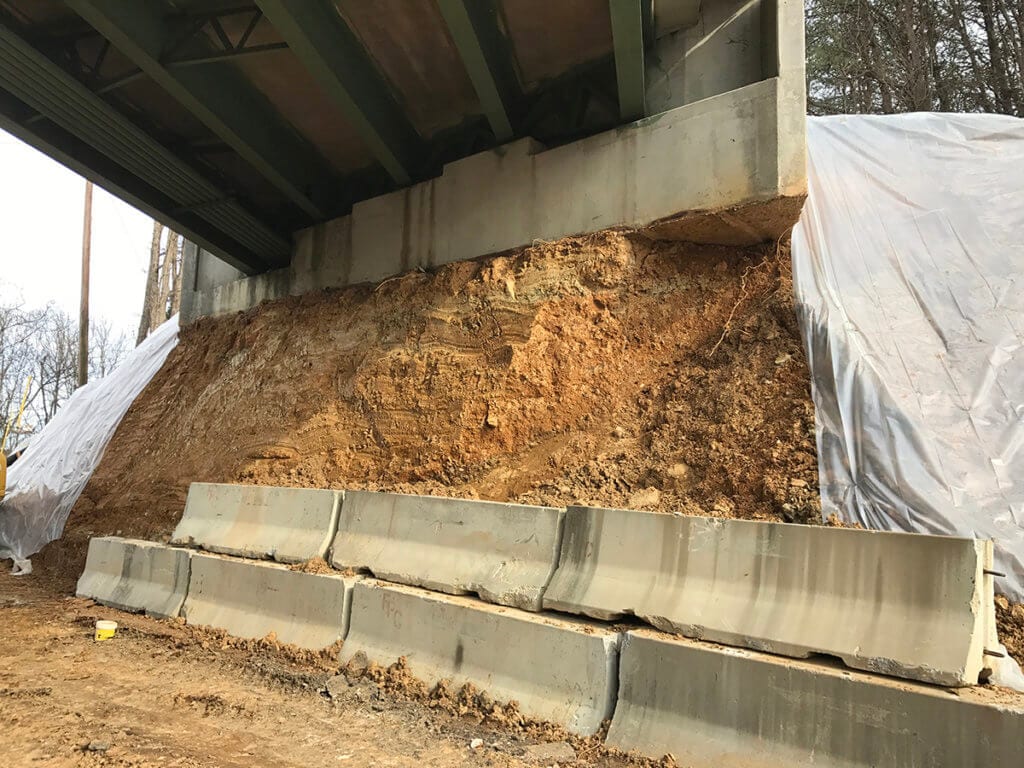
Bridge substructure and culvert repair project

What Is Substructure & Culvert Repair?

Substructure and culvert repair addresses the below-deck components of a bridge or drainage structure, footings, abutments, wingwalls, bearing seats, and the culvert barrel itself, once they've begun to deteriorate. Depending on the specific problem, repair might involve micropile underpinning at the footing, grouting to fill voids around the structure, soil nails and shotcrete to stabilize headwalls, or slip-lining to restore a culvert's hydraulic capacity.

Across Dallas County, the most common driver is the same clay movement and drainage stress affecting retaining walls elsewhere in the county, compounded by scour where an older county-maintained culvert sits in an active drainage path. GSI's Dallas County substructure and culvert work typically includes:

  • Underpinning bridge footings undermined by scour or erosion on county road bridges
  • Grouting voids that have formed around abutments and wingwalls
  • Stabilizing culvert headwalls with soil nails and shotcrete facing
  • Restoring culvert hydraulic capacity through slip-lining and invert paving
  • Repairing bearing seats damaged by beam movement or debris accumulation
  • Addressing abutment settlement caused by seasonal clay movement
  • Reinforcing substructures ahead of increased load or traffic demands

Geohazard Mitigation in Texas

Our Substructure & Culvert Repair Process

Every Dallas County site brings its own ground conditions, so we verify them before committing to a design.

Step 1

Comprehensive Site Assessment

We inspect the substructure or culvert to identify scour, void formation, or bearing seat damage and confirm the underlying cause.

Step 2

Licensed Engineering Design

Our PE-licensed engineers design the repair, whether underpinning, grouting, or shotcrete facing, to the confirmed condition and applicable bridge design standards.

Step 3

Professional Installation

Crews execute the repair with minimal disruption to county road traffic and drainage flow through the structure.

Step 4

Ongoing Monitoring & Support

We verify the repair's performance and remain available for follow-up inspection as conditions around the structure continue to change.

Ready to Secure Your Project?

Request Free Estimate

See Our Success Stories

View Project Gallery

Common Questions

Most repairs complete in 1 to 3 weeks depending on the extent of damage and whether underpinning, grouting, or facing work is required.

Cost depends on the specific damage, structure size, and repair method, which our engineers confirm after inspection before providing a fixed-cost proposal.

Yes. Every repair is designed by a licensed Professional Engineer and meets applicable Texas Building Code and bridge design requirements.

GSI offers 24/7 emergency response and can mobilize a crew within hours if scour or void loss threatens a structure's stability.

We inspect the substructure directly and, where needed, use subsurface investigation to confirm whether scour, void formation, or another cause is responsible.

In many cases, yes. Slip-lining and invert paving can restore a culvert's structural strength and hydraulic capacity without the cost and disruption of full replacement.

It depends on the extent of damage and repair method; we sequence work to minimize closures where possible.

Yes. Bearing seat repair typically involves removing the existing bearing, cleaning and repairing the seat, and reinstalling or replacing the bearing device.

Scour and Void Loss Don't Announce Themselves

Get Your Free Assessment Today

A bridge substructure or culvert losing support underground often shows no warning sign until it's serious. Call (855) 599-5217 to get a Dallas County inspection from a licensed engineer.

    How Can We Help?

    • Personal Info
    • Contact Info
    • Project Info
    ***Fees May Apply For Residential Site Visits***

    How Can We Help?

    • Personal Info
    • Contact Info
    • Project Info

    How Can We Help?

    • Personal Info
    • Contact Info
    • Project Info

    By using this website, you acknowledge and agree to our Privacy Policy.