Void Filling in Austin

Beneath a lot of West Austin's limestone bedrock, dissolution has already carved out cavities that haven't yet collapsed at the surface, voids sitting quietly under a foundation, driveway, or roadway until soil finally ravels enough to open a hole. GeoStabilization International fills subsurface voids throughout the Austin metro before that raveling reaches the surface.

Contact Us
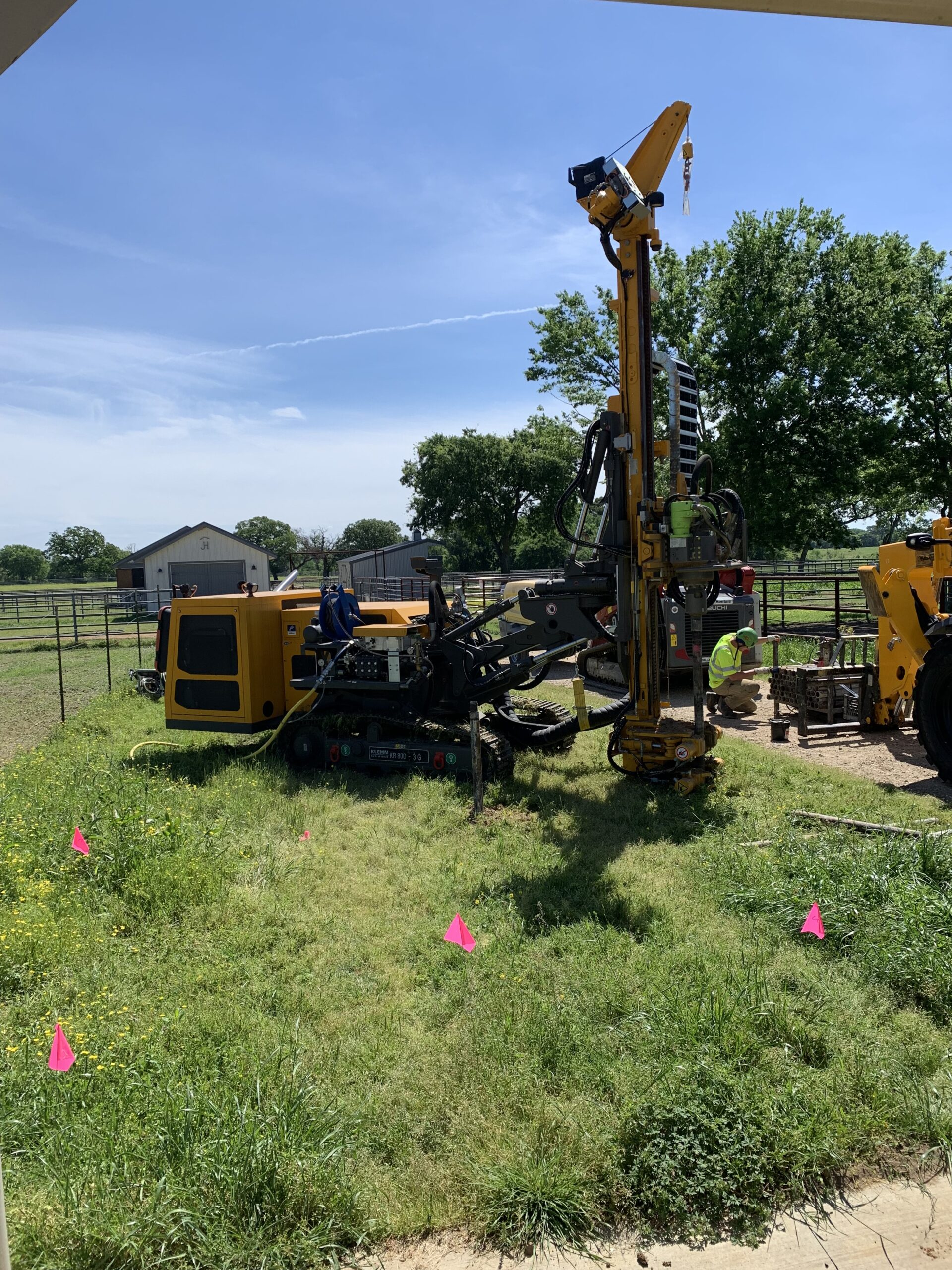
Drill rig performing void filling grouting on site

What Is Void Filling?

Void filling injects grout, typically a low-mobility compaction grout or an expanding polyurethane, directly into a confirmed subsurface cavity to displace water and air and restore structural support to the ground above it. Unlike compaction grouting used for general soil densification, void filling targets a specific, already-identified cavity rather than treating a broad zone of loose soil.

In Austin, those voids most often trace back to dissolution features in the Edwards Limestone or, closer to downtown, cavities in the Austin Chalk that formed over geologic time and are now being exposed by groundwater flow changes from development. GSI's Austin void filling work typically includes:

  • Filling confirmed karst cavities beneath foundations before they collapse
  • Injecting grout into voids beneath roadway and parking lot pavement
  • Stabilizing ground over dissolution features detected during geotechnical investigation
  • Filling voids left by leaking utility lines washing soil into limestone conduits
  • Restoring bearing capacity to ground weakened by a nearby cavity
  • Void filling ahead of new construction where karst features are identified in Recharge Zone soils
  • Supplementing sinkhole repair with grout injection into adjacent, not-yet-collapsed voids

Geohazard Mitigation in Texas

Our Void Filling Process

Every Austin site brings its own ground conditions, so we verify them before committing to a design.

Step 1

Comprehensive Site Assessment

We use ground-penetrating radar or test borings to locate and size the void before determining an injection method.

Step 2

Licensed Engineering Design

Our PE-licensed engineers select compaction or polyurethane grout based on the void's size, depth, and proximity to the water table.

Step 3

Professional Installation

Crews inject grout in stages, monitoring pressure and volume to confirm the void is filling as designed without over-pressurizing surrounding karst.

Step 4

Ongoing Monitoring & Support

We verify the treated area's performance and remain available for follow-up monitoring given the ongoing potential for adjacent voids.

Ready to Secure Your Project?

Request Free Estimate

See Our Success Stories

View Project Gallery

Common Questions About Void Filling

Most projects complete in a few days to about a week depending on the void's size and how many injection points the design requires.

Cost depends on void size, depth, and grout type, which we confirm with subsurface investigation before providing a fixed-cost proposal.

Void filling addresses a cavity before it has collapsed at the surface. Sinkhole repair addresses a void after the ground above it has already given way.

GSI offers 24/7 emergency response and can mobilize a crew within hours if a void is discovered beneath an occupied structure or active roadway.

We use ground-penetrating radar and test borings to map subsurface cavities, which is common practice on Austin sites known to sit over karst limestone.

Yes. We select grout materials and injection methods that meet Recharge Zone environmental requirements when work occurs within its boundary.

Yes, that's its primary purpose. Filling a confirmed cavity before it collapses is generally less disruptive and less costly than repairing a sinkhole after the fact.

A properly engineered void fill restores structural support to the treated area permanently, though nearby untreated karst features can still develop independently over time.

Voids Don't Announce Themselves Until They Collapse

Get Your Free Assessment Today

A subsurface void in Austin's karst limestone stays hidden until it isn't. Call (855) 599-5217 to get an Austin void filling assessment from a licensed engineer.


    How Can We Help?

    • Personal Info
    • Contact Info
    • Project Info
    ***Fees May Apply For Residential Site Visits***

    How Can We Help?

    • Personal Info
    • Contact Info
    • Project Info

    How Can We Help?

    • Personal Info
    • Contact Info
    • Project Info

    By using this website, you acknowledge and agree to our Privacy Policy.