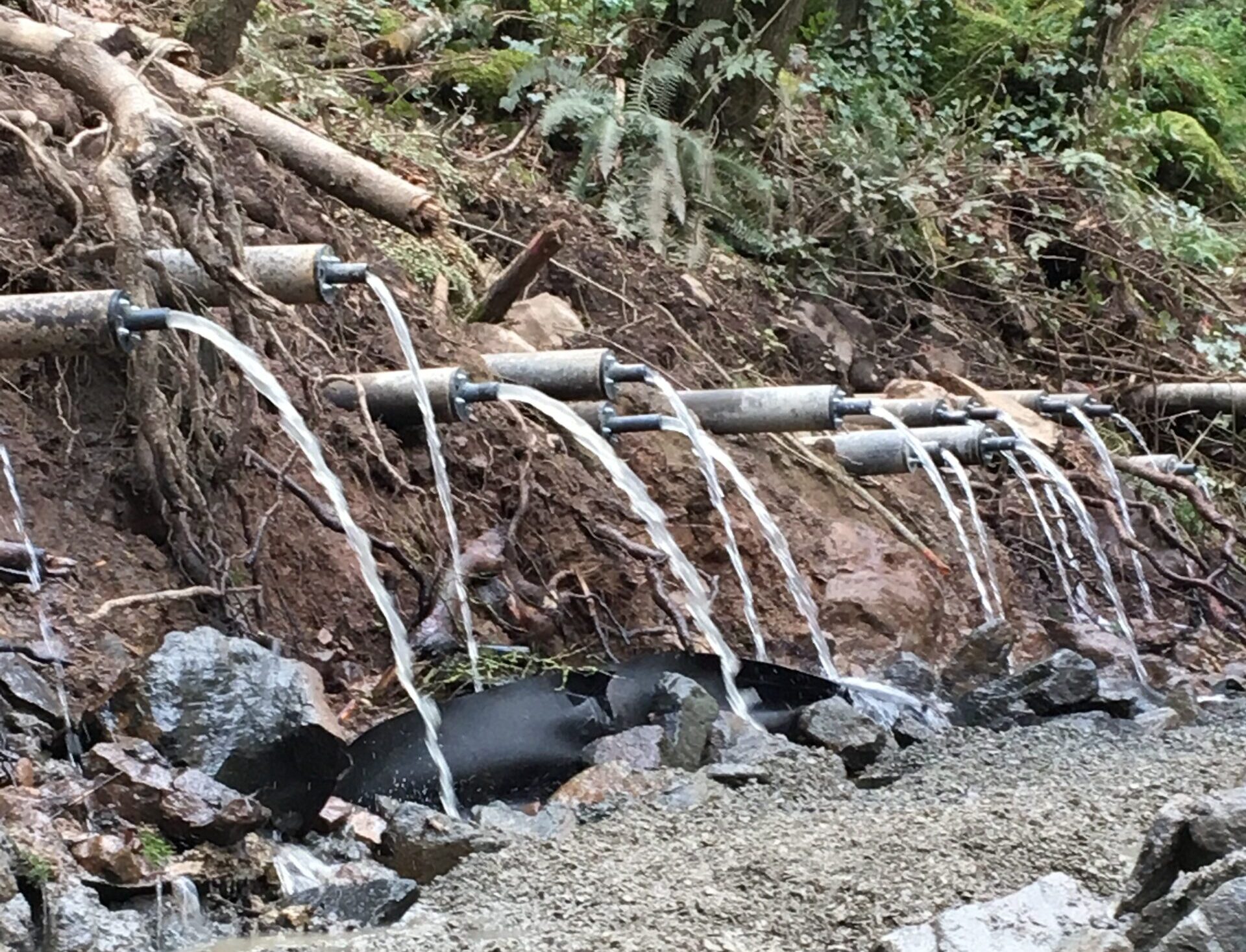
Data Center Rockfall Mitigation & Protection

Data center campuses located near steep terrain or unstable rock faces require engineered rockfall protection. A rockfall event that damages infrastructure, injures personnel, or shuts down construction is an unacceptable outcome — and the right time to address it is before the first shovel enters the ground. GSI provides rock bolts, pinned mesh, rockfall barriers, and catch systems designed to the specific hazard profile of your site.

Contact Us

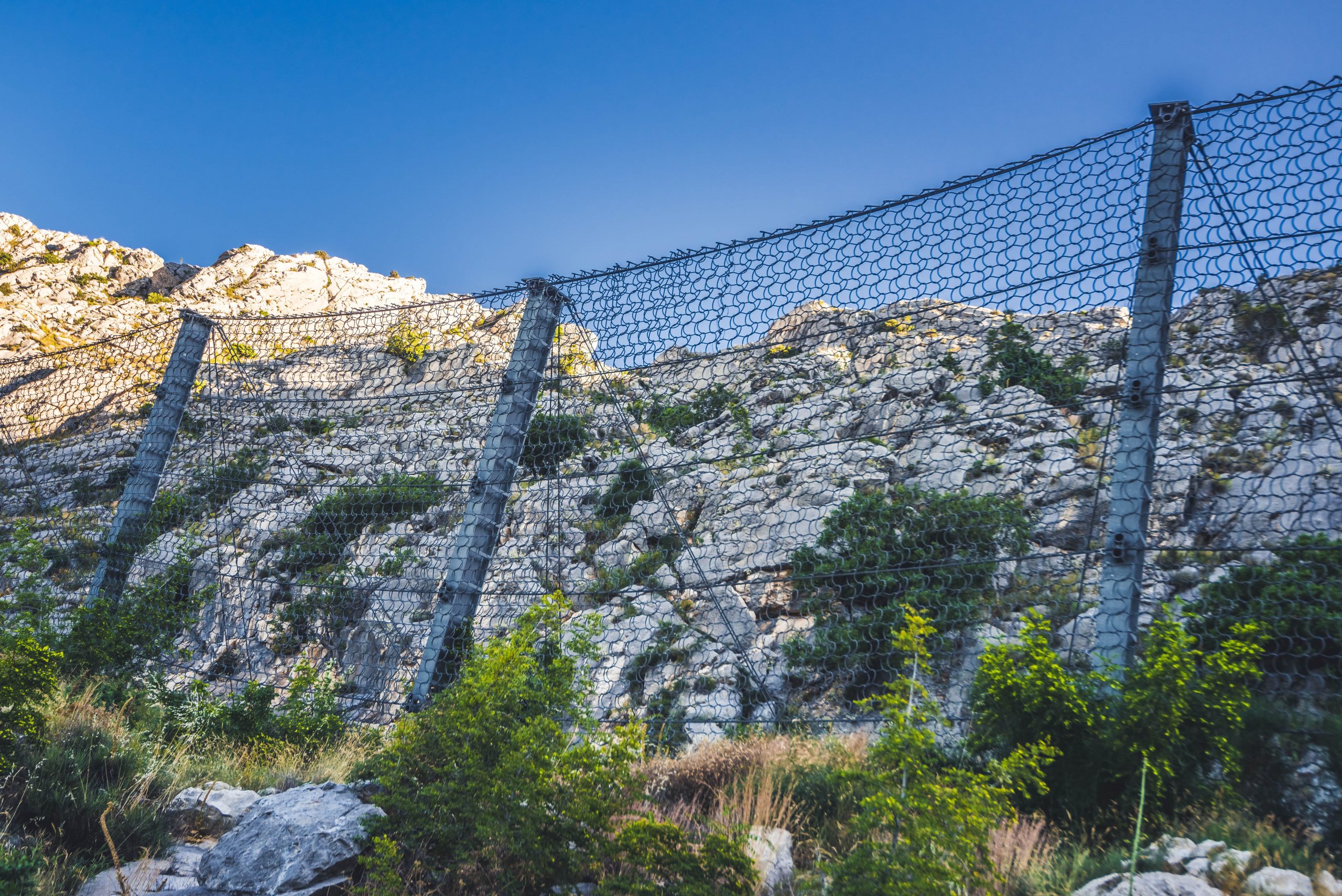
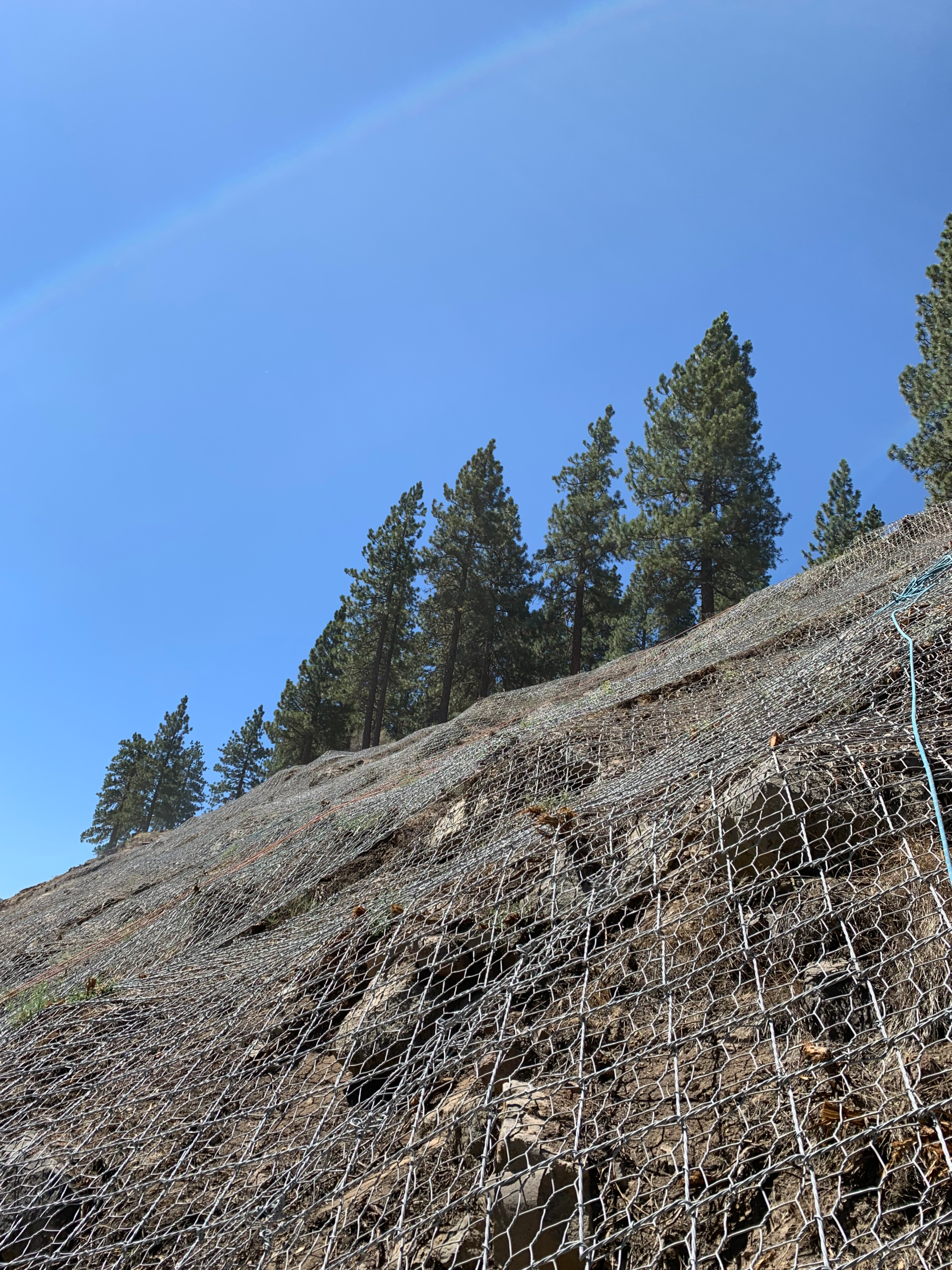
Cable net mesh rockfall protection system

The Problem: Rockfall Hazard Near the Data Center Campus

Data center campuses located near steep terrain or rocky bluffs require engineered rockfall protection. A rockfall event that damages infrastructure, injures personnel, or shuts down construction is an unacceptable outcome — and the time to address it is before the first shovel enters the ground.

Rock Bolts & Rock Anchors 

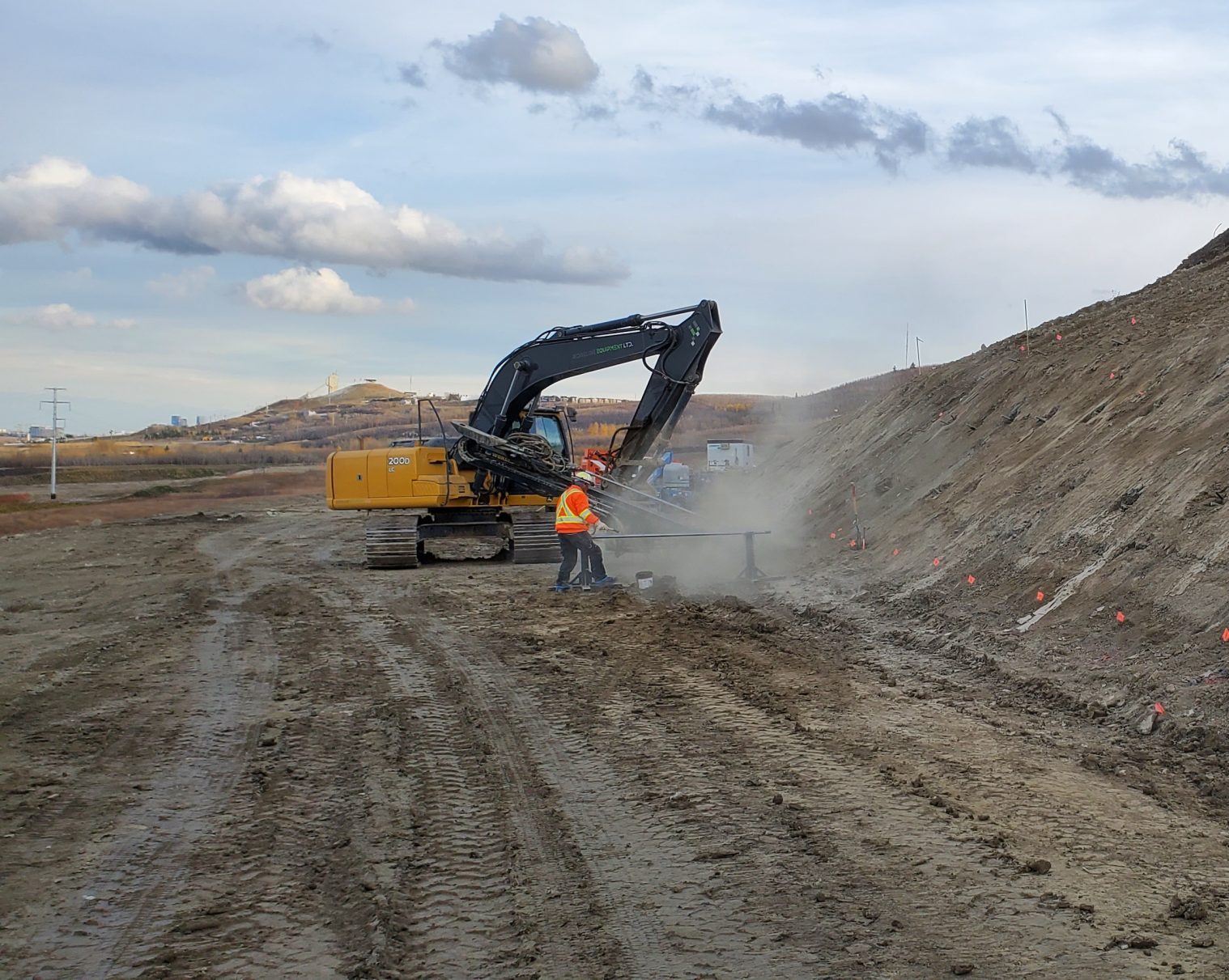
Where unstable blocks or fractured rock faces present a hazard, rock bolts and rock anchors are the most direct solution — stabilizing the rock mass in place rather than catching it after it falls. GSI installs grouted rock bolts, mechanically anchored bolts, and tensioned rock anchors matched to the specific failure mode and rock mass conditions.

Pinned Mesh 

Pinned mesh combines rock bolts with a wire mesh face that contains loose or disaggregated material between the bolt locations — addressing block instability while containing smaller material that bolts alone would not prevent from detaching.

Barriers & Catch Systems

Where source treatment alone is not sufficient, GSI provides flexible and rigid rockfall barriers, catch fences, and drapery systems designed to the specific energy and trajectory of the hazard. On most sites, rock bolts and pinned mesh are the first line of defense — barriers provide a secondary layer of protection.

 

Flexible rockfall barrier protecting mountain road

Rockfall Mitigation Services

GSI provides the full range of rockfall control and containment systems for data center campuses near steep terrain — designed to the site-specific hazard profile, not a generic specification.

  • Rock Bolts — Grouted & Mechanically Anchored — Steel reinforcement elements drilled and grouted into the rock face to tie unstable blocks back to stable rock mass — stabilizing the hazard at its source.
  • Rock Anchors — Tensioned — Post-tensioned anchors for rock faces requiring active clamping force to maintain stability against complex failure geometries.
  • Pinned Mesh Systems — Rock bolts or soil nails combined with wire mesh face to contain loose and disaggregated rock material between bolt locations.
  • Draped Mesh & Rockfall Netting — Draped mesh pinned at the top and hanging freely over the rock face to guide falling debris to the slope base away from protected areas.
  • Rockfall Barriers & Catch Fences — Flexible and rigid barrier systems engineered to absorb and contain rockfall energy — matched to the specific trajectory and kinetic energy of the site hazard.
  • Manual & Mechanical Rock Scaling — Removal of loose and unstable rock material from the slope face before mesh or barrier installation — the first step in any rockfall mitigation program.


Ready to Discuss Your Project?

Frequently Asked Questions


Rock bolts are steel reinforcement elements drilled and grouted into a rock face to tie unstable blocks or fractured rock back to stable rock mass behind. They are used when the rockfall hazard is driven by discrete block instability — specific fracture-bounded blocks that could detach if not held in place. Rock bolts stabilize the hazard at its source, preventing detachment rather than catching material that has already released. They are frequently combined with pinned mesh systems, which provide surface containment for smaller material between the bolt locations.


Rockfall control systems address the rock mass at its source — preventing detachment or reinforcing unstable material so it does not release. Examples include rock bolts, rock anchors, draped mesh, and pinned mesh. Rockfall containment systems capture or redirect rock that has already released — including rockfall barriers, catch fences, and flexible barrier systems. On many data center sites, both approaches are used together: rock bolts and pinned mesh stabilize the immediate hazard zones, and containment systems provide a secondary line of protection for larger or more distant failure scenarios.


Rockfall hazard is present wherever steep terrain, a rock face, or an unstable slope exists uphill of structures or personnel. On data center sites, this is most common where campuses are graded into hillsides, located adjacent to natural cliffs or outcrops, or developed in areas with a history of rockfall activity. GSI provides geohazard assessments that identify and characterize rockfall hazard before construction begins — giving the project team the information needed to budget appropriate mitigation before it becomes an emergency.


Related Data Center Services


Slope stabilization on Crestmont Boulevard project

Slope Stabilization

Soil nail walls, ground anchors, and shotcrete facing for cut slopes on data center sites.

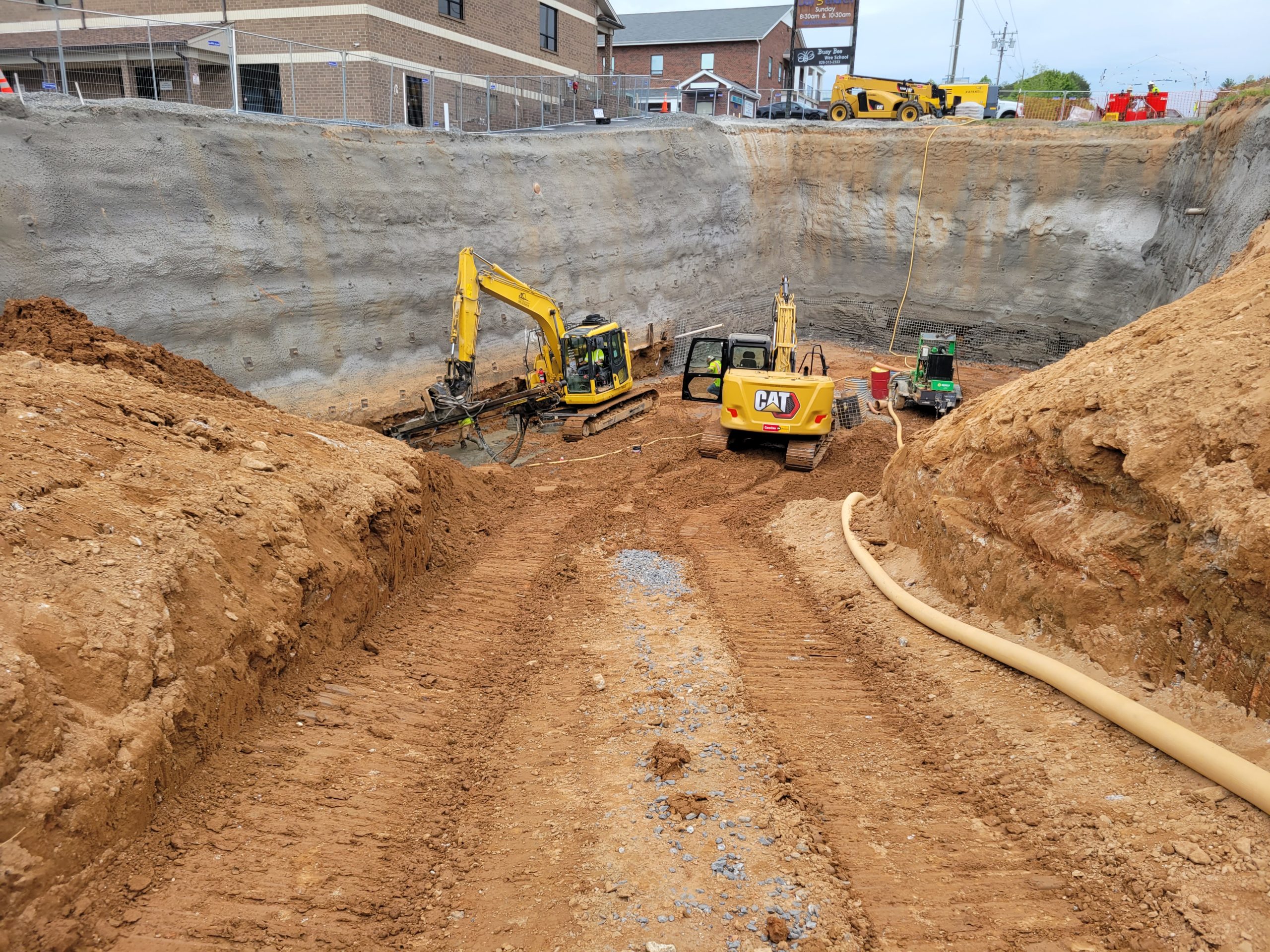
Temporary shoring at church project site, day 3

Excavation & Temporary Shoring

Temporary and permanent earth retention for deep data center excavations.

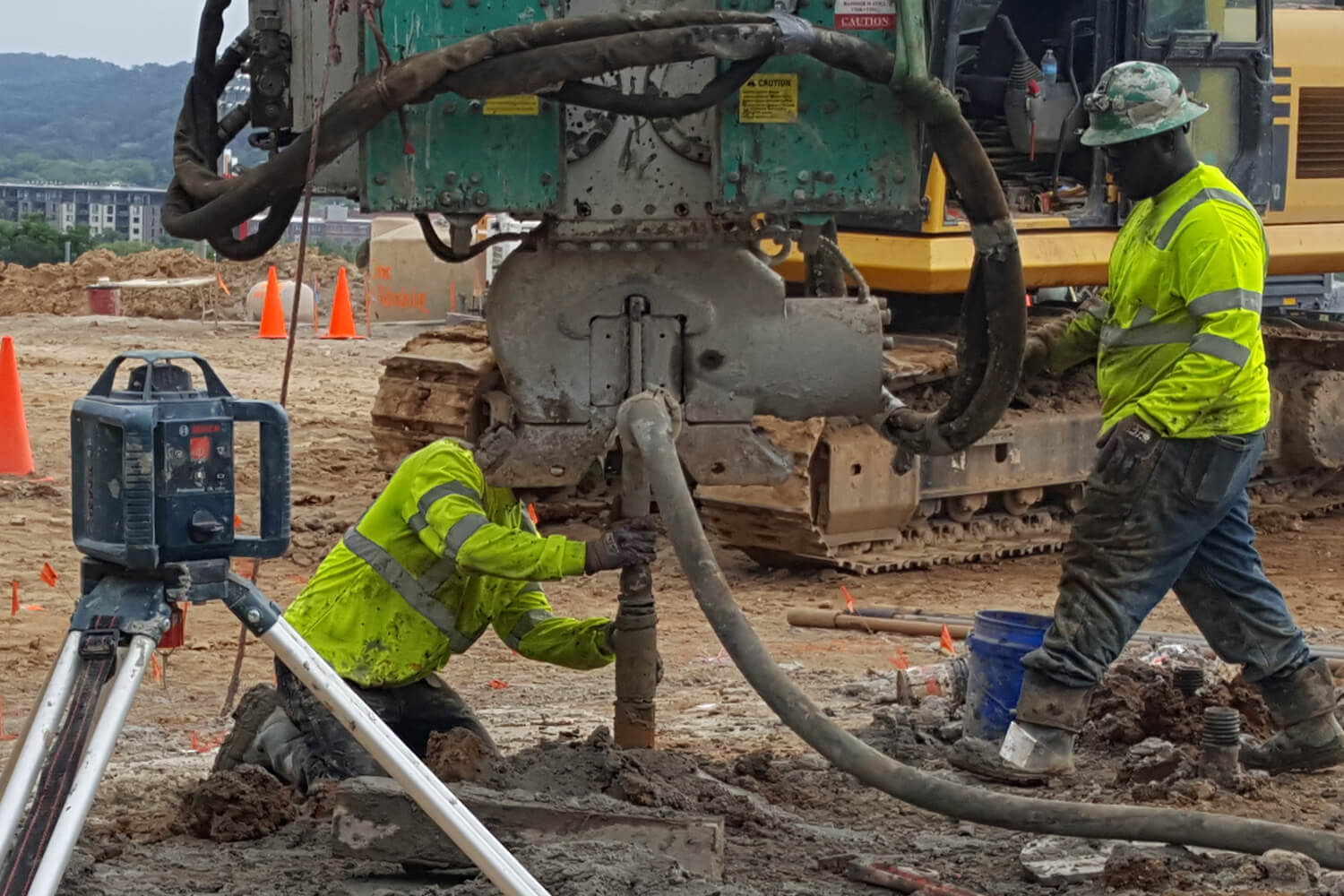
Foundation underpinning micropile installation for sinking structure

Foundation & Subgrade Improvement

Grouting and micropiles for settling pads and poor subgrade conditions.

Horizontal drain installation on slope

Horizontal Drains

Horizontal drain installation to manage subsurface water on data center slopes.

GET IN TOUCH

Contact Us Today

If you are interested in a no-obligation site visit to determine if our services fit your needs, call us at 855-579-0536 or fill out our contact form.

855.579.0536

    How Can We Help?

    • Personal Info
    • Contact Info
    • Project Info
    ***Fees May Apply For Residential Site Visits***

    How Can We Help?

    • Personal Info
    • Contact Info
    • Project Info

    How Can We Help?

    • Personal Info
    • Contact Info
    • Project Info

    By using this website, you acknowledge and agree to our Privacy Policy. This site is protected by reCAPTCHA, and the Google Privacy Policy and Terms of Service apply.