Data Center Foundation & Subgrade Improvement

Settlement beneath transformer pad foundations is one of the most disruptive problems on an active data center site. It shows up after critical equipment is installed, it can't wait, and it needs to be fixed without shutting down construction. GSI provides polyurethane grouting, compaction grouting, and micropile systems — recommending the right method based on what the ground actually needs, not a preferred product.

Contact Us

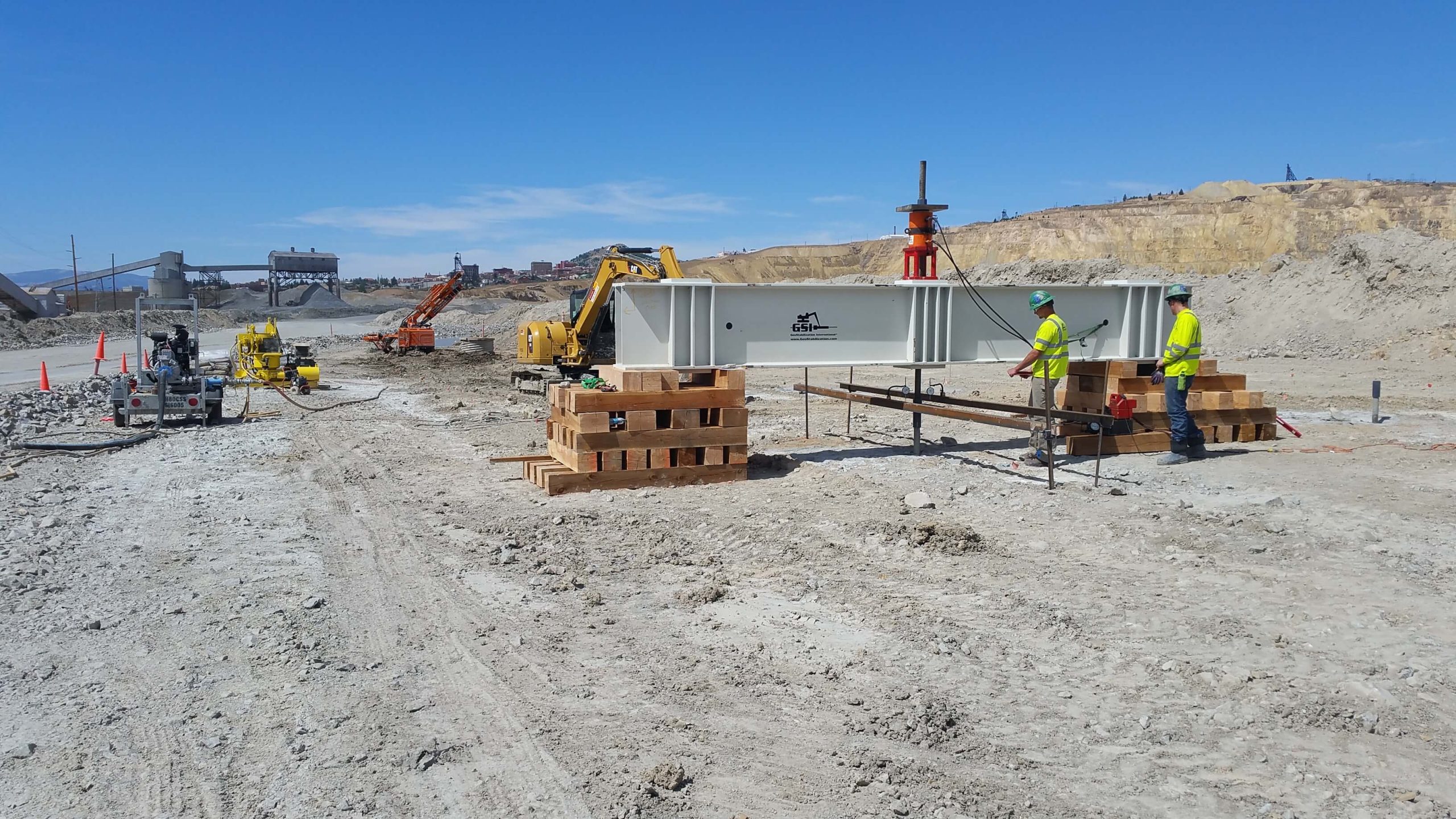
Grouting field operation on highway project site

The Problem: Foundation Settlement on an Active Data Center Site

Settlement beneath transformer pads and equipment foundations shows up after critical infrastructure is installed. It can't wait, and it needs to be fixed without shutting down construction. GSI deploys precision grouting solutions that restore stability with minimal footprint and zero construction stoppage.

Polyurethane Grouting

A dual-component hydrophobic polyurethane grout injected through small-diameter port pipes to fill voids and densify loose material beneath equipment pads. Minimal cure time. No excavation. The grout is chemically inert and excavatable in the future — no permanent constraint on the site. Foundation elevations are monitored in real time with grout cutoff confirmed at each pad only when proper stabilization is achieved.

Compaction Grouting

A stiff, low-mobility grout mass injected under pressure to densify weak soils at depth — the right method when the primary problem is deeper bearing capacity failure that polyurethane grouting cannot reach. These are two distinct methods for different conditions. GSI recommends based on what the ground actually needs.

Micropiles & Deep Foundations

Where soil conditions require deep foundation support beyond what grouting can address, GSI provides micropile systems designed and installed in-house — in constrained conditions and tight access areas where conventional deep foundations are not feasible.


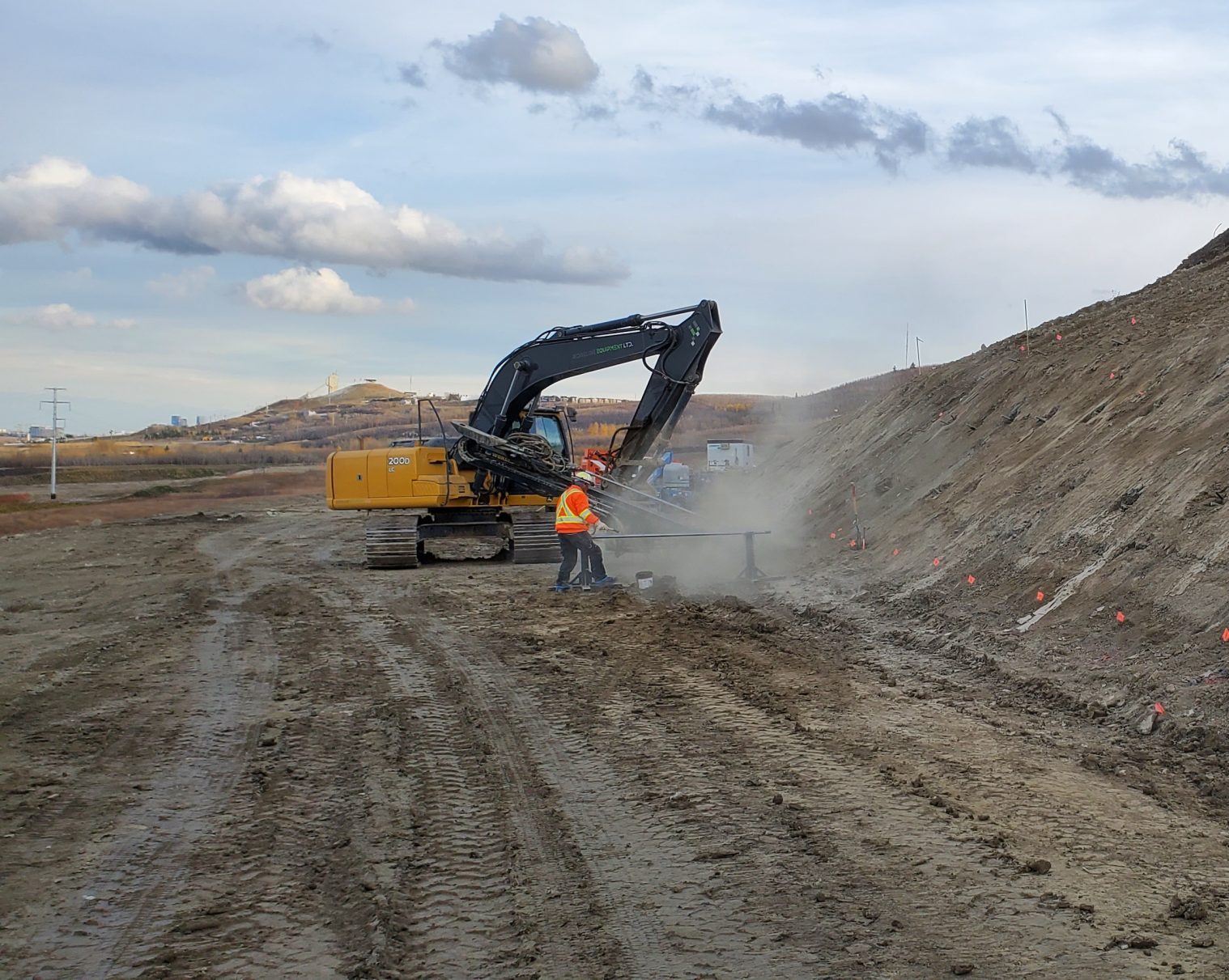
Micropile field installation for ground improvement

Foundation & Subgrade Improvement Services

GSI provides design-build subsurface grouting and foundation improvement solutions for data center sites — deployed around active construction without excavation or shutdown.

  • Polyurethane Grouting — Void fill, slab lifting, and near-surface foundation stabilization using dual-component hydrophobic polyurethane grout injected through small-diameter port pipes.
  • Compaction Grouting — Deep subgrade densification using a stiff low-mobility grout mass injected under pressure — the appropriate method when deeper bearing capacity restoration is required.
  • Micropiles — High-capacity small-diameter deep foundation elements for structures on poor soils where conventional footings are not viable.
  • Deep Foundation Elements — Engineered deep foundation support designed in-house for structures requiring load transfer below weak surface soils.

Ready to Discuss Your Project?

Frequently Asked Questions


They are two distinct methods used for different ground conditions. Polyurethane grouting injects a dual-component hydrophobic polyurethane grout through small-diameter port pipes — it expands to fill voids and densify loose near-surface material, and is ideal for slab lifting, void fill, and near-surface foundation stabilization. Minimal cure time, small footprint, no excavation required. Compaction grouting injects a stiff, low-mobility grout mass under pressure to mechanically densify weak or loose soils at depth — used when the primary problem is deeper bearing capacity failure that polyurethane cannot reach. GSI evaluates both options and recommends based on subsurface conditions and depth of treatment required.
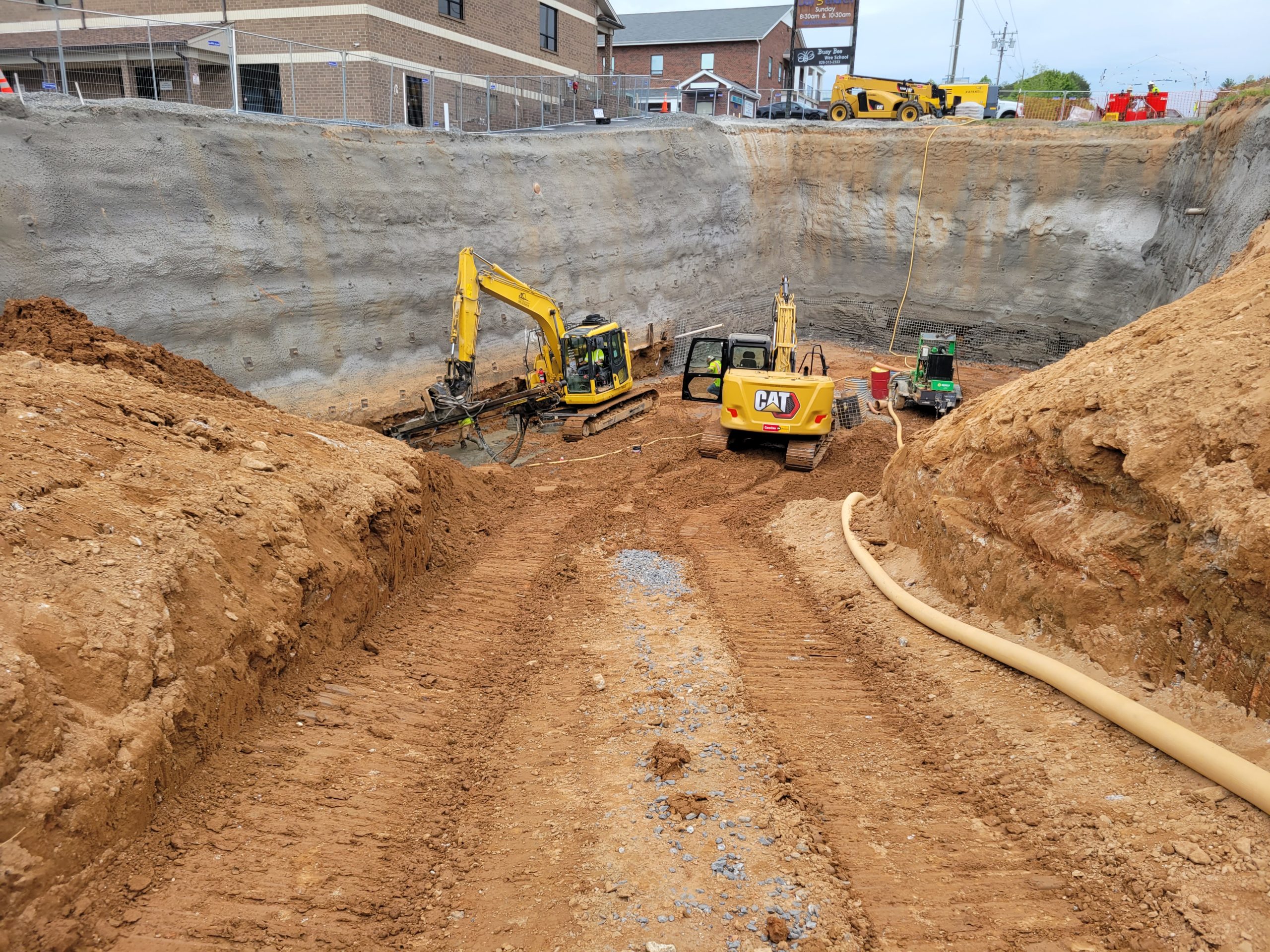
 

Yes — and this is one of the key advantages of GSI's grouting approach on active data center sites. Polyurethane and compaction grouting operations require a relatively small working footprint and can be sequenced around active construction without significant interference. Real-time elevation monitoring allows the grouting crew to work in proximity to active operations with full documentation of stability at each pad location.


Transformer pad settlement on data center sites is most commonly caused by poor subgrade soil conditions — loose fill, weak native soils, or soils with low bearing capacity not adequately identified or treated during site preparation. It can also result from void formation beneath pads due to water infiltration, soil piping, or subsurface erosion. GSI assesses each situation before recommending a treatment approach, because the right solution depends on the specific cause and depth of the problem.


Related Data Center Services


Slope stabilization on Crestmont Boulevard project

Slope Stabilization

Soil nail walls, ground anchors, and shotcrete facing for cut slopes on data center sites.

Temporary shoring at church project site, day 3

Excavation & Temporary Shoring

Temporary and permanent earth retention for deep data center excavations.

Pinned mesh installation on slope for rockfall protection

Rockfall Mitigation

Rock bolts, pinned mesh, barriers, and catch systems for sites near steep terrain.

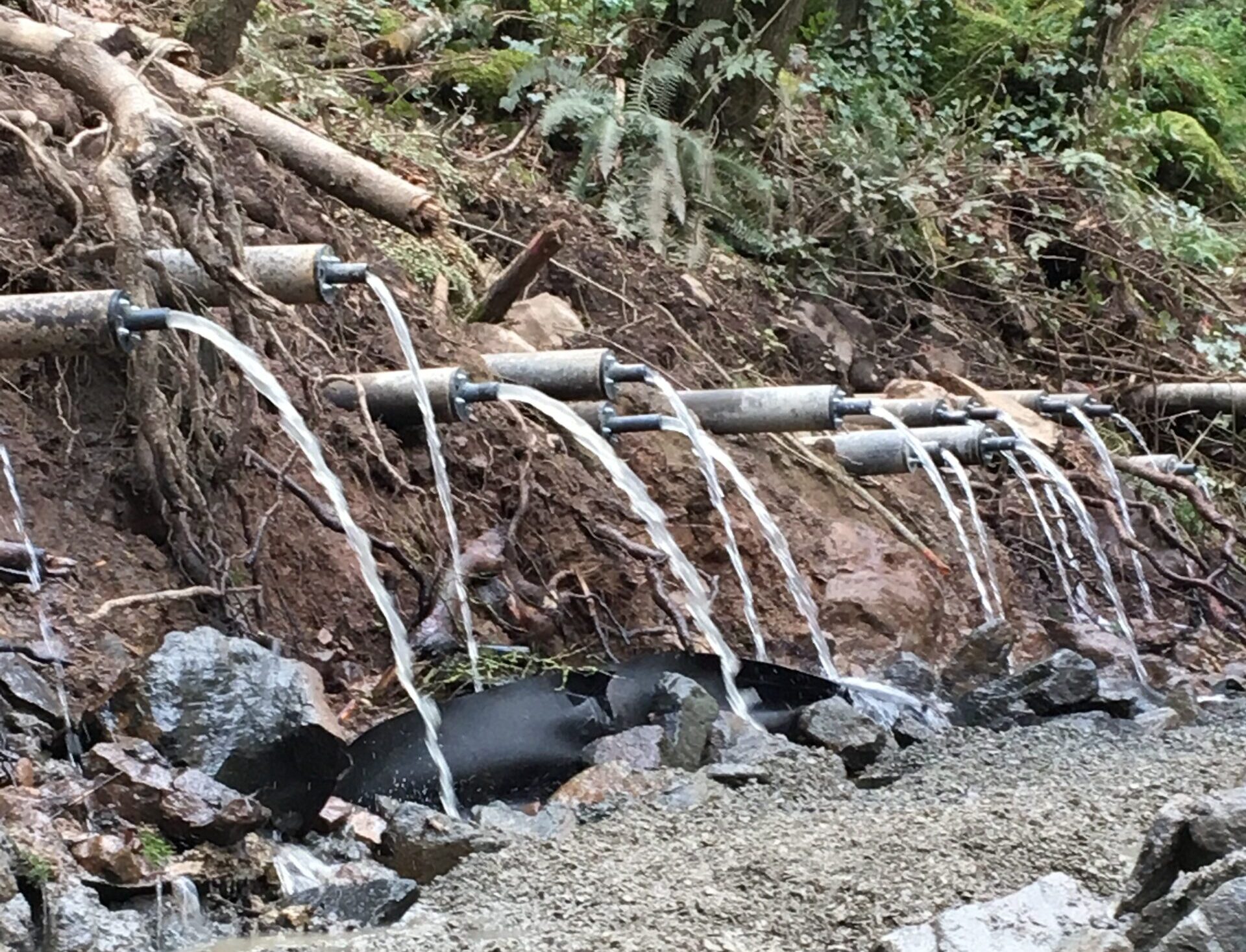
Horizontal drain installation on slope

Horizontal Drains

Horizontal drain installation to manage subsurface water on data center slopes.

GET IN TOUCH

Contact Us Today

If you are interested in a no-obligation site visit to determine if our services fit your needs, call us at 855-579-0536 or fill out our contact form.

855.579.0536

    How Can We Help?

    • Personal Info
    • Contact Info
    • Project Info
    ***Fees May Apply For Residential Site Visits***

    How Can We Help?

    • Personal Info
    • Contact Info
    • Project Info

    How Can We Help?

    • Personal Info
    • Contact Info
    • Project Info

    By using this website, you acknowledge and agree to our Privacy Policy. This site is protected by reCAPTCHA, and the Google Privacy Policy and Terms of Service apply.