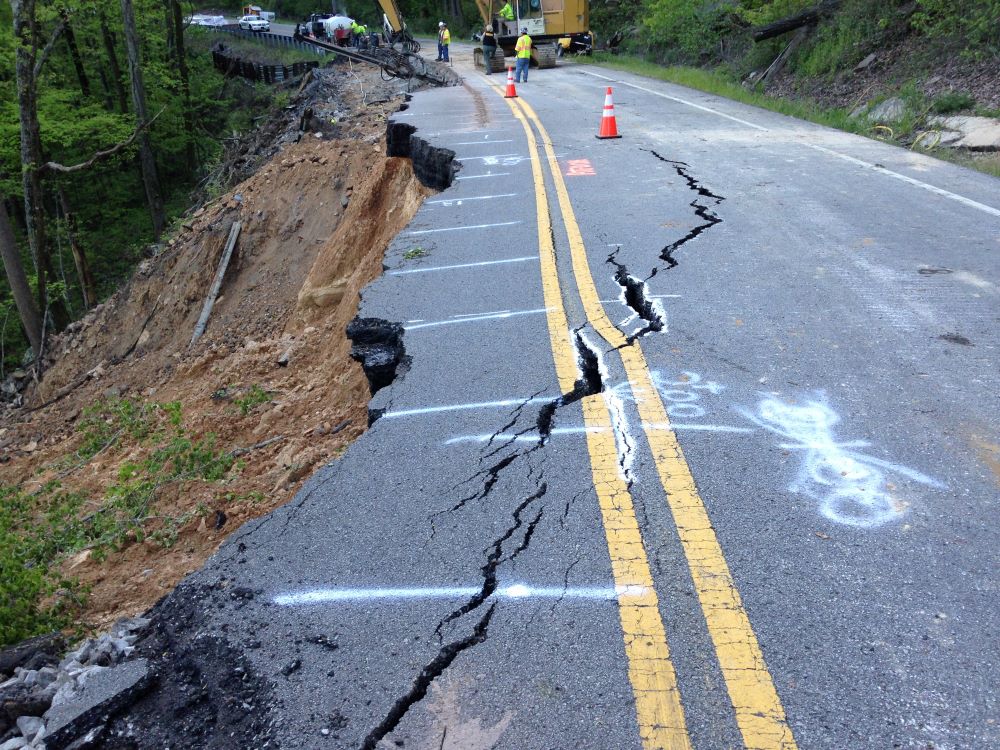
Oklahoma's soils present some of the most demanding stabilization conditions in the country. The Permian red bed formation underlying much of central and western Oklahoma — including the Oklahoma City metro, Lawton, and surrounding corridors — is rich in expansive clays that swell significantly when wet and shrink sharply during dry periods. That cycle of movement causes cumulative damage to roadway subgrades, embankments, and the structures built on them. In Tulsa and eastern Oklahoma, similar high-plasticity clays create comparable challenges across ODOT corridors and municipal infrastructure.
GeoStabilization International brings chemical stabilization, helical piers, and other engineered solutions to Oklahoma's most active problem corridors — backed by in-house geotechnical engineers who design the fix and field crews who deliver it under a single contract.
Oklahoma's expansive clay conditions require more than standard subgrade treatment. The Permian red beds produce soils with high montmorillonite content — clay minerals that respond dramatically to seasonal moisture changes. Paired with Oklahoma's hot summers, periodic drought, and variable precipitation, that reactivity translates into infrastructure damage that recurs year after year without proper stabilization. Generalist contractors working from standard parameters often miss what site-specific investigation reveals. Formation type, depth to problematic clay layers, existing moisture conditions, and seasonal exposure all shape the appropriate treatment approach. GeoStabilization International's engineers and geologists assess those variables directly before any design decision is made.
Where expansive soils have already caused foundation movement or structural distress, GeoStabilization International's underpinning solutions address the root problem rather than patching the symptoms. Our engineers conduct borehole-based investigations to understand actual subsurface conditions at your site — defining bearing depth, clay characteristics, and load requirements before any installation begins. That data drives every design decision, not default assumptions borrowed from different geology.
Oklahoma's climate amplifies what expansive soils do naturally. Wet springs followed by dry summers create pronounced shrink-swell cycles that stress roadway bases, bridge approaches, retaining structures, and building foundations. ODOT corridors across the state contend with subgrade heave and pavement cracking driven by these recurring moisture changes. GeoStabilization International's unified engineering and construction delivery means the team that investigates your site is connected directly to the crew performing the work. When subsurface conditions differ from the model — and in Oklahoma's variable clay soils, they often do — our team adapts in the field without the delays that separate-contract arrangements create.
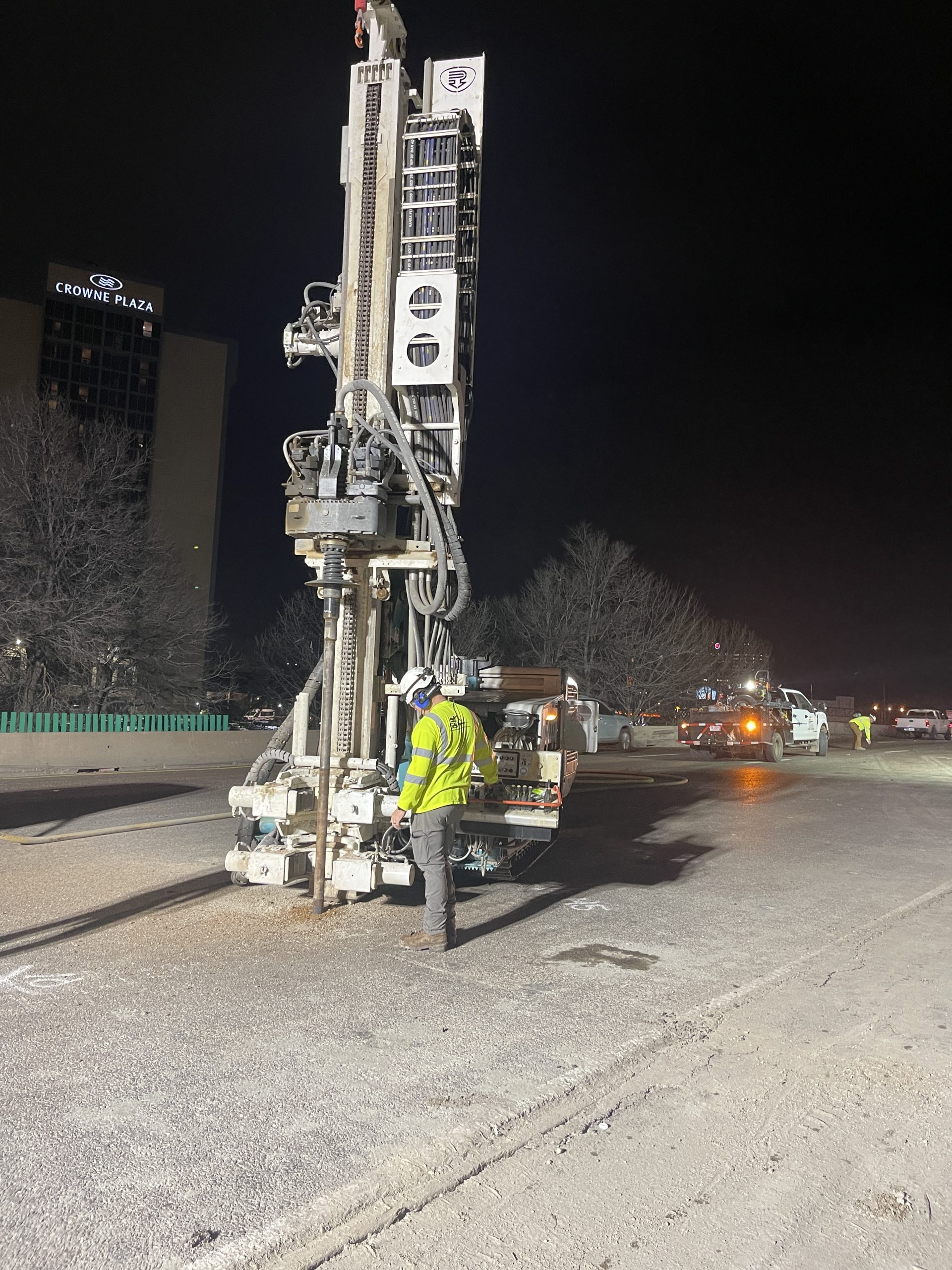
Design-build removes the gap between what was designed and what gets built. GeoStabilization International engineers the solution, constructs it, and stands behind its long-term performance. One contract, one accountable team, one standard: it works.
Expansive clay conditions across Oklahoma don't improve on their own — and deferred treatment compounds the damage season after season. GeoStabilization International's engineers are ready to assess your site, define the problem, and deliver a solution built specifically for Oklahoma's ground conditions. Request an assessment online to get started.