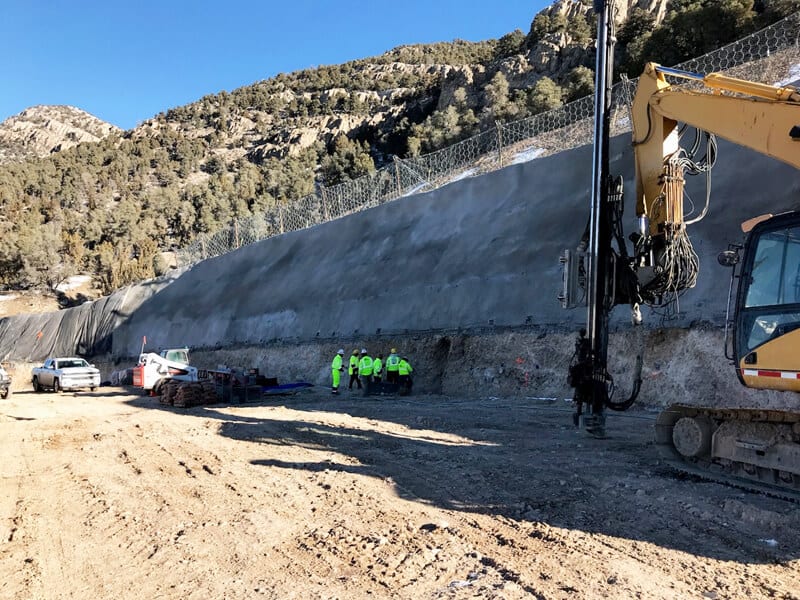
Illinois has more than 800,000 acres of undermined land — and much of it lies beneath active transportation corridors, buildings, and public infrastructure across the southern coal field counties. In Saline, Gallatin, Williamson, and Franklin counties, underground room-and-pillar mines operated for generations, leaving behind void networks that were sealed at the surface but never filled. Over time, mine pillars compress into the soft underclay that forms the floor of most Illinois coal seams, triggering the sag or pit subsidence events that damage roads, foundations, and structures above.
GeoStabilization International delivers compaction grouting and void filling programs engineered specifically for the mechanics of Illinois coal mine subsidence — with in-house geotechnical engineers who investigate, design, and oversee field execution under a single IDOT-ready contract.
Illinois mine subsidence presents in two distinct forms, and each requires a different treatment approach. Pit subsidence — where the mine roof collapses and the void propagates upward to the surface — creates localized depressions that can open within days. Sag subsidence develops more gradually over broader areas as pillar systems deteriorate and settle into soft floor material. Both conditions can occur on the same corridor, and treatment that addresses one without accounting for the other leaves infrastructure at risk. GeoStabilization International's engineers and geologists conduct borehole-based investigation to characterize void extent, overburden depth, and mine geometry before any grouting program is designed. That subsurface data — not historic mine maps alone — determines where treatment is needed and what injection approach will achieve lasting stabilization.
No two abandoned mine sites in southern Illinois behave identically. Void connectivity, overburden thickness, and the condition of remaining pillars all vary across even a single project corridor. GeoStabilization International designs compaction grouting programs based on verified subsurface data collected at your specific site — matching grout mix, injection pressure, and borehole pattern to actual conditions rather than standard specifications. For situations where void extent is difficult to confirm through conventional investigation alone, our teams integrate borehole camera systems and real-time monitoring during injection to verify fill completeness before work is closed out.
IDOT and Illinois infrastructure corridor managers rely on GeoStabilization International's integrated engineering and construction delivery. The engineers who characterized your mine conditions and designed the grouting program are directly connected to the crews executing the injection work. When drilling reveals void geometry or overburden conditions that require program adjustment — a common occurrence given the incomplete historical records for many southern Illinois mines — our team adapts without breaking project momentum.
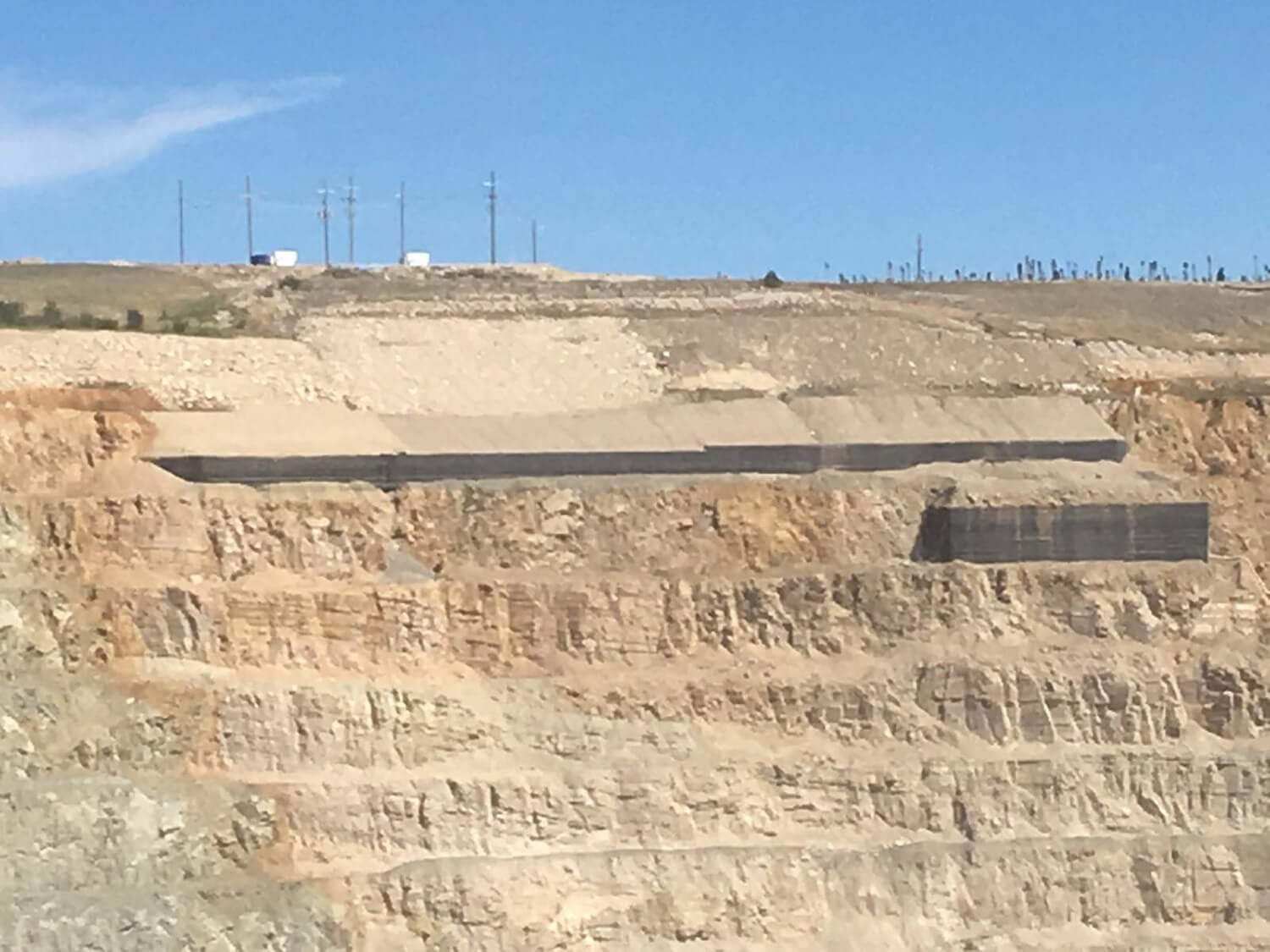
Design-build delivery integrates engineering and construction under one contract, eliminating the handoff delays that slow traditional procurement. For infrastructure owners dealing with active subsidence, that compressed timeline means fewer lane closure days, less accumulated damage, and a faster return to full service. GeoStabilization International engineers the solution, builds it, and stands behind its long-term performance.
Over 800,000 acres of Illinois sit above abandoned mine workings — and the ground above them is still moving. GeoStabilization International's engineers are ready to investigate your site, design a treatment program built for Illinois coal mine conditions, and deliver it under a performance warranty. Request a subsidence assessment to get started.