
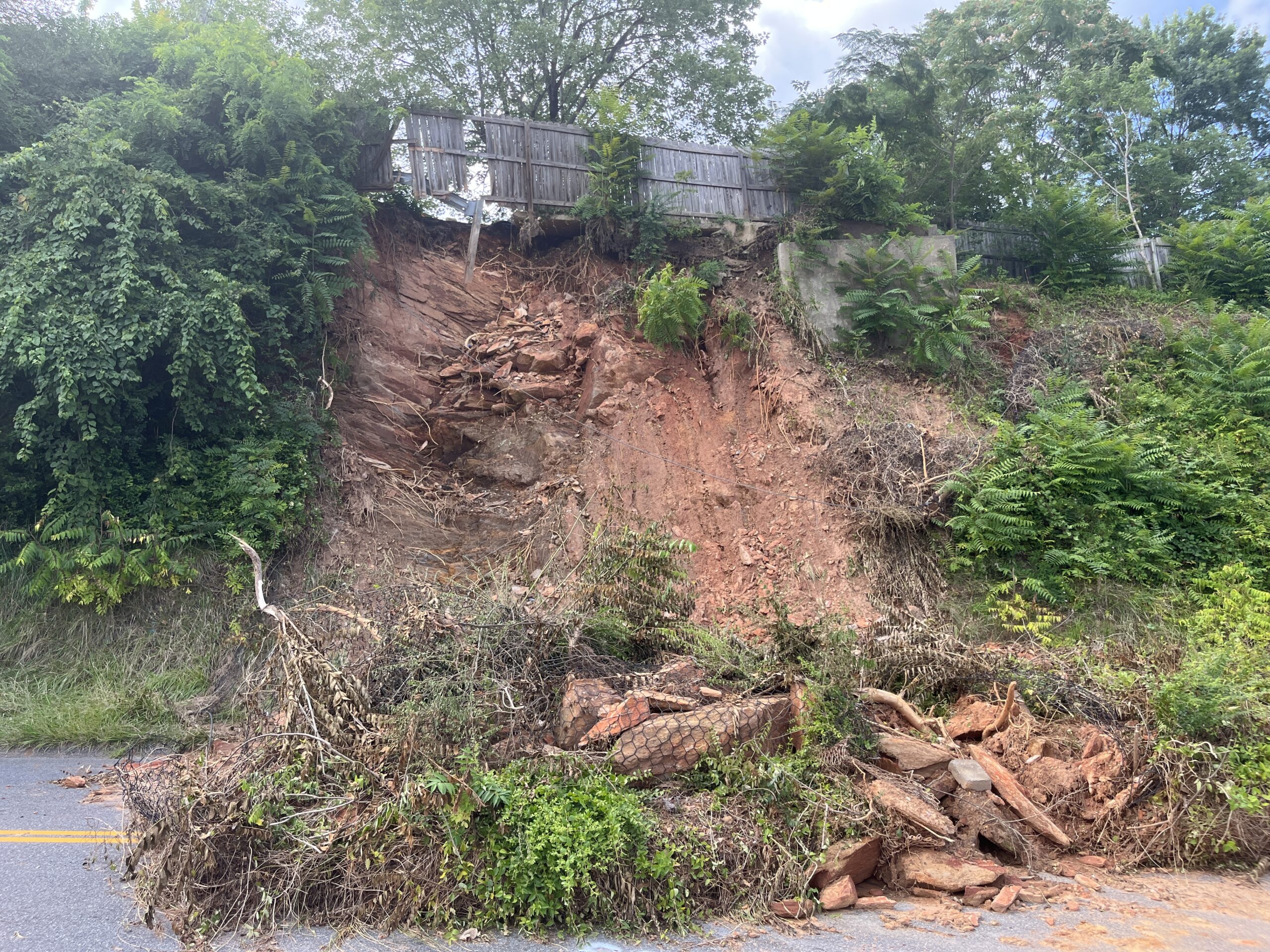
Hawaii's combination of steep volcanic terrain, intense rainfall, and seismic activity makes it one of the most landslide-prone environments in the United States. On Maui, Hana Highway sees recurring rockfall and landslide events that close the road for weeks at a time — the 2024 Alelele Point closure required emergency slope repairs and rock scaling of roughly 1,500 tons of debris at an estimated cost of $1.5 million. In 2021, a landslide at Hanalei Hill on Kauai closed Kuhio Highway for months, requiring emergency drainage installation and slope stabilization before the corridor could reopen. On the Big Island, the 2018 magnitude 6.9 earthquake triggered additional landslides along the Hamakua Coast — a corridor already prone to slope failure from weathered volcanic soils and high annual rainfall.
The underlying cause is consistent: Hawaii's volcanic rock fractures as it forms and continues fracturing under rainfall infiltration, plant root action, and seismic loading. Deeply weathered basalt and colluvial soils on windward slopes lose strength rapidly when saturated — producing debris flows and shallow failures that reach highway corridors with little warning.
GeoStabilization International deploys soil nailing, slope pinning, and drainage installation across Hawaii's highest-priority corridors — with in-house geotechnical engineers who investigate, design, and manage field execution under a single HDOT-ready contract.
Hawaii's landslide conditions vary significantly between islands and corridors. On Windward Oahu, shallow debris flows originate on steep Koolau Range ridgelines where colluvial cover over fractured basalt saturates quickly during heavy rain events. About 34 percent of the Oahu study area has been classified as high or very high landslide susceptibility — and three highway segments through the Koolau Range are specifically identified as the most vulnerable corridors connecting Honolulu to the windward coast.
On Maui's Hana Highway and the south Maui coastline, near-vertical cliff faces above the road shed rock and debris during and after storms, and the road's remote location makes every closure a supply and access emergency for communities with limited alternative routes. On the Big Island's Hamakua Coast, volcanic slope instability is compounded by seismic activity from Kilauea and Mauna Loa — adding an earthquake trigger to what is already a high-rainfall, steep-terrain environment.
Understanding what's driving a Hawaiian slope failure requires field investigation, not surface observation alone. GeoStabilization International's engineers and geologists assess site-specific subsurface conditions — including soil depth, weathering profile, groundwater behavior, and failure plane geometry — before any repair design is finalized. For Hawaii's volcanic geology, that means solutions calibrated to actual ground conditions at your specific corridor, not parameters borrowed from mainland formations.
HDOT and Hawaii's infrastructure operators benefit from GeoStabilization International's integrated design and construction model. The specialists who investigated your slope conditions and designed the repair system stay directly connected to the crews installing the reinforcement. When subsurface conditions differ from initial assessment — a frequent reality in Hawaii's variably weathered volcanic terrain — our team adapts in real time without breaking project momentum or triggering a separate design cycle.
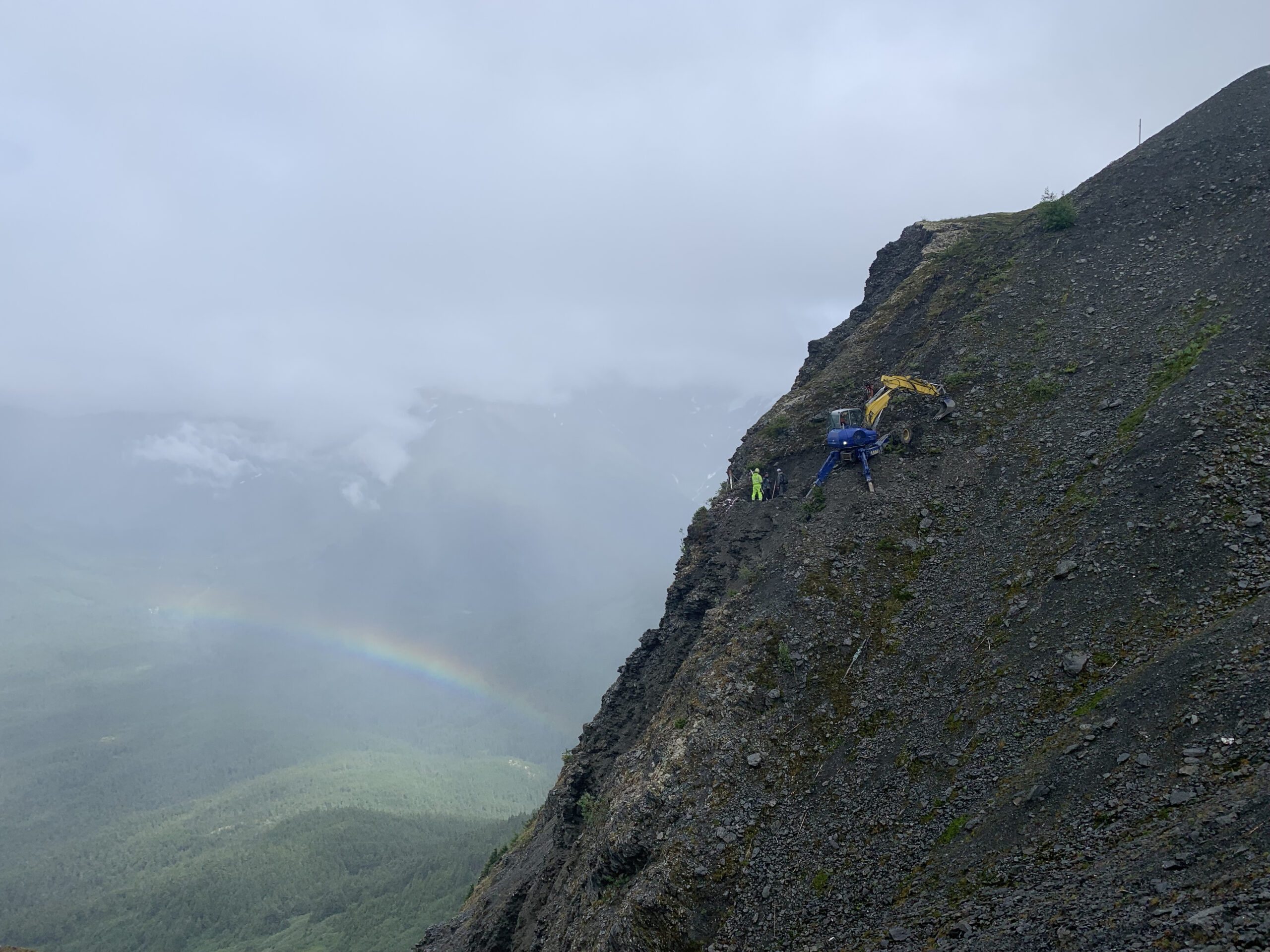
When a Hawaiian highway corridor closes due to slope failure, the communities beyond it lose access to supplies, medical services, and emergency response. GeoStabilization International maintains regional equipment staging and on-call crews to compress the gap between your emergency call and field deployment — because in Hawaii, response time is infrastructure access.
Intense rainfall, volcanic fracturing, and periodic seismic loading keep Hawaii's slopes in motion year-round. GeoStabilization International's engineers are ready to investigate your site, design a repair built for Hawaiian volcanic geology, and deliver it under a performance warranty. Request a slope assessment to get started.