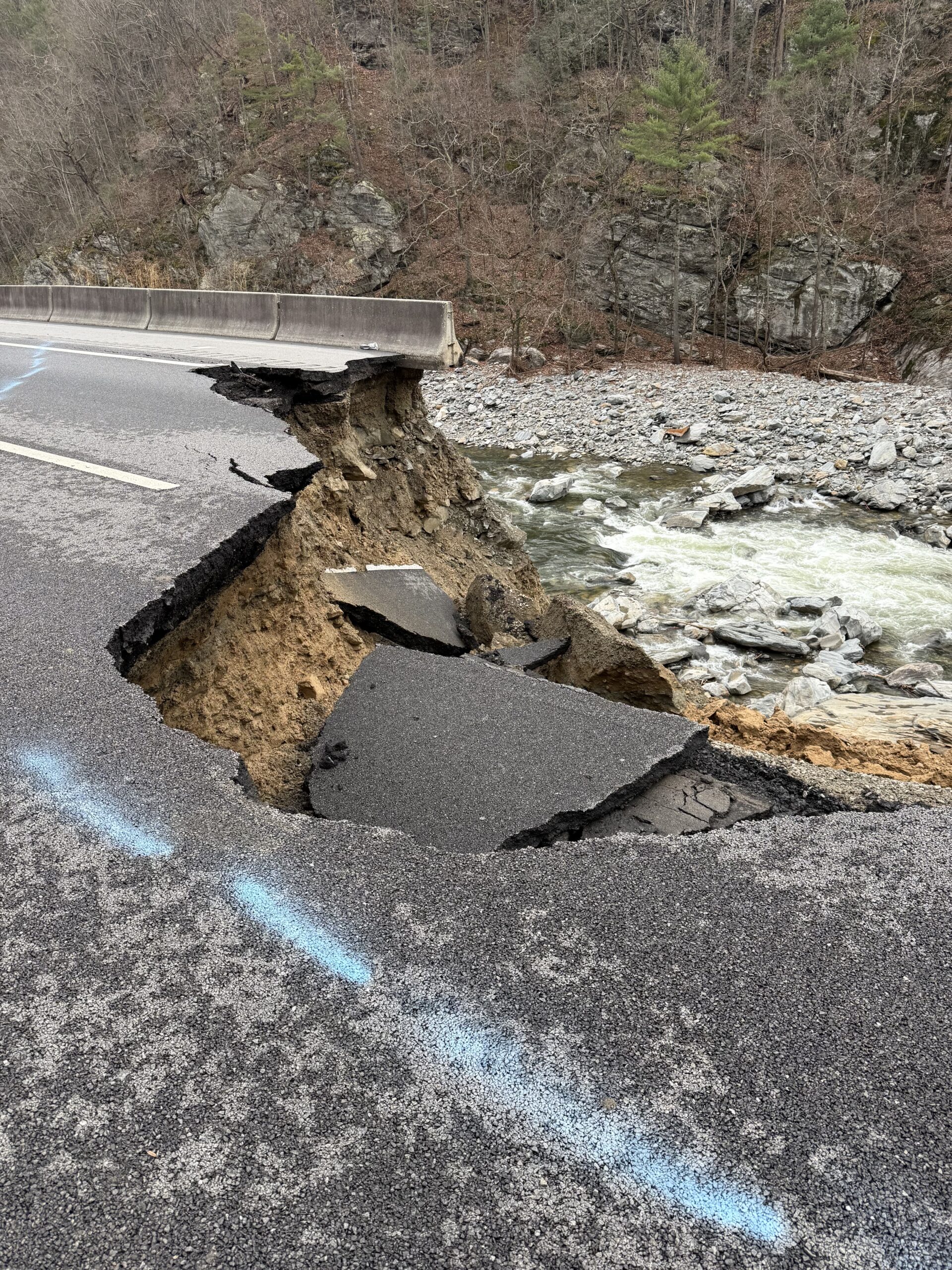
Arizona's monsoon season — June through September — generates flash flood conditions that can transform dry desert washes into high-velocity debris flows within minutes. The combination of rocky, low-permeability terrain, intense localized rainfall, and steep catchment areas produces runoff that infrastructure often cannot absorb fast enough. In September 2025, a rain gauge at the Globe courthouse recorded 2.09 inches of rain in just 25 minutes. The resulting flash flooding shut down Highway 60 through Globe and Miami, swept vehicles downstream, and overwhelmed drainage ditches along multiple highway segments. The Globe-Miami area was then hit again two weeks later by additional storms that extended the damage through October.
Alluvial fans add a distinct layer of risk. Where mountain drainages discharge onto flatter valley terrain — as they do across Maricopa County and around Tucson's mountain corridors — channels diverge and flows spread across broad areas outside defined channel banks, threatening roads, utilities, and structures that sit well beyond any obvious wash.
The Phoenix metro area, Tucson mountain corridors, and the Globe-Miami area each present distinct hazard profiles — varying in catchment size, channel geometry, flow velocity, and downstream exposure. Effective mitigation requires solutions engineered to each site's specific conditions.
Every project begins with a thorough site assessment — evaluating hydrology, channel geometry, catchment area, soil and rock conditions, and the specific infrastructure at risk. From that foundation, our engineers develop a mitigation design matched to the actual hazard at your site. Solutions deployed across Arizona include debris barriers, check dams, drainage systems, and channel improvements. Each installation is designed in-house and built by our own field crews under a single design-build contract that keeps engineering and construction fully coordinated.
This integrated approach eliminates the communication gaps, change orders, and schedule delays that arise when design and construction are handled by separate firms — a critical advantage when monsoon season moves on a fixed calendar and preparation windows are short.
Flash flood events don't follow business hours. GeoStabilization International maintains round-the-clock emergency mobilization capability, with pre-positioned equipment and regional crews ready to deploy when an event occurs. A single call initiates engineering assessment, solution design, and field execution under one contract. Our designs meet FHWA compliance standards and are produced by in-house geotechnical engineers and licensed professional geologists.
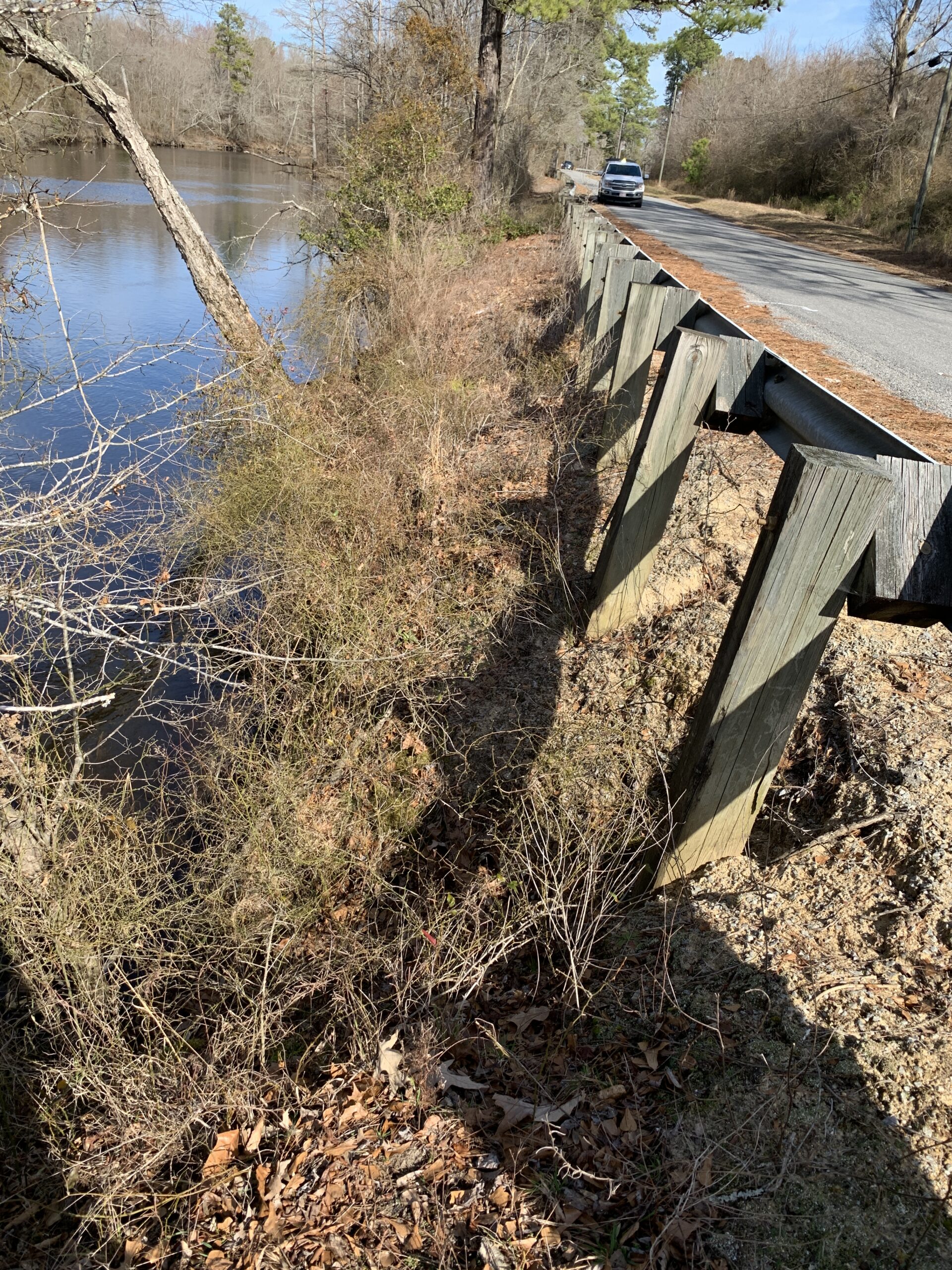
GeoStabilization International's in-house team includes geotechnical engineers, professional geologists, and field specialists who work together from hazard assessment through construction and warranty. We own our equipment, employ our crews, and stand behind every installation. For Arizona infrastructure owners facing flash flood exposure, that means a single accountable partner — from the first site visit to the final inspection.
The Globe-Miami corridor flooded twice in two weeks in fall 2025. Arizona's flash flood hazard is active, well-documented, and tied to a predictable seasonal window — which means preparation has a deadline. GeoStabilization International's engineering team is ready to assess your site and deliver a mitigation system before the next event. Request a flood assessment to get started.