
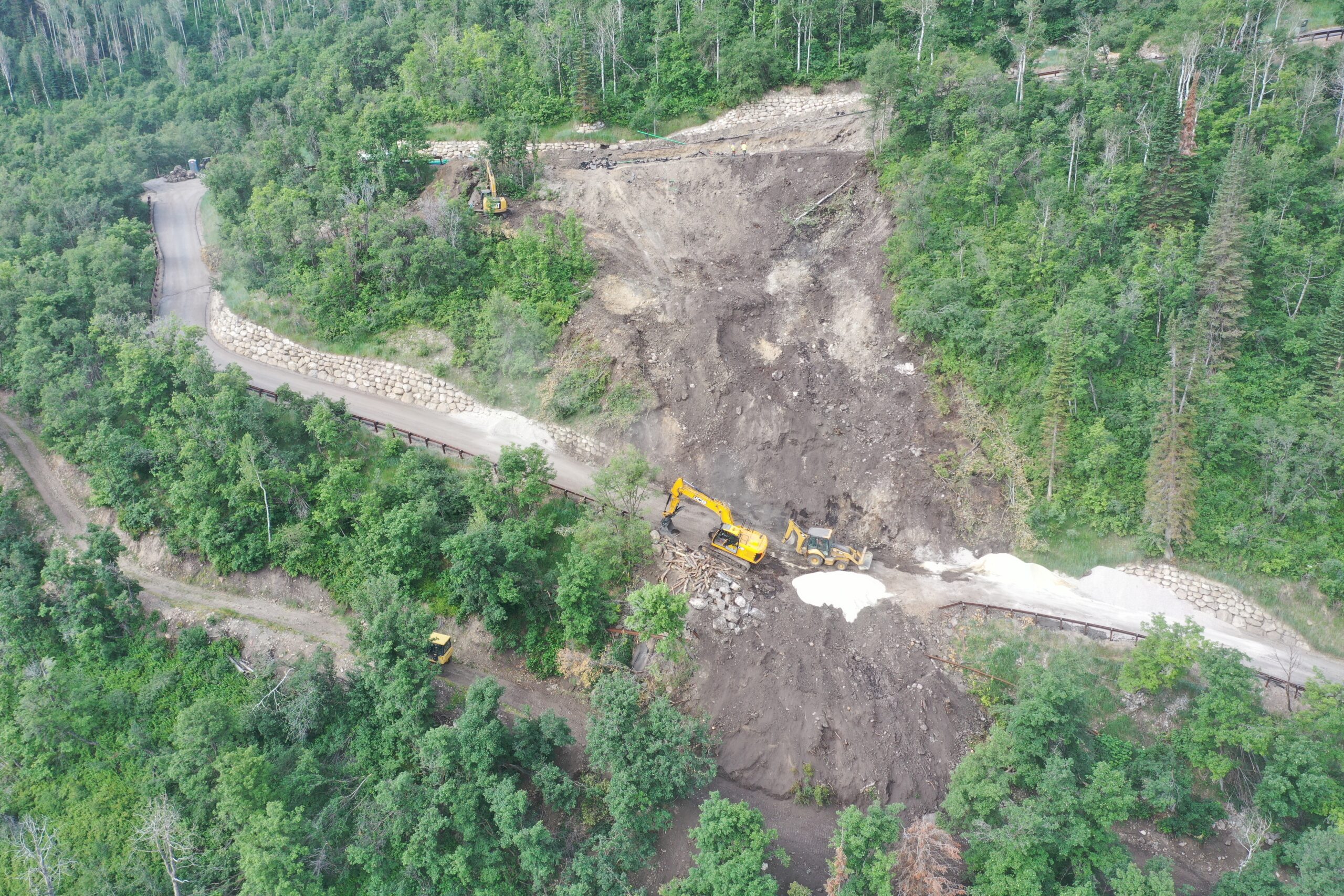
Utah's Wasatch Front—the seismically active mountain boundary east of Salt Lake City—produces landslide conditions driven by steep terrain, Mancos Shale deposits, and seasonal snowmelt saturation. The historic 1983 Thistle landslide—one of the most costly in U.S. history—demonstrated the catastrophic potential of Utah's unstable slopes. Spanish Fork Canyon (US-6/89), Price Canyon (SR-6), and multiple Wasatch Front corridors experience recurring slope failures that demand engineering solutions addressing subsurface failure mechanics.
GeoStabilization International deploys Soil Nail Launcher™ technology and slope pinning systems across Utah's highest-priority landslide corridors—stabilizing slopes in ground conditions where conventional methods cannot function.
The Wasatch Front—Utah's most densely populated and economically critical corridor—sits at the base of a seismically active mountain range with extensive landslide susceptibility. Mancos Shale formations, ancient landslide deposits, and steep alluvial fans create chronic instability along I-15, I-80, and SR-201. The 1983 Thistle landslide on US-6/89—which dammed the Spanish Fork River and caused over $400 million in damages—remains one of the most costly landslides in U.S. history and demonstrates the catastrophic potential of Utah's unstable ground.
GeoStabilization International deploys soil nailing, slope pinning, and ground anchor systems across Utah's landslide-prone corridors. Spanish Fork Canyon (US-6/89), Price Canyon (SR-6), and Wasatch Front approach roads all experience recurring failures that demand permanent engineering solutions—not seasonal maintenance that washes out with the next spring snowmelt cycle.
Utah's Wasatch Fault system adds seismic loading demands that must be integrated into every landslide repair design. GeoStabilization International's engineers design slope stabilization systems that resist both static earth pressures and seismic ground accelerations—ensuring your landslide repair performs during the earthquake events that Utah's fault systems will inevitably produce.
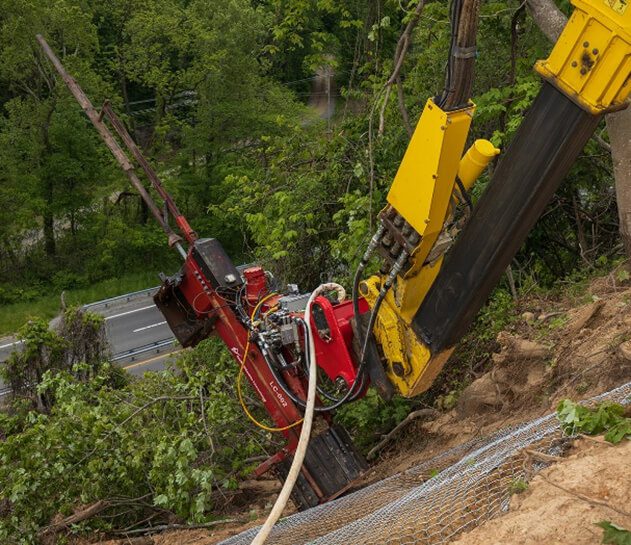
Utah's Wasatch Fault system means every landslide repair must perform under both static and seismic loading. GeoStabilization International's engineers incorporate USGS probabilistic seismic hazard data into every Utah slope design—ensuring your stabilization system resists the earthquake ground accelerations the Wasatch Front will produce. This seismic integration is standard in our Utah practice, not an add-on that inflates cost or extends the design timeline.
Wasatch Front slopes demand earthquake-resistant stabilization. GeoStabilization International delivers seismic-integrated design/build landslide repair. Contact us now.