Progressive karst subsidence differs from sudden sinkhole collapse—it develops gradually as carbonate bedrock dissolves along fractures and bedding planes, creating soil piping, differential settlement, and slowly expanding voids that undermine foundations, pavements, and utility systems. Kentucky's Pennyroyal Plateau, Bowling Green metro area, and I-65 corridor through Warren County sit atop some of the most dissolution-active limestone in eastern North America. GeoStabilization International engineers permeation and compaction grouting programs that seal dissolution pathways and fill developing voids before subsidence reaches the surface.
With 8,000+ geohazard projects completed, our engineers reference real grouting performance data from similar karst settings to design your treatment program with precision—minimizing material waste while maximizing ground stabilization.
Karst subsidence differs from sudden sinkhole collapse in its mechanism and timeline. Rather than catastrophic roof failure, karst subsidence develops progressively as dissolution slowly enlarges fractures and bedding plane openings in limestone bedrock. Soil above these expanding voids gradually settles, creating differential movement that cracks pavements, shifts bridge abutments, ruptures utility lines, and distorts structures—often before any visible sinkhole appears at the surface.
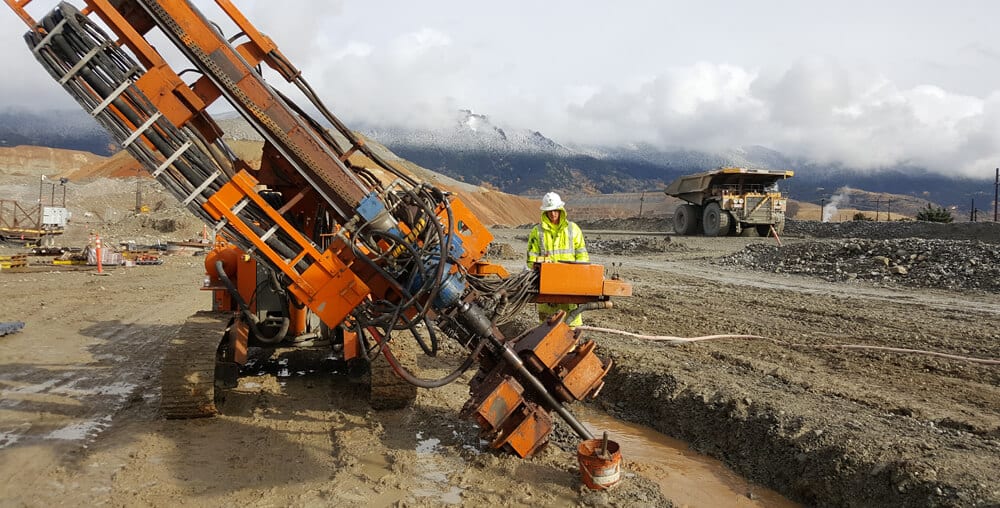
GeoStabilization International engineers two complementary grouting approaches for Kentucky karst subsidence. Permeation grouting injects low-viscosity cementitious or chemical grout into dissolution-enlarged fractures, sealing the pathways that allow soil migration into developing voids. Compaction grouting injects stiffer grout that displaces and densifies the soil above the karst horizon, re-establishing uniform bearing capacity across the treatment zone. Both methods are designed using detailed subsurface characterization—borehole data, downhole camera surveys, and geophysical mapping.
The I-65 corridor through Warren County and the Bowling Green metropolitan area represent Kentucky's highest-priority karst subsidence zones—combining active dissolution processes with critical transportation infrastructure and dense commercial development. GeoStabilization International's ground improvement engineers have treated similar karst conditions across the eastern United States, bringing field-tested solutions and 8,000+ projects of performance data to every Kentucky subsidence repair.
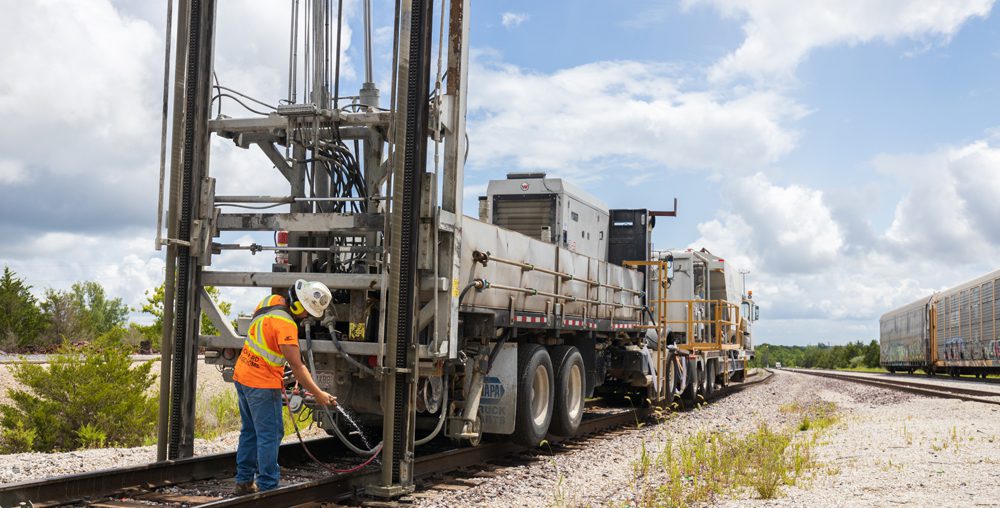
Traditional karst subsidence repair splits the work across a geotechnical consultant, a drilling contractor, and a grouting subcontractor—creating coordination gaps, change orders, and schedule delays. GeoStabilization International eliminates this fragmentation. Our in-house engineers design the grouting program. Our specialized crews execute the injection. One contract covers investigation, design, grouting, and verification. And our warranty backs the performance of the entire treatment zone—not just individual injection points.
Progressive karst subsidence only gets worse with time. GeoStabilization International's grouting specialists seal dissolution pathways and fill developing voids before they reach the surface.