Retaining Wall Instability

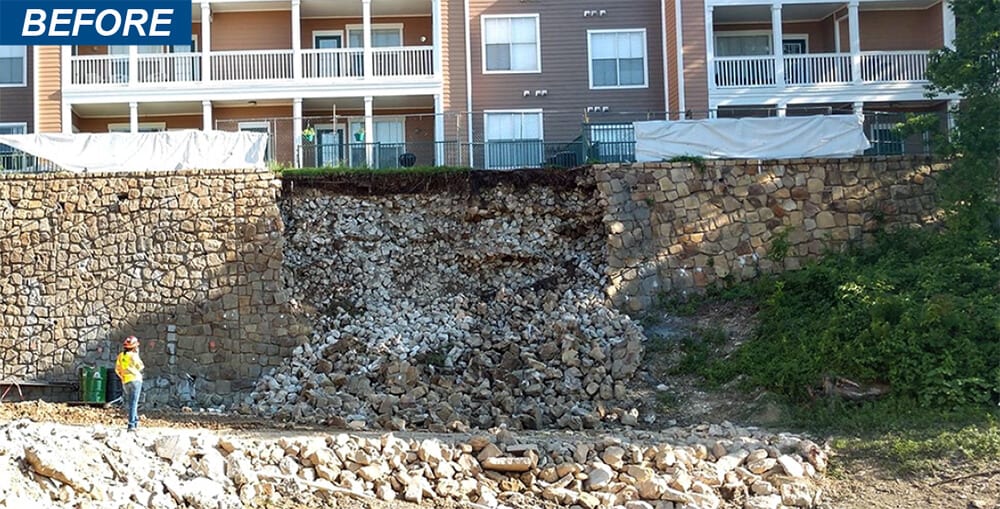
MSE wall before

Retaining Wall Instability

Retaining wall instability occurs when earth pressures, water forces, or foundation conditions exceed the wall’s ability to resist movement. These failures often begin gradually through cracking, bulging, or rotation before accelerating into partial or complete collapse. Once movement starts, risk to nearby infrastructure, access, and safety increases rapidly.

Retaining wall instability is common along roadways, access roads, commercial developments, industrial facilities, and hillside properties where walls are relied upon to support grade changes and protect adjacent assets.

GeoStabilization International has stabilized and rehabilitated retaining walls across North America, including distressed systems in constrained corridors where replacement is not feasible.

Contact Us

How Retaining Wall Instability Develops

Retaining wall instability typically develops when one or more performance assumptions are no longer valid. Unlike slope failures, retaining wall instability is often driven by internal wall system behavior combined with subsurface conditions.

Common contributing factors:

Inadequate drainage behind the wall, leading to increased water pressure

Foundation settlement or loss of bearing support beneath the wall

Increased surcharge loads from traffic, structures, or stockpiling

Wall aging and material degradation over time

Poor backfill or compaction during original construction

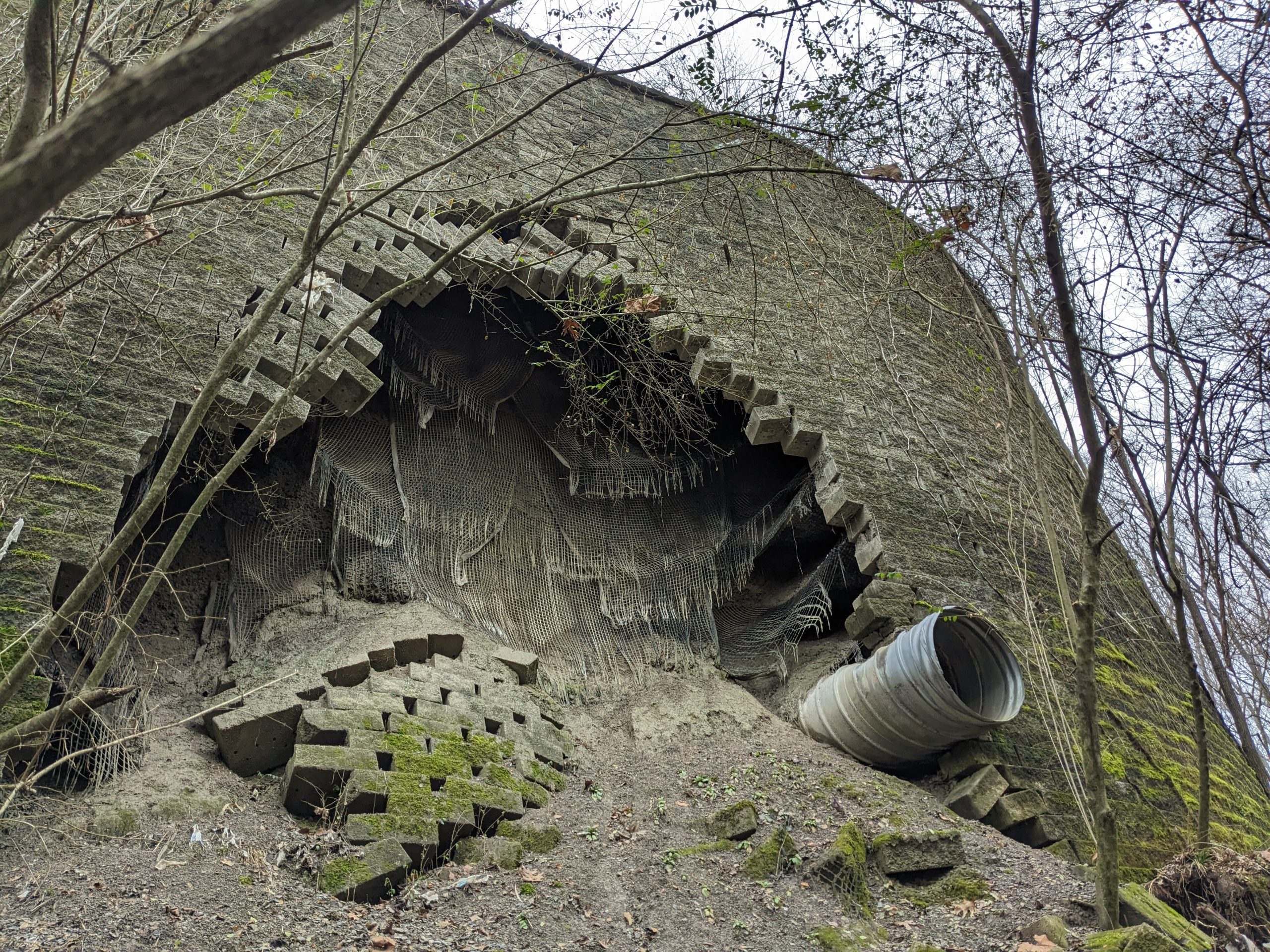
Retaining wall failure

Warning Signs of Retaining Wall Instability

Retaining wall instability rarely occurs without warning. Common indicators include:

  • Cracking in wall panels or facing elements

  • Bulging or bowing of the wall face

  • Leaning or outward rotation

  • Separation at joints or along the top of the wall

  • Drainage outlets that are clogged, leaking, or nonfunctional

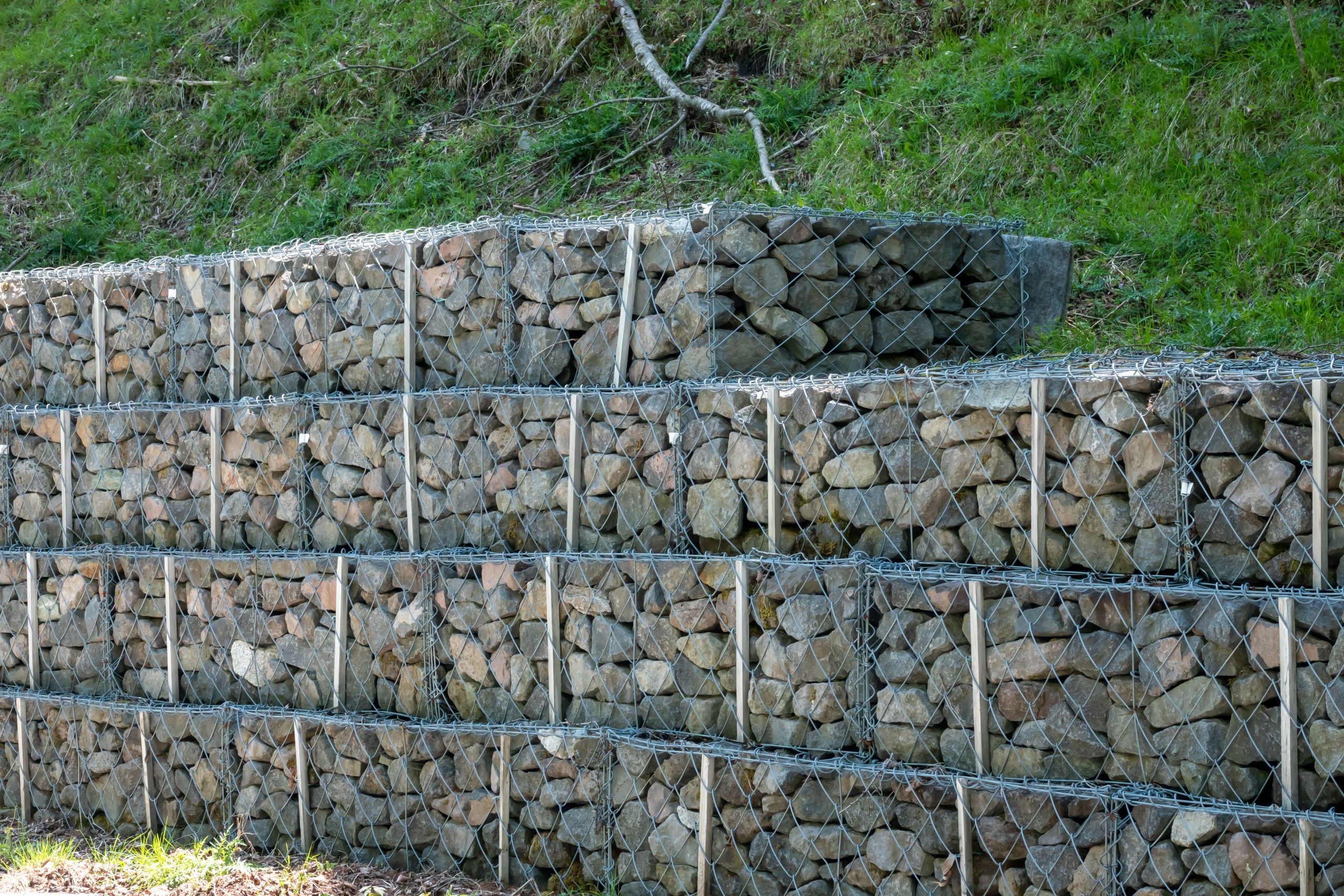
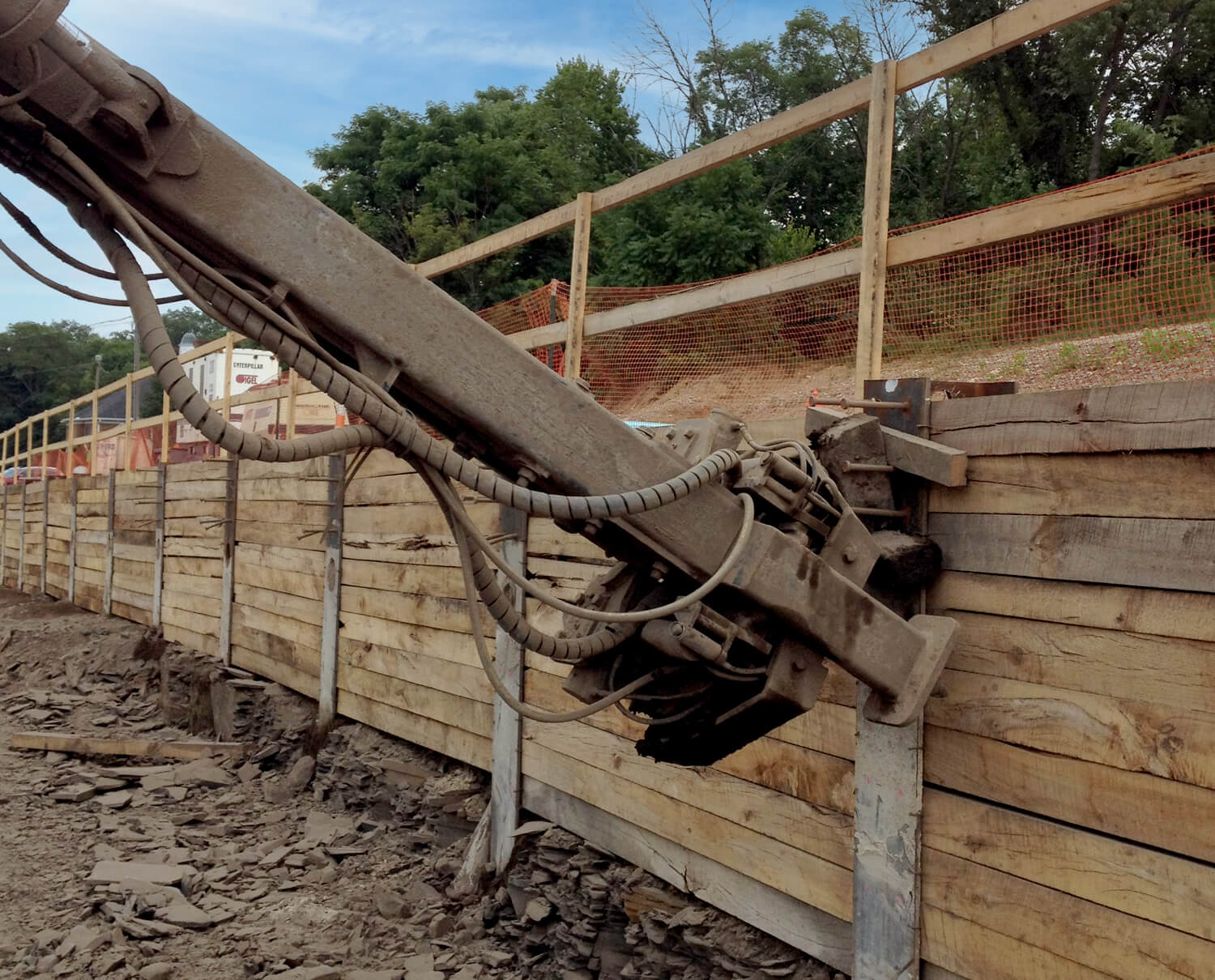
Gabion Wall

Who Is Most Impacted by Retaining Wall Instability

Retaining wall instability affects a wide range of owners and operators responsible for supporting grade changes and protecting adjacent assets. For these stakeholders, instability represents both a safety risk and a costly operational challenge. Those impacted include:

  • Transportation agencies managing roadway support walls

  • Public agencies and municipalities overseeing infrastructure and public spaces

  • Commercial and industrial property owners with walls supporting parking areas or structures

  • Developers and contractors responsible for wall performance

  • Private property owners with hillside retaining systems

Evaluate Retaining Wall Condition

Request an Assessment

Wall Cracking or Leaning?

Speak With a Stabilization Expert

Why Retaining Wall Instability Escalates

Walls that have begun to move rarely stabilize on their own. Once movement begins, retaining wall instability often accelerates due to:

Progressive increase in lateral earth pressure

Continued water infiltration behind the wall

Loss of alignment and redistribution of loads

Temporary surface repairs that do not address root causes

Limited access that delays permanent intervention

Consequences of Delay

If retaining wall instability is not addressed proactively, consequences can include:

  • Sudden collapse or partial wall failure

  • Loss of roadway or site access

  • Damage to adjacent pavements, utilities, or structures

  • Emergency stabilization under unsafe conditions

  • Elevated liability and long-term repair costs

Early stabilization can often prevent full replacement and significantly reduce risk.

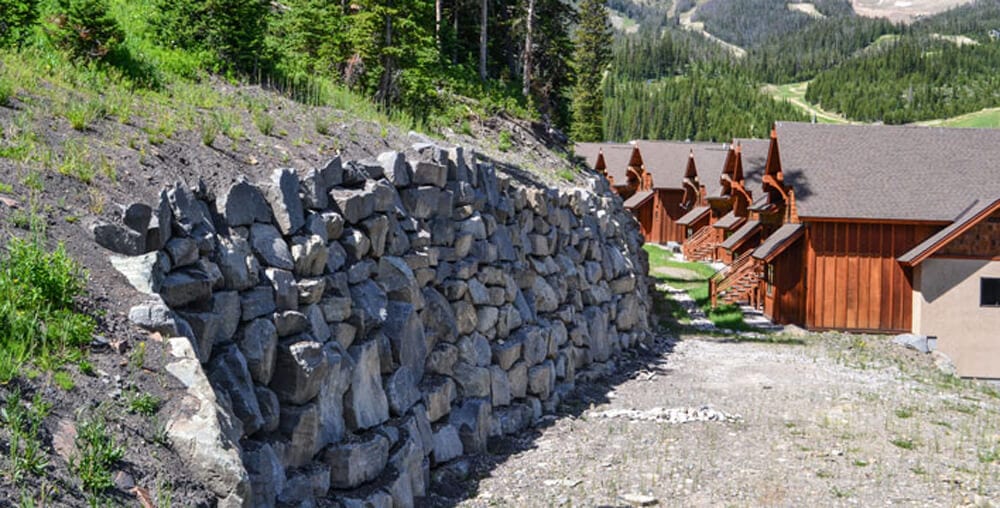
GCS Wall

Frequently Asked Questions

Most issues are caused by poor drainage, increased loads, foundation movement, or deterioration of wall components.

Often, yes. Many walls can be stabilized or reinforced without full replacement if addressed early.

Not always, but movement is a clear warning sign that performance has been compromised.

Extremely important. Poor drainage is one of the leading causes of instability.

In many cases, yes. Phased construction and limited-access methods are commonly used.

Related Solutions

Retaining wall instability is typically addressed through reinforcement, drainage improvement, or foundation support systems selected based on wall type, movement mechanism, and site constraints. Common solution categories include:

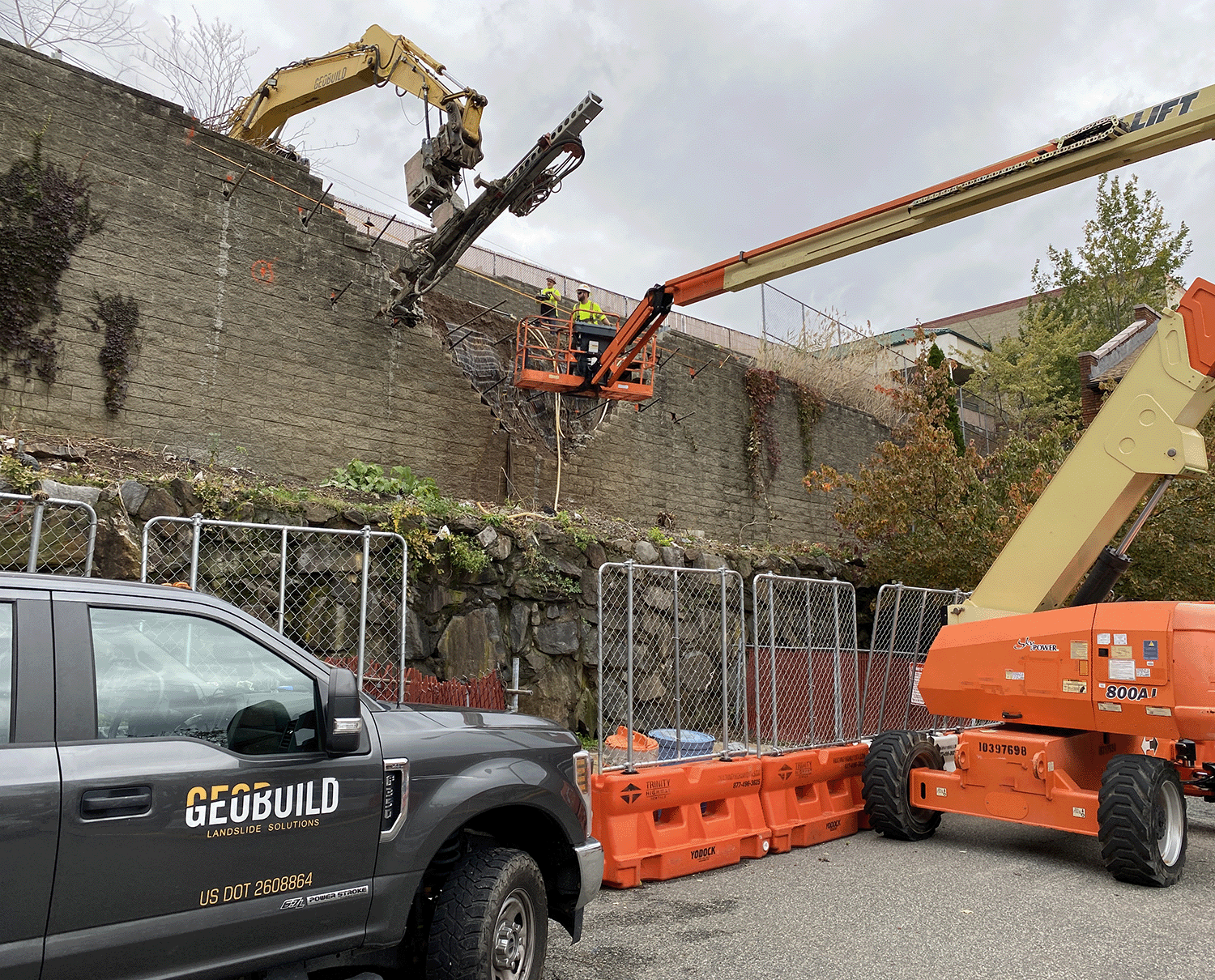
Crew using lifts and a drill attachment to stabilize a tall retaining wall.

Why Early Action Matters

Rockfall hazards are not self-correcting. Once rock begins to detach, conditions typically worsen unless addressed. Early evaluation allows for controlled mitigation, improved safety, and reduced long-term cost, before an incident forces emergency response.

How GSI Helps

No two sites are identical, and the same issue can require an immediate response, a maintenance plan, or a permanent stabilization strategy. GSI helps owners take the right next step with solutions built for safety, constructability, and long-term performance.

Emergency Response

When conditions are urgent, GSI mobilizes quickly to stabilize hazards, reduce immediate risk, and help restore safe access. Our teams deliver field-ready solutions that support critical infrastructure and prevent conditions from worsening.

Ongoing Maintenance

Some problems require recurring attention to keep corridors, slopes, and assets performing safely over time. GSI provides proactive maintenance and targeted repairs that extend service life, reduce repeat failures, and improve reliability.

Planned Stabilization

When it’s time for a permanent solution, GSI designs and builds stabilization systems tailored to site constraints and performance goals. Our teams deliver long-term improvements that strengthen durability, safety, and asset protection.

Client Reviews

Retaining Wall Repair for Commercial Property in Ohio

I wanted to let you know how impressed we were with your company. Time will tell how well it all worked, however, the professionalism and quality of your team was most obvious. I truly believe we could not have picked a better company for this large endeavor. I was there yesterday showing it to our owner, and was quite proud of the work you did. Everything you promised, you delivered. And though there were a couple snafus, based on a job this large, it was beyond minor and also you made it all right in the end. Thank you for that. In speaking with Tammie, our Property Manager and Dave--the quality of your guys working was top notch.

Again, ask me years from now how it is working, but if ever we had another job with your name on it, it would be a pleasure and honor to work with you again!

Retaining Wall Stabilization for Commercial Property

Riley, You, Jason and the GSI crew did an outstanding job stabilizing and resurfacing our retaining wall. We are extremely happy that we selected GSI for this project. All of you were efficient, flexible, knowledgeable, and professional. You and Jason were quick to respond to our requests, resolve any minor problems that occurred, and keep the project on schedule. We feel that this was all done at a reasonable price. Our wall looks great and I’m sure it will last for a very long time….

Please extend our thanks to everyone involved. We would highly recommend GSI to anyone who has a similar project.

Retaining Wall Repair in Oregon

We had a very good experience working with GSI and I look forward to working with them again. GSI was a good partner in evaluating our site conditions, access constraints, and performance goals, and determining a practical approach to repairing our failing retaining wall. I have been impressed with their combination of technical experts and construction personnel.

GET IN TOUCH

Contact Us Today

Retaining wall instability is a clear warning sign that movement and collapse risk may be increasing. GeoStabilization International delivers targeted stabilization solutions that restore performance without full replacement. Request an assessment today to protect infrastructure and prevent escalation.

855.579.0536

    How Can We Help?

    • Personal Info
    • Contact Info
    • Project Info
    ***Fees May Apply For Residential Site Visits***

    How Can We Help?

    • Personal Info
    • Contact Info
    • Project Info

    How Can We Help?

    • Personal Info
    • Contact Info
    • Project Info

    By using this website, you acknowledge and agree to our Privacy Policy. This site is protected by reCAPTCHA, and the Google Privacy Policy and Terms of Service apply.