Embankment & Shoulder Failures

Landslide Repair

Embankment & Shoulder Failures

Embankment and shoulder failures occur when the ground supporting the edge of a roadway or developed area loses strength, stability, or confinement. These failures often begin subtly, through cracking, settlement, or erosion, before progressing into more severe loss of support, reduced lane width, or partial collapse.

Embankment and shoulder failures are especially common along roadways in constrained corridors, fill sections, and areas subjected to repeated wetting, erosion, or traffic loading. If left unaddressed, these failures can expand laterally and vertically, creating safety hazards and requiring increasingly disruptive repairs.

GeoStabilization International has stabilized failing embankments and roadway shoulders across North America, including projects where access, traffic control, and long-term performance are critical considerations.

Contact Us

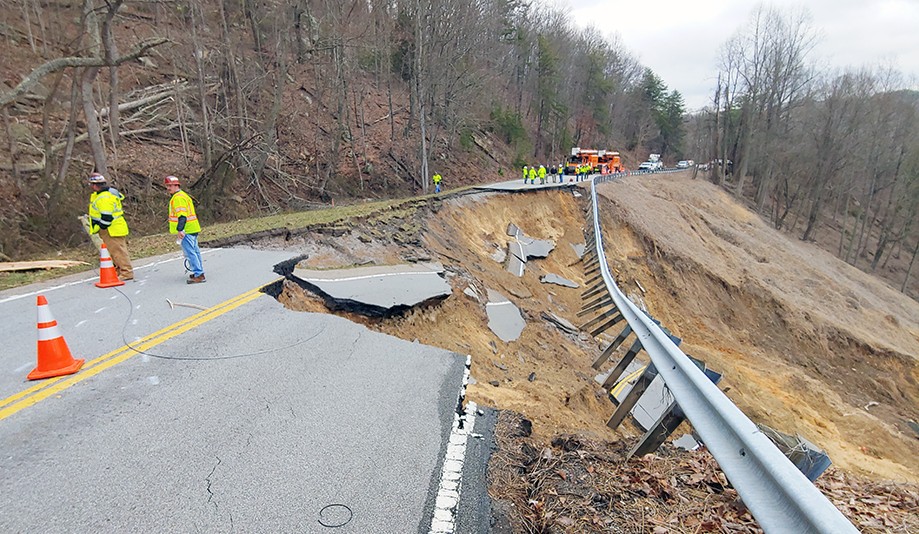
Failed slope on side of road

How Embankment & Shoulder Failures Develop

Embankment and shoulder failures typically develop when the forces acting on the embankment exceed the ground’s ability to resist movement. Common contributing factors include:

  • Poorly compacted or variable fill materials
  • Water infiltration and inadequate drainage
  • Surface erosion and loss of shoulder material
  • Traffic loading near the pavement edge
  • Undermining from adjacent slopes or drainage features
  • Previous repairs that addressed symptoms but not causes

Unlike retaining wall failures, embankment and shoulder failures often involve progressive loss of ground support, allowing the failure zone to grow over time.
Warning Signs of Embankment & Shoulder Distress

Embankment and shoulder failures often provide visible indicators before significant collapse occurs, including:

Cracks forming parallel to the roadway edge

Settlement or drop-off at the shoulder

Pavement edge cracking or breakup

Sloughing or erosion on the embankment face

Soft or pumping areas near the roadway edge

Temporary edge repairs that continue to fail

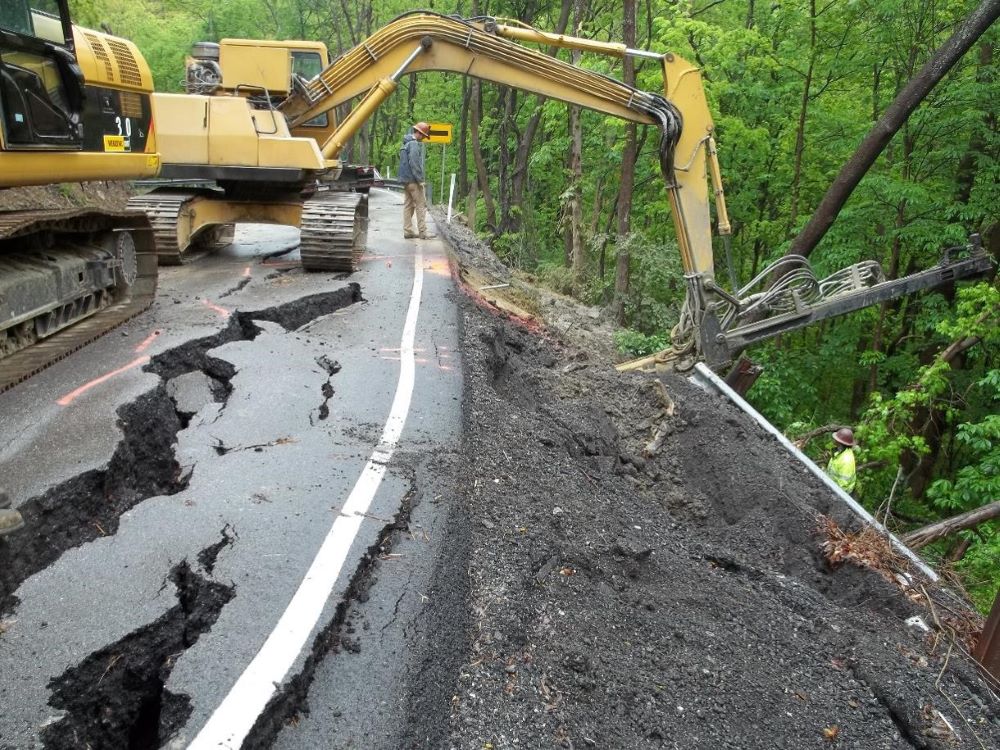
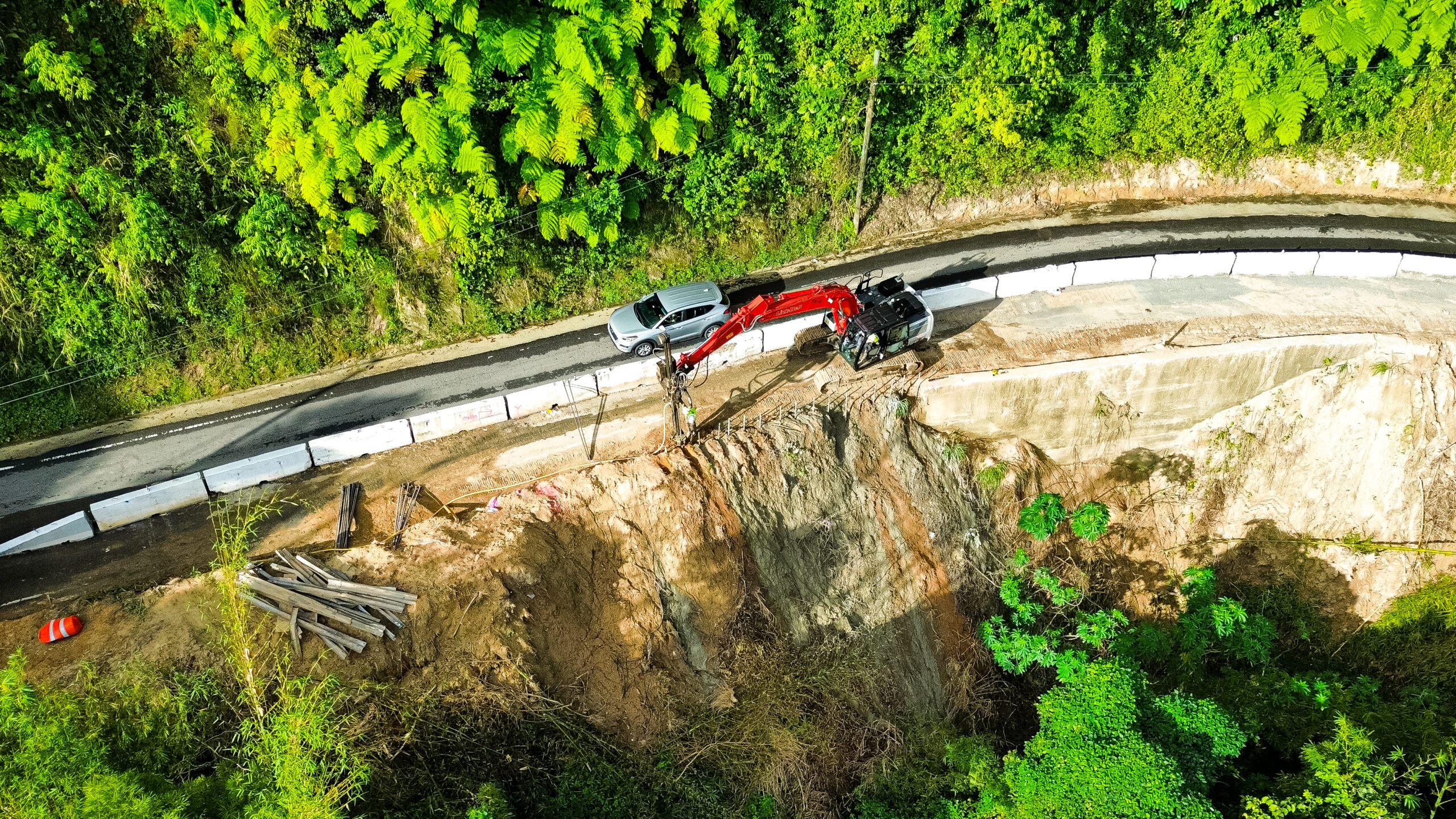
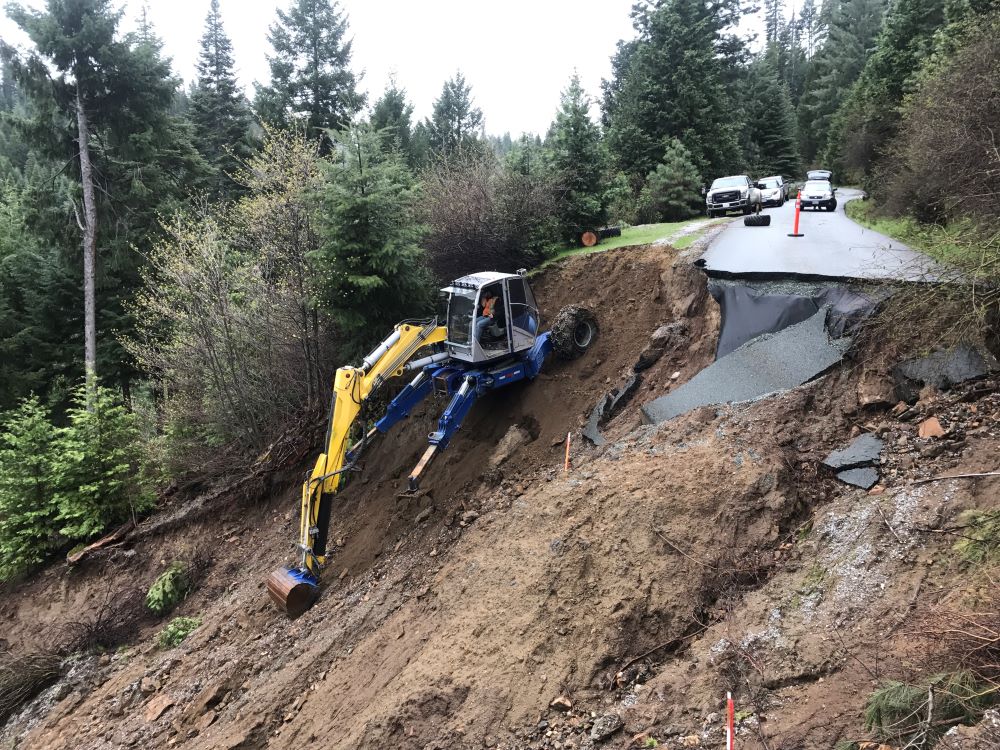
Spider excavator on slope

Who Is Most Impacted by Embankment & Shoulder Failures

Embankment and shoulder failures pose challenges for owners and operators responsible for maintaining safe and reliable access, including:

  • Transportation agencies managing roadways and highways 
  • Public agencies and municipalities responsible for local roads 
  • Utility owners with infrastructure adjacent to roadway embankments 
  • Industrial and commercial facilities with access roads on fill sections 
  • Developers and property owners in sloped or fill-supported terrain 

For these stakeholders, embankment failure directly affects safety, access, and long-term maintenance costs.

Edge Cracking or Settlement?

Speak With a Stabilization Expert
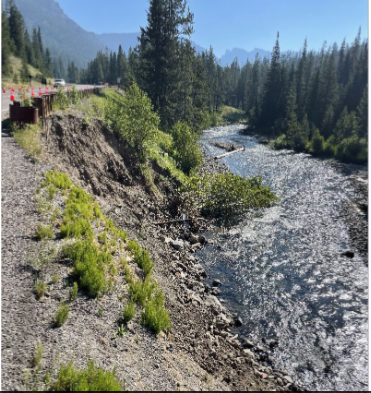
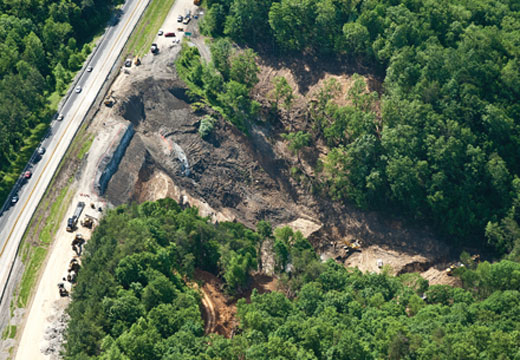
I-75-landslide

Why Embankment & Shoulder Failures Escalate

Without stabilization, small edge failures can expand into major roadway disruptions. Once an embankment or shoulder begins to fail, conditions often worsen due to:

  • Continued infiltration of water into weakened zones
  • Loss of confinement as material erodes or sloughs away
  • Increased loading on a reduced support area
  • Repeated temporary repairs that do not restore structural support
  • Seasonal weather cycles that accelerate deterioration

Consequences of Not Addressing Embankment & Shoulder Failures

Early stabilization can often limit the failure footprint and reduce overall project impact. If embankment and shoulder failures are not addressed proactively, consequences can include:

Lane restrictions or loss of usable roadway width

Emergency stabilization under unsafe conditions

Damage to adjacent pavement, drainage, or utilities

Increased safety and liability exposure

Higher long-term repair and maintenance costs

Frequently Asked Questions

No. While erosion is common, failures can also result from poor compaction, drainage issues, or increased loading near the pavement edge.

Yes. Edge failures often expand laterally and vertically over time.

Not always. Many embankment failures can be stabilized without full removal or rebuilding if addressed early.

Yes. Repeated loading near the edge of the pavement can accelerate deterioration once support is compromised.

In many cases, yes. Phased construction and limited-width work zones are commonly used.

Related Solutions

Rockfall hazards can be addressed using a range of engineered mitigation approaches, depending on site conditions, access constraints, and risk tolerance. Commonly applied solutions include:

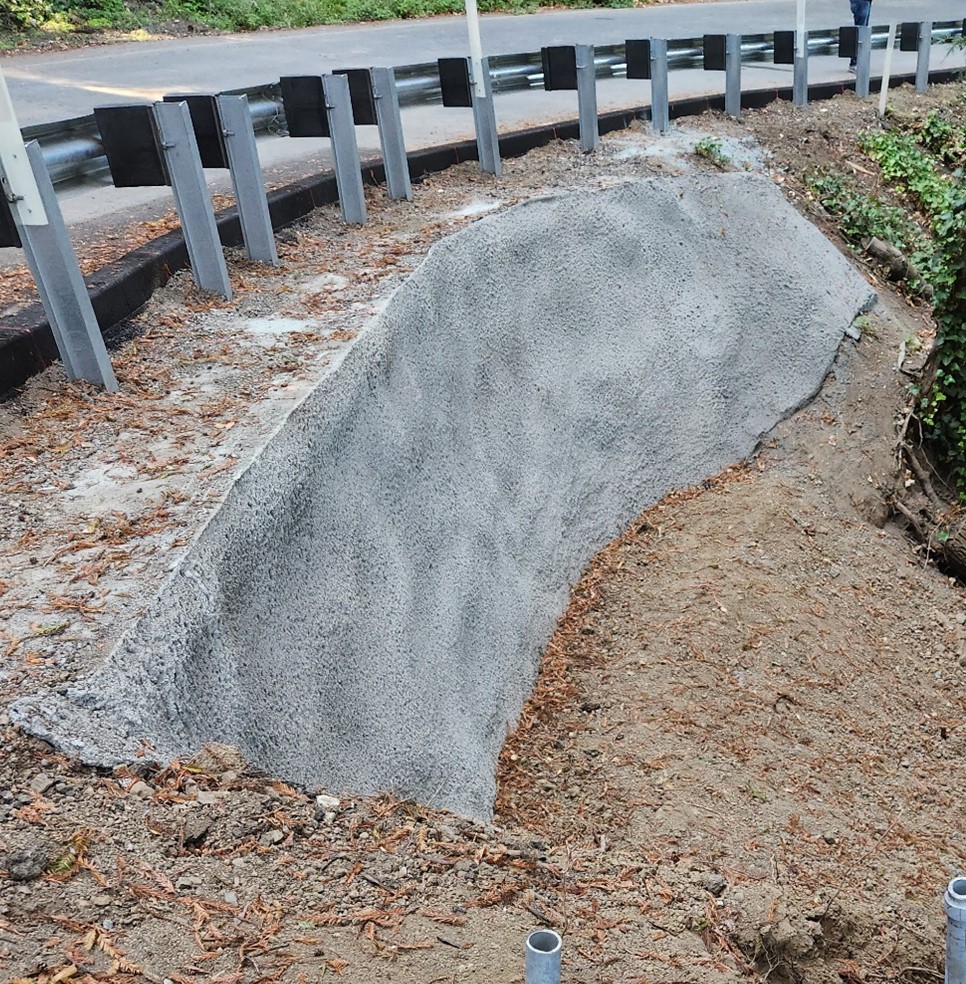
Rough-gun finish shotcrete wall supporting a roadside embankment near a guardrail.

Why Early Action Matters

Rockfall hazards are not self-correcting. Once rock begins to detach, conditions typically worsen unless addressed. Early evaluation allows for controlled mitigation, improved safety, and reduced long-term cost, before an incident forces emergency response.

How GSI Helps

No two sites are identical, and the same issue can require an immediate response, a maintenance plan, or a permanent stabilization strategy. GSI helps owners take the right next step with solutions built for safety, constructability, and long-term performance.

Emergency Response

When conditions are urgent, GSI mobilizes quickly to stabilize hazards, reduce immediate risk, and help restore safe access. Our teams deliver field-ready solutions that support critical infrastructure and prevent conditions from worsening.

Ongoing Maintenance

Some problems require recurring attention to keep corridors, slopes, and assets performing safely over time. GSI provides proactive maintenance and targeted repairs that extend service life, reduce repeat failures, and improve reliability.

Planned Stabilization

When it’s time for a permanent solution, GSI designs and builds stabilization systems tailored to site constraints and performance goals. Our teams deliver long-term improvements that strengthen durability, safety, and asset protection.

Client Reviews

Roadway Stabilization in Maryland

Thanks for another successful project – one that was completed just in time, under difficult conditions and just before a major rehabilitation was required. This partnership has grown to be an extremely valuable tool for attacking failing roads in steep environments.

Slope Stabilization in Kentucky

GeoStabilization's ability to design an appropriate and practical stabilization method with limited geotechnical data and their ability to warranty their work set them apart. Moreover, their unique internal partnership of geotechnical experts and experienced equipment operators brought substantial value to the work product.

Project Support for Transportation Infrastructure in Virginia

Perry & Chris, I hope all is well. Every so often I think back on how both of you and GeoStabilization helped us out tremendously on the Rte. 17 project and put us back on schedule. We ended up finishing the Rte. 17 project 5 days ahead of schedule …. It will always stick in my mind. I wanted to see if you guys would be interested in giving me a price [for additional work].

GET IN TOUCH

Contact Us Today

Embankment and shoulder failure often worsens as erosion, water infiltration, and traffic loading reduce support. GeoStabilization International provides proven stabilization solutions that restore roadway edges and prevent escalation. Request an assessment today to protect long-term performance and safety.

855.579.0536

    How Can We Help?

    • Personal Info
    • Contact Info
    • Project Info
    ***Fees May Apply For Residential Site Visits***

    How Can We Help?

    • Personal Info
    • Contact Info
    • Project Info

    How Can We Help?

    • Personal Info
    • Contact Info
    • Project Info

    By using this website, you acknowledge and agree to our Privacy Policy. This site is protected by reCAPTCHA, and the Google Privacy Policy and Terms of Service apply.