Loose Rock on Slopes

Loose Rock on Slopes

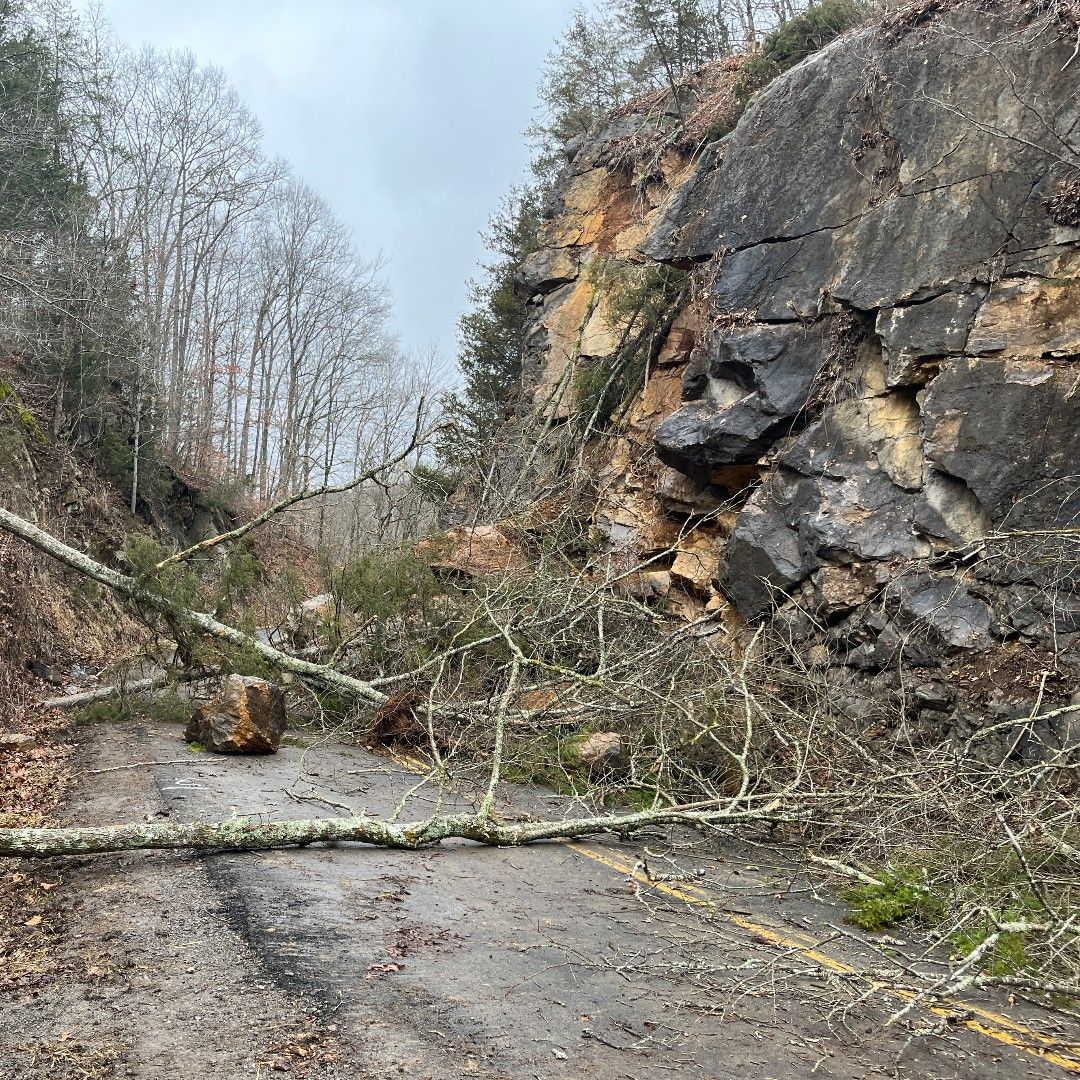
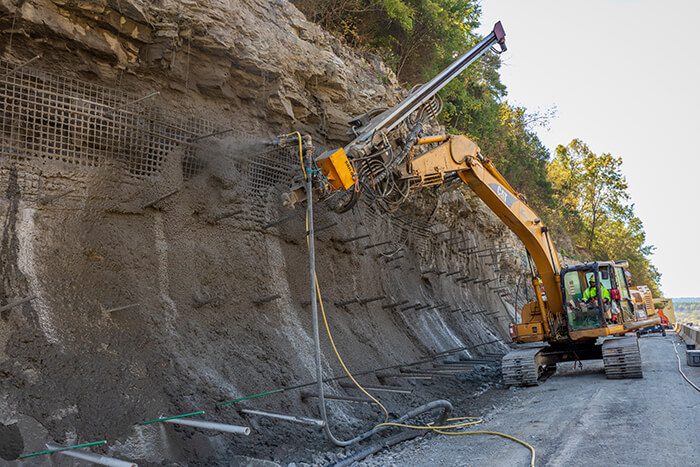
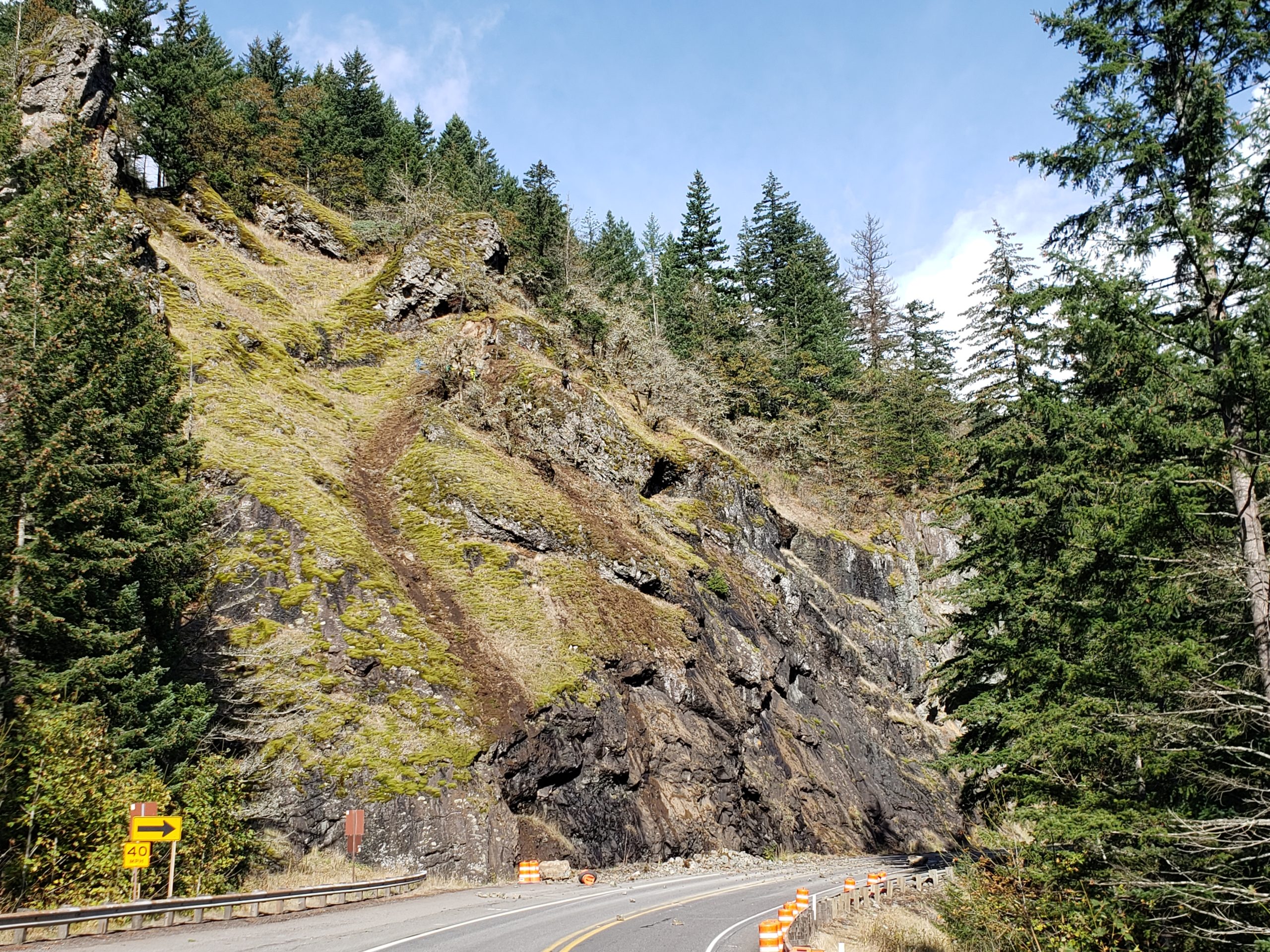
Loose rock on slopes is one of the most common, and often underestimated, geohazard problems affecting transportation corridors, rail lines, and facilities located below exposed rock faces. Individual rocks or blocks may appear stable for extended periods, then detach suddenly due to weather changes, vibration, or ongoing erosion. These conditions frequently precede larger rockfall failures and should be addressed before risk escalates.

Loose rock problems are especially prevalent on cut slopes created during roadway or rail construction, as well as natural rock faces that have been exposed by erosion or vegetation loss.

GeoStabilization International has addressed loose rock conditions on thousands of steep slopes across North America, including some of the most access-restricted transportation and utility corridors.

Contact Us

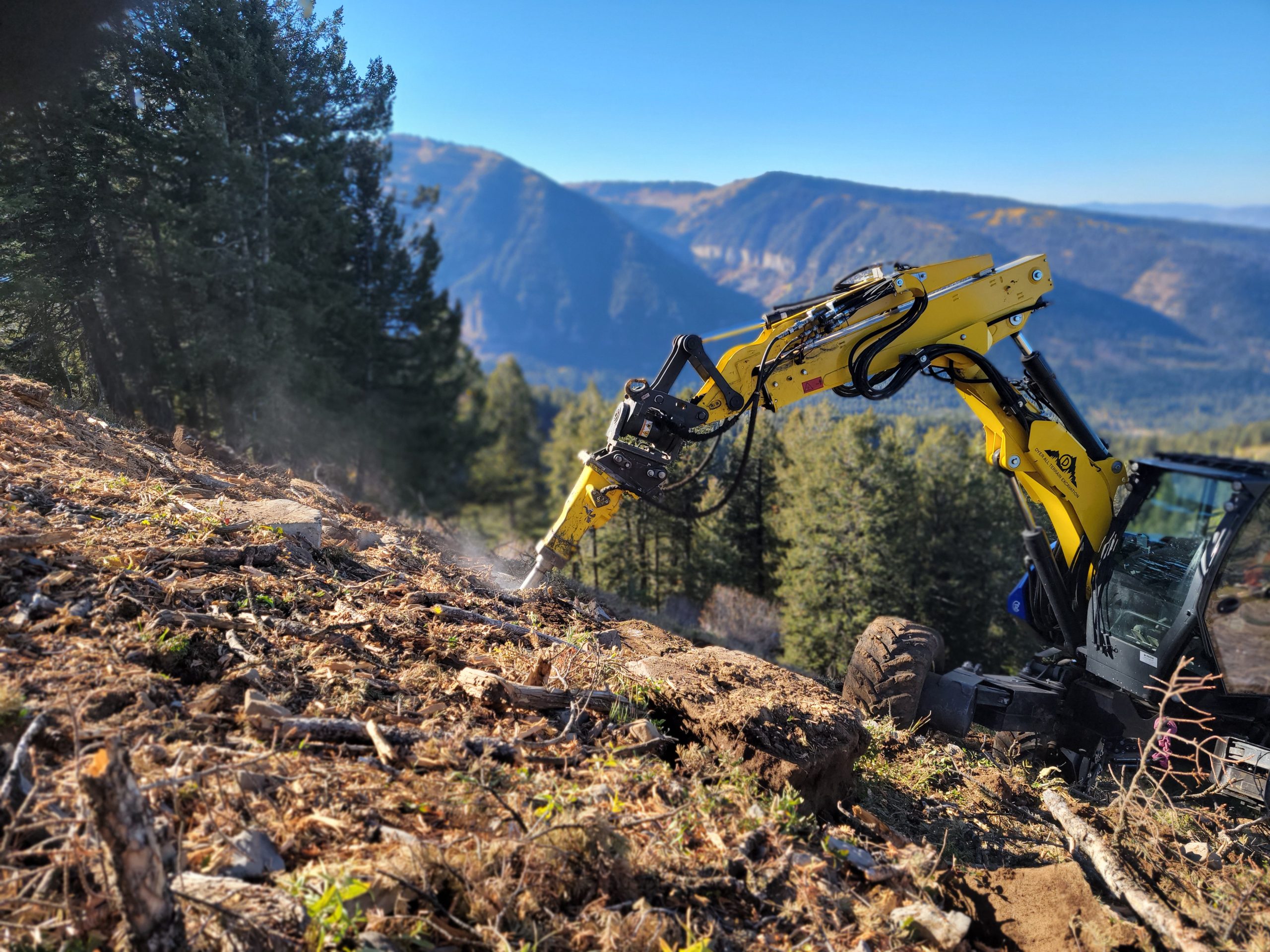
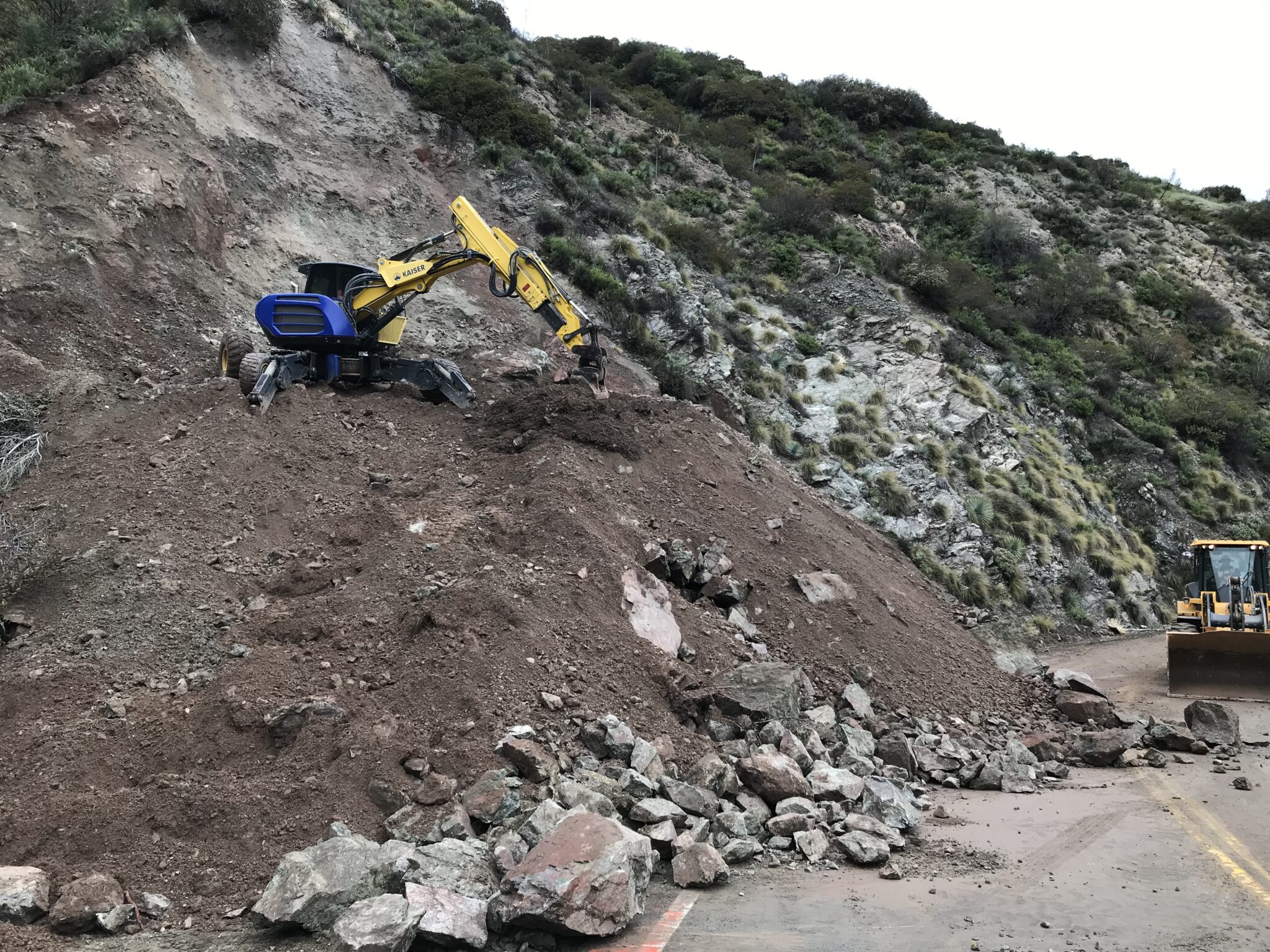
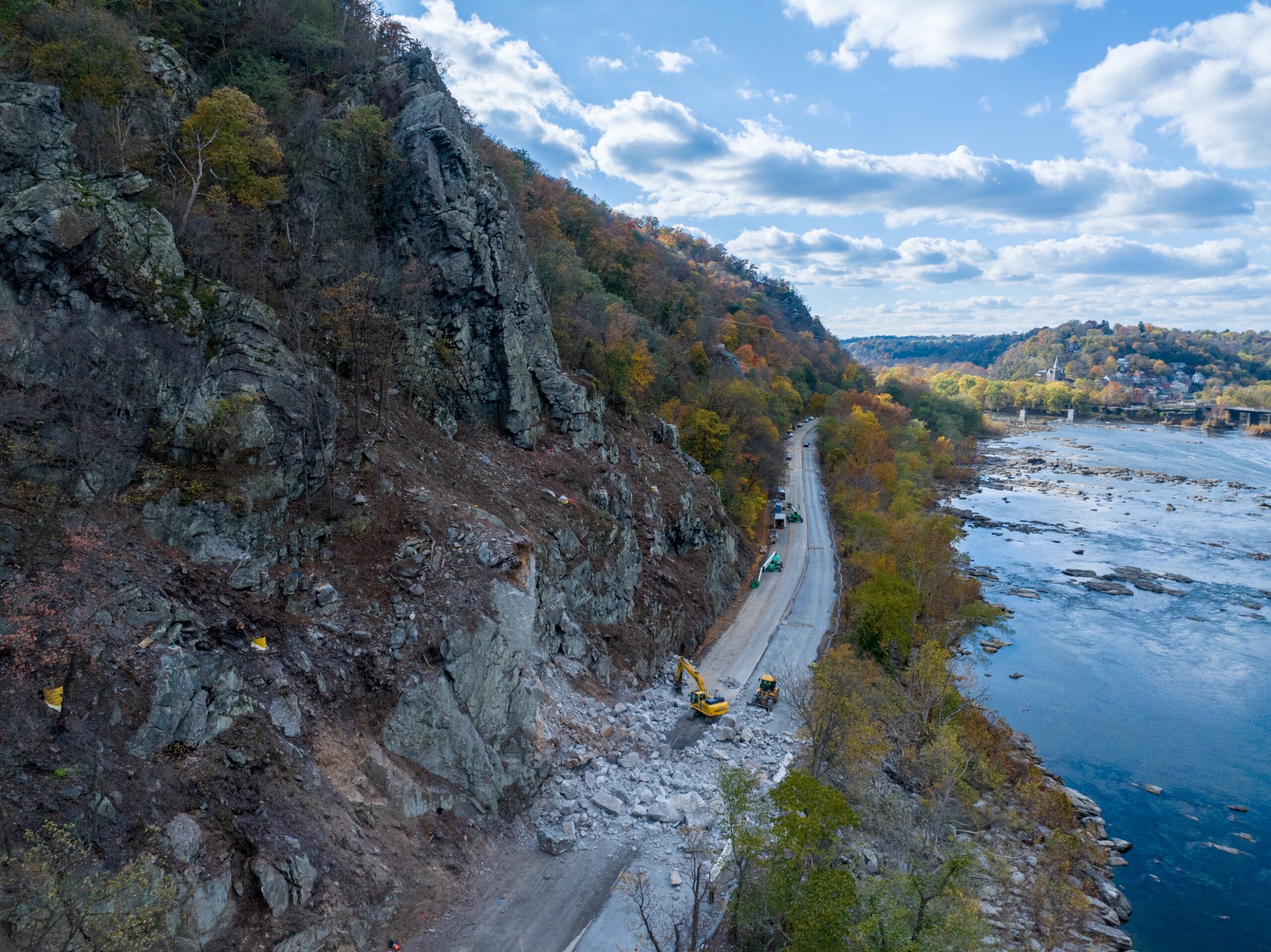
Excavator removing loose rocks
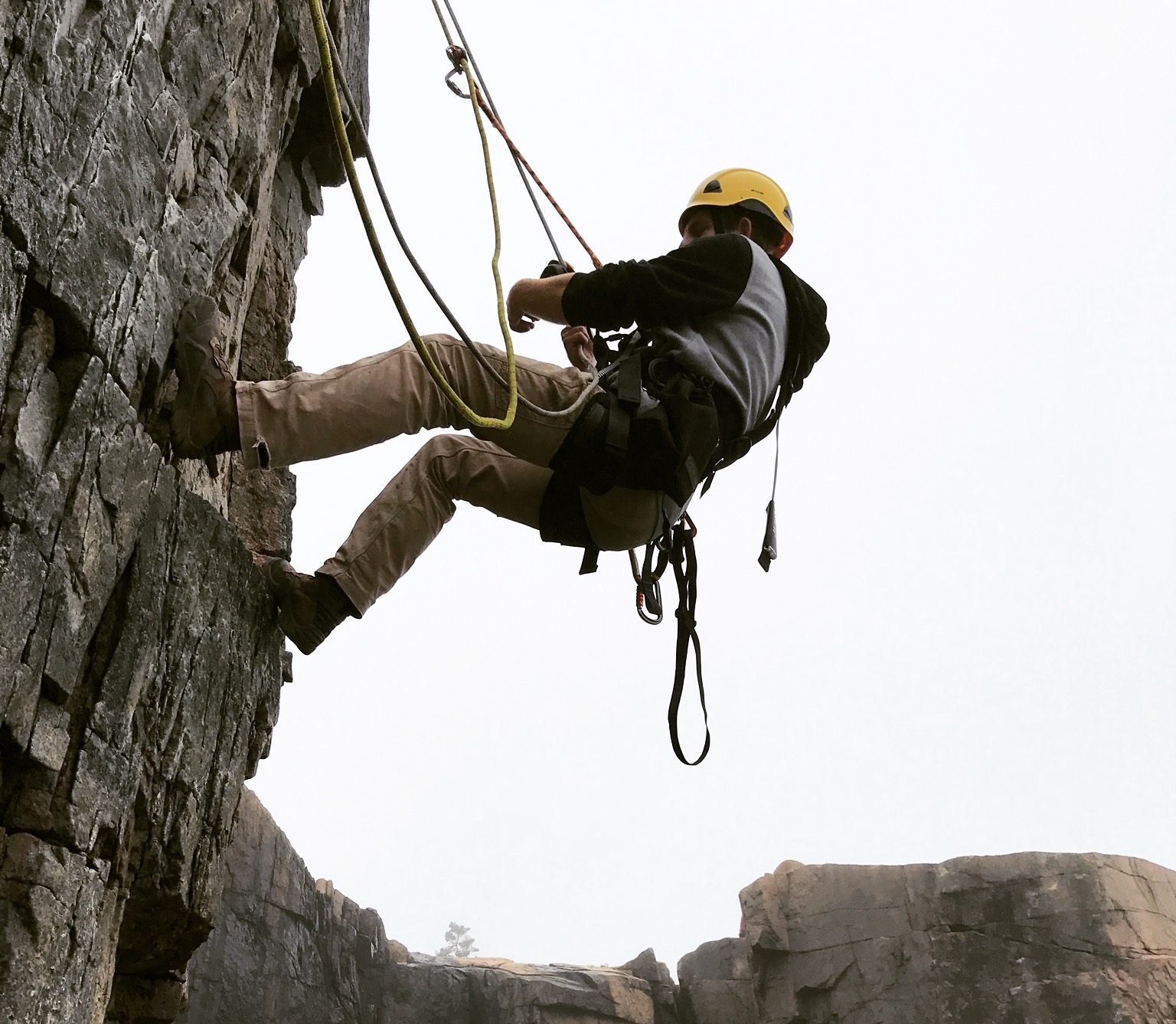
Scaling Erosion in Gully

How Loose Rock Conditions Develop

Over time, isolated loose material can spread across a slope as intact rock mass gradually loses confinement and stability, increasing both the frequency and severity of rockfall incidents. This progression is often driven by:

  • Freeze–thaw cycles that widen fractures and joints 
  • Weathering that weakens rock surfaces and contact points 
  • Surface erosion that undercuts rock blocks or removes lateral support 
  • Vegetation loss that eliminates natural binding 
  • Previous small failures that destabilize adjacent rock
Loose Rock Failure Risk

Warning Signs

Loose rock conditions often present clear indicators before a detachment occurs. While these issues may appear localized, they can pose serious safety risks, especially where catchment is limited or exposure is high.

  • Individual rocks perched or partially separated from the slope
  • Small rockfall events following rainfall or temperature swings
  • Rock fragments appearing after traffic or rail vibration
  • Repeated manual rock removal with no permanent resolution
  • Visible cracking, open joints, or daylighting fractures

Remove the Hazard Before It Falls

Request an Evaluation

Rock Already Falling?

Talk to a Stabilization Specialist

Who Is Most Impacted by Loose Rock on Slopes

Loose rock conditions affect a wide range of asset owners and operators, particularly those managing infrastructure below exposed rock faces, including:

  • Transportation agencies responsible for highway and roadway cut slopes
  • Rail operators with rock faces above active rail lines
  • Utility owners maintaining steep corridor access or hillside infrastructure
  • Industrial and commercial facilities located below rock slopes
  • Public agencies and land managers overseeing mountainous or canyon terrain

For these stakeholders, loose rock represents both a safety concern and an operational reliability risk.

Rock breaking on a steep slope

Why Loose Rock Should Not Be Treated as “Routine Maintenance”

Loose rock is often addressed through repeated cleanup or temporary measures. However, this approach can mask increasing instability rather than resolve it.

Key risks of deferring action include:

  • Unpredictable detachment without warning
  • Increased rockfall energy as larger blocks become mobilized
  • Escalating maintenance costs from repeat response
  • Greater exposure to public safety and liability concerns

Early intervention allows for controlled removal or stabilization before higher-consequence failures occur.

Consequences of Inaction

When loose rock problems are not addressed proactively, the consequences often include:

  • Unexpected closures or slow-downs along corridors
  • Emergency response under unsafe conditions
  • Damage to vehicles, rail infrastructure, or adjacent facilities
  • Increased risk to maintenance crews and the public
  • Transition from nuisance rockfall to hazardous events

Loose rock rarely resolves on its own—and conditions typically worsen with time.

Related Solutions

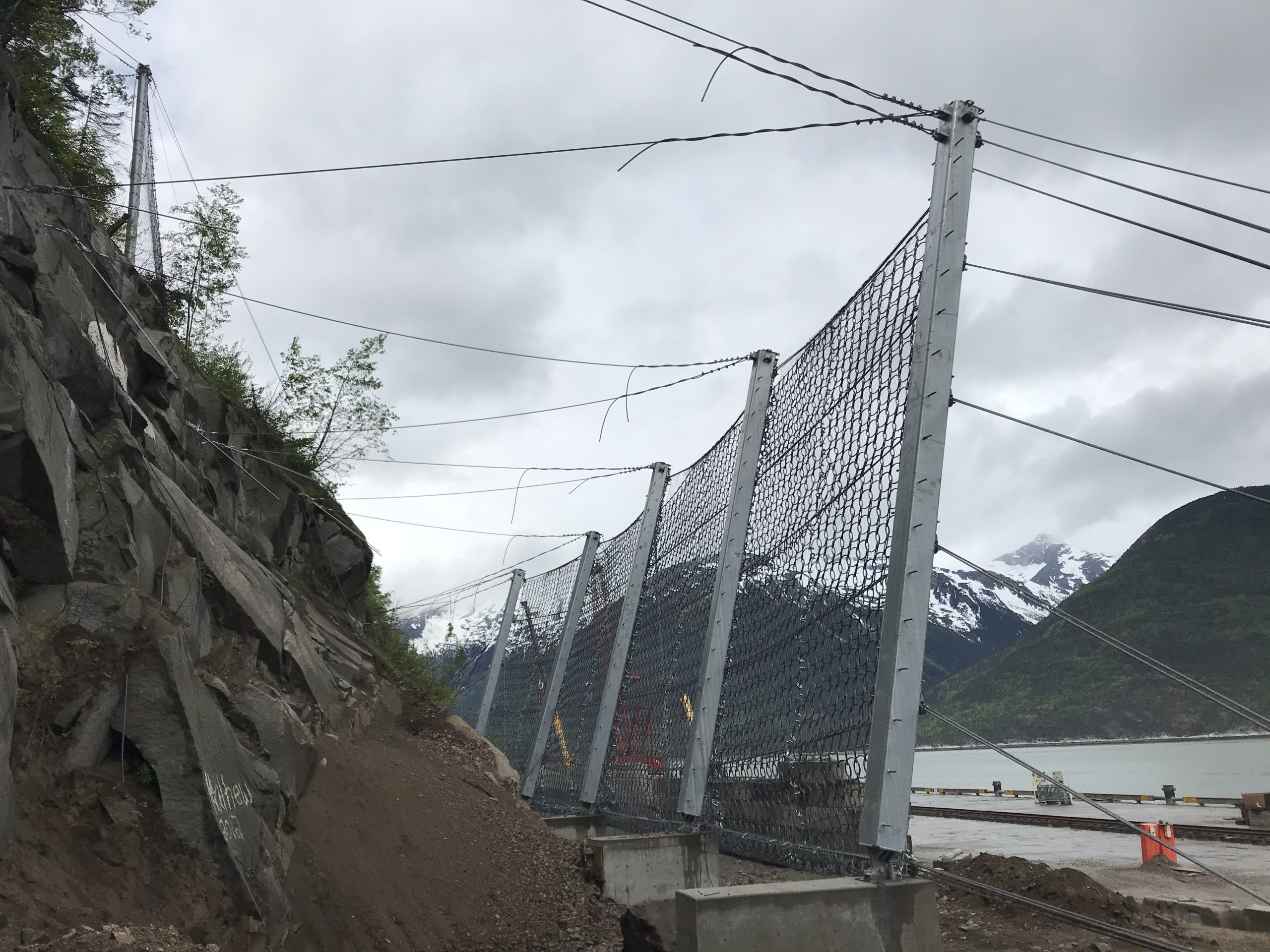
Loose rock issues are typically addressed through targeted mitigation approaches selected based on access, rock quality, and risk tolerance. Common solution categories include:

Frequently Asked Questions

Loose rock refers to individual blocks or fragments that are partially detached, fractured, or no longer fully supported by the surrounding rock mass.

No. Many unstable blocks are hidden within fractures and only become visible after movement begins.

Frequency depends on rock quality, exposure, and environmental conditions. Slopes in freeze–thaw or high-rainfall areas often require more frequent attention.

Yes. When identified early, localized mitigation is often effective and avoids larger interventions.

Scaling reduces immediate hazards, but it is often paired with longer-term systems to manage ongoing rockfall risk.

How GSI Helps

No two sites are identical, and the same issue can require an immediate response, a maintenance plan, or a permanent stabilization strategy. GSI helps owners take the right next step with solutions built for safety, constructability, and long-term performance.

Emergency Response

When conditions are urgent, GSI mobilizes quickly to stabilize hazards, reduce immediate risk, and help restore safe access. Our teams deliver field-ready solutions that support critical infrastructure and prevent conditions from worsening.

Ongoing Maintenance

Some problems require recurring attention to keep corridors, slopes, and assets performing safely over time. GSI provides proactive maintenance and targeted repairs that extend service life, reduce repeat failures, and improve reliability.

Planned Stabilization

When it’s time for a permanent solution, GSI designs and builds stabilization systems tailored to site constraints and performance goals. Our teams deliver long-term improvements that strengthen durability, safety, and asset protection.

Client Reviews

Rockfall Mitigation and Scaling for Mining Operations in Canada

Hey Trevor, I gotta [sic] admit, I was a little worried after our progress on the first day of scaling. I wondered if I’d missed something in analyzing that slope! However, on day two, the guys were able to get the bulk of the loose material down in the two areas I was concerned about. They also installed two prisms into the blocks adjacent to the areas scaled so we can monitor any changes in the slope.
The team who came to site were the epitome of professional, not to mention a lot of fun to work with. There was never any point where I felt they were working unsafely. I am most impressed with the entire operation.
I think we were able to remove 100% of the immediate hazard for that area, and 75-80% of the overall hazard. Job well done!

Rockfall Mitigation and Removal in Wyoming

Richard, I wanted to take a quick minute and thank you and Courtney and the awesome crew that you sent here to take care of our huge rock. Courtney, John, and Andrew are some of the hardest working people I have had the privilege to be around. Their attention to safety professionalism, and never quit attitude was amazing to watch. Even when things did not go our way they were committed to finishing the job. I appreciate you sending these great guys to help us out and look forward to the opportunity to work with you again in the future.

Emergency Rockfall Mitigation for Mining Operations

I recently interacted with some of your rockfall division guys. I have never seen an outfit as competent on safety measures nor any contractors who worked as hard as your guys do. During the work, I was in a room with your guys and some other contractors, and your guys were head and shoulders above the rest in all aspects.

GET IN TOUCH

Contact Us Today

Loose rock conditions are often the first visible sign that a slope is changing. Addressing these issues early allows for safer working conditions, reduced long-term risk, and more predictable maintenance planning, before larger failures develop.

Contact GSI to request an assessment today!

855.579.0536

    How Can We Help?

    • Personal Info
    • Contact Info
    • Project Info
    ***Fees May Apply For Residential Site Visits***

    How Can We Help?

    • Personal Info
    • Contact Info
    • Project Info

    How Can We Help?

    • Personal Info
    • Contact Info
    • Project Info

    By using this website, you acknowledge and agree to our Privacy Policy. This site is protected by reCAPTCHA, and the Google Privacy Policy and Terms of Service apply.