
Cascade volcanic rock, metamorphic formations in the North Cascades, and Columbia Basin basalt create rockfall hazards that vary dramatically across the state's mountain passes. Along corridors like I-90 over Snoqualmie Pass, SR-14 along the Columbia Gorge, US-2 over Stevens Pass, and SR-20 through the North Cascades, rockfall events threaten public safety, close critical transportation routes, and cost agencies millions in emergency response and repair.
Heavy snowpack loading, rain-on-snow events, seismic activity, and lahar-prone volcanic terrain generate multi-season rockfall risk across Washington's highway network. When rockfall strikes, the consequences range from lane closures and traffic disruption to structural damage and catastrophic failure of retaining systems. Washington's WSDOT, USFS, NPS (Mount Rainier, North Cascades), BNSF Railway, and hydropower operators need a rockfall contractor that understands these conditions — not a general earthwork company hoping for the best.
Access Limited deploys a full range of engineered rockfall mitigation systems across Washington. Each solution is selected based on site-specific conditions — rock type, slope geometry, catchment requirements, and traffic exposure along corridors like I-90 over Snoqualmie Pass, SR-14 along the Columbia Gorge, US-2 over Stevens Pass, and SR-20 through the North Cascades.
Wire mesh and draped mesh installations control rockfall at the source by confining loose material on the slope face. In Washington, these systems are engineered for the specific rock mass conditions found along WSDOT corridors.
Flexible rockfall barriers intercept falling rock before it reaches the roadway. Access Limited sizes barrier systems based on block size, fall height, and energy calculations specific to each Washington corridor.
Rock bolting stabilizes individual blocks and fractured zones in place — preventing rockfall before it initiates. Access Limited's Spyder Drill Rigs install bolt patterns on near-vertical Washington rock faces that conventional drill rigs cannot access.
Attenuator systems reduce rockfall energy by guiding falling rock through successive curtains of steel mesh — slowing each block before it reaches the roadway below. These are engineered for Washington corridors with long, steep fall paths.
Scaling removes loose and unstable rock from slope faces before it falls — the most direct form of rockfall hazard reduction. Access Limited performs mechanical and manual scaling across Washington using Spider Excavators and rope-access crews.
Every rockfall mitigation solution Access Limited installs in Washington is engineered for the specific conditions of the site — not selected from a generic catalog. Access Limited's Pacific Northwest presence — headquartered in nearby Forest Grove, Oregon — enables rapid deployment to any WSDOT corridor across the Cascades.
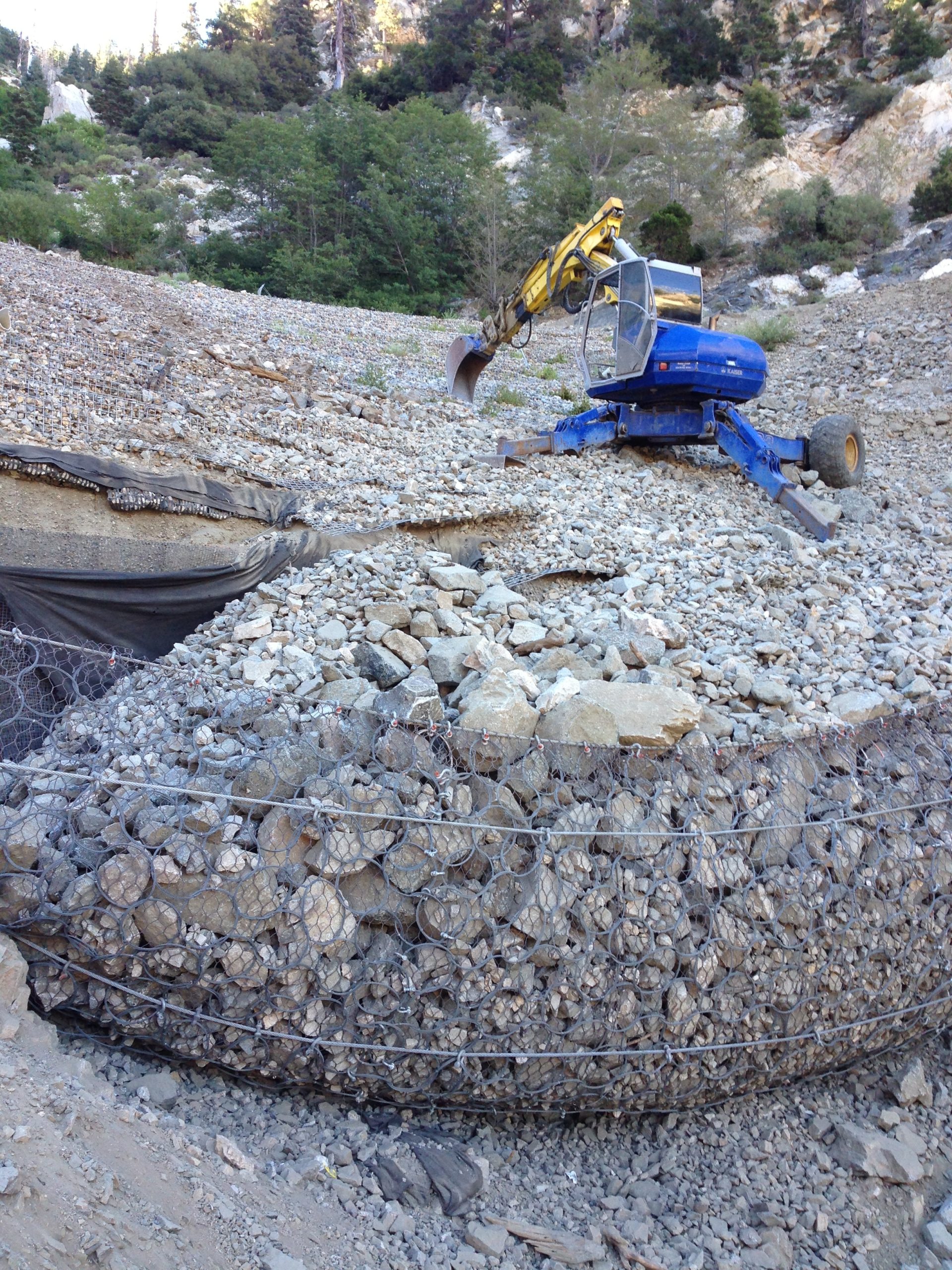
Purpose-Built Equipment — Spider Excavators navigate the steep volcanic terrain of the Cascades, installing mesh and barriers in locations where road access ends and the real rockfall exposure begins.
Rockfall Specialists, Not Generalists — Access Limited's entire operation is built around steep slope and rockfall work. Every crew member, every rig, and every safety protocol is designed for this specific discipline.
Nationwide Deployment, Local Knowledge — Access Limited's Pacific Northwest presence — headquartered in nearby Forest Grove, Oregon — enables rapid deployment to any WSDOT corridor across the Cascades.
24/7 Emergency Response — When rockfall closes a Washington corridor, Access Limited mobilizes immediately with the specialty equipment required to reopen the route safely.
See why WSDOT, USFS, NPS (Mount Rainier, North Cascades), BNSF Railway, and hydropower operators trust Access Limited for rockfall mitigation in Washington and across the nation.
Whether you need rockfall containment, emergency scaling, or a comprehensive slope assessment — Access Limited is Washington's rockfall mitigation specialist.