Many bridges across Colorado were built before current MASH crash-test standards existed, and CDOT inspection programs are identifying more of these structurally adequate but non-compliant rails every cycle.
An outdated bridge rail doesn't announce itself the way a corroded or visibly damaged rail does. The structure can look sound while the rail itself no longer meets the containment standard required for today's traffic speeds and vehicle types.
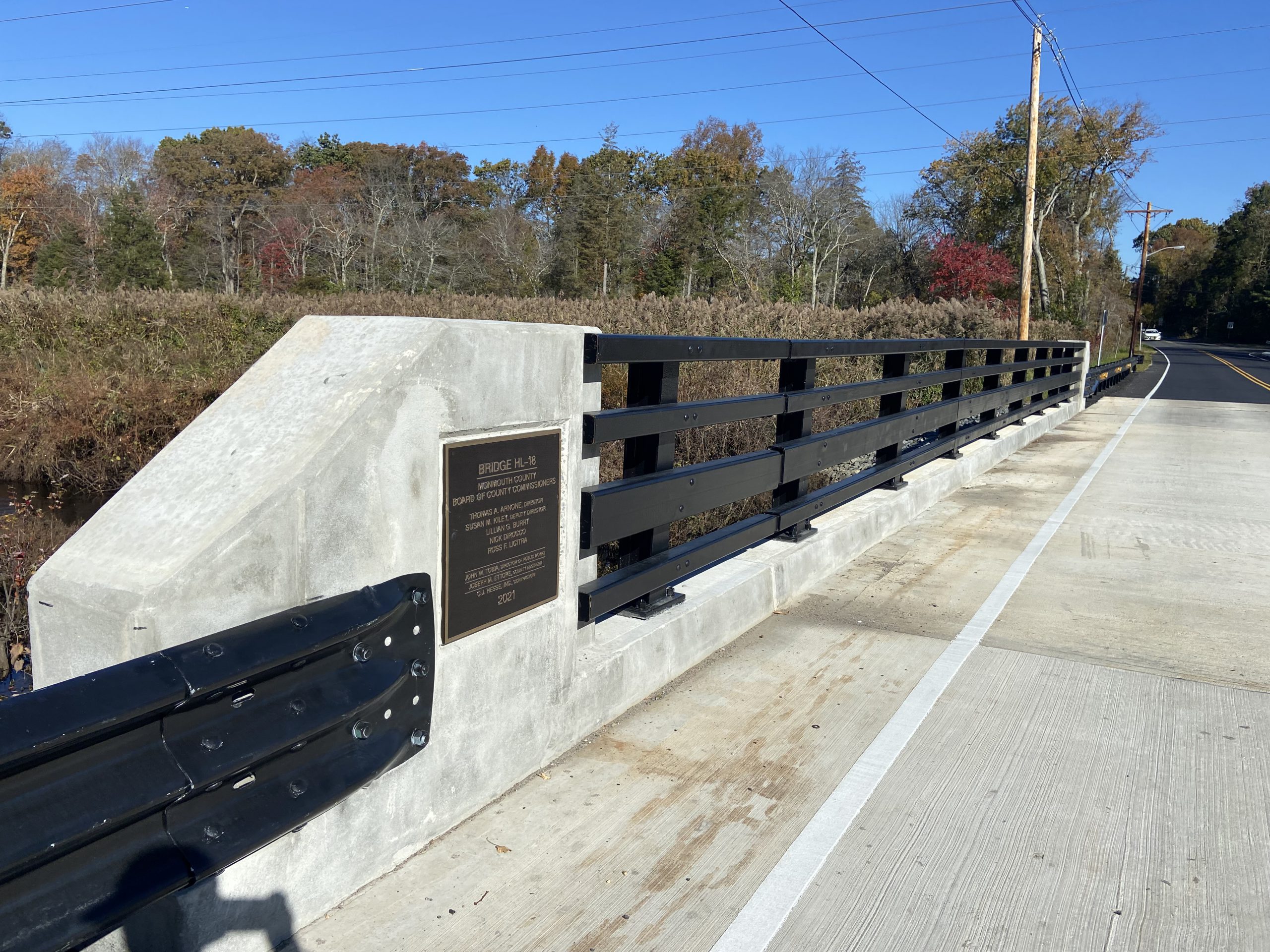
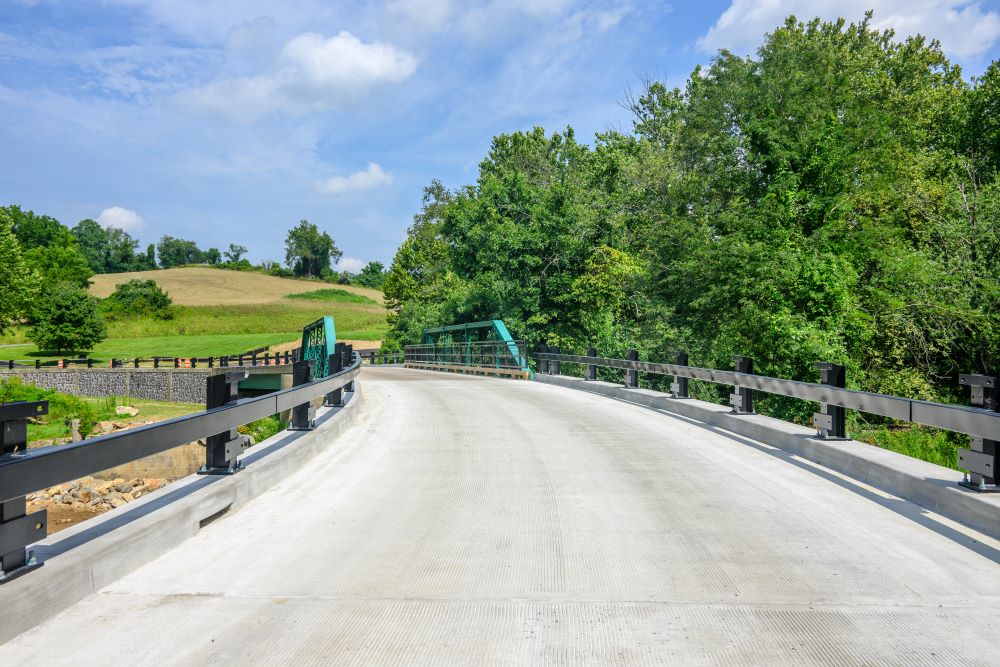
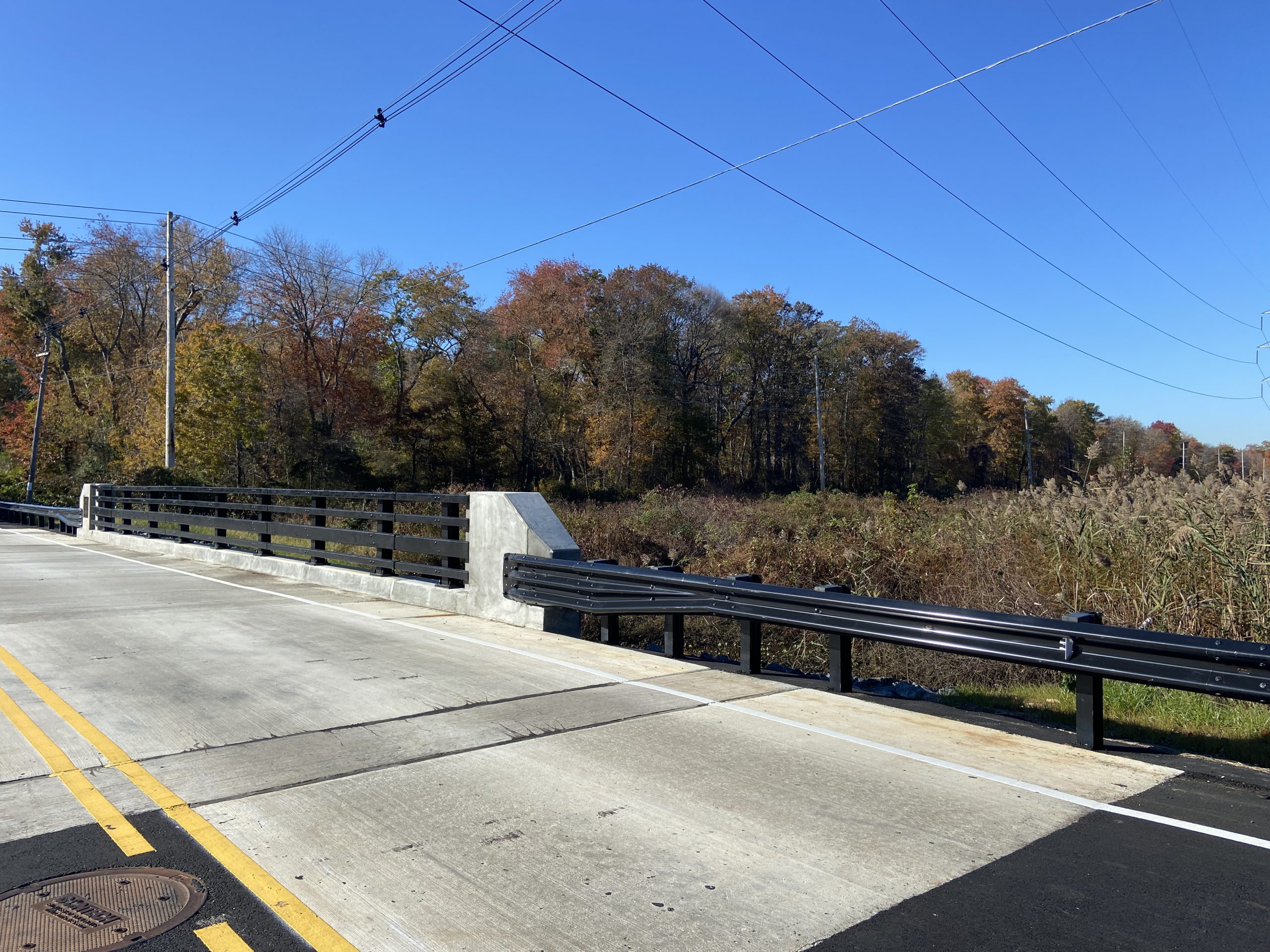
RoadGuard retrofits bridge rail across Colorado, upgrading the rail system to current MASH standards, often without a full bridge deck replacement.
Ideal Fencing Corp (IFC) and its Colorado-based Adarand Constructors division deliver roadside safety work across Colorado. Adarand has installed CDOT-approved guardrail and bridge rail systems from its Colorado Springs office for more than 40 years, and IFC pairs that track record with the crews, equipment, and material inventory it takes to keep a Colorado project moving through CDOT inspection.
RoadGuard retrofits older bridge rail systems across Colorado to bring structures up to current MASH standards.
Retrofit work typically replaces or reinforces the rail system itself rather than the bridge deck, a faster and lower-cost path to MASH compliance than a full structure replacement.
A retrofit rail has to meet the MASH Test Level appropriate for the bridge's current traffic volume and design speed, which is often higher than what the original rail was designed for decades ago.
RoadGuard works retrofit timing around CDOT's bridge inspection and prioritization schedule, so the structures with the most urgent deficiencies get addressed first.
Retrofit work is typically installed alongside bridge rail and tubular thrie beam transitions as part of one coordinated project.
Ideal Fencing Corp and Adarand Constructors bring more than 40 years of CDOT-approved guardrail and bridge rail experience to every Colorado project, so crews already know the state's approved products list, permitting steps, and inspection standards before the first post goes in the ground.
IFC is 100% employee-owned, which means the crew on your job has a direct stake in getting it right the first time. Crews are OSHA 30-Hour certified, and IFC carries $25 million-plus in bonding capacity, $5 million in general liability coverage, DBE certification, and ATSSA membership, the documentation CDOT, general contractors, and municipal procurement teams typically require before award.
Every project starts with a free, no-obligation site visit and a fixed-cost proposal, and finishes with a one-year warranty covering materials, installation, and performance.
Request a free, no-obligation site visit from your local RoadGuard team. We'll assess conditions and develop a fixed-cost proposal.