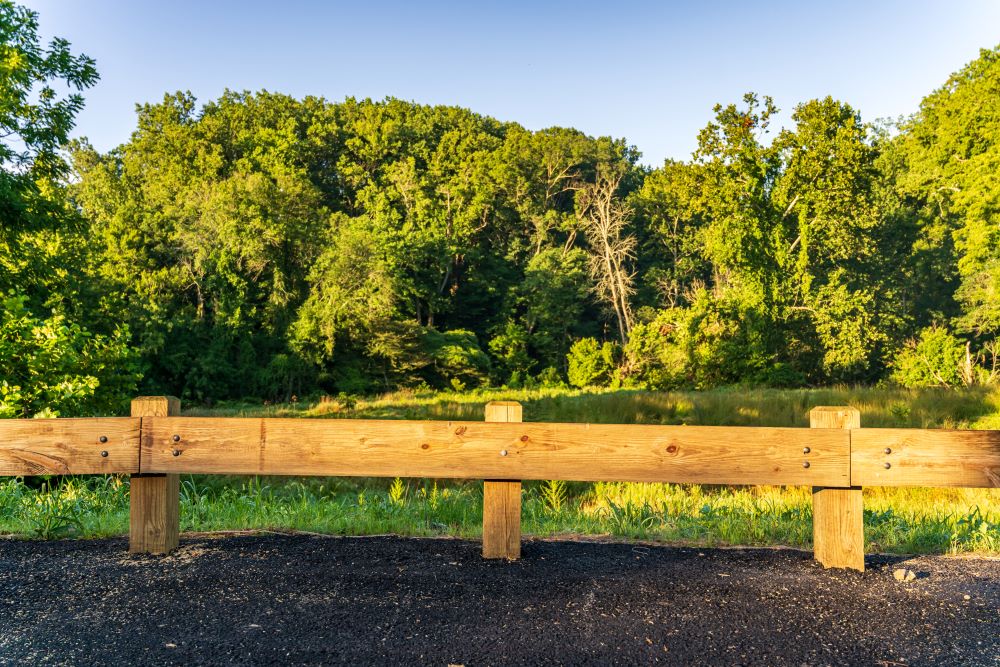
Colorado's mountain resort roads and scenic byways use timber rail for a reason: it has to look right in places like Beaver Creek, Vail, and other mountain communities while still performing like any other crash-tested barrier.
Weathered, rotted, or loosened timber rail loses structural performance well before it looks obviously damaged, which makes routine inspection important on corridors where aesthetics were part of the original design intent.
RoadGuard installs and repairs timber rail across Colorado to MASH standards, keeping the scenic look mountain communities want without giving up crash performance.
Ideal Fencing Corp (IFC) and its Colorado-based Adarand Constructors division deliver roadside safety work across Colorado. Adarand has installed CDOT-approved guardrail and bridge rail systems from its Colorado Springs office for more than 40 years, and IFC pairs that track record with the crews, equipment, and material inventory it takes to keep a Colorado project moving through CDOT inspection.
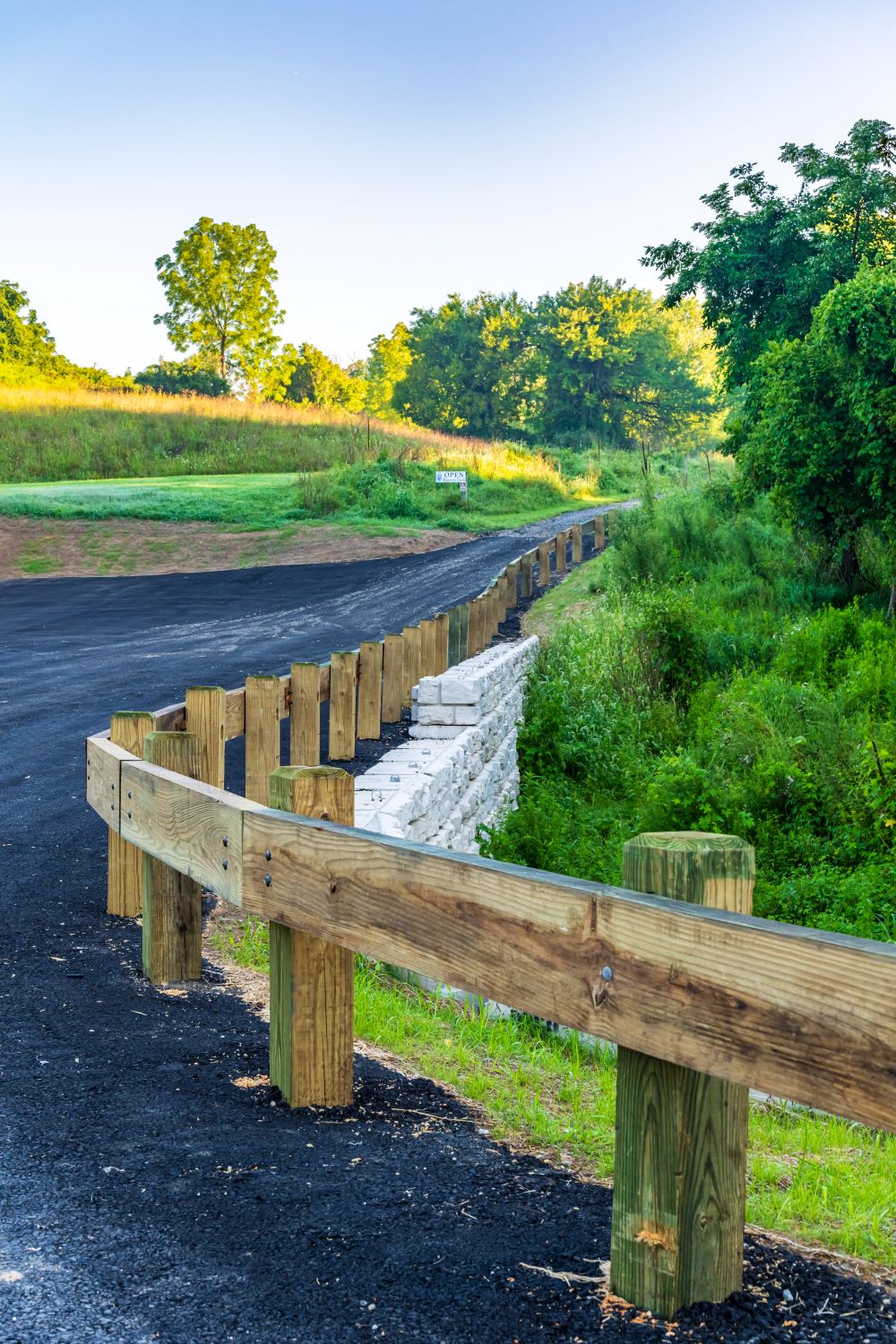
RoadGuard installs timber rail, also called log rail, on scenic and mountain corridors across Colorado where a natural-wood aesthetic is part of the roadway design.
Timber rail systems are engineered and crash-tested to the same MASH performance requirements as steel guiderail, even though the finished look is wood rather than galvanized steel.
Ski resort access roads, park roads, and scenic byways across Colorado's mountain corridor commonly specify timber rail to match the surrounding landscape.
RoadGuard inspects timber rail for rot, splitting, and loosened hardware, and repairs or replaces sections in kind so a repaired run matches the rest of the corridor.
Timber rail is one of several profiles under RoadGuard's guiderail installation scope in Colorado, alongside box beam and standard W-beam.
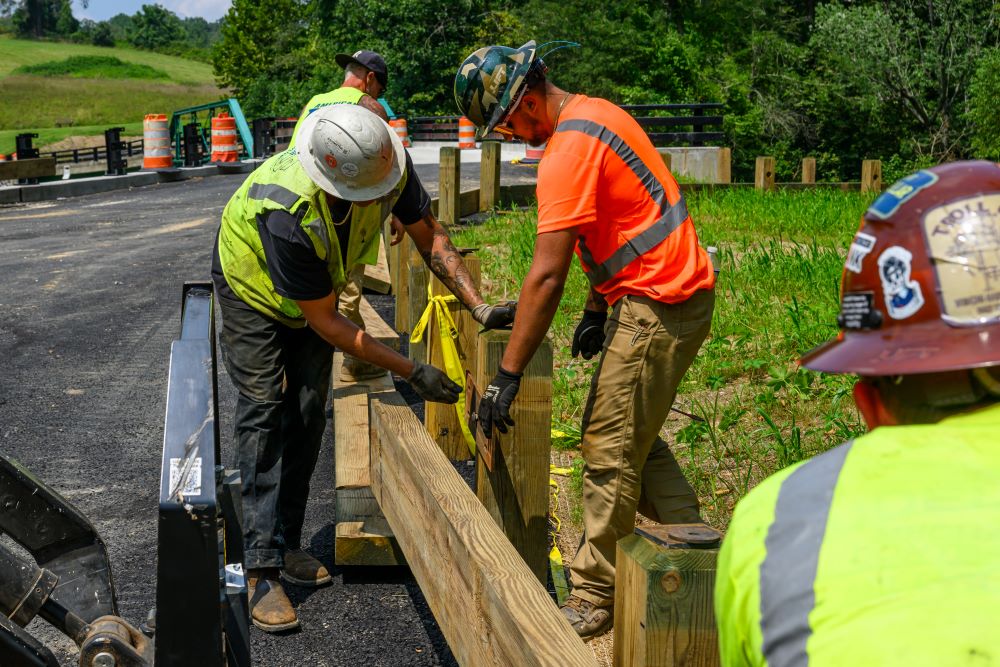
Ideal Fencing Corp and Adarand Constructors bring more than 40 years of CDOT-approved guardrail and bridge rail experience to every Colorado project, so crews already know the state's approved products list, permitting steps, and inspection standards before the first post goes in the ground.
IFC is 100% employee-owned, which means the crew on your job has a direct stake in getting it right the first time. Crews are OSHA 30-Hour certified, and IFC carries $25 million-plus in bonding capacity, $5 million in general liability coverage, DBE certification, and ATSSA membership, the documentation CDOT, general contractors, and municipal procurement teams typically require before award.
Every project starts with a free, no-obligation site visit and a fixed-cost proposal, and finishes with a one-year warranty covering materials, installation, and performance.
Request a free, no-obligation site visit from your local RoadGuard team. We'll assess conditions and develop a fixed-cost proposal.