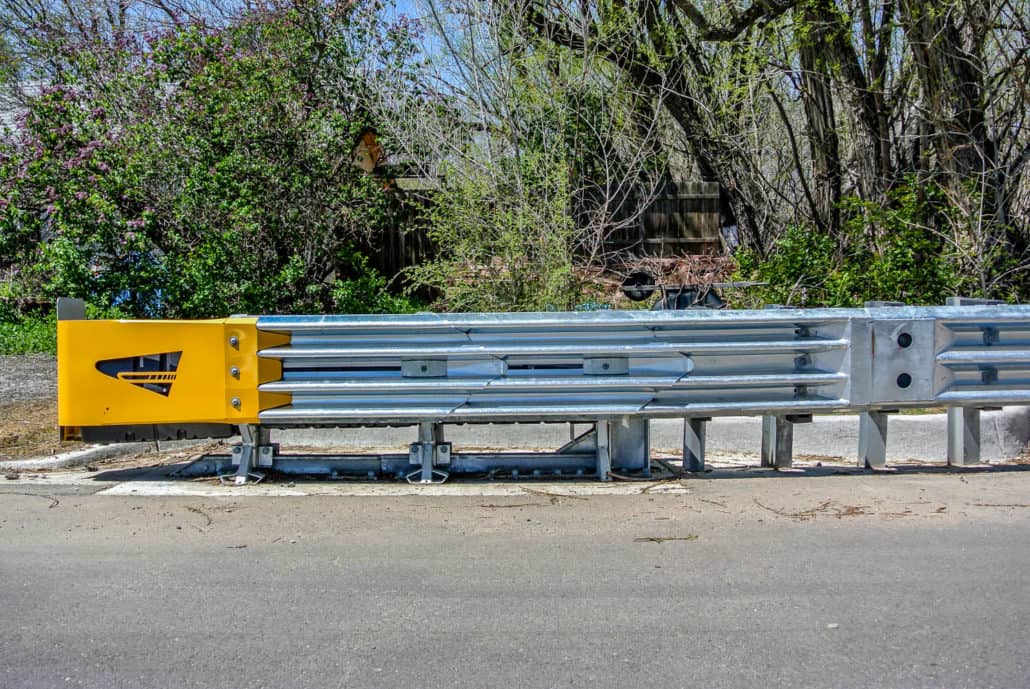
Gore points, bridge piers, and exit ramp noses are fixed hazards, and a missing or already-crashed-into impact attenuator leaves the next vehicle to hit that spot with nothing to absorb the impact.
Impact attenuators are designed to crush or redirect on the first hit, which means many units need full replacement, not just repair, after a crash. A damaged unit left in place on I-25 or I-70 is a liability CDOT inspectors flag quickly.
RoadGuard installs and replaces MASH-tested impact attenuators across Colorado, matched to the design speed and geometry of the hazard being protected.
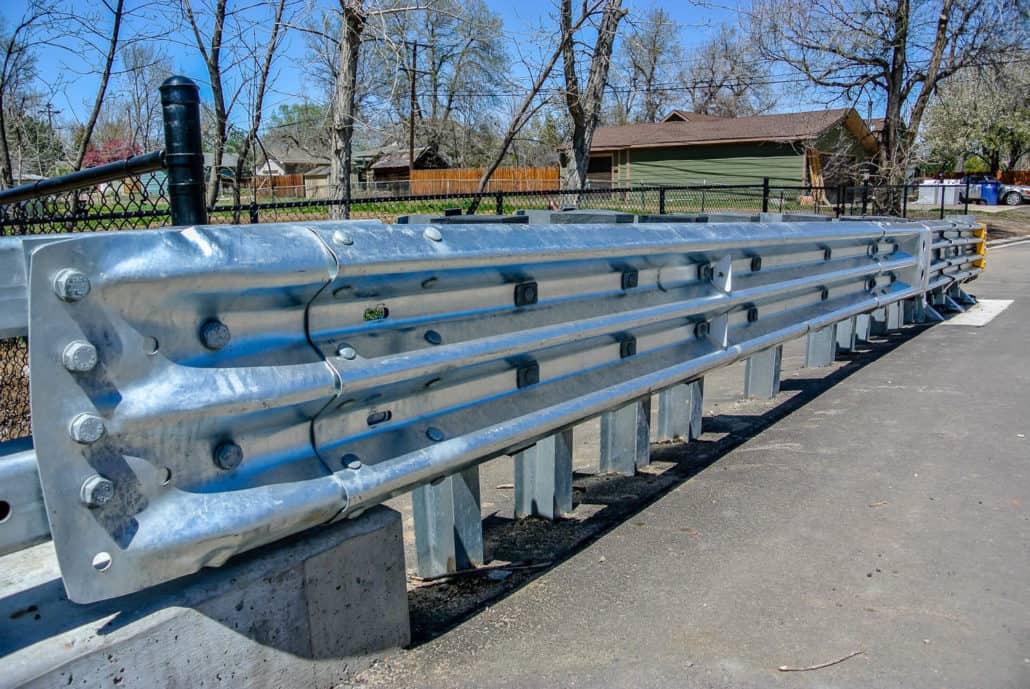
Ideal Fencing Corp (IFC) and its Colorado-based Adarand Constructors division deliver roadside safety work across Colorado. Adarand has installed CDOT-approved guardrail and bridge rail systems from its Colorado Springs office for more than 40 years, and IFC pairs that track record with the crews, equipment, and material inventory it takes to keep a Colorado project moving through CDOT inspection.
RoadGuard installs and replaces impact attenuators, also called crash cushions, at gore points, bridge piers, exit ramp noses, and other fixed hazards across Colorado.
Redirective attenuators guide a vehicle back into its travel lane on an angled hit, while non-redirective systems are built for hazards where redirection isn't the goal. RoadGuard specifies the right type for each site.
Every MASH-tested attenuator is rated for a specific speed range. RoadGuard confirms the unit installed matches the posted or design speed of the roadway it's protecting.
Most impact attenuators are designed to be sacrificial. RoadGuard provides fast replacement after a hit so the hazard isn't left unprotected any longer than necessary.
Impact attenuators are frequently installed alongside high-tension cable barrier and standard W-beam guiderail as part of a complete guiderail installation project.
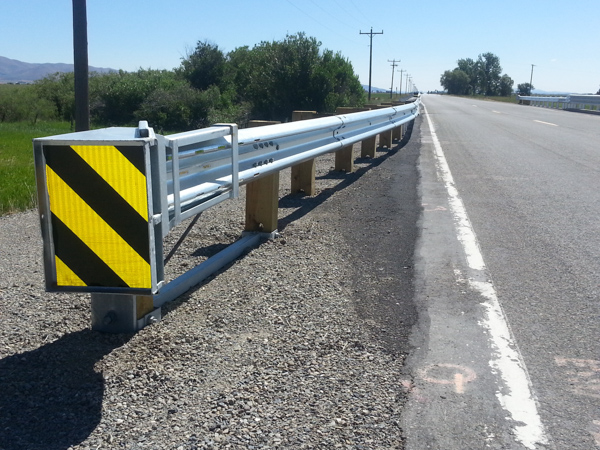
Ideal Fencing Corp and Adarand Constructors bring more than 40 years of CDOT-approved guardrail and bridge rail experience to every Colorado project, so crews already know the state's approved products list, permitting steps, and inspection standards before the first post goes in the ground.
IFC is 100% employee-owned, which means the crew on your job has a direct stake in getting it right the first time. Crews are OSHA 30-Hour certified, and IFC carries $25 million-plus in bonding capacity, $5 million in general liability coverage, DBE certification, and ATSSA membership, the documentation CDOT, general contractors, and municipal procurement teams typically require before award.
Every project starts with a free, no-obligation site visit and a fixed-cost proposal, and finishes with a one-year warranty covering materials, installation, and performance.
Request a free, no-obligation site visit from your local RoadGuard team. We'll assess conditions and develop a fixed-cost proposal.