Watch Video

SOIL NAILING TECHNOLOGY

What Is Soil Nailing?

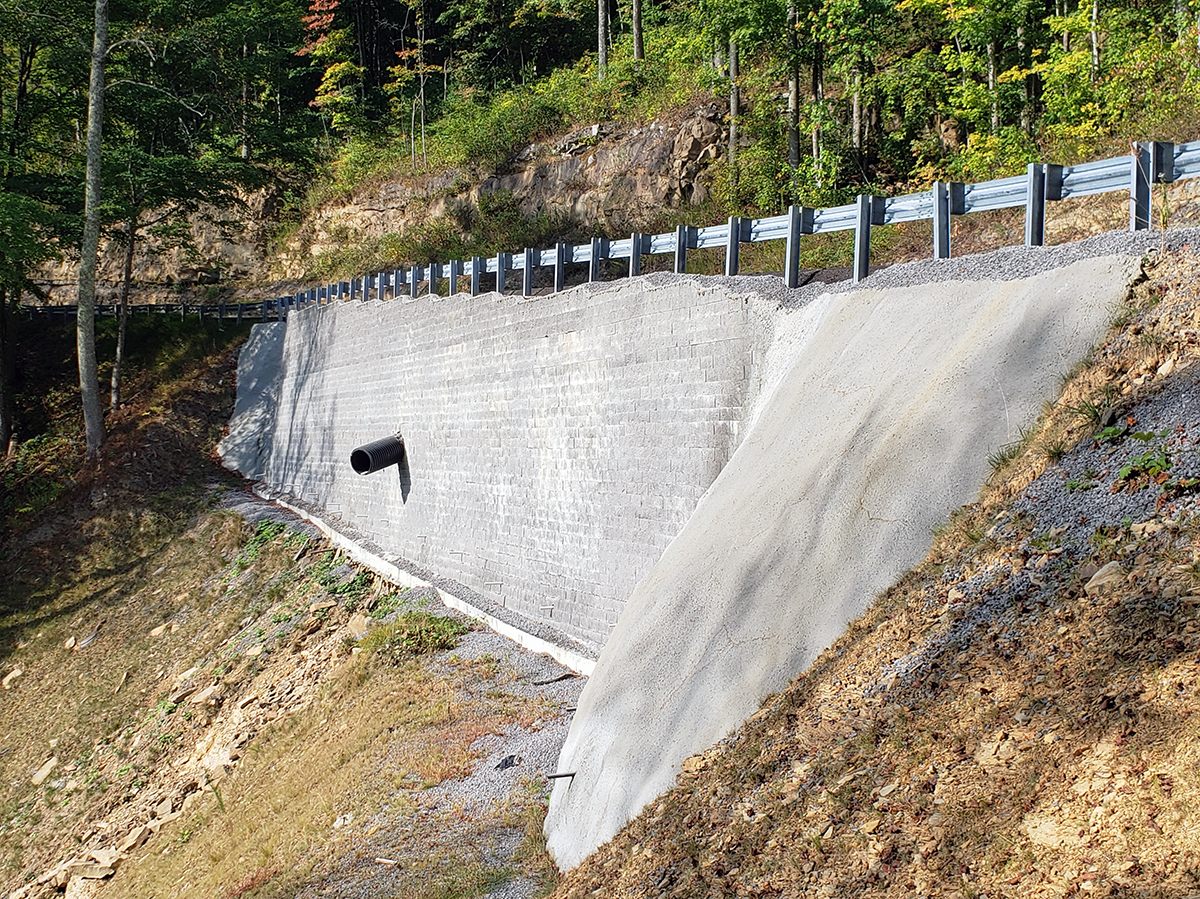
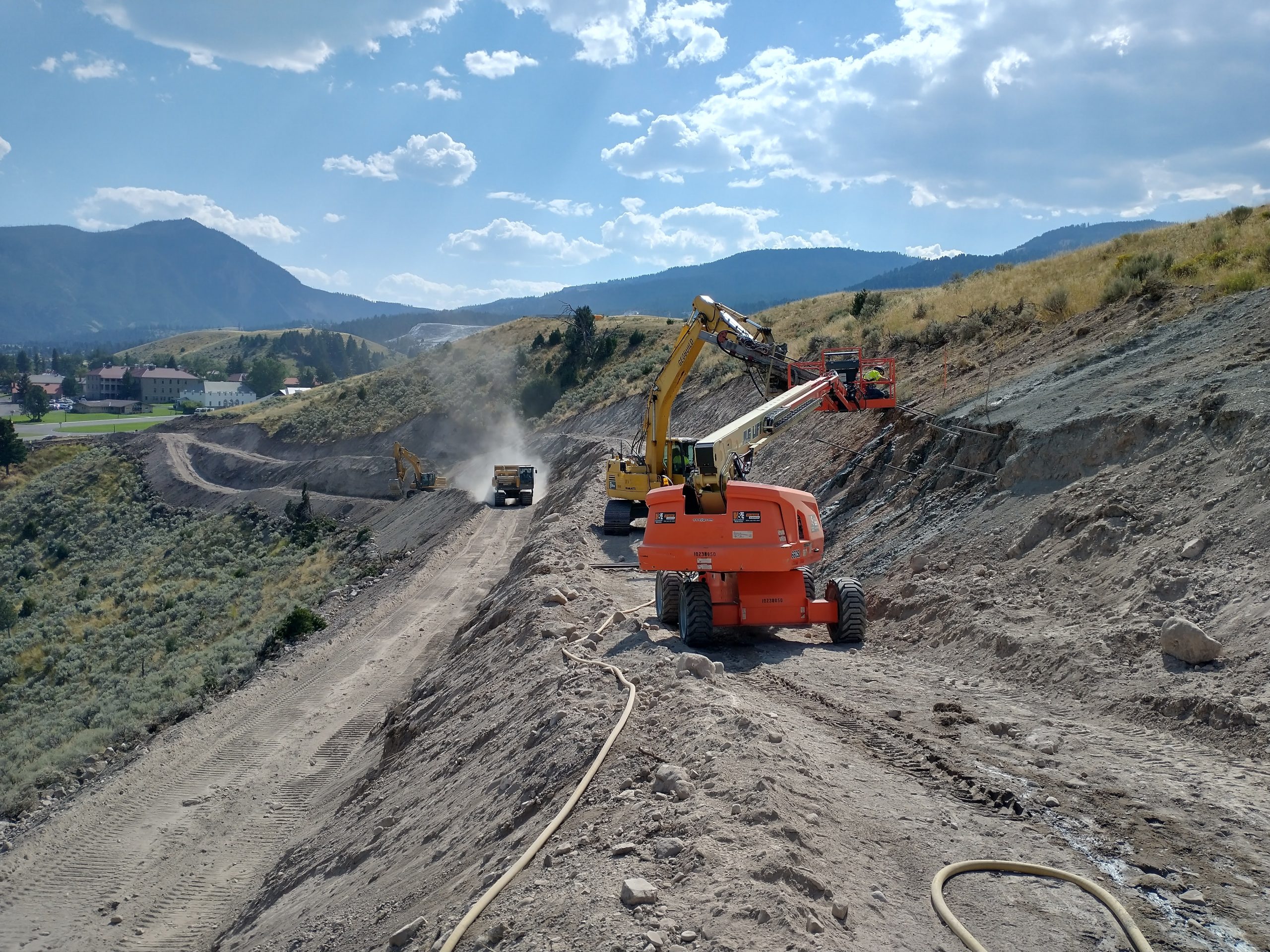
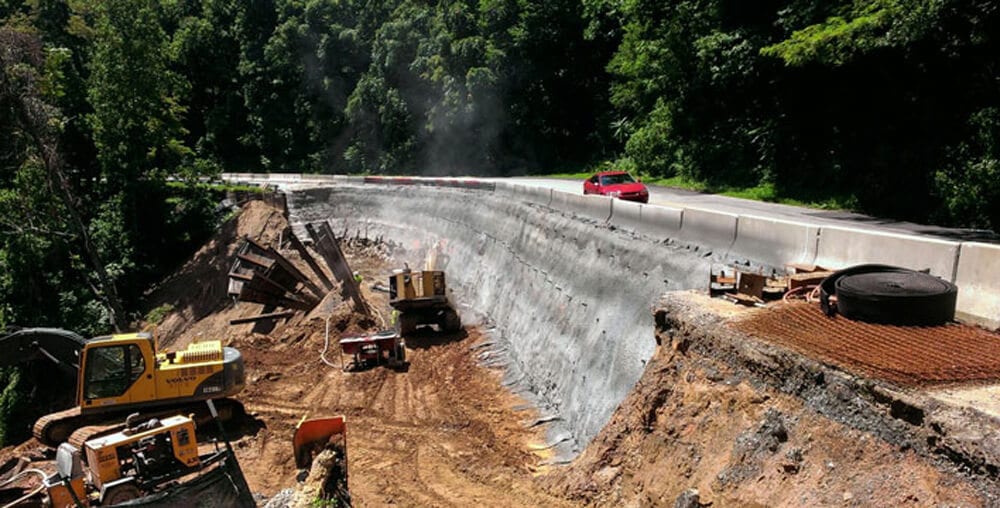
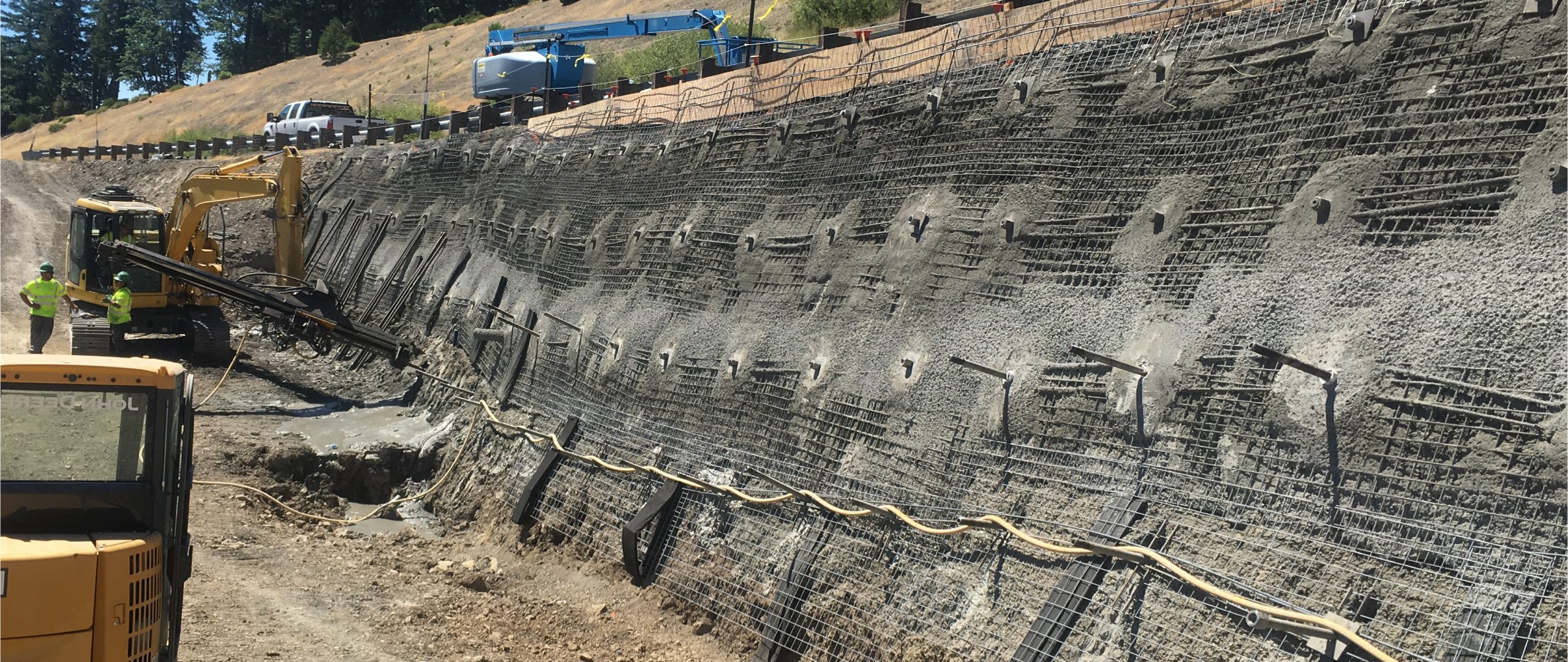
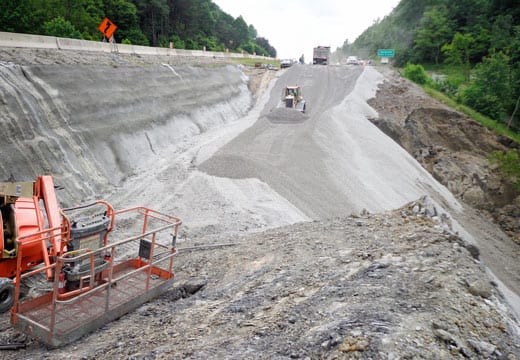
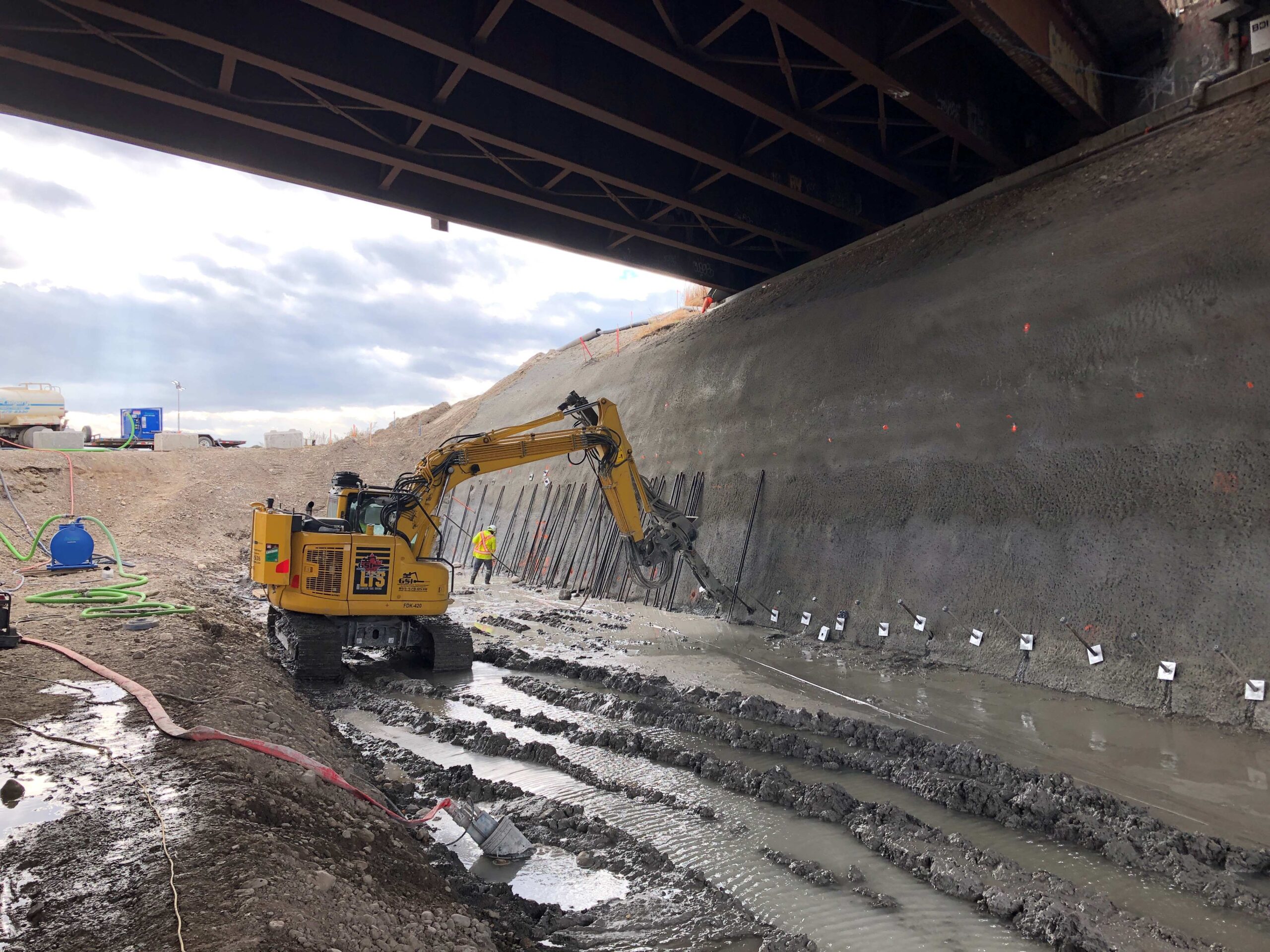
Soil nailing is a top-down reinforcement technique used to stabilize existing slopes and excavation cuts by installing closely spaced steel inclusions (soil nails) into the ground. Once installed, the nails work with a structural facing, often shotcrete or high-capacity mesh, to create a reinforced soil mass that resists movement, shallow failures, and deformation.

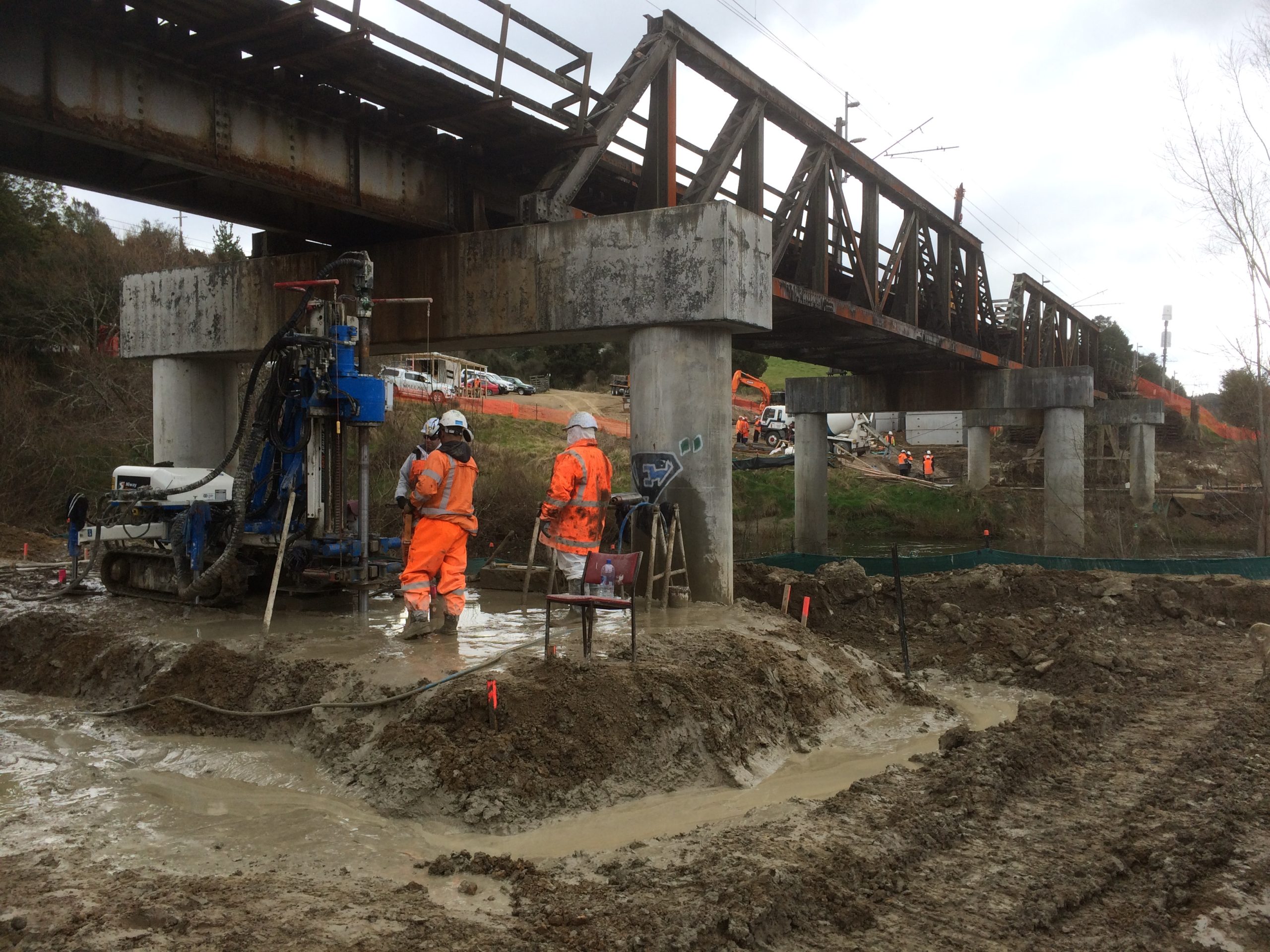
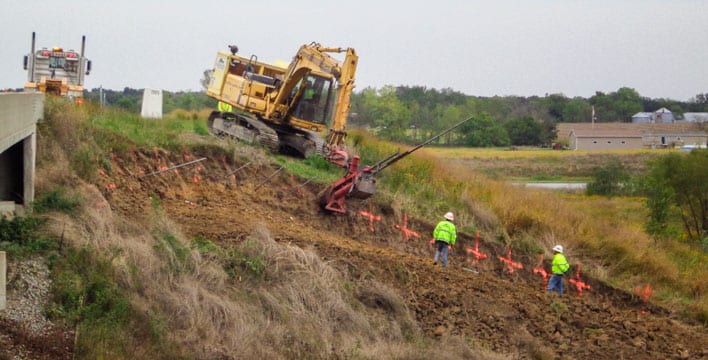
Soil nails can be installed using drilled, driven, or launched methods and perform well in a wide range of ground conditions, including glacial tills, weathered rock, mixed soil/rock profiles, and variable fill. Because installation provides real-time feedback on subsurface conditions, soil nailing also supports design refinement during construction when unexpected ground behavior is encountered.

A soil nail wall is a complete soil-structure system that may include earth materials, steel tendons (nails), grout, facing and head connections, and drainage.

CONTACT US

How Soil Nailing Works

Soil nailing stabilizes the ground by reinforcing it in place rather than removing and rebuilding the slope. Typical construction includes:

  • Installing nails at a slight downward inclination to engineered depth
  • Grouting or securing the nails to bond with surrounding soil or rock
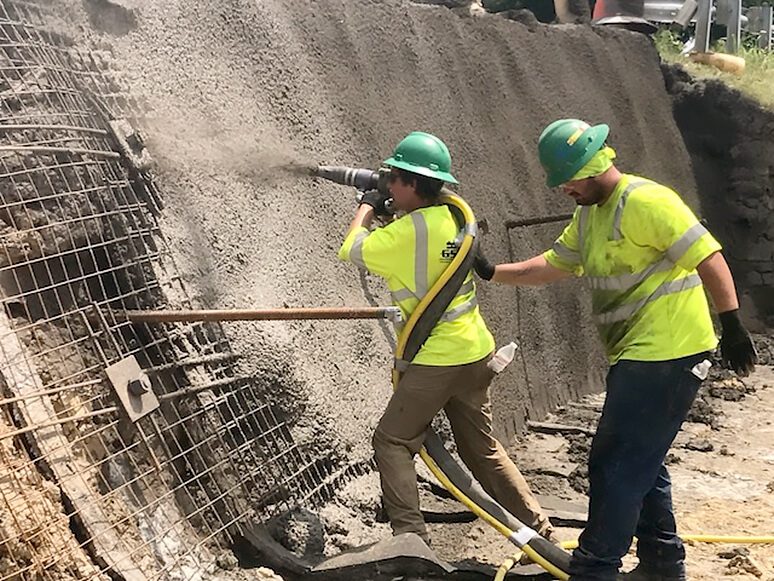
  • Applying a facing system (shotcrete or mesh) to integrate the wall
  • Adding drainage to reduce pore water pressures and improve performance 

Designs are developed to satisfy key stability requirements, including:

  • Internal stability (nail tensile and shear resistance, pullout resistance, facing/head capacity)
  • External stability (sliding, overturning, bearing capacity)
  • Global stability (overall slope and failure surface behavior)

Soil Nail Types and Installation Methods

GSI selects nail types and installation methods based on slope geometry, material behavior, access constraints, and performance requirements.

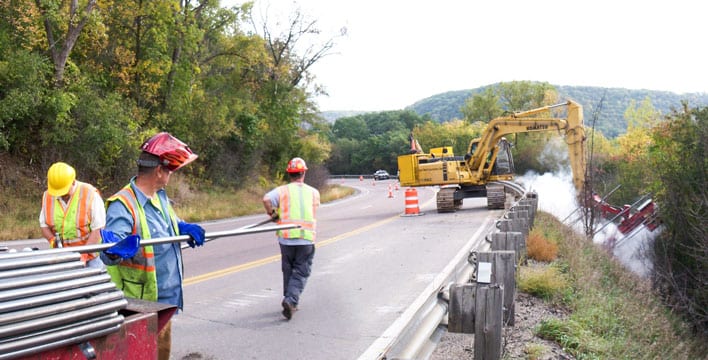
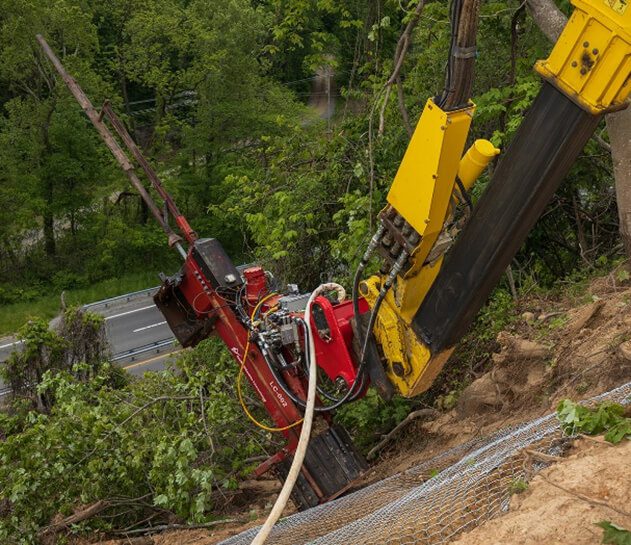
Self-drilling nails are well-suited for collapsing soils, voided ground, or actively moving landslides. The hollow bar allows grout to be injected during drilling, helping maintain hole stability and achieve high production rates and strong pullout performance in challenging conditions.

Open-hole nails use the nail as the drill string while grout acts as the drilling fluid. The grout is pumped down the hollow bar and exits through a sacrificial bit. This combines drilling, bar placement, and grouting into one process. Rotation during drilling can help mix grout with surrounding ground, often producing a rough, irregular grout column that improves bonding.

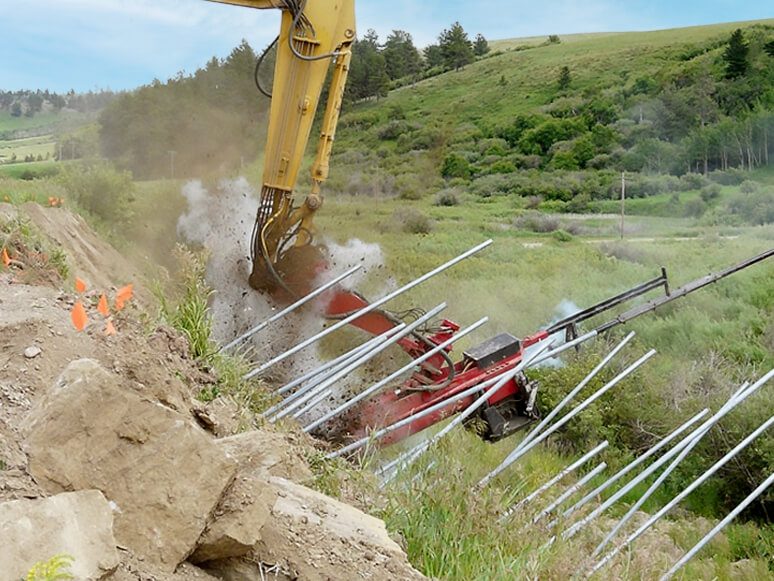
Launched nails can be installed rapidly using compressed air deployment, supporting time-sensitive repairs and difficult-access sites. Launched nails also demonstrate a different behavior than traditional drilled nails, with observed shear-to-axial capacity ratios reaching approximately 20% or more in some conditions, meaning shear behavior may play a more meaningful role in design compared to conventional soil nail assumptions.

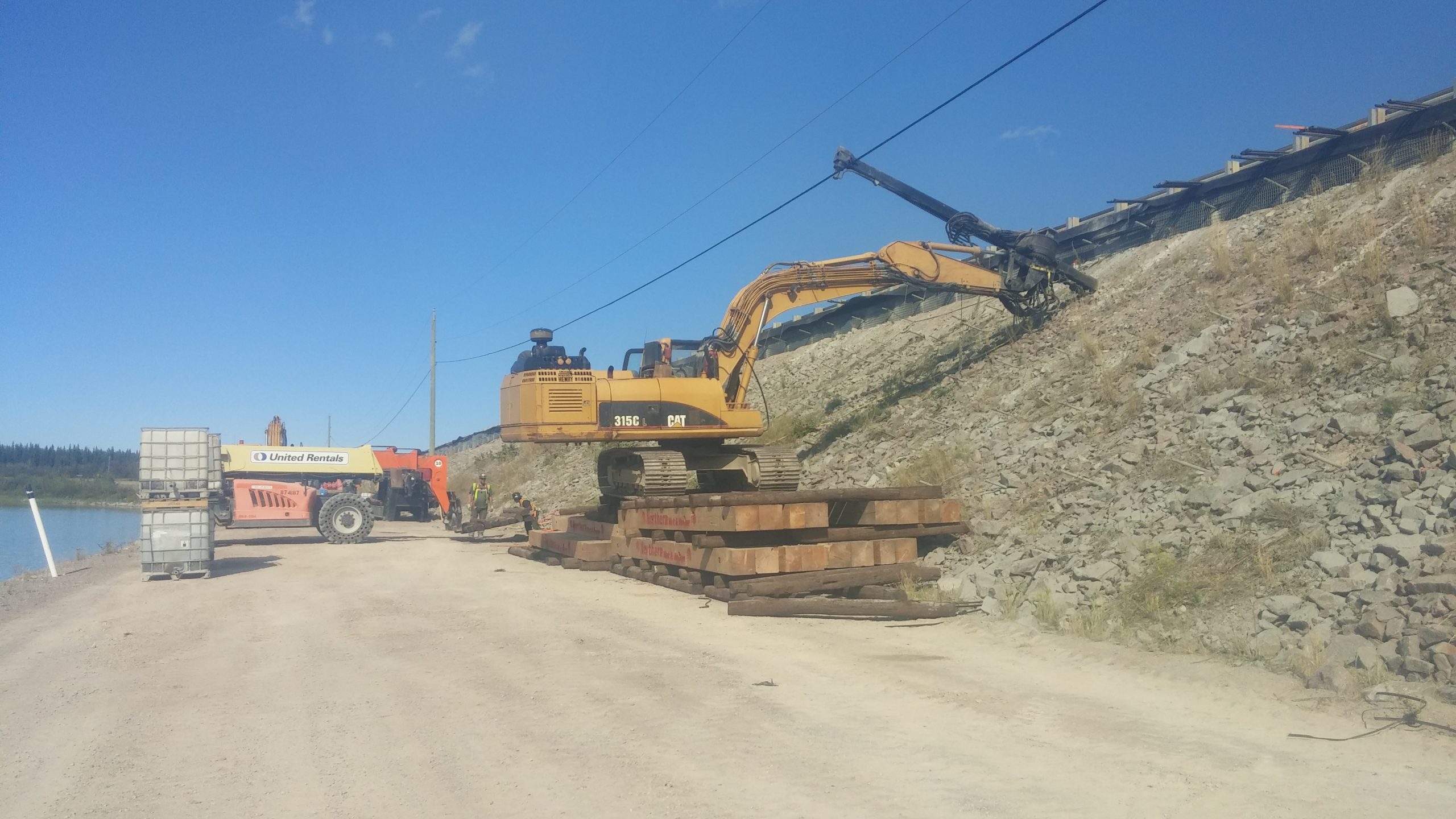
GSI’s Soil Nail Launcher™ uses compressed air to place steel elements at very high velocity, enabling rapid installation and reduced equipment footprint in select applications.

Soil Nail Wall

Advantages of Soil Nailing for Canadian Projects

Soil nailing is frequently selected in Canada because it supports stabilization in complex terrain while minimizing disturbance.

Key benefits include:

  • Cost-effective stabilization compared to many structural wall options

  • Minimal excavation, reducing disruption and environmental impact

  • Strong performance in variable ground, including mixed profiles

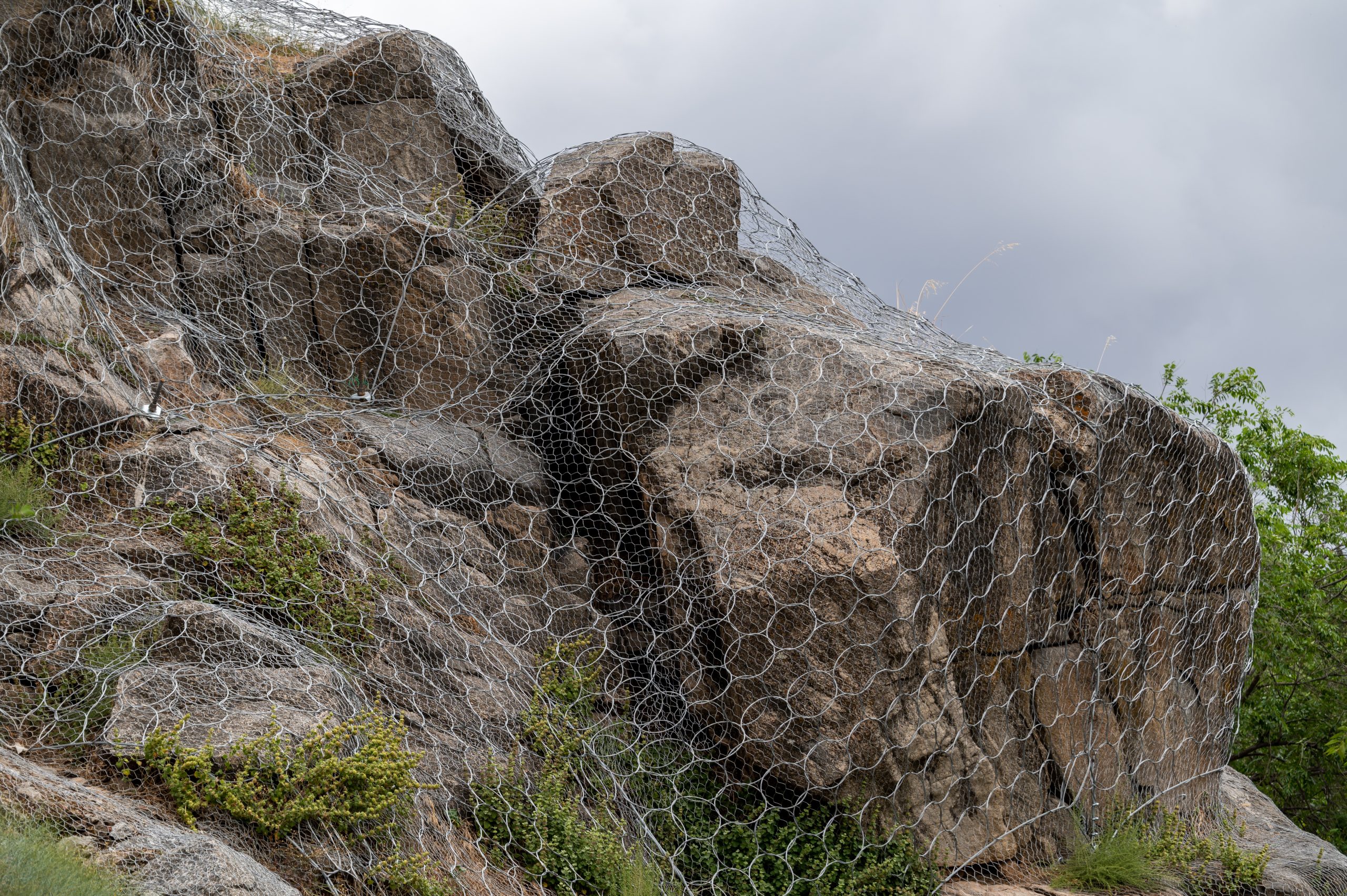
  • Compatible facings such as structural shotcrete or flexible mesh

  • Efficient installation for corridor work and constrained access

  • Reliable performance under seismic loading, due to ground coupling
  • Useful as remediation for retaining walls and levees in select scenarios
Let’s plan it

Restore safe access with durable soil nail systems

Coastal Stabilization Soil Nails

SuperNail™ Design and Installation Services

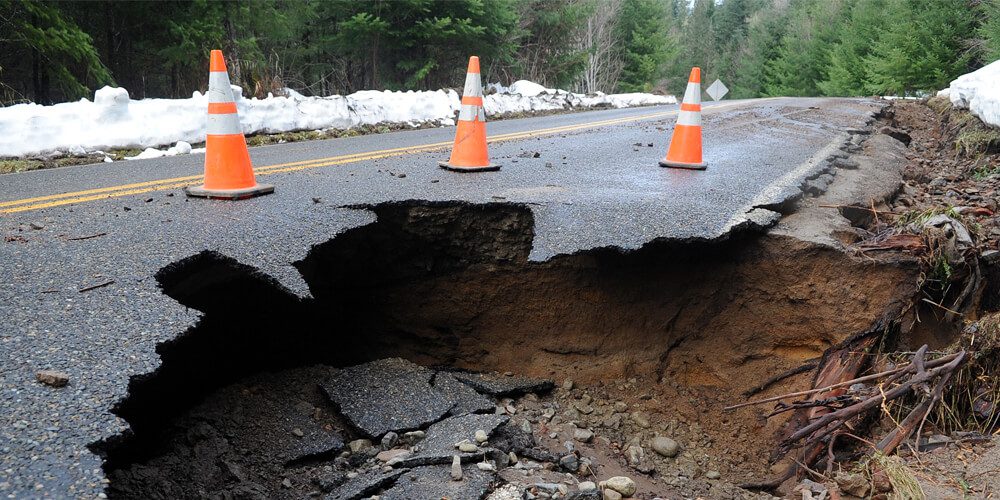
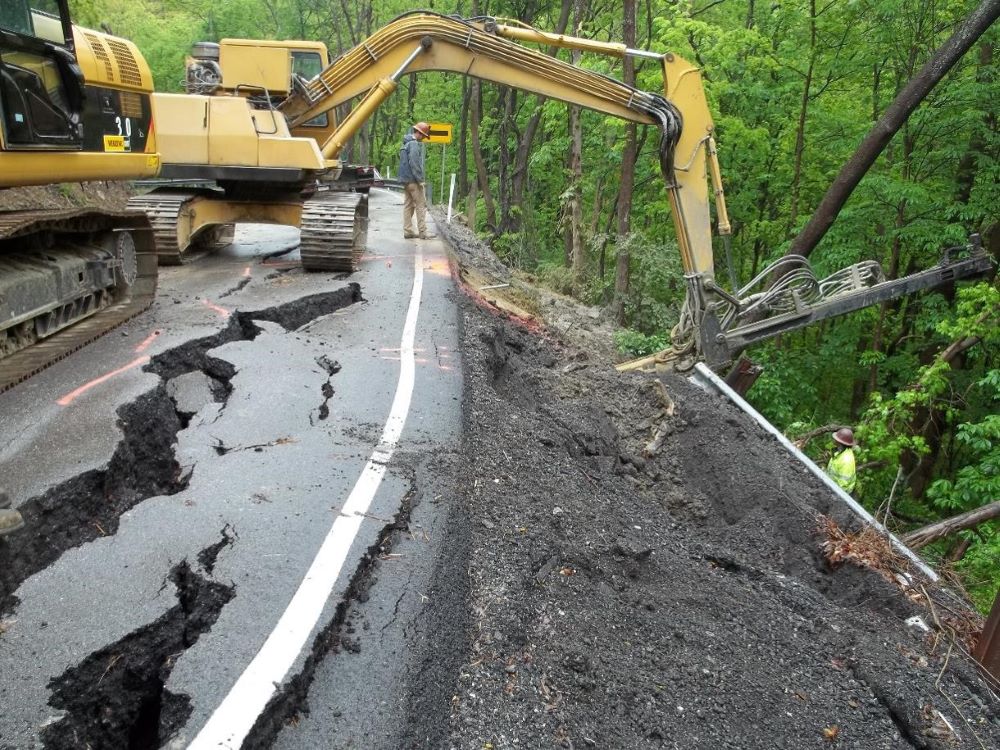
In actively moving landslides, conventional drilled solid-bar nails can be difficult to install due to collapsing holes, grout loss, and ongoing deformation. GSI developed and patented the SuperNail™ series of tensile elements to address these conditions.

Depending on design requirements, SuperNail™ elements can be installed in:

  • Collapsing holes and voided ground
  • Actively moving landslides
  • Soil, rock, or mixed profiles
  • Depths up to approximately 120 feet (project dependent)

For permanent systems, designs may include 1 to 4 corrosion protection layers, and in aggressive environments, fiberglass options may be used in place of steel where appropriate.

Self drilling soil nails

Integrated Stabilization Systems

Soil nailing is often most effective when paired with complementary stabilization measures such as:

  • Shotcrete wall facings (including sculpted finishes) 
  • High-capacity anchored mesh or netting 
  • Horizontal drains for pore pressure reduction 
  • Micropiles for deep support or toe stabilization 
  • GCS® Walls for grade reconstruction 
  • Monitoring to confirm performance and manage risk 

This integrated approach supports both immediate hazard reduction and long-term slope reliability.
Our Solutions

GET IN TOUCH

Contact Us Today

If your site is affected by erosion, over-steepened slopes, or excavation stability concerns, GSI can help. Connect with our team to review conditions and develop a soil nailing approach aligned with safety, constructability, and long-term performance.

855.559.5217

    How Can We Help?

    • Personal Info
    • Contact Info
    • Project Info
    ***Fees May Apply For Residential Site Visits***

    How Can We Help?

    • Personal Info
    • Contact Info
    • Project Info

    How Can We Help?

    • Personal Info
    • Contact Info
    • Project Info

    By using this website, you acknowledge and agree to our Privacy Policy. This site is protected by reCAPTCHA, and the Google Privacy Policy and Terms of Service apply.