Geosynthetically Confined Soil® (GCS®) Walls

Flexible Retaining Solutions for Canadian Terrain

Geosynthetically Confined Soil® Walls

GeoStabilization International designs and constructs Geosynthetically Confined Soil® (GCS®) Walls to support slope stabilization, grade separation, and infrastructure protection across Canada. These engineered wall systems provide a reliable alternative to traditional retaining structures, especially in areas with steep terrain, variable subsurface conditions, or limited site access.

GCS® Walls combine engineered granular backfill with closely spaced geosynthetic reinforcement to form a confined composite mass capable of supporting transportation corridors, industrial facilities, utility infrastructure, and geohazard mitigation projects.

CONTACT US

Understanding GCS® Wall Technology

Mechanically Stabilized Earth (MSE) walls and Geosynthetically Confined Soil® (GCS®) Walls share the same basic components, reinforcement, facing, and earth backfill, but the way they perform under load is fundamentally different.

Traditional MSE walls rely on widely spaced reinforcement layers that act like tiebacks. In these systems, loads are carried primarily through tensile resistance along the reinforcement, with limited composite action in the backfill. GCS® Walls are designed around a confinement-based mechanism, where close reinforcement spacing transforms the granular backfill into a much more unified structural mass.

This performance difference can be especially valuable in Canadian environments where freeze–thaw cycles, seasonal moisture variation, and steep terrain can place added demand on retaining systems.

GCS® Wall Performance

Although MSE and GCS® systems share similar ingredients, they behave very differently under stress. In conventional MSE systems, reinforcement is typically spaced far apart and functions primarily as a tieback, carrying tensile forces with minimal composite contribution from the backfill.

GCS® Walls are engineered to confine the backfill. With closely spaced inclusions, typically 8 to 12 inches, the reinforcement is not intended to “carry” the wall, but to restrict granular particle dilation. When dilation is prevented, the backfill behaves as a confined composite mass, and the failure mechanism shifts toward shearing through the soil particles rather than reinforcement pullout. This confinement-driven behavior is what allows GCS® elements to reach extremely high compressive resistance, with failure loads reported near 22,000 lbs/sf in controlled conditions.

A common approach includes 8-inch reinforcement spacing using woven geosynthetics with wide-strip tensile capacities in the range of approximately 100 to 400 pounds per foot, selected based on site demands and design requirements. Proper compaction is essential; uncompacted backfill will not densify under loading and can compromise confinement performance and long-term stability.

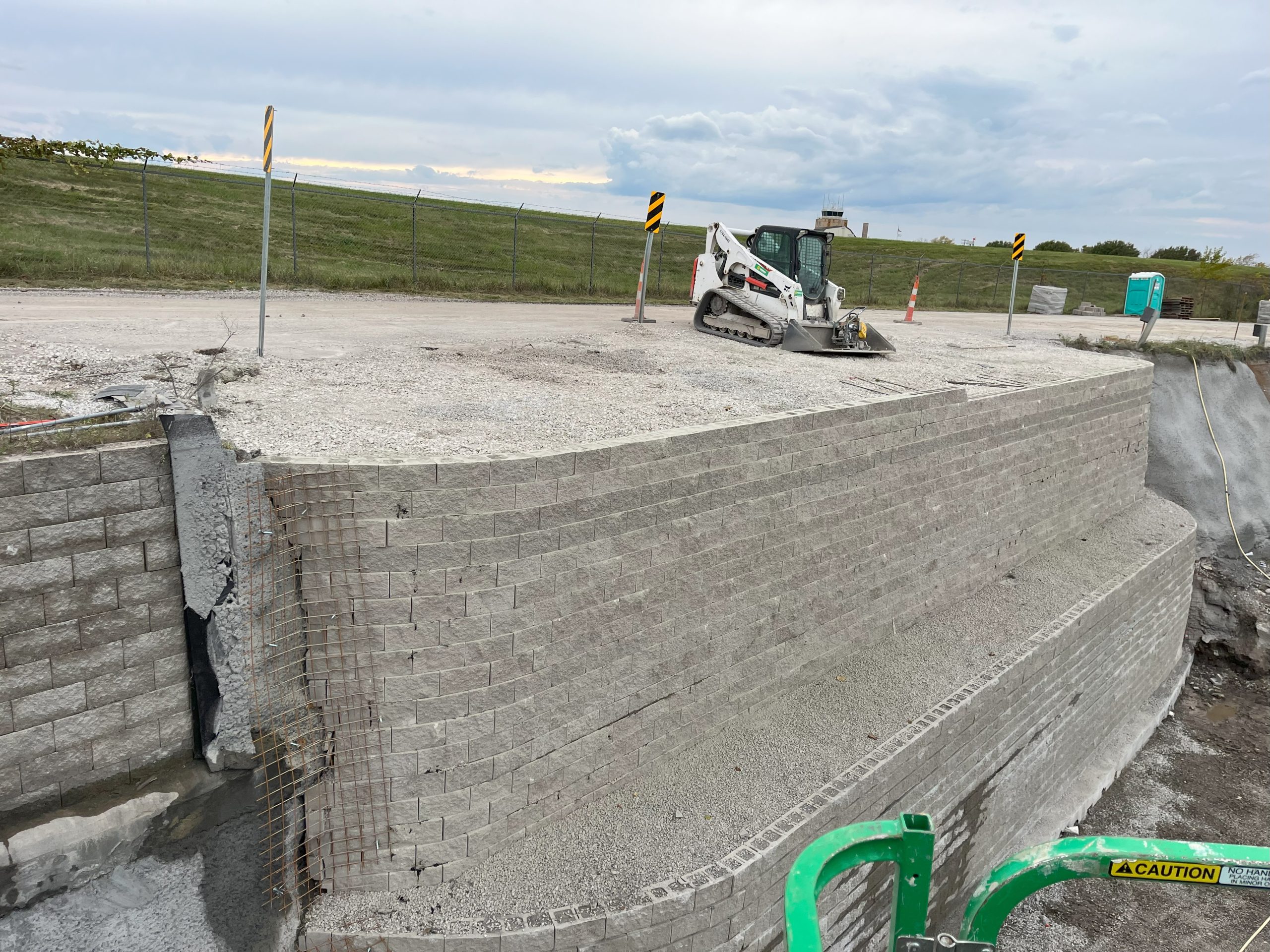
Key Design Principles Behind GCS® Walls

GCS® performance depends on engineered confinement, material quality, and constructability. Key factors include:

Frequent reinforcement layers are used to restrict dilation and improve composite action within the backfill.

Dense granular material and strict compaction standards are essential for long-term stability and predictable performance.

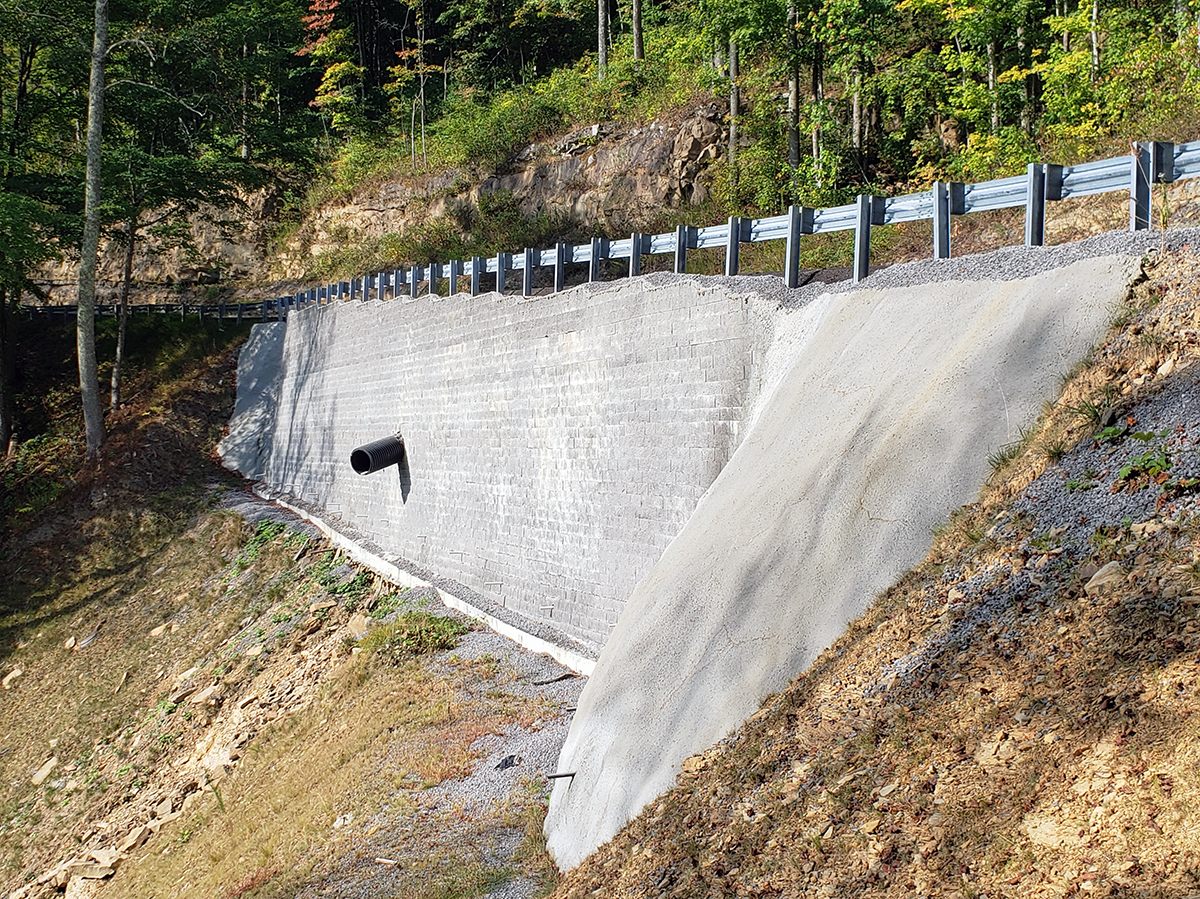
Facings may include dry-stacked units, precast systems, or shotcrete-formed facings, selected to fit project needs and site constraints.

GCS® Walls are well suited to settlement-prone zones, steep slopes, and locations where ground conditions vary over short distances.

GET IN TOUCH

Reduce risk on steep or unstable terrain.

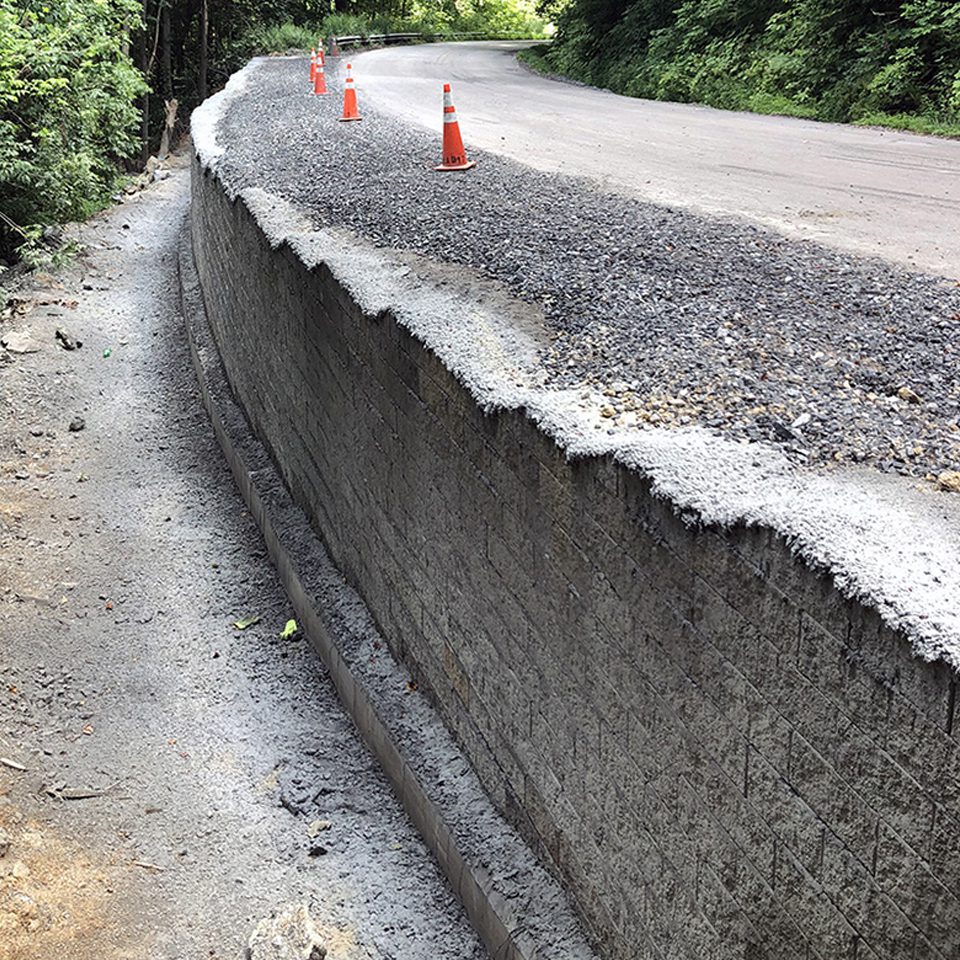
GCS wall

Applications Across Canada

GCS® Walls are commonly used to support:

  • Highway and railway embankments
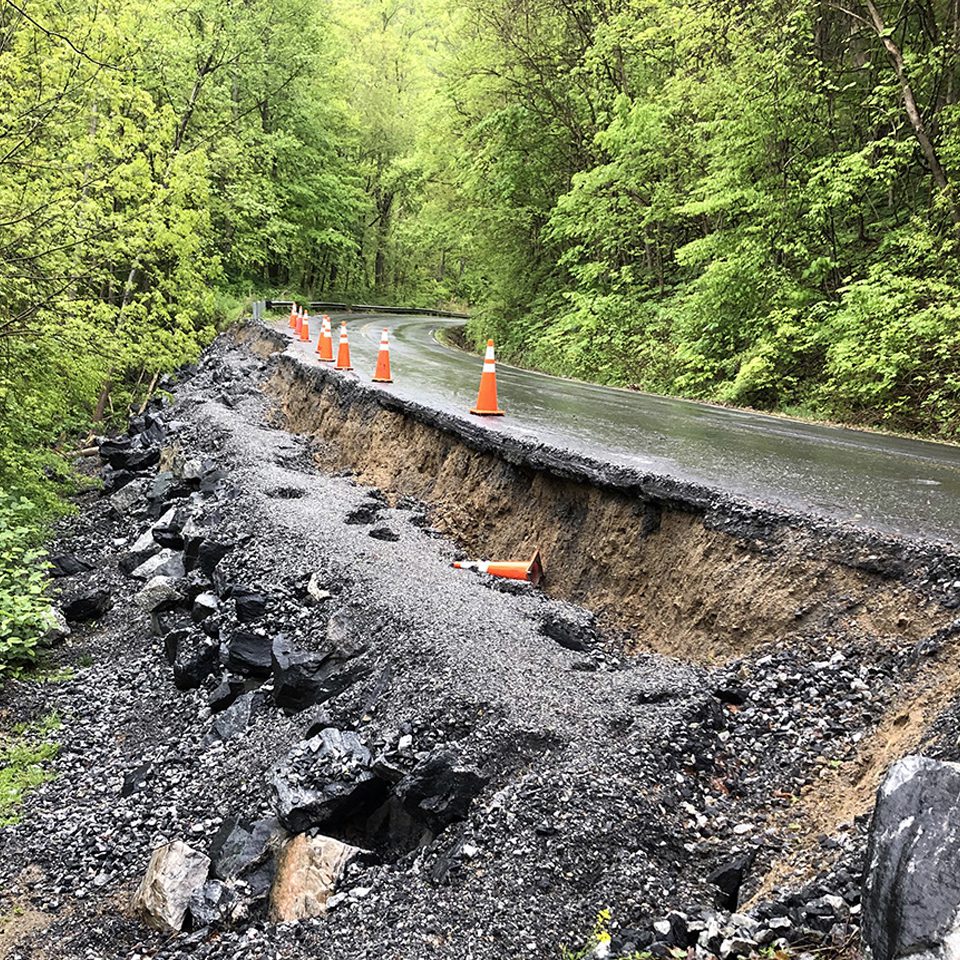
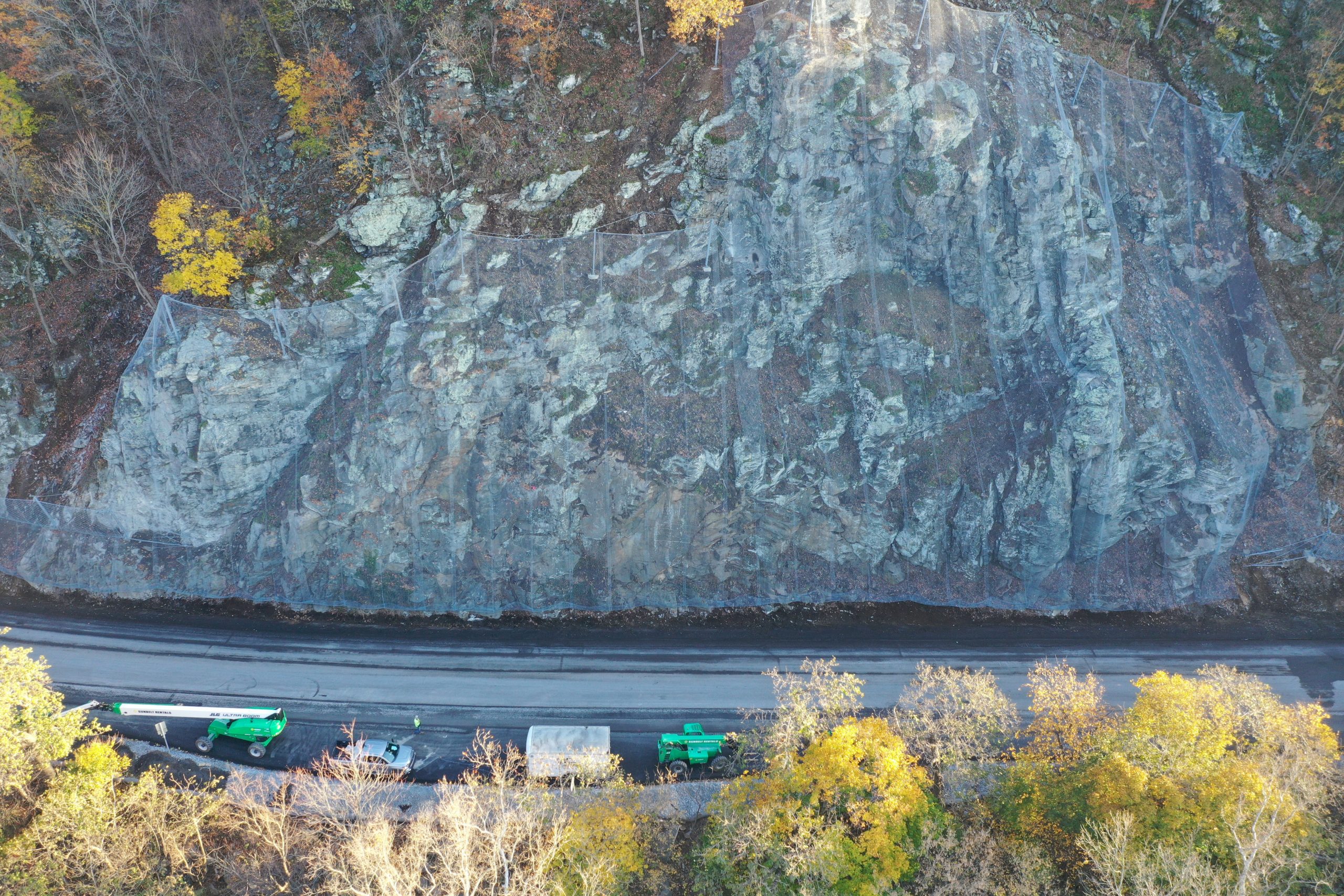
  • Landslide repair and slope reconstruction
  • Roadway widening in constrained corridors
  • Grade separation for utilities and industrial access routes
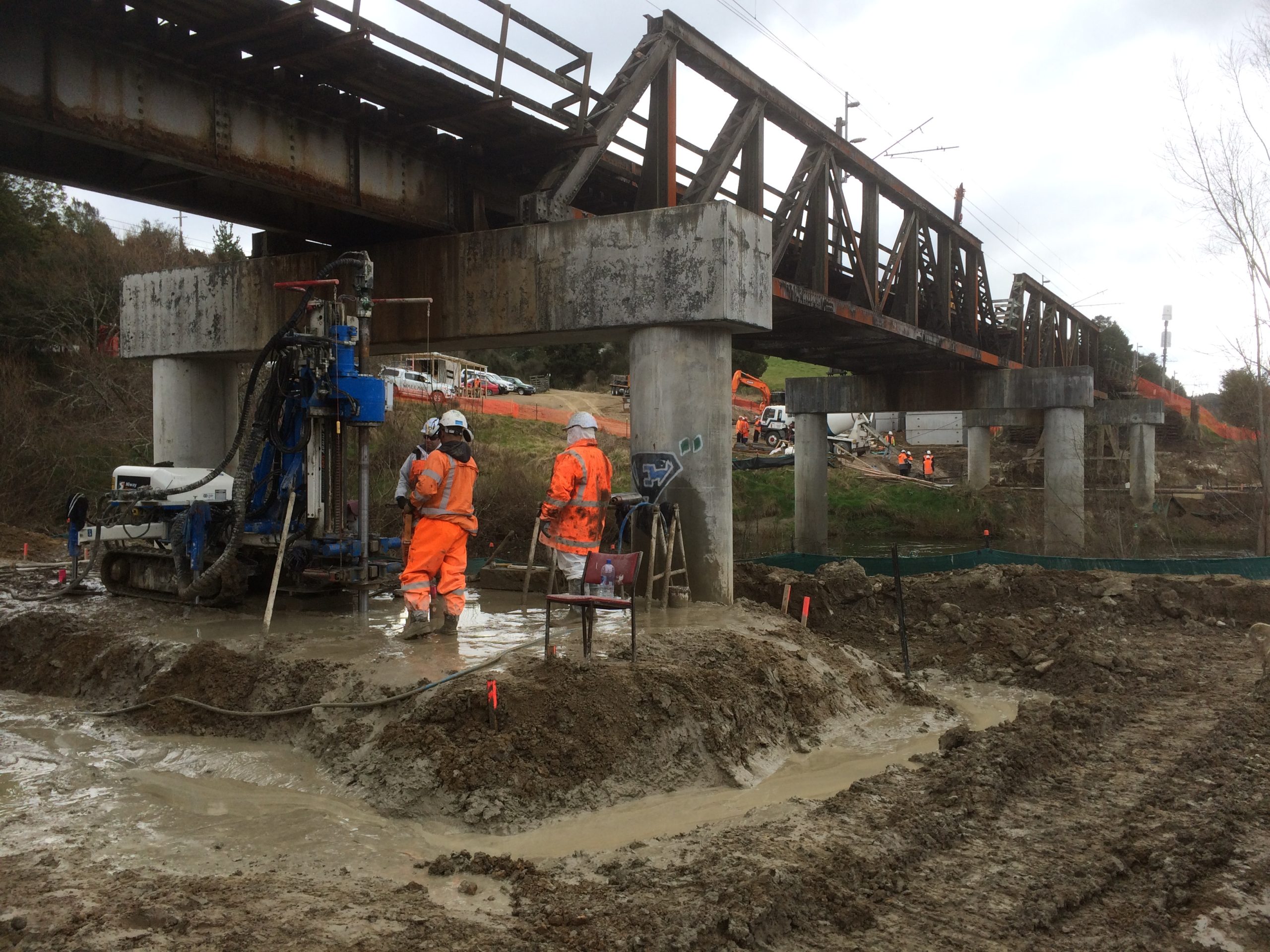
  • Bridge approaches, headwalls, and abutment support
  • Remote or limited-access sites requiring efficient construction

Their flexibility and constructability make them a strong option in mountainous regions, northern corridors, and areas where environmental or access constraints limit heavy structural alternatives.

GCS wall

Supporting Slope Repairs and Landslide Stabilization

GCS® Walls are often integrated into broader geohazard mitigation strategies to restore slope geometry and improve long-term resilience. Depending on site requirements, these systems may be paired with:

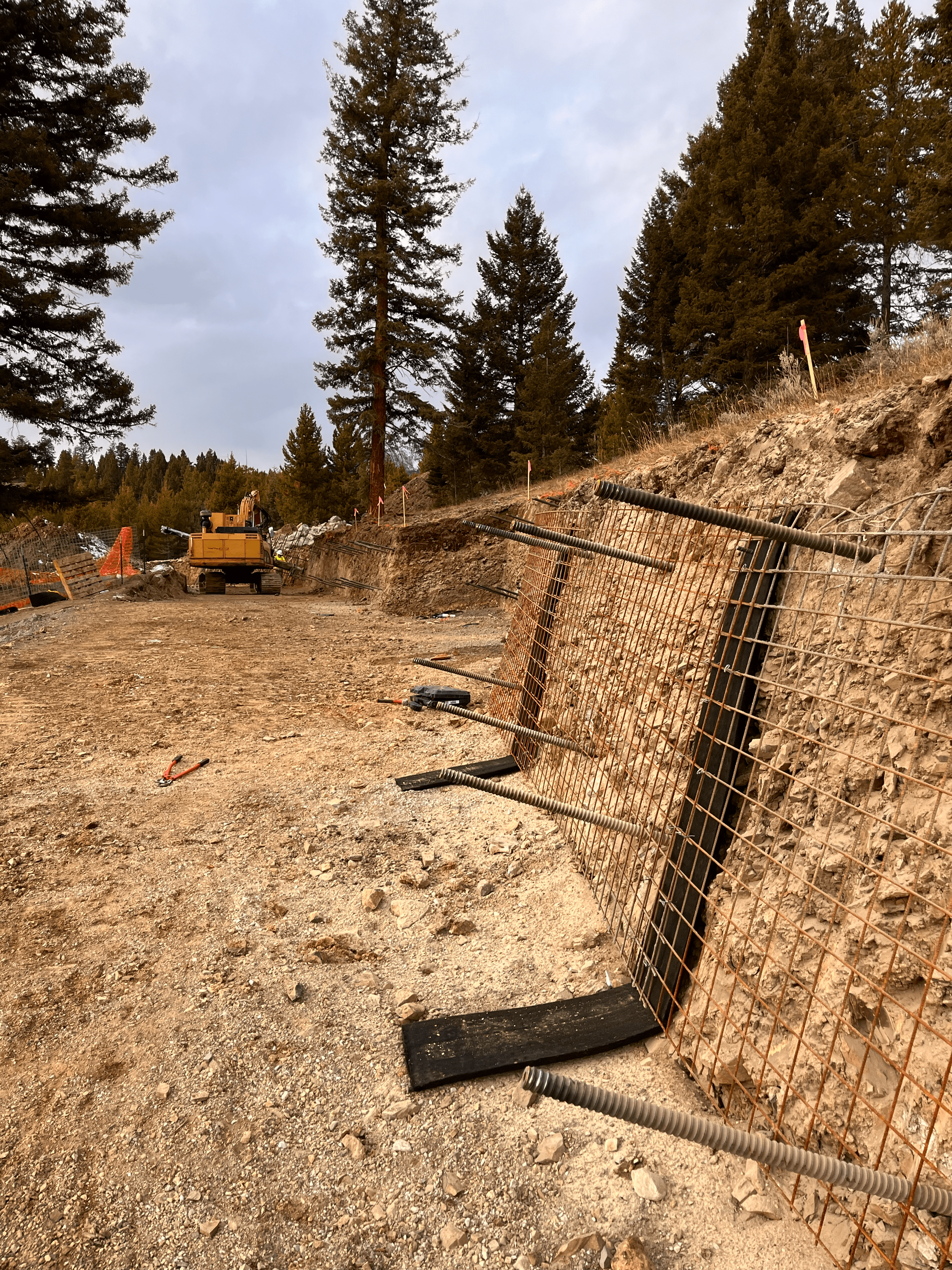
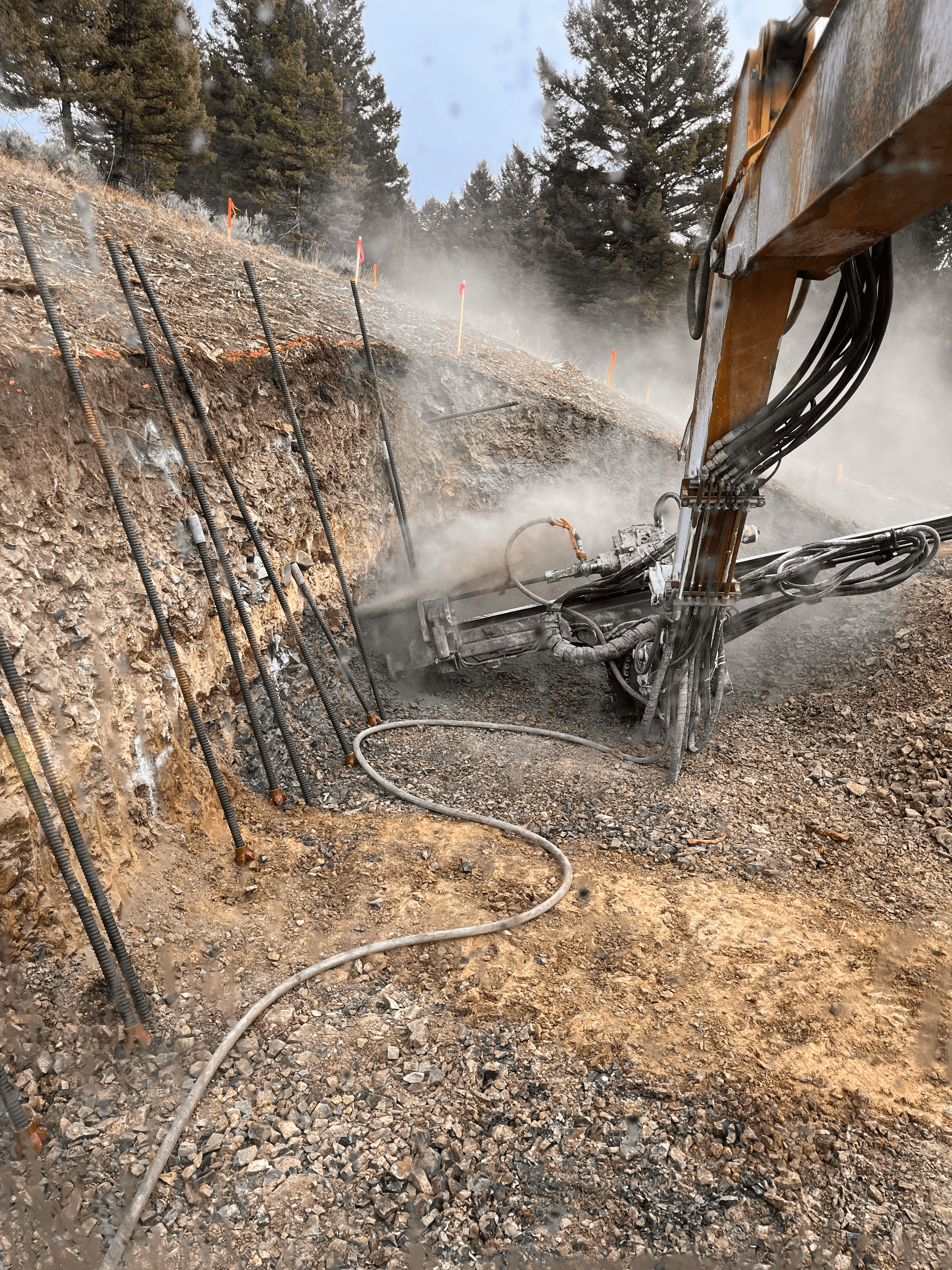
  • Soil nails and anchored facing systems
  • Micropiles or toe support elements
  • Drainage and groundwater control measures
  • Surface protection or erosion management systems

This combined approach helps stabilize the slope mass while supporting roadway platforms, access corridors, and critical infrastructure.

Benefits of GCS® Walls

GCS® Walls offer several advantages for Canadian infrastructure projects, including:

  • Flexible performance in variable ground conditions
  • Efficient construction in steep or remote terrain
  • Strong resistance to settlement and deformation
  • Compatibility with other geohazard mitigation systems
  • Reduced disturbance compared to rigid structural solutions
  • Durable wall systems designed for long-term infrastructure service

Engineered for Canadian Conditions

Canada’s terrain and climate demand retaining solutions that can withstand moisture variation, freeze–thaw cycles, settlement, and shifting load requirements. GCS® Walls offer a resilient option that supports long-term performance without relying on overly rigid structural behaviour.

GSI’s engineering teams evaluate soil parameters, groundwater influences, and slope geometry to design systems aligned with site conditions, performance requirements, and applicable provincial standards.

Our Solutions

GET IN TOUCH

Contact Us Today

If your site requires a retaining system that performs reliably in steep terrain or variable soils, GeoStabilization International can help. Connect with our Canadian team to review site conditions and explore whether a Geosynthetically Confined Soil® Wall is the right solution for your project.

855.559.5217

    How Can We Help?

    • Personal Info
    • Contact Info
    • Project Info
    ***Fees May Apply For Residential Site Visits***

    How Can We Help?

    • Personal Info
    • Contact Info
    • Project Info

    How Can We Help?

    • Personal Info
    • Contact Info
    • Project Info

    By using this website, you acknowledge and agree to our Privacy Policy. This site is protected by reCAPTCHA, and the Google Privacy Policy and Terms of Service apply.