Advanced Rockfall Mitigation for Hazardous or Inaccessible Terrain

GeoStabilization International (GSI) delivers highly specialized remote scaling services designed to stabilize steep or inaccessible slopes across Canada’s diverse landscapes. From rugged cliff faces in British Columbia to transportation corridors carved through the Canadian Shield, remote access can make manual mitigation unsafe or impractical. GSI’s advanced technology allows loose rock and unstable material to be removed safely, precisely, and efficiently, without placing personnel directly beneath hazardous terrain.

Remote scaling combines robotics, drones, long-reach equipment, and automation to address rockfall hazards where traditional scaling methods are limited. This approach enhances safety, reduces operational risk, and allows owners to manage high-consequence slopes with confidence.

CONTACT US

What is remote scaling?

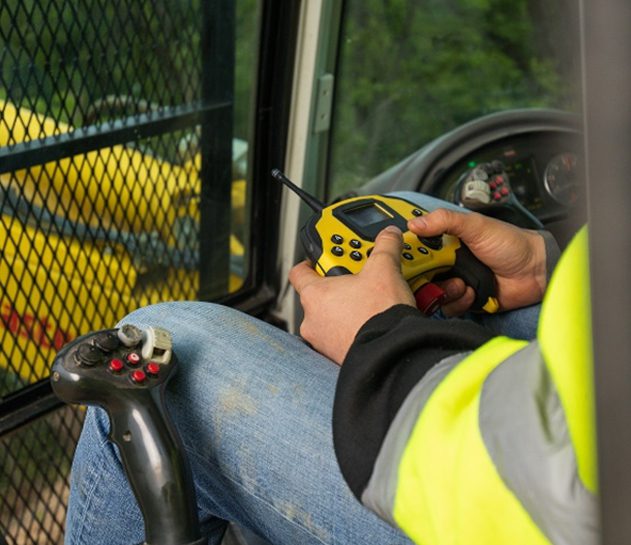
Remote scaling is a geohazard mitigation technique that uses remotely operated tools, robotics, sensors, and aerial systems to dislodge and remove unstable rock from slopes that cannot be safely accessed by personnel. These systems provide precise control while operating at a safe distance, making them ideal for steep, fractured, or actively deteriorating slopes.

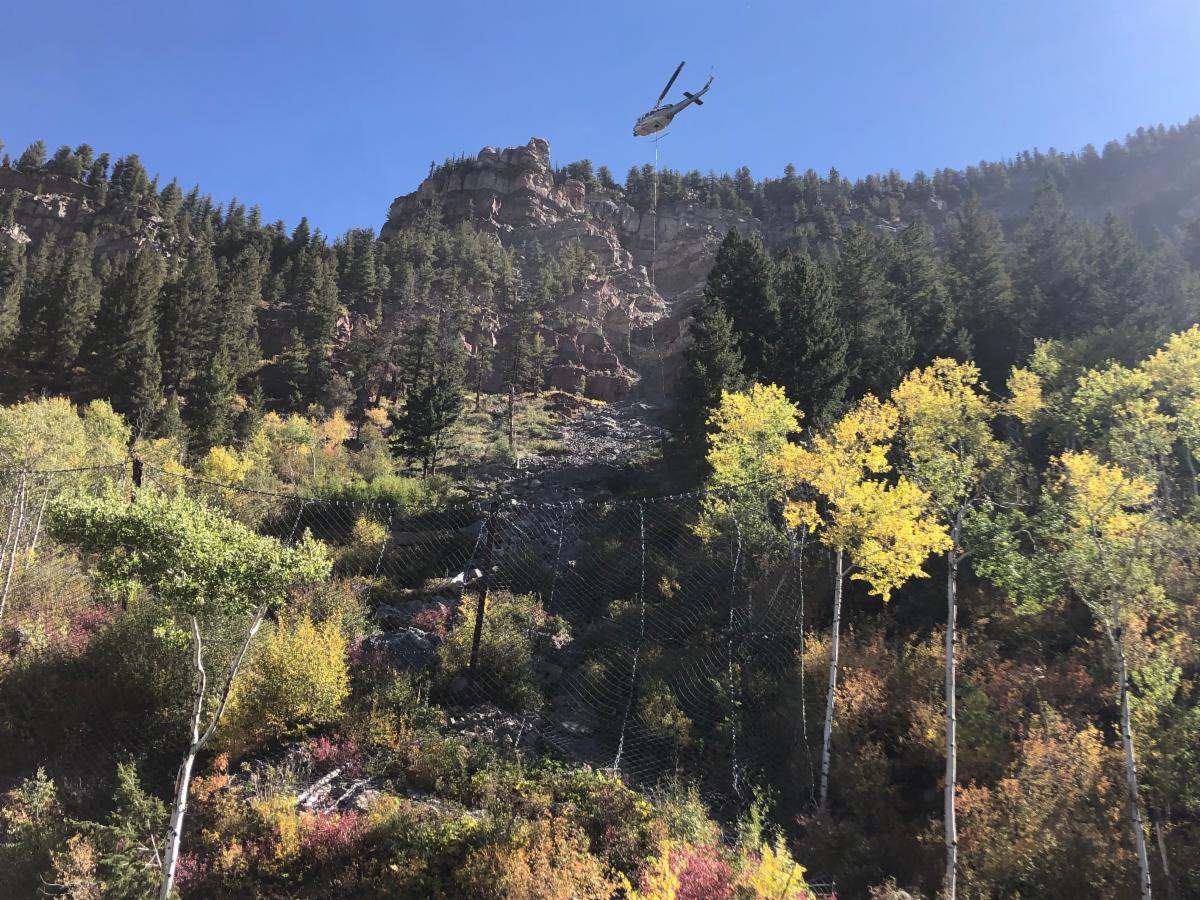
GSI’s remote systems include automated excavators, crane-suspended tools, robotic impact devices, and drone-assisted inspection platforms. Together, these technologies allow slopes to be stabilized rapidly and with minimal exposure for workers.

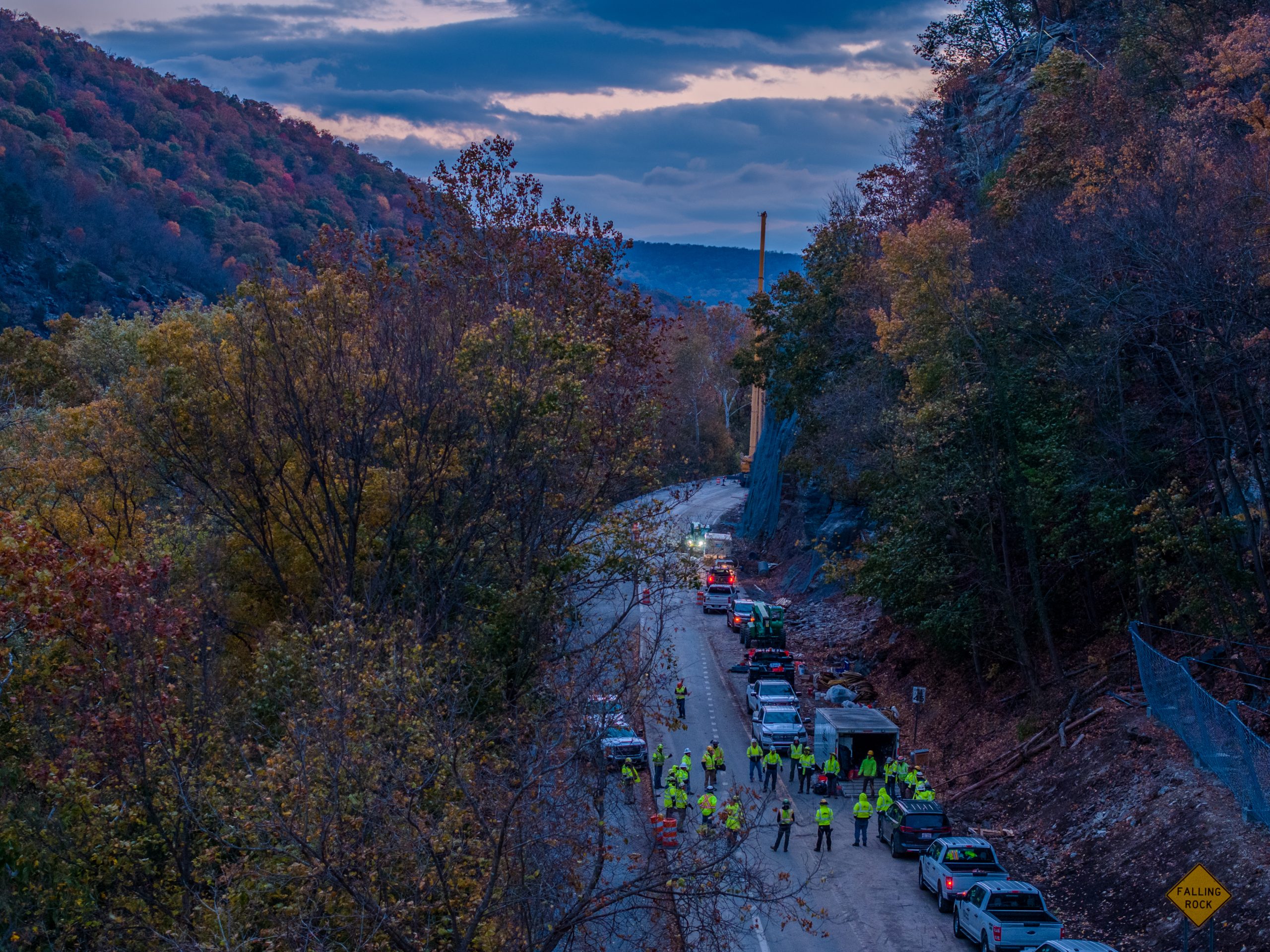
Crew gathered on a mountain road at dusk with work vehicles and fall foliage in the background.

How Remote Scaling Works

1. Detailed Slope Assessment

Every project begins with a geotechnical evaluation. Using drones, LiDAR mapping, and high-resolution imagery, GSI’s engineers identify fracture zones, loose material, overhangs, and areas requiring targeted removal. This remote data collection is especially valuable in mountainous regions or along transportation routes experiencing freeze–thaw cycles or seismic loading.

2. Remote Access Technology

Based on the site’s geometry, GSI deploys tools that may include:

  • Remotely operated excavators equipped with breakers, rippers, or scaling buckets
  • Robotic impact devices capable of controlled striking to release fractured material
  • Crane-suspended scaling tools for vertical rock cuts or canyon walls
  • Drone-assisted inspection to pinpoint priority areas before scaling occurs

These systems provide precise removal without exposing personnel to rockfall zones.

3. Controlled Material Release

Using real-time cameras, sensors, and telemetry, operators dislodge unstable rock from a safe setback. Material falls into designated containment zones where it can later be removed or managed as needed.

4. Safety Protocols

Remote scaling reduces exposure, but GSI still implements strict safety controls including exclusion zones, staged removal sequencing, and continuous monitoring. This ensures material releases occur in a predictable and controlled manner.

5. Follow-Up Stabilization

After loose material is removed, GSI may install additional stabilization measures such as:

  • Rock bolts or dowels
  • Mesh systems (draped, anchored, or cable-net)
  • Shotcrete or hybrid facing systems

These solutions extend slope life and reduce future risk.

REDUCE ROCKFALL RISKS NOW
When Remote Scaling Is the Preferred Method

Remote scaling is ideal for:

  • Slopes too fractured for rope access
  • Areas with active rockfall where manual entry is unsafe
  • High walls along highways or railways
  • Remote mining or hydroelectric sites in British Columbia, Alberta, or northern Canada
  • Cliffs influenced by freeze–thaw weathering
  • Locations with wildlife sensitivity or environmental access limits

The technique reduces overall project risk while allowing slopes to be stabilized quickly and efficiently.

Consult Our Geotechnical Team

Stabilize High-Risk Slopes

Advantages of Remote Scaling

Remote systems allow scaling operations to be performed without placing crews directly on hazardous slopes, reducing exposure to falling debris and unstable surfaces.

High-resolution imagery and remote controls enable precise targeting of unstable rock, minimizing over-removal and preserving slope structure.

Quick setup, rapid removal, and reduced access challenges shorten project timelines and decrease traffic or operational disruptions.

Remote tools can scale slopes that are too steep, too tall, or too fractured for rope-access crews or conventional machinery.

Drones and remote sensors reduce the need for extensive site disturbance, helping protect vegetation, waterways, and habitat—an important consideration in many Canadian jurisdictions.

Why Choose GSI for Remote Scaling

GSI brings unmatched expertise in rockfall mitigation and slope stabilization across Canada. Our team includes geotechnical engineers, rockfall specialists, and equipment operators trained to work in extreme environments. With a deep inventory of proprietary tools and remote technologies, we can execute scaling projects safely and efficiently—no matter the access challenge.

Our design-build-warranty approach means we take responsibility from assessment to construction to long-term performance, giving clients complete confidence in the safety and durability of their slopes.

GET IN TOUCH

Contact Us Today

If your site includes steep, unstable, or inaccessible terrain, GSI’s remote scaling services can help reduce risk and restore long-term stability. Contact us today to schedule a no-obligation assessment and learn how our advanced scaling systems can support your project.

855.559.5217

    How Can We Help?

    • Personal Info
    • Contact Info
    • Project Info
    ***Fees May Apply For Residential Site Visits***

    How Can We Help?

    • Personal Info
    • Contact Info
    • Project Info

    How Can We Help?

    • Personal Info
    • Contact Info
    • Project Info

    By using this website, you acknowledge and agree to our Privacy Policy. This site is protected by reCAPTCHA, and the Google Privacy Policy and Terms of Service apply.