Rockfall Attenuation

Rockfall Protection Systems

Rockfall Attenuation

Rockfall attenuation systems provide controlled, energy-reducing protection in areas exposed to falling rock hazards. GeoStabilization International designs and installs engineered rockfall attenuation systems that protect highways, rail corridors, utilities, and developed areas across Canada’s steep and geologically complex terrain.

From mountainous transportation routes in British Columbia and Alberta to escarpments in Ontario and coastal rock faces in Atlantic Canada, GSI develops site-specific attenuation solutions based on slope geometry, rockfall energy, anticipated block size, and installation constraints. Through our design-build model, we provide full accountability from hazard assessment through installation and performance verification.

CONTACT US

Rockfall attenuator

What Is a Rockfall Attenuator?

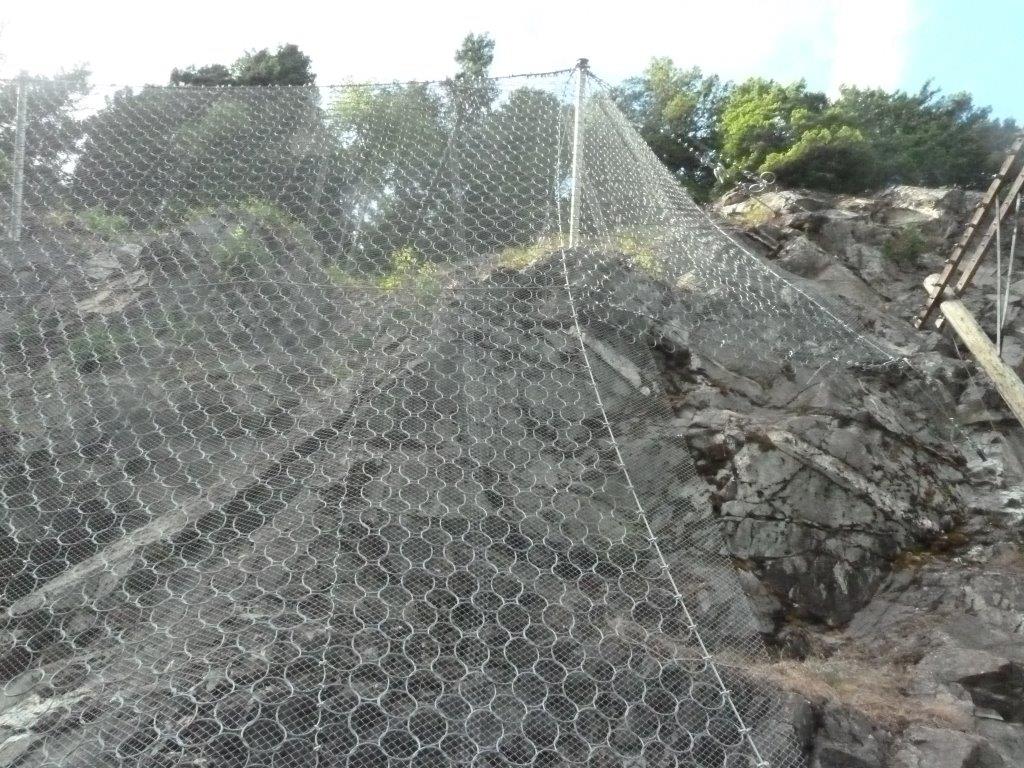
A rockfall attenuator is a flexible, passive protection system designed to intercept falling rock, reduce impact energy, and control debris movement before it reaches critical infrastructure. Unlike rigid containment structures that resist impact through mass, attenuation systems rely on controlled deflection and engineered energy dissipation to reduce forces transmitted to anchors and foundations.

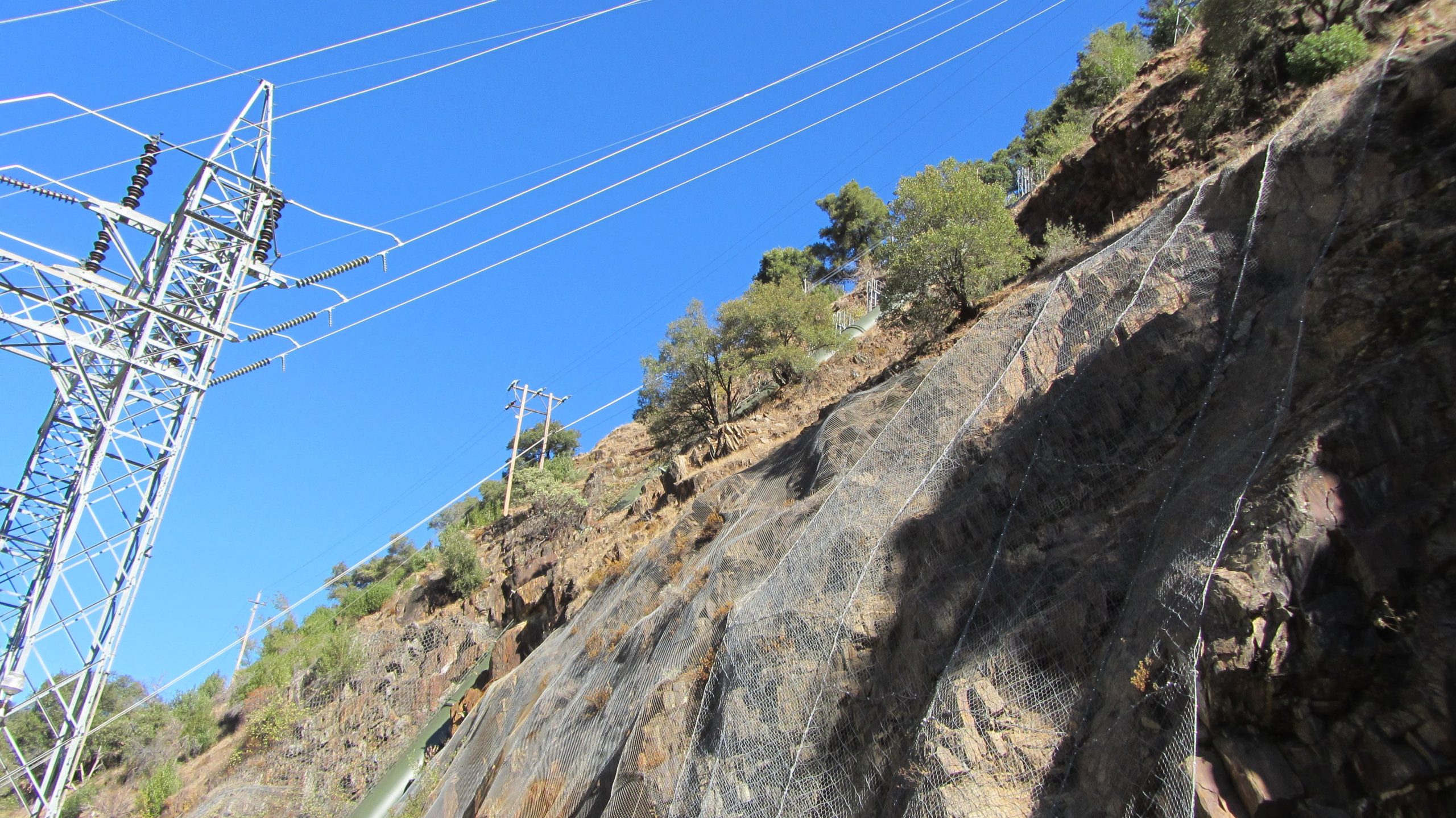
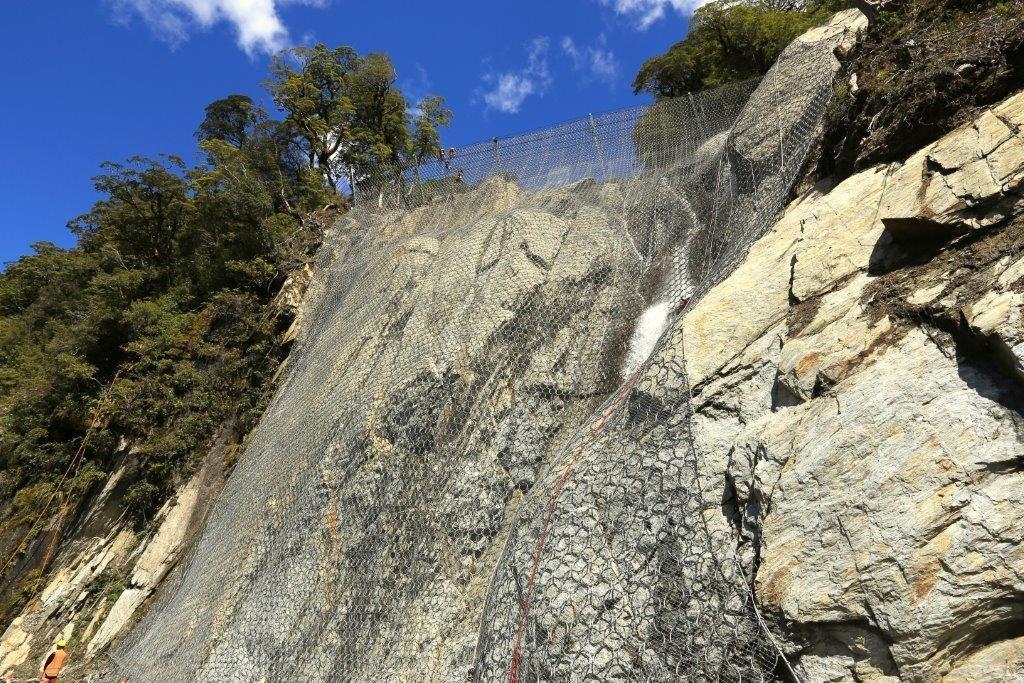
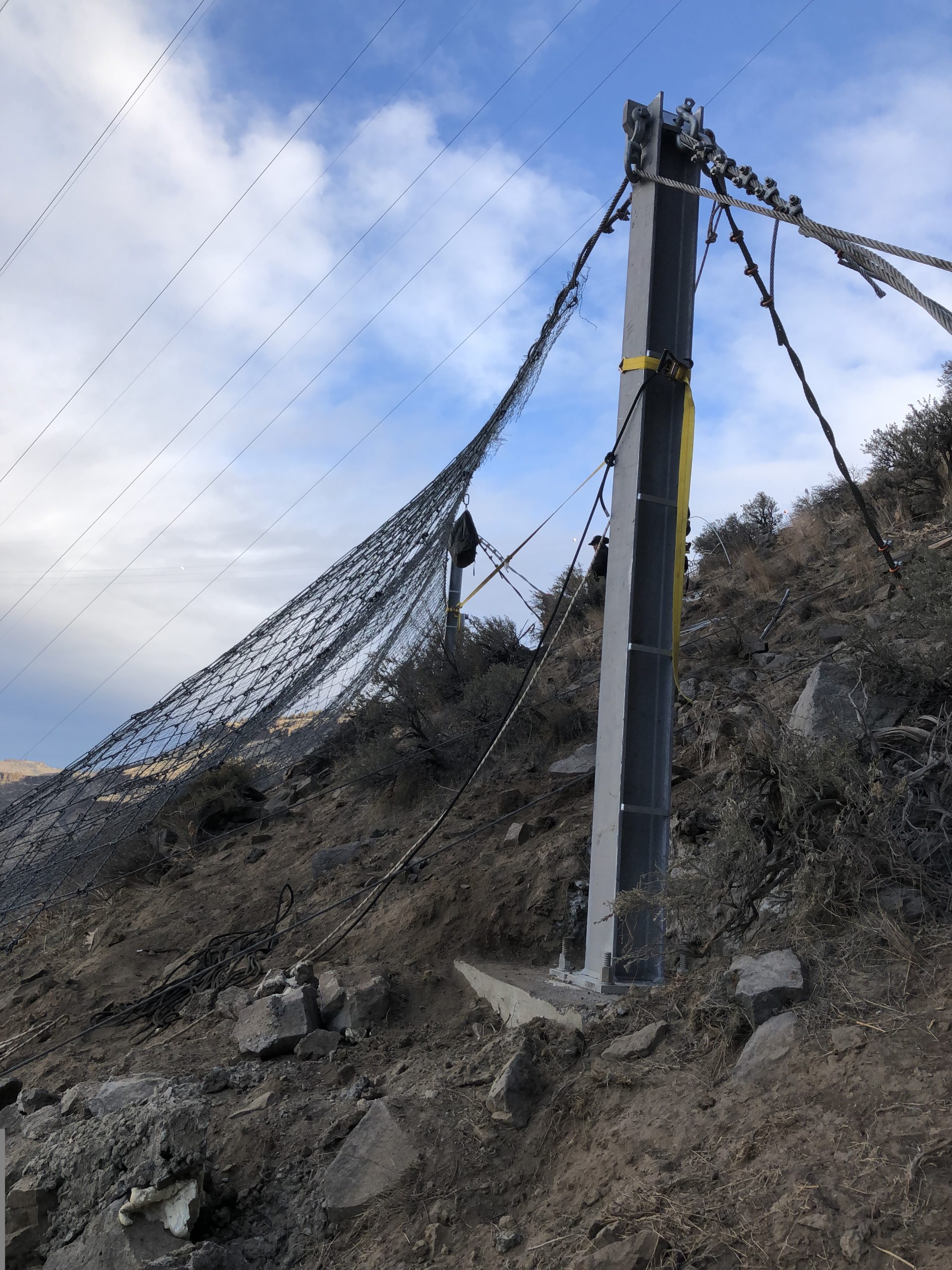
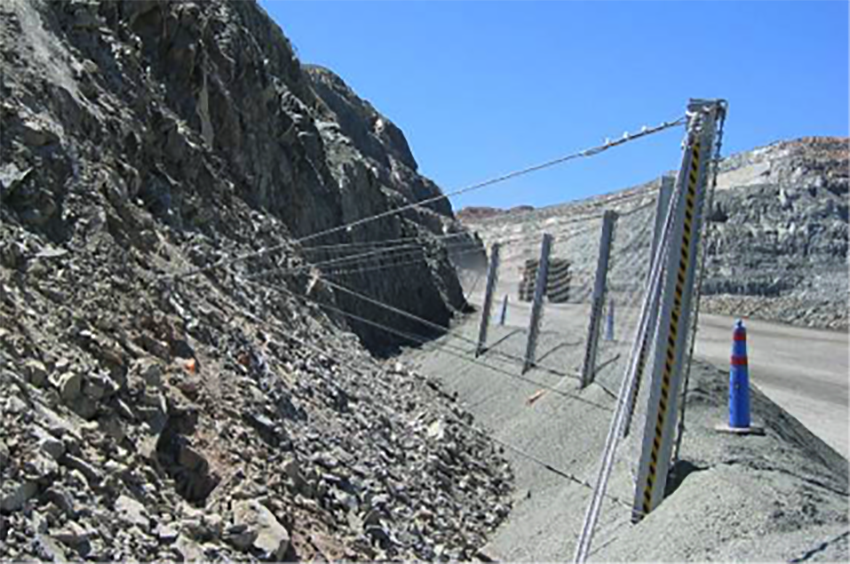
Rockfall attenuators typically consist of high-tensile mesh or cable net panels supported by posts, anchors, and energy-dissipating components. During a rockfall event, the system deforms in a controlled manner, reducing velocity and directing material into a defined catchment area for safer removal and reduced exposure.

Each system is engineered based on:

  • Slope height and inclination
  • Rock mass characteristics and detachment potential
  • Block size, frequency, and impact energy
  • Runout behavior and available catchment space
  • Required protection level and risk tolerance

How Rockfall Attenuation Systems Work

Rockfall attenuation systems function through flexibility and controlled energy absorption. When falling rock impacts the system, kinetic energy is dissipated through mesh deformation, cable elongation, and energy-absorbing devices. This reduces peak loads transferred to structural components while maintaining barrier function. Because these systems are modular, they can be installed efficiently in steep, remote, or limited-access environments using specialized drilling and slope-access methods.

Typical system components include:

Intercepts falling rock and distributes impact forces across the system.

Maintain system geometry and working height while allowing controlled deflection.

Specialized components that elongate or deform under load to reduce peak impact forces.

Rock anchors, soil nails, or ground anchors designed for site-specific geology and load demands.

Allows water, snowmelt, and fine material to pass through without creating hydrostatic pressure or excessive debris buildup.

Butte Dam Attenuator

Applications Across Canada

Rockfall attenuation systems are commonly installed where debris movement must be controlled without large-scale slope regrading or rigid structures. Applications include:

  • Highways and rail corridors in mountainous or escarpment terrain
  • Construction zones requiring temporary or permanent worker protection
  • Hydroelectric facilities and dam access roads
  • Utilities, pipelines, and substations located below rock slopes
  • Mining and industrial sites exposed to falling debris
  • Municipal or residential areas at the base of natural rock faces

Attenuation is often selected where ongoing weathering, freeze–thaw cycling, or seasonal moisture changes create recurring rockfall risk.
CONTACT US

Reduce Rockfall Impact Risk

Discuss Site-Specific Mitigation

Advantages of Rockfall Attenuation Systems


Energy Reduction and Risk Control

Reduces impact forces and exposure risk to infrastructure and personnel.

Flexible Performance

Accommodates variable rock sizes and repeated events through controlled deformation.

Adaptable to Complex Terrain

Suitable for steep slopes and constrained corridors with limited staging areas.

Durable Materials

Corrosion-resistant components designed for long-term performance in Canadian climates.

Lower Construction Impact

Minimizes excavation and landscape alteration compared to rigid containment systems.

Integrated Mitigation Strategy

Can be combined with scaling, rock bolting, draped mesh, or energy-rated barriers for layered protection.

How are Rockfall Attenuators Installed?

Step 1

Hazard Assessment and Site Evaluation

Geotechnical specialists evaluate slope geometry, rock mass characteristics, detachment potential, and anticipated rockfall energy. This assessment defines system height, energy capacity, placement, and anchorage requirements.

Step 2

Engineering Design

Based on site data, engineers develop a performance-based attenuation system. Design considerations include impact energy, deflection capacity, anchor loads, post spacing, drainage requirements, and long-term durability under Canadian climate conditions.

Step 3

Site Preparation and Access Development

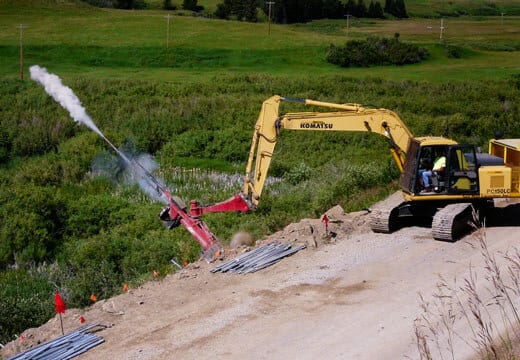
Installation areas are prepared to provide safe and stable working conditions. This may include limited scaling of loose material, vegetation clearing, and establishment of access routes for drilling and installation equipment, particularly in steep or remote terrain.

Step 4

Foundation and Anchor Installation

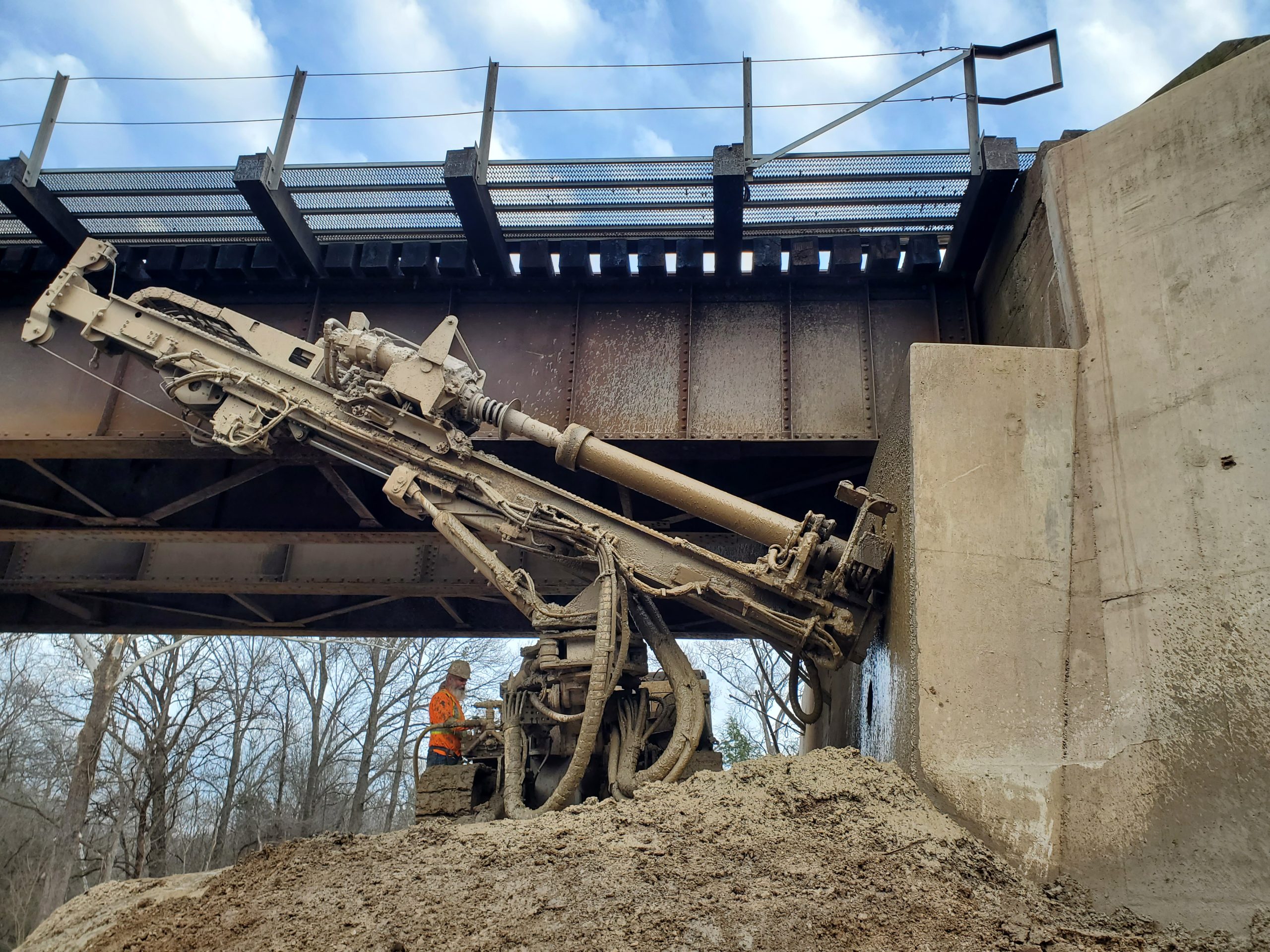
Anchors, such as rock bolts or ground anchors, are installed into competent material to support posts and mesh systems. Anchor capacity and embedment depth are determined by geotechnical conditions and design loads.

Step 5

Post and Structural Component Installation

Support posts, perimeter cables, and primary structural elements are installed and aligned to maintain proper system geometry and working height.

Step 6

Mesh and Energy Dissipation Assembly

High-tensile mesh or cable net panels are installed and connected to posts and anchors. Energy-dissipating devices are incorporated to allow controlled deformation and reduce peak impact forces during rockfall events.

Step 7

Inspection and Performance Verification

Upon completion, the system is inspected to confirm alignment with design specifications and performance requirements, ensuring readiness for service.

Rockfall Attenuator

Why Rockfall Attenuation Matters in Canada

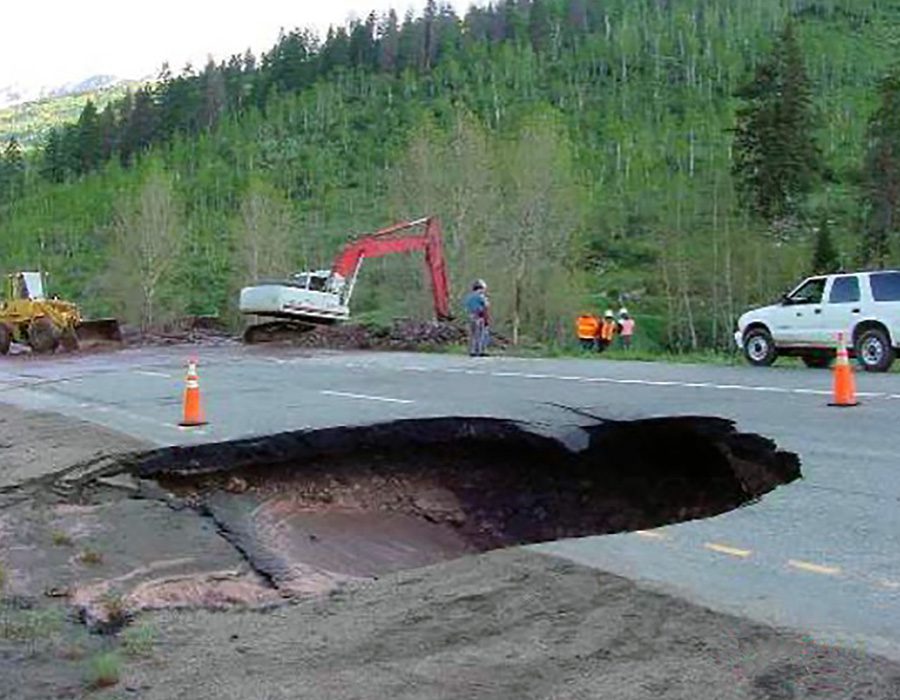
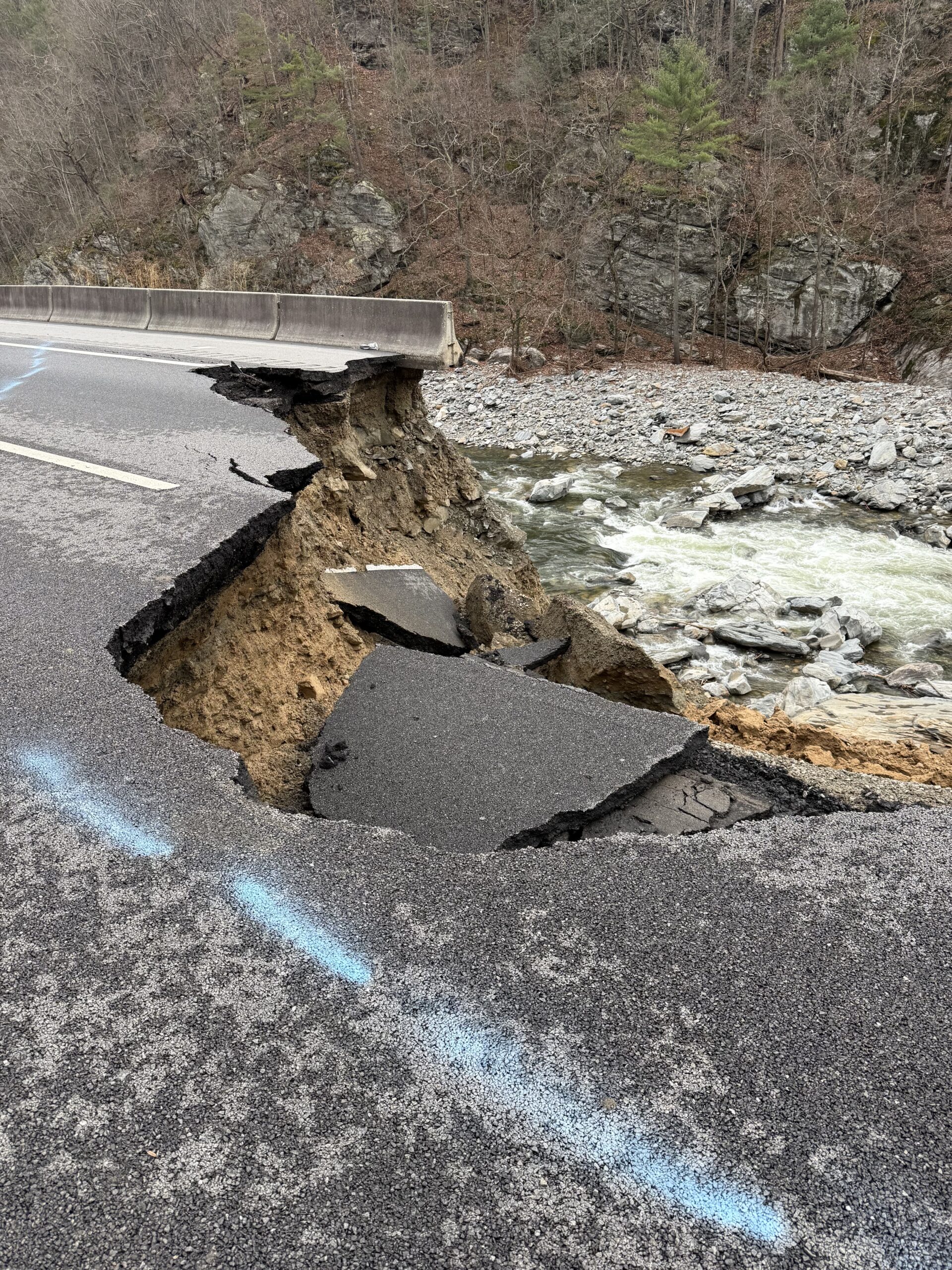
Canada’s diverse terrain creates persistent rockfall exposure, particularly where critical infrastructure intersects steep rock faces. Freeze–thaw cycling, heavy precipitation, groundwater seepage, and seismic forces can accelerate rock mass deterioration and trigger repeated events.

Engineered attenuation systems provide a practical and resilient solution for managing this ongoing risk. By reducing impact energy and controlling debris movement, attenuators help maintain corridor reliability, improve public safety, and reduce long-term maintenance demands.

Our Solutions

Our Emergency Response Solutions

From landslides and rockfalls to flooding and wildfires, unexpected geohazards demand immediate action. Our emergency response team is ready 24/7 to deploy specialized equipment and proven techniques, delivering fast, engineered solutions that restore access and stabilize critical assets when it matters most.

Client Reviews

Rockfall Mitigation and Scaling for Mining Operations in Canada

Hey Trevor, I gotta [sic] admit, I was a little worried after our progress on the first day of scaling. I wondered if I’d missed something in analyzing that slope! However, on day two, the guys were able to get the bulk of the loose material down in the two areas I was concerned about. They also installed two prisms into the blocks adjacent to the areas scaled so we can monitor any changes in the slope.
The team who came to site were the epitome of professional, not to mention a lot of fun to work with. There was never any point where I felt they were working unsafely. I am most impressed with the entire operation.
I think we were able to remove 100% of the immediate hazard for that area, and 75-80% of the overall hazard. Job well done!

Successful Project Support in British Columbia, Canada

Hi Graeme, I apologize for taking so long to respond; it is a credit to the smoothness of this project that I was able to shift my focus onto other ones. When asked by a colleague how this project went, I responded "that so last week". Seriously though, I want to sincerely thank you and your crew for their great efforts and patience getting this going and completed safely and successfully. A senior manager reviewing the photos also noted how tidy and well organized the site looked. Thanks also for accommodating all our site visits and heli close-ups.

Emergency Rockfall Mitigation for Mining Operations

I recently interacted with some of your rockfall division guys. I have never seen an outfit as competent on safety measures nor any contractors who worked as hard as your guys do. During the work, I was in a room with your guys and some other contractors, and your guys were head and shoulders above the rest in all aspects.

GET IN TOUCH

Develop a Rockfall Strategy

If your project is exposed to falling rock hazards, GSI can evaluate slope conditions and design a rockfall attenuation system aligned with your safety, constructability, and long-term performance goals.

Submit a request through our contact form to connect with a geotechnical specialist and review mitigation options for your site.

855.559.5217

    How Can We Help?

    • Personal Info
    • Contact Info
    • Project Info
    ***Fees May Apply For Residential Site Visits***

    How Can We Help?

    • Personal Info
    • Contact Info
    • Project Info

    How Can We Help?

    • Personal Info
    • Contact Info
    • Project Info

    By using this website, you acknowledge and agree to our Privacy Policy. This site is protected by reCAPTCHA, and the Google Privacy Policy and Terms of Service apply.